REVIEW · KATHMANDU
4 Days Pikey Peak Trek : The Best View of Mt Everest
Book on GetYourGuide →Operated by Alpinist Club · Bookable on GetYourGuide
Everest views in four days sound doable. This Lower Khumbu trek takes you to Pikey Peak for a famous sunrise over the world’s highest mountains, plus quiet village paths and Buddhist sites along the way. I like that it mixes big panorama time with small, human moments, like passing Tibetan-influenced villages and simple monasteries you can actually pause at.
The second thing I really like is the altitude reality check: you reach a moderate-high high point (4,065m) without the logistics of the big, intense Everest routes. One consideration: expect a long drive out and back from Kathmandu to Dhap, so the “trekking part” is only half the story.
In This Review
- Key things that make this trek worth your time
- Why Pikey Peak works so well for a short Kathmandu escape
- The long drive to Dhap: plan your energy like a pro
- Day-by-day: what the trek actually feels like
- Day 1: Kathmandu to Dhap Bazar, then on to Jhapre (around Jhapre/near 2,820m)
- Day 2: Pikey Base Camp (3,640m) for that quiet high-altitude feeling
- Day 3: Sunrise at Pikey Peak (4,065m) plus the ridgeline panorama
- Day 4: Down to Dhap and back to Kathmandu
- What you’ll see beyond Everest (it’s not just a one-mountain show)
- Guides: why the human side makes the difference
- Lodges, food, and the comfort level you should expect
- Altitude reality: moderate, but don’t treat it like a casual walk
- Seasonal timing: when your chances improve for clear views
- Price and value: what $350 includes and what you still must budget
- What to pack (and what not to overthink)
- Should you book the Pikey Peak trek with this operator?
- FAQ
- How do I get to the starting point?
- What is the highest altitude on the trek?
- Is this trek beginner-friendly?
- How long is the trekking each day?
- What views can I expect from Pikey Peak?
- What kind of accommodation is included?
- Are meals included in the price?
- Do I need a permit?
- Is there a porter included?
- What time of year is best for clear views?
Key things that make this trek worth your time
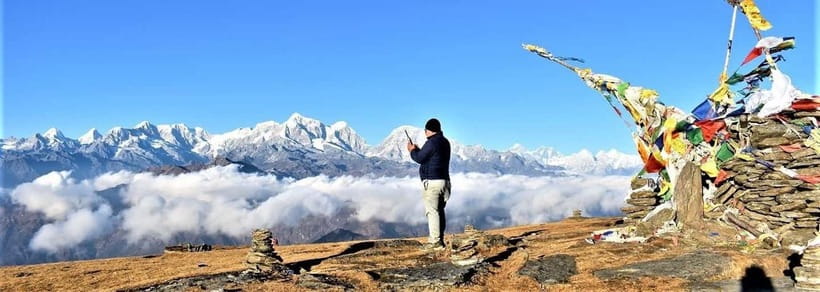
- Sunrise from Pikey Peak: the main event, timed for the kind of view you’ll remember for years
- Clear-sky Himalayan range: Everest plus Dhaulagiri and Kanchenjunga across one ridge-line panorama
- Lower Khumbu calm: peaceful trails, not a crowded corridor
- Sherpa culture stops: village walks where life looks the same as it has for generations
- Rhododendron forests and meadows: seasonal scenery that changes how the day feels
- Small group size (up to 8): easier pacing, fewer interruptions, more room to take photos
Why Pikey Peak works so well for a short Kathmandu escape
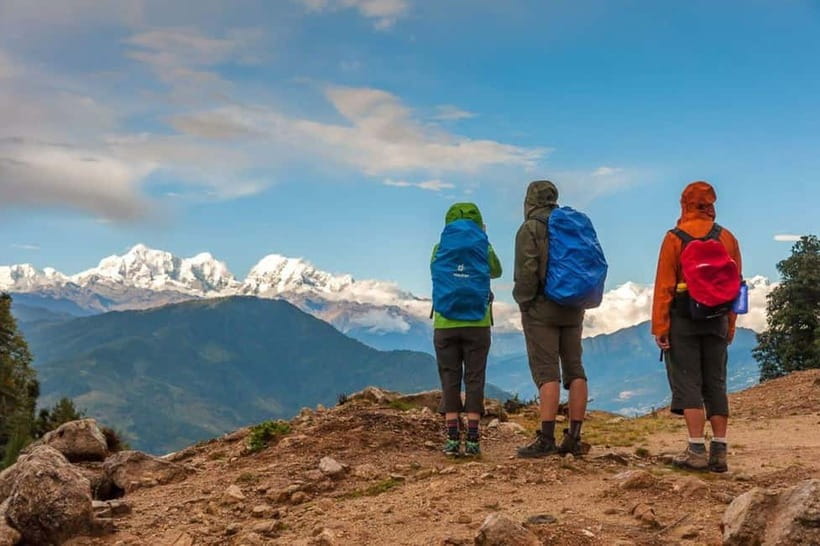
If you want Everest views without burning a whole month, the Pikey Peak trek is built for that exact goal. You’re based in the Koshi Zone region and trekking through the Lower Khumbu, which tends to feel more “local trail” than “Everest conveyor belt.”
The big payoff is that your best mountain moments don’t require climbing technical routes or dealing with extreme altitude pressure. You still get that high-mountain sense of air, sky, and distance, but the schedule is short enough that you can stay focused on enjoying the trek instead of just surviving it.
And yes, sunrise matters here. Getting up for that cold-dark start is never anyone’s favorite activity on Day 3, but it’s the kind of payoff that makes the effort feel fair. When the weather cooperates, you’re looking at a wide Himalayan sweep rather than a single-point view.
You can also read our reviews of more tours and experiences in Kathmandu.
The long drive to Dhap: plan your energy like a pro
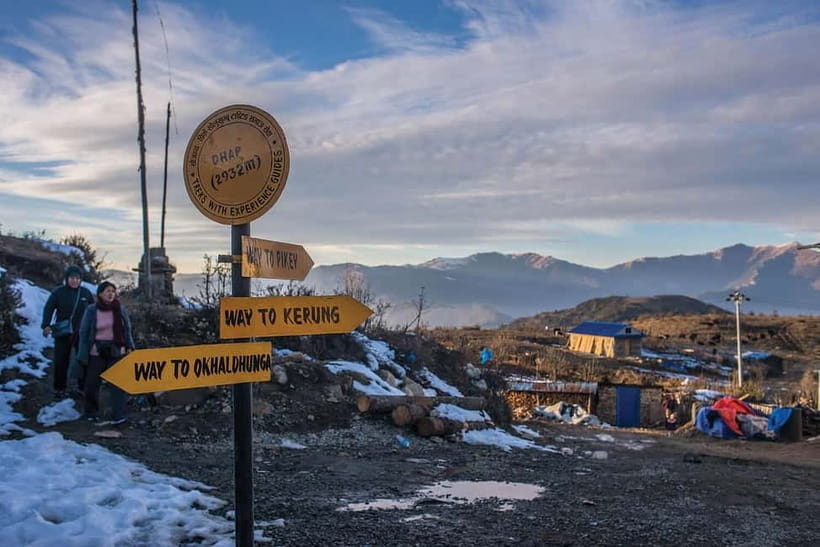
One practical thing you should know before you fall in love with the idea: the journey isn’t just trekking. You transfer from Kathmandu to Dhap (typically a 7–9 hour drive) and later drive back to Kathmandu after trekking down.
So treat the first day like a travel day first, hike day second. If you’re prone to getting stiff in cars, pack warm layers for the van or jeep ride, and bring something simple to pass time (a book or downloaded playlist). The upside is you’re traveling through Nepal’s countryside along the Sunkoshi River corridor, so the drive isn’t just wasted sitting. You’ll pass forests, terraced rice fields, and small communities before you even lace your boots.
After the long road, you reach the first overnight lodge in Jhapre. That night matters because your next morning starts earlier than you might expect if you’re used to gentle day trips.
Day-by-day: what the trek actually feels like
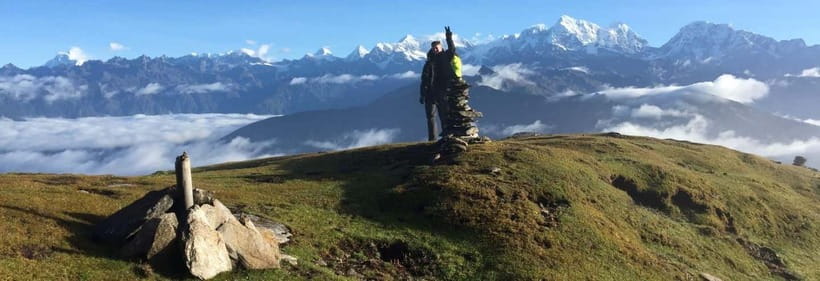
Day 1: Kathmandu to Dhap Bazar, then on to Jhapre (around Jhapre/near 2,820m)
You start from pickup in Thamel, then head out toward Dhap Bazaar. The early part of the trip follows the Sunkoshi River route, which gives you a moving backdrop of green hills, riverside scenery, and terraces. It’s a good warm-up for being in Nepal’s “working landscape,” where daily life is happening right next to the path.
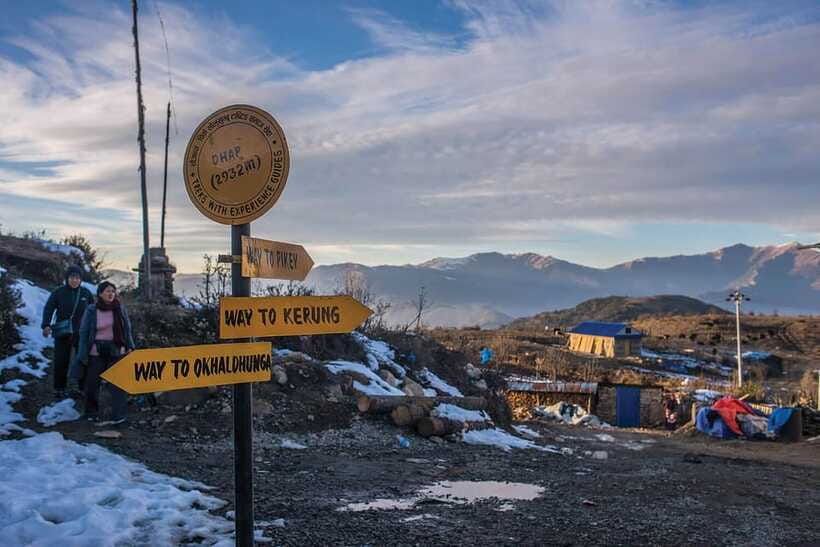
Once you get to the trail area, you walk toward Jhapre. Along the way, you pass through areas influenced by Tibetan culture, including Kerung, and you’ll see traditional Buddhist monasteries set against a mountainous backdrop. This is the kind of cultural stop that doesn’t feel like a museum visit—you can simply watch, listen, and keep walking.
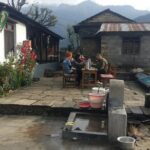
You sleep in a local lodge (twin sharing), and it’s basic but cozy, with blankets. The lodge is there to help you rest, not to impress you.
Day 2: Pikey Base Camp (3,640m) for that quiet high-altitude feeling
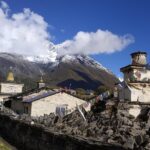
Today’s hike takes about 6 hours and climbs toward Pikey Base Camp at 3,640m. The route includes stone walls and older Buddhist features—stupas and monastery areas—and you’ll feel like you’re moving through a place that has supported trekkers for a long time.
This is also one of the best days for slow hiking. You’re climbing, but not in a way that forces constant gasping. It’s more about steady steps, drinking water, and keeping your breathing calm. The base camp spot is described as the second-highest point of the trek, and the key word here is peaceful. You’re high enough to feel the altitude, but you’re not at the “big summit anxiety” stage yet.
For me, this day is where the trip becomes real. The scenery opens gradually, and you start to understand why people come for Everest views on a short schedule.
Day 3: Sunrise at Pikey Peak (4,065m) plus the ridgeline panorama
This is the main event day. You trek up to Pikey Peak (4,065m), reaching the summit in about 1.5 hours from the base area, then you enjoy the view before descending.
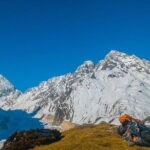
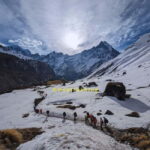
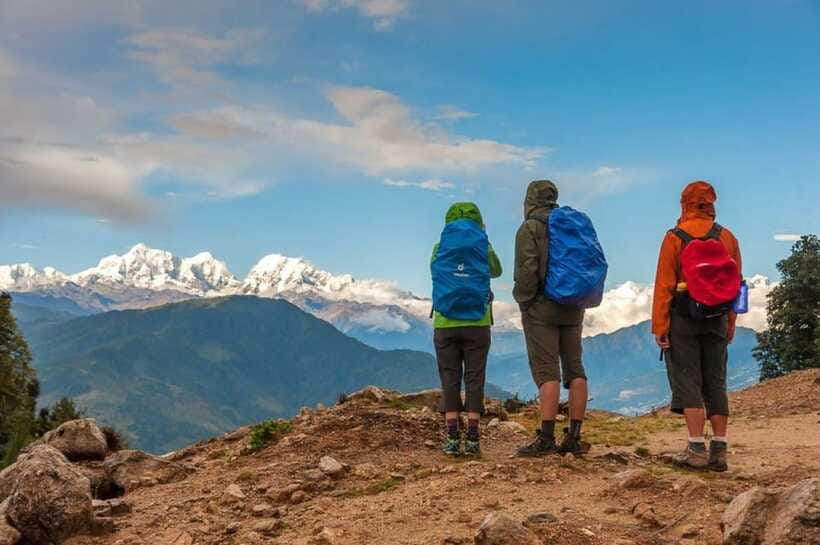
From the top, the range is the headline: Kanchenjunga to the east, Dhaulagiri to the west, and of course Mt. Everest in the mix. That sweep is the difference between “seeing Everest” and actually feeling like you’re standing in the middle of the Himalayan system.
You spend time at the summit, then head back down. The descent back toward Jhapre is around 6 hours of hiking. Plan for tired legs. Summit days are always a little deceptive: even though the final push can feel quick, the altitude and the cold make everything slow down on the way back.
This is also the day when a mild altitude headache can show up for some people, even at this relatively moderate altitude. Go easy with pacing, hydrate, and don’t treat alcohol as a “sleep aid.” Your body needs calm, not party energy.
Day 4: Down to Dhap and back to Kathmandu
After breakfast, you trek down to Dhap and then drive back to Kathmandu. The trek portion is shorter (it’s listed as a quick walk/trek segment), and the big chunk left is the drive home (again around 8 hours).
This final day is about recovery and perspective. You’ll feel how much the climb changed you, even though the overall trek is short. If you’ve never done a Himalayan trek before, this is also where you start planning your next one before you’re fully back in city life.
What you’ll see beyond Everest (it’s not just a one-mountain show)
The whole point of Pikey Peak is that you’re not stuck with tunnel vision. The summit views are described as covering a wide range of peaks, including Everest, Dhaulagiri, and Kanchenjunga, which makes the experience feel bigger than one famous name.
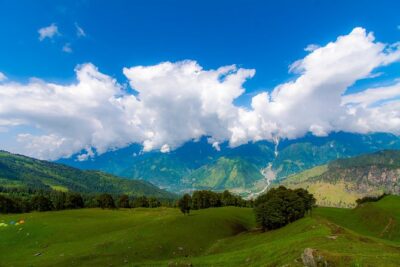
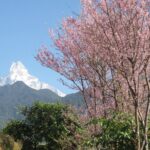
What adds depth is the trail itself. You move through alpine meadows and rhododendron forests, and those ecosystems change the feel of your walking day. In spring, rhododendrons are part of the fun, and you’ll also be more likely to get clear views. In autumn, visibility is typically best, which is exactly what you want when the whole trek is about watching the sky open up.
Guides: why the human side makes the difference
This trek runs with an English-speaking guide, and the small group size (up to 8) means you’re not getting herded. That matters because a short trek still needs smart pacing, especially if you’re new to altitude or you don’t hike often.
Past groups have had guides like Pemba, Sukbir Tamang, and Ngima Chechi Sherpahe. The common thread in how the trek lands for people is that the guide keeps things enjoyable and keeps you moving in a way that feels manageable. On a summit day, that kind of guidance turns the climb from stressful into focused.
If you’re a first-timer, choose a pace that lets you talk in short sentences. That’s your best check that you’re not pushing too hard.
Lodges, food, and the comfort level you should expect
Accommodation is in teahouses/lodges during the trek. Rooms are twin sharing with blankets, and the vibe is basic but cozy. You’ll get breakfast included, but meals and beverages are not included.
Food options along the trail tend to be simple and filling—things like dal bhat, noodles, soup, eggs, potatoes, Tibetan bread, plus tea and coffee. Hot showers can be available in some lodges, but they’re listed as an extra cost, so don’t plan your comfort around it.
Electricity is limited. Expect charging to be sporadic, and solar is common. Bring a power bank and charge when you can. If you rely on your phone for photos and offline maps, this is not optional gear.
Altitude reality: moderate, but don’t treat it like a casual walk
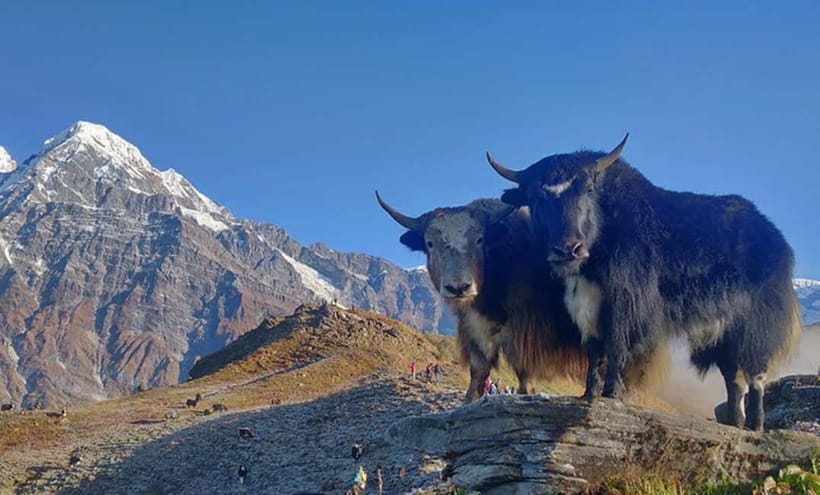
Even though 4,065m is described as relatively moderate altitude, mild altitude sickness (AMS) can still happen. The signs you should watch for include headache, nausea, fatigue.
My practical advice is simple:
- drink water steadily
- walk slowly on the uphill sections
- avoid alcohol
- get extra rest and don’t rush your recovery after the summit day
If you feel worse instead of better, stop pushing. Tell your guide right away so you can adjust the pace.
Seasonal timing: when your chances improve for clear views
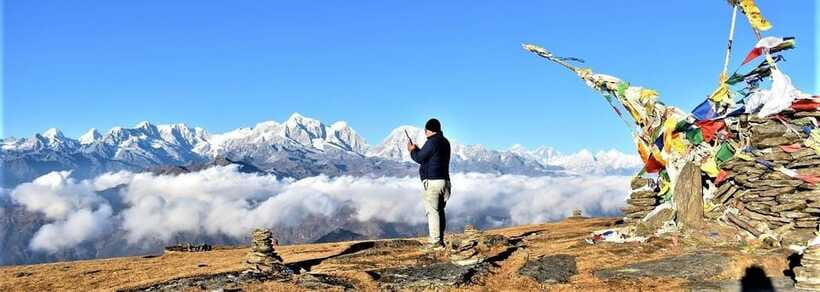
Your best odds for those crisp, sweeping mountain views are usually:
- Spring (March–May): rhododendrons and often good visibility
- Autumn (Sept–Nov): best chance for weather clarity
- Winter (Dec–Feb): colder but often clear skies
If you’re flexible, match the season to your goal. If the priority is the skyline view, autumn is the safe bet. If you want both views and colorful trail scenery, go spring.
Price and value: what $350 includes and what you still must budget
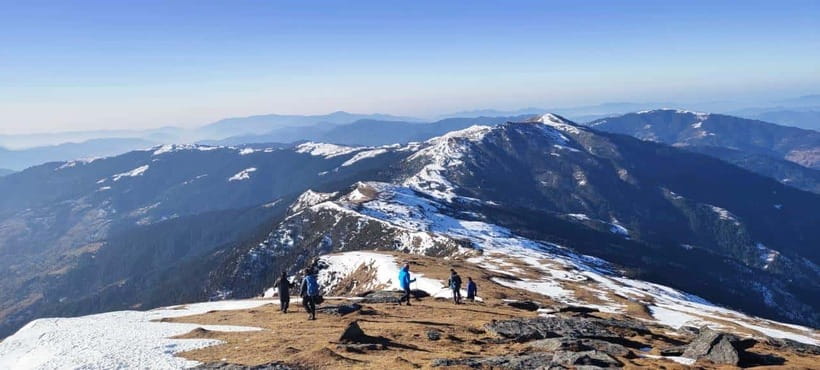
At $350 per person, this is a strong value for a short Everest-viewing trek because the price covers the big cost drivers:
- an experienced English-speaking trekking guide
- necessary permits and government taxes
- private jeep/van transfers from Kathmandu to Dhap and back
- pickup and drop at your Kathmandu hotel
- lodge accommodation during the trek with breakfast
What’s not included is where you should plan carefully:
- meals and beverages (beyond breakfast)
- porter (if you want one)
- personal expenses
So this isn’t a “pay once and forget it” price tag. But it’s also not like the long Everest treks where costs and complexity multiply. For limited time, this is exactly the kind of trek that lets you spend your money on the experience, not on endless logistics.
What to pack (and what not to overthink)
The gear list is mostly standard Himalayan trail gear, but it’s worth tailoring it to a short trek where weather can shift.
Bring:
- trekking boots (broken in)
- layered clothing (base, fleece, down jacket, waterproof shell)
- gloves, hat, and a scarf/buff
- sunglasses and sunscreen
- a headlamp
- water purification tablets or filter
- snacks for energy (nuts, energy bars)
- a small first-aid kit (include altitude and stomach meds)
- power bank
You might bring your own sleeping bag if you prefer it, but lodges provide blankets. Keep your pack light. On summit day, you’ll feel every extra ounce.
Should you book the Pikey Peak trek with this operator?
If your goal is Everest views with a realistic time window, I think this trek is a smart choice. It’s paced for people who want the Himalayan feeling without extreme altitude drama, and the small group format makes it easier to stay comfortable.
Book it if:
- you have only about four days and want a true trek, not a day hike
- you care about sunrise and wide panoramic views
- you like culture on the trail (villages, Buddhist features, monasteries)
Skip or reconsider if:
- you’re pregnant (it’s listed as not suitable)
- you hate long drives more than you enjoy mountains
- you need fully included meals and five-star lodge comfort
If weather is clear, the view from Pikey Peak is the kind of payoff that makes the early mornings and tired legs feel worth it.
FAQ
How do I get to the starting point?
You’ll be picked up from Thamel in Kathmandu, then transferred by private jeep/van to Dhap for the trek. At the end, you’ll trek back to Dhap and drive back to Kathmandu with hotel drop-off.
What is the highest altitude on the trek?
The highest point is Pikey Peak at 4,065m. You also reach Pikey Base Camp at about 3,640m.
Is this trek beginner-friendly?
Yes. It’s described as ideal for beginners, families, and travelers who are short on time, with a relatively moderate altitude profile.
How long is the trekking each day?
Day 2 is about 6 hours of hiking. Day 3 includes about 1.5 hours to reach Pikey Peak and about 6 hours of descending. Day 1 and Day 4 include shorter walking/trek segments plus the road transfer time.
What views can I expect from Pikey Peak?
From the summit, you can see panoramic Himalayan views including Dhaulagiri, Everest, and Kanchenjunga, plus the sunrise experience.
What kind of accommodation is included?
You stay in teahouses/lodges in twin-sharing rooms with blankets. Lodge accommodation is included during the trek, with breakfast.
Are meals included in the price?
Breakfast is included with lodge accommodation, but meals and beverages are not included during the trek.
Do I need a permit?
Yes, necessary permits are included as part of the trek package.
Is there a porter included?
No. A porter is not included.
What time of year is best for clear views?
Spring (March–May) and autumn (Sept–Nov) are highlighted for good views and weather. Winter (Dec–Feb) can be cold but also offers clear skies.