REVIEW · KATHMANDU
Langtang Panorama Trek
Book on Viator →Operated by Unique Path Trekking Expedition Pvt. Ltd · Bookable on Viator
Langtang is the kind of trek that rewards effort. This Langtang Panorama Trek strings together classic Langtang Valley scenery with the big draw of Gosaikunda and high mountain passes, north of Kathmandu’s rim. I like how the route mixes forest walking with real altitude days, so you’re not just grinding uphill for ten straight days.
Two things I really like about this trip are the built-in rhythm (downhills and recovery days are part of the plan) and the practical support package. You’ll get an English-speaking guide, three meals a day on trek, and even tools like an ox meter to check pulse/heart rate/oxygen saturation when altitude starts to matter.
One consideration: this is described as moderate but still adventurous, with long walking days and sleeping/fitness challenges at higher elevations. Also, drinks in the mountains aren’t included, and porter service isn’t listed—so if you hate carrying your own load, plan for that early.
In This Review
- Key things to know before you go
- A mountain trek with real variety (not just uphill for 10 days)
- Price and what you’re actually getting for $755
- Entering the route: Kathmandu to Syabrubesi to your first trekking night
- Day-by-day trek breakdown: what each section feels like
- Days 2–3: Syabrubesi to Lama Hotel, then to Langtang Village
- Day 4: Chorkari ri (5050m) and back to Kyangjin Gompa
- Day 5: Down to Lama Hotel (recovery day)
- Days 6–7: Lama Hotel to Thulo Syabru, then to Cholangpati
- Day 8: Gosaikunda and Lauribina pass (4600m) then down to Cholangpati
- Day 9: Trek down to Dhunche
- Day 10: Drive back to Kathmandu
- Altitude, pacing, and why the included monitoring helps
- Guides, group size, and the kind of organization that prevents headaches
- What’s included (and what you should plan to bring)
- Kathmandu start and finish: the part most people underestimate
- The weather reality: what can change on mountain time
- Who this trek is best for
- Should you book the Langtang Panorama Trek?
- FAQ
- What is the duration of the Langtang Panorama Trek?
- Where does the trek start and end?
- How many walking days are included?
- What’s the highest altitude on this itinerary?
- Are meals included during the trekking portion?
- Is pickup offered from Kathmandu?
- Is there a guide and what language do they speak?
- What gear is included for cold weather?
Key things to know before you go
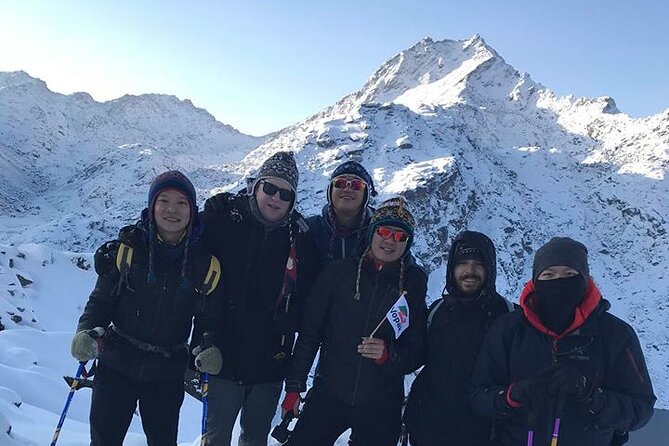
- Rhododendron and cool forest walking: You’ll move through temperate forest types mentioned in the route description, including rhododendron (Nepal’s national flower).
- A classic “valley to lakes to pass” arc: Langtang Village and then Gosaikunda/Lauribina pass gives you variety without endless transfers.
- Altitude checks are part of the program: The trip includes an ox meter for oxygen saturation plus basic first-aid support.
- High days are balanced with down days: The itinerary includes trekking up and then returning to lower villages for recovery.
- Small-group feel is possible: The tour lists a maximum of 25 travelers, and the organization is used to small-group departures.
- You’ll pay for the small stuff: Kathmandu meals and mountain drinks are not included, and tipping is expected.
A mountain trek with real variety (not just uphill for 10 days)
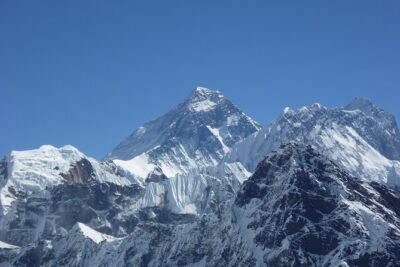
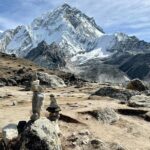
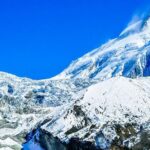
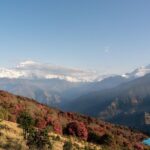
This route is built around the Langtang-Ganesh Himal and the Jugal mountain range area, and the itinerary takes you from a forested valley world into high-altitude lake country. That matters because it keeps your trekking days feeling different—different air, different views, different footing, different “weather mood.”
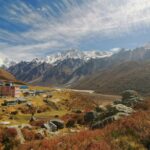
You’ll start in Syabrubesi (about 1,610m) and climb steadily through villages like Lama Hotel and Langtang Village before hitting the higher viewpoints and then dropping and climbing again. The up-down pattern is one reason this kind of trip works well for many people: you’re challenged, but you also get chances to reset your legs.
You can also read our reviews of more tours and experiences in Kathmandu.
Price and what you’re actually getting for $755
At $755 per person, the value here is mostly about what’s bundled. You’re paying for ground transport during the itinerary, three meals a day while you’re trekking, a guide, trekking accommodations on the trek (twin sharing), permits, and core safety/logistics items.
Here’s what that means for you in real terms:
- You’re not juggling hotel and meal planning every day in rural Nepal.
- You’re not organizing permits like a part-time bureaucracy desk.
- You’re getting a guide plus rescue/transport arrangements that are intended to work with your insurance.
What’s not covered helps you budget honestly. Meals and accommodation in Kathmandu are not included, mountain drinks aren’t included, and porter service isn’t listed (only guide support is). Tips for trekking staff and the driver are expected, and personal expenses like phone calls and laundry are on you.
So the honest math is: if you’re the kind of traveler who wants guidance, meals, permits, and logistics handled, this price can feel fair. If you hate carrying your own pack and you want premium convenience in the mountains, you’ll want to plan for extra costs.
Entering the route: Kathmandu to Syabrubesi to your first trekking night
Day one is a long but simple start: a bus drive from Kathmandu to Syabrubesi (about 7 hours). You sleep at a guest house there, and then day two begins the “legs-on” work with a trek toward Lama Hotel (about 5.5 hours).
What I like about this setup is that it gives you a proper arrival day before you start walking. You’re not landing in Nepal and immediately jumping into steep altitude hikes. Syabrubesi itself is a staging point, and it helps you mentally switch from city logistics to trail life.
If you’re sensitive to travel days, hydrate on the bus and keep day two steady. You’re building altitude gradually, and early pacing matters more than hero mode.
Day-by-day trek breakdown: what each section feels like
Days 2–3: Syabrubesi to Lama Hotel, then to Langtang Village
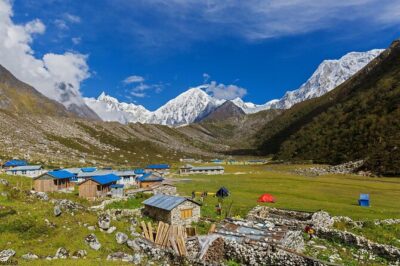
Day two walks you from Syabrubesi to Lama Hotel (about 2,480m). Day three climbs again to Langtang Village (about 3,541m), with roughly 5 hours of walking.
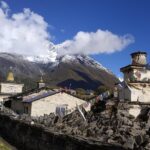
These segments matter because you’re not just climbing—you’re also getting used to village trekking: lodge stays, mountain meal schedules, and the rhythm of stopping for breath when the air gets thin. Langtang Village at higher elevation gives you the valley’s heart, and it’s a solid place to feel “we’re really here” before the more demanding days.
Day 4: Chorkari ri (5050m) and back to Kyangjin Gompa
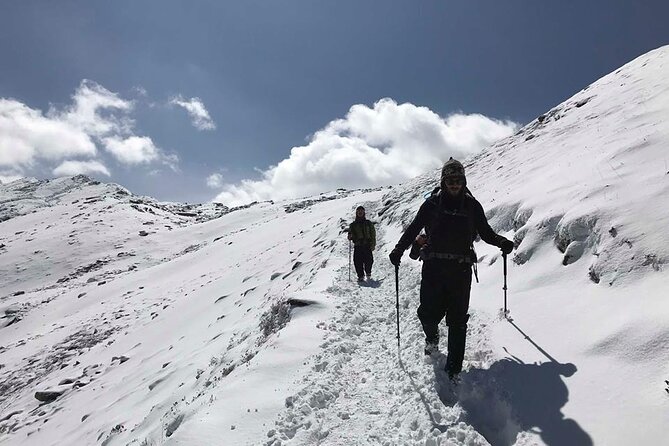
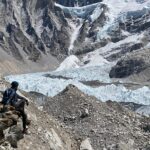
Day four is the first big altitude day: trek from Langtang Village toward Chorkari ri (about 5,050m) and then back to Kyangjin Gompa. The walking time is listed at about 7.5 hours.
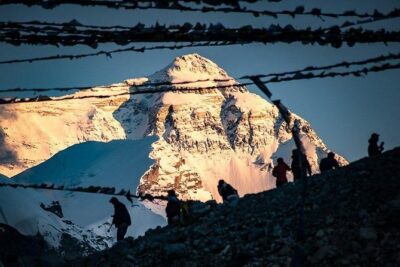
This is where smart trekking beats fast trekking. Go slow on the ascent. If you feel strong, resist the urge to turn it into a race; your goal is to stay smooth so you can handle the descent too. The reward is that panoramic high point—this is the “panorama” part in a very literal sense.
Day 5: Down to Lama Hotel (recovery day)
Day five drops down to Lama Hotel (again around 2,480m) with about a 6-hour trek. This is a key part of the itinerary design: altitude goes up, you work it, then you give your body a chance to settle.
For your comfort, this is also when you’ll likely notice foot fatigue. Plan for slow downhills. Trekking poles can help a lot on days like this, even though the route description doesn’t list equipment details beyond what’s provided.
Days 6–7: Lama Hotel to Thulo Syabru, then to Cholangpati
Day six moves from Lama Hotel to Thulo Syabru (about 2,200m) with roughly 5.5 hours. Day seven then climbs to Cholangpati (about 3,680m) around 6 hours.
This stretch transitions you deeper into the Langtang region’s village-forest environment. You’ll likely feel like you’re moving through alternating tunnels of trees and open views. The route description specifically mentions forests including rhododendron, oaks, magnolia, pines, firs, plus bamboo groves in some sections where rare red panda are found. Even if you don’t see one (they’re elusive by nature), the habitat is part of the charm.
Day 8: Gosaikunda and Lauribina pass (4600m) then down to Cholangpati
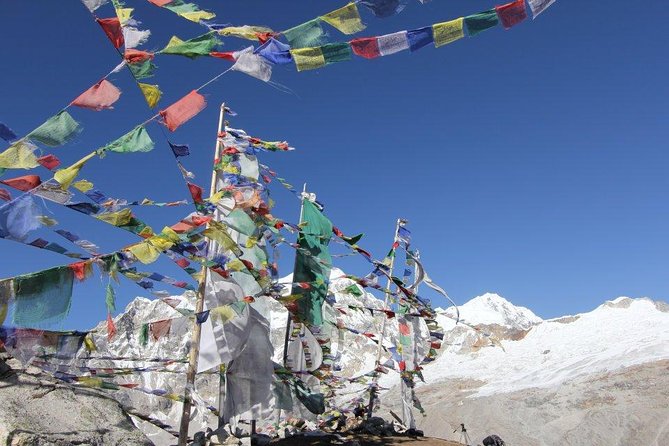
Day eight is your lake-and-pass day. You visit Gosaikunda and Lauribina pass (about 4,600m), then trek down back to Cholangpati. Walking time is listed at about 7.5 hours.
This is one of the most memorable days on the whole itinerary because it combines two different “holy wow” moments: a high-altitude lake scene and a pass crossing. At this elevation, your pace will matter even more than your willpower. You’ll want steady breathing and short rests.
Then you still walk down the same day. Your legs will feel it. Bring extra attention to hydration and don’t “save energy” by cutting rest stops too aggressively.
Day 9: Trek down to Dhunche
Day nine takes you from Cholangpati down to Dhunche with about 4.5 hours walking. This is your final major trekking day.
You’ll likely feel a mix of satisfaction and relief. Dhunche is a good place to land after the high days. If your ankle or knee tends to flare up, it’s smart to treat this as a slow, careful descent rather than a quick finish.
Day 10: Drive back to Kathmandu
Day ten is bus drive back to Kathmandu (about 5.5 hours), then transfer to your hotel. It’s a straightforward close: recover, shower if you choose, eat something non-mountain, and sleep like a person who has finished a thing.
Altitude, pacing, and why the included monitoring helps
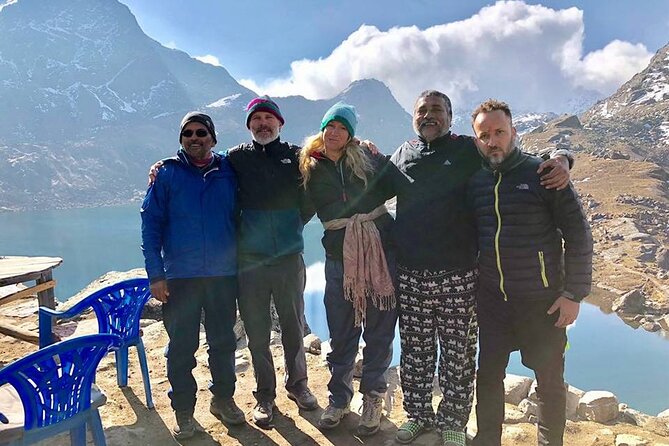
The highest elevation listed is Chorkari ri at about 5,050m, plus the pass day at about 4,600m. That means this isn’t a “walk anywhere, anytime” trek. It’s manageable for many people with moderate fitness, but you need a good head for pacing.
The trip includes a first aid kit and an ox meter for pulse/heart rate/oxygen saturation at higher altitude. Even if you’re not a science nerd, this is useful because it turns altitude anxiety into something practical. You can check in, slow down, and follow guide guidance without guessing.
The itinerary also builds recovery into the plan by sending you down after high effort days. That’s not optional—it’s the difference between a fun challenge and a miserable slog.
Guides, group size, and the kind of organization that prevents headaches
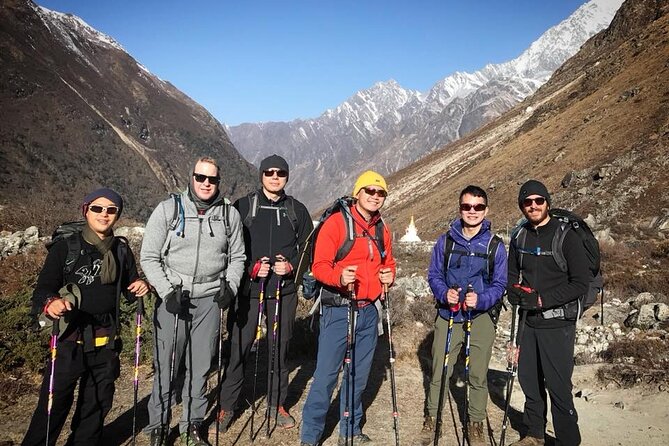
This trek runs with an experienced, English-speaking guide. The organization behind it is Unique Path Trekking Expedition Pvt. Ltd, and from what’s been shared about past departures, the team leadership has included people like Babu (owner) plus guides such as Suresh and Damber.
Here’s what that means for you on the ground: organization matters most when plans meet reality—weather shifts, trail conditions, and the small decisions that keep everyone safe and moving.
The max group size is listed as 25 travelers. In practice, the company appears comfortable running smaller groups too, which often means you feel less like a ticket number and more like a team. Still, don’t expect total privacy: this is a shared trek, and schedules and pacing will be group-based.
What’s included (and what you should plan to bring)
Included items are generous for a trek at this difficulty level. You get:
- Three meals a day during the trekking portion (breakfast, lunch, dinner)
- Twin sharing private rooms in trekking lodges
- A four-season sleeping bag and down jacket if necessary
- A trip map plus a trekking cap and appreciation certificate
- All Langtang national park entry permits and TIMS
- Travel and rescue arrangement, meant to be covered by your insurance company
Not included items to budget for:
- Kathmandu meals and accommodation
- Mountain drinks (hot, cold, and alcoholic)
- Personal equipment (like your own daypack, rain layers, layers you prefer)
- Insurance and rescue costs on your side
- Tips for trekking staff and driver
- Porter service (you carry your own things unless you arrange something separately)
The small but important takeaway: if you’re used to traveling with minimal gear, plan to carry more on a porter-less trek. If you already know what your pack weight should be to feel comfortable, you’re set. If you don’t, test your packing list early before you go.
Kathmandu start and finish: the part most people underestimate
Your tour starts with transport from Kathmandu and ends back in Kathmandu with transfer to your hotel. Meals and lodging in Kathmandu aren’t included, so you’ll either eat on your own or plan to spend that money before/after the trek.
One nice detail for planning: the tour notes that pick-up is offered and that it’s near public transportation. That matters if you want flexibility around your Kathmandu schedule.
For your first day in Nepal, keep plans light. You’re arriving in a city with traffic and noise, then leaving it for thin air and quiet trails. A calmer evening makes the next morning easier.
The weather reality: what can change on mountain time
This trek requires good weather. That’s not just a legal line; it’s how mountain travel works. If weather turns, the operator notes that you’ll be offered a different date or a full refund.
On a route like this, conditions can affect pacing, visibility, and which viewpoints feel safe. The best strategy is to stay flexible and trust the guide’s call on trail decisions.
Who this trek is best for
This trek is ideal for people who want a real mountain experience without going full expedition mode. It’s described as suitable for families, schools, college groups, and corporate groups, which tells me it’s set up to handle a range of skill levels—as long as you maintain moderate fitness.
You’ll likely enjoy it if you:
- Like village-to-village trekking with lodging
- Want a moderate adventure that still gives you high-altitude highlights
- Enjoy forest walking and nature details (rhododendron forests and scenic sections)
- Prefer a guided, logistics-managed approach
You might want to reconsider if you:
- Can’t handle long walking days (several are listed around 6–7.5 hours)
- Don’t want to manage your own pack (porter isn’t included)
- Hate altitude uncertainty and prefer only low-elevation hiking
Should you book the Langtang Panorama Trek?
If you want Langtang Valley plus Gosaikunda, and you want it organized with permits, meals on trek, safety tools, and a real guide team, this is a strong booking choice. The trek’s value comes from its structure: you get variety, you get recovery built in, and you’re not stuck planning daily logistics on your own.
Before you say yes, do three quick checks:
- Be honest about your walking stamina for 5.5 to 7.5 hour days.
- Pack for cold nights and possible wind at higher elevation (they provide a sleeping bag/down jacket, but layers still matter).
- Budget for Kathmandu meals, mountain drinks, and tips, plus plan your load since porters aren’t listed.
If those boxes fit you, this trek can be one of the most rewarding ways to see Nepal’s quieter highlands—forests, villages, and the big lake-and-pass day that people remember long after the return bus.
FAQ
What is the duration of the Langtang Panorama Trek?
The trek is listed as 10 days approximately.
Where does the trek start and end?
It starts with a drive from Kathmandu to Syabrubesi, and it ends with a drive from Dhunche back to Kathmandu.
How many walking days are included?
The itinerary includes trekking days from day two through day nine, with a bus drive on day one and day ten.
What’s the highest altitude on this itinerary?
Chorkari ri is listed at about 5,050m. Lauribina pass and Gosaikunda day reach about 4,600m.
Are meals included during the trekking portion?
Yes. Breakfast, lunch, and dinner are included during the trekking days.
Is pickup offered from Kathmandu?
Pickup is offered, and the tour notes it is near public transportation.
Is there a guide and what language do they speak?
Yes, the trip includes an experienced guide who is described as English-speaking.
What gear is included for cold weather?
A four-season sleeping bag and down jackets are provided for use if necessary.