REVIEW · KATHMANDU
Everest Base Camp Trek
Book on Viator →Operated by Top of The World Treks Pvt.Ltd · Bookable on Viator
Everest feels close when your day ends below it. This Everest Base Camp trek blends guided trail logistics with big-mountain views like Lhotse, Ama Dablam, and—on clear days—Everest herself, plus a classic push to Kala Pattar for the wide-angle payoff. I love how the plan isn’t just about walking; it’s about timing, rests, and altitude training as you go.
What I also like is the support level: private Kathmandu transport, included permits, and a guide-and-porter setup that keeps the trip moving while still giving you time to breathe and take photos. The possible drawback: you’re still dealing with real altitude—Namche to Tengboche to Pheriche to the high viewpoints—so moderate fitness helps, but it doesn’t erase the mountain’s effects (wind, cold, and steep days included).
In This Review
- Key highlights I think matter
- Everest Base Camp: why this trek remains so compelling
- Kathmandu start: landing, settling in, and getting oriented
- A small reality check
- Lukla flight day: where the adventure turns real
- Day 4 into Namche: the first big altitude test
- Acclimatization at Namche and Khumjung: smart breathing lessons
- Tengboche and the Sherpa heart of the trek
- Dingboche/Pangboche/Pheriche: altitude barrier days that actually prepare you
- Lobuche area and the approach to Everest Base Camp
- Kala Pattar at 5,545m: the viewpoint day you’ll remember
- The long descent: Tengboche, Namche, Lukla, and that last sense of relief
- Kathmandu wrap-up: Boudhanath and a celebratory dinner
- What’s included (and why that can be real value on a trek)
- Food, comfort, and daily rhythm on the trail
- Fitness level: what moderate really means here
- Should you book this Everest Base Camp trek?
- FAQ
- What time does the tour start?
- Is pickup offered in Kathmandu?
- How long is the Everest Base Camp trek?
- Where does the trek start and end?
- Are flights included in the price?
- Are trekking permits and TIMS card included?
- Is accommodation included on the trek?
- Are meals included?
- Do I need my own insurance?
- Are tips included for guides and porters?
- Is cancellation free?
- Is this a private tour?
Key highlights I think matter
- Lukla flights and return routing built into the package, so you’re not stitching travel pieces together yourself
- Acclimatization days that actually make sense (Namche, then a second higher walk in the Pheriche area)
- Sherpa culture stops that break up the trekking grind with monastery and village-life context
- Kala Pattar at 5,545m for the trek’s big-photo moment before the long return
- A safety-first guide team: past groups noted leaders like Vision Tamang and Biru as calm, patient, and professional
Everest Base Camp: why this trek remains so compelling
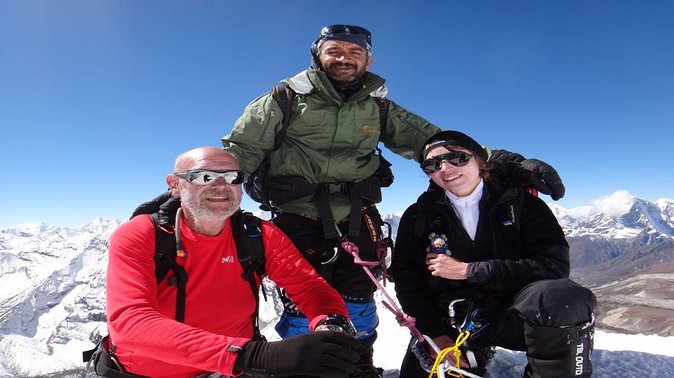
If you’ve dreamed about Everest, you probably imagine a single, dramatic moment: a perfect view. This route gives you that—often—but it also builds toward it in layers. You spend days walking through changing vegetation, crossing into the higher Khumbu region, and gradually tightening the circle around the highest peaks. By the time you reach the Everest Base Camp area, the mountain doesn’t feel like a distant headline anymore. It feels like a place you’re approaching step by step.
A smart thing here is that the experience isn’t just “go higher, suffer more.” The schedule includes acclimatization pauses where you climb a bit higher in the daytime and then return lower to rest. That helps your body adjust and it also makes the trek more enjoyable because you’re less likely to feel wiped out too early.
You can also read our reviews of more tours and experiences in Kathmandu.
Kathmandu start: landing, settling in, and getting oriented
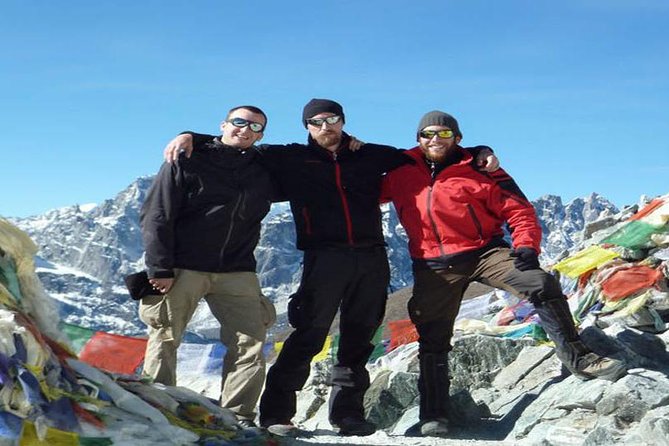
Your trip begins in Kathmandu with an airport transfer into the city, time to shower, eat, and reset. There’s also an early evening plan so you’re not left wondering where to go first. This matters because Kathmandu can be a sensory overload the first night—traffic, noise, and the sheer number of tour operators. Getting your bearings fast pays off later when you’re packing for a remote mountain route.
Day two adds a very practical culture warm-up: Swayambhunath (one of the oldest Buddhist stupa sites in the Kathmandu valley). You get panoramic views, monkey spotting, and a chance to see how Buddhism shows up in daily life. It’s not just sightseeing; it also sets you up for what you’ll see later in the Khumbu—monasteries, prayer flags, and the Sherpa region’s religious heart.
Then there’s the real pre-trek utility: you’ll have time to prepare your gear and packing in a relaxed way, including shopping in Thamel. Even if you’re already packed, you may find you need one last layer, a headlamp battery, or something small that makes long days easier.
A small reality check
Kathmandu meals aren’t included while you’re in the city, so budget for lunches and dinners there. On the plus side, you’ll have some free time to choose what fits your appetite before the trail takes over.
Lukla flight day: where the adventure turns real
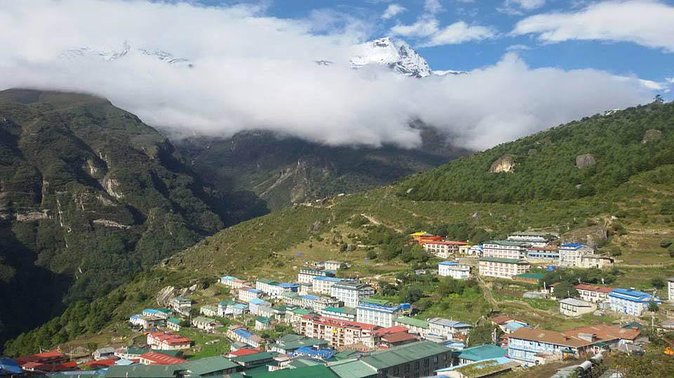
The trek kicks off with a flight from Kathmandu to Lukla (about 40 minutes). Even if you’ve flown before, this route has a way of sticking in your memory because you watch the terrain shrink into the classic Himalaya corridors.
Lukla sits around 2,800m, and the first trekking day trends toward Phakding (around 2,653m) with a fairly gentle start through villages and along the river. It’s short enough for most people to find their rhythm after landing. Porters carry luggage, which means you can focus on walking, breathing, and learning your pacing.
A practical tip: plan on being flexible. Mountain flights are weather dependent, and even a well-run trek can need adjustment if conditions aren’t ideal.
Day 4 into Namche: the first big altitude test
The route follows the river valley, then starts turning upward. You’ll reach Monjo for lunch, and the climb begins in earnest afterward. This is the first day where the trek starts to feel like the trek—not a walk in the park, but a real climb with rewards.
You’ll cross through areas tied to the Sagarmatha National Park and into the Dudh Kosi region, then continue to Jorsale before the steeper grind toward Namche. The payoff is early Everest visibility on clear stretches, and you also get a sense of entering a different world: the air feels thinner, the route gets more serious, and villages start to look built for mountain travelers.
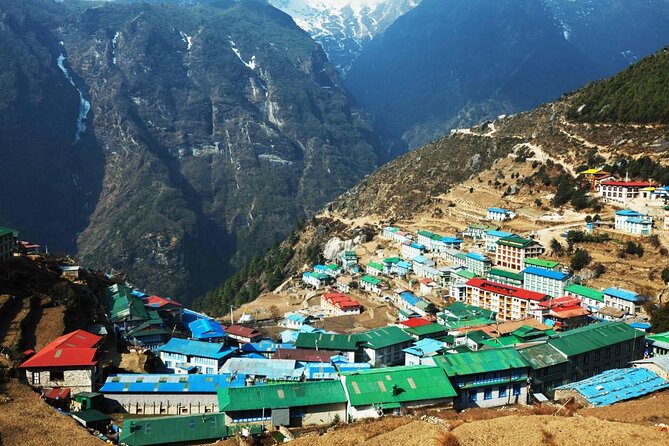
By the time you arrive in Namche Bazaar (about 3,440m), you’ll have time to rest, recover, and handle supplies. Namche is where the trail community becomes obvious—shops, guesthouses, and people trading stories of weather and views.
Acclimatization at Namche and Khumjung: smart breathing lessons
Staying two nights in the Namche area is one of the best value choices on this trek. Day five focuses on acclimatization with a walk up toward Khumjung (around 3,780m). I like this approach because it isn’t random. You’re gaining height gradually, and you’re doing it in a way that supports recovery afterward.
You also get real mountain context here. You’re not just walking; you’re learning the geography of the Khumbu region. That makes later viewpoints feel less like surprise and more like you’re reading a map with your feet.
Tengboche and the Sherpa heart of the trek
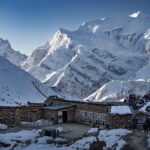
From the Namche area you move upward again and spend a night around Debuche / Tengboche region (about 3,750m). A major reason Tengboche matters is that it’s presented as the religious heart of the Sherpa area, and the monastery there is a key stop. You’ll have time to visit the monastery and learn about the culture and religion that shapes daily life.
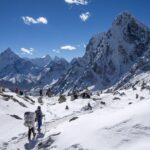
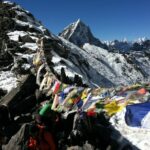
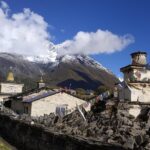
The trail day also brings more photo opportunities: Everest views when the weather cooperates, plus Ama Dablam glimpses on the route. What you feel here is that the terrain and the people are changing together. The walk becomes more seasonal, more windswept, and more focused on the high Khumbu villages where religion, hospitality, and trail work all blend.
Dingboche/Pangboche/Pheriche: altitude barrier days that actually prepare you
At Pangboche / higher settlement areas, the trek starts to shift into the high-altitude rhythm. You’ll trek through forests and stone features, including a well-known bridge section in the region, then continue toward Pheriche (around 4,240m). This is where warm layers start to matter more than you think they will.
Day seven pushes higher toward around 4,000m marks, and day eight adds a second acclimatization night in the Pheriche area. I think that’s a big deal because the trek gradually climbs into thin-air territory. Your body needs a day where you gain elevation during the day and then return to rest at a comparable high altitude.
This section also includes a very “real mountain” feeling: fewer trees, more exposure, and wind. The good news is that these days make later high points feel more achievable because you’ve practiced coping with the conditions.
Lobuche area and the approach to Everest Base Camp
As you keep rising, you reach the Lobuche area (around 4,930m) and add a memorial-style stop at Chukpilhara, where stone monuments honor climbers and Sherpas. This is one of those moments that doesn’t feel like a tourist photo stop. It’s quiet and sobering, and it gives you context for what the mountains take.
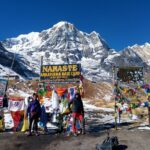
Then comes the big swing: day ten brings you to Gorak Shep (about 5,160m) and then onward to Everest Base Camp. In peak climbing season (the itinerary mentions May), the base camp area can feel busier and more active, which can make the whole place look alive rather than still.
You’ll rest and refuel, then descend back to Gorak Shep for an early night. That early night matters because the next day is the trek’s toughest “reward day.”
Kala Pattar at 5,545m: the viewpoint day you’ll remember
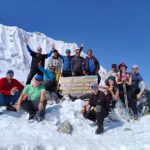
The highest point of the trek is Kala Pattar at about 5,545m. You’ll start early (around 5am) and climb in the cold dark, then reach the top when conditions and light line up.
This is the moment where the mountain visuals usually click. You have the chance for wide views of Everest and nearby giants, and you get time up top for photos and just staring. People often expect this to feel like a quick stop. Here, it’s built as time on the summit before heading back down for lunch.
Then you descend back toward Pheriche for another night. That descent is long enough to matter, but the altitude is also already teaching you to move more carefully.
The long descent: Tengboche, Namche, Lukla, and that last sense of relief
After Kala Pattar, the trail feels easier in a way that surprises you. It’s still walking uphill some days, but generally it’s a downward trend. Day twelve returns you toward Tengboche, then you continue descending through Namche with time to shop again if you want.
There’s also a nice practical touch on the way back: you’ll have time to retrace the trail while the altitude effects ease. That means fewer headaches and less feeling like every step is a battle.
In Lukla, you’re given time to wander the village before the final flight back to Kathmandu. The itinerary even points out amenities like a Starbucks in town—nothing wrong with irony when you’re done with thin air.
Kathmandu wrap-up: Boudhanath and a celebratory dinner
Back in Kathmandu, you’ll visit Boudhanath Stupa, described as the largest Buddhist stupa and a world heritage site. The stop is short on purpose—enough time to soak in the religious atmosphere and Nepali culture without rushing you into another jam-packed day.
Then there’s a group dinner in the evening to mark the trek’s end. After 10+ days focused on trekking and timing, it’s a good decompression moment.
Finally, you return to the airport with enough time to keep the last day stress-light.
What’s included (and why that can be real value on a trek)
This package isn’t trying to be “cheap.” It’s trying to be complete. Here’s what you get that tends to matter on Everest itineraries:
- Accommodation on the trek and meals on the trail: breakfast (17), plus lunch and dinner (noted as 12 each)
- A flexible eating style where you can choose food and tea while on trek (the exact menu changes with teahouse norms)
- Flights included: Kathmandu to Lukla and return via Manthali (spelled that way in the info)
- Permits and cards included: national park permits, Pasang Lhamu Municipality fee, and TIMS card
- Private transportation in Kathmandu, including airport arrivals/departures and sightseeing
- Guide and porter support, including wages, accommodation, food, and insurance
- A small but important practical item: medical supplies (first aid kit)
When you add all that up, the price starts to look less like a single number and more like a pile of logistics solved for you. The trekking itself is the star, but the behind-the-scenes parts—permits, guide scheduling, domestic taxes, flight routing, and getting you transported in Kathmandu—can turn a “dream trip” into a smooth one.
Food, comfort, and daily rhythm on the trail
A trek like this runs on routine: start earlier when it’s cold, trek for several hours, then stop for meals and rest. Since meals on trek are included with flexibility in choice, you spend less time negotiating and more time focusing on what you’re doing—walking and adjusting.
Comfort is also handled through the structure: porters carry luggage, guides manage pacing, and acclimatization days reduce the risk of pushing too hard too fast. You’ll still feel cold at altitude, and you’ll still have strong walking days. But you shouldn’t have to invent your entire plan from scratch.
One note: personal expenses like bar bills, bottled water, laundry, and phone calls aren’t included, so you’ll want some cash on hand for small trail comforts.
Fitness level: what moderate really means here
The guidance says moderate physical fitness. That’s a smart way to describe this trek because it’s not listed as a technical climb with rope work. Still, it’s demanding because altitude and long days do the hard work for the mountain.
This trek includes steeper segments like the approach to Namche, higher windy areas near Pheriche/Lobuche, and summit day effort for Kala Pattar. If you train your legs, practice hiking at an easy-to-moderate pace, and stay consistent, you’re giving yourself a strong shot at enjoying the trip rather than just surviving it.
Should you book this Everest Base Camp trek?
I’d book it if you want an end-to-end guided experience where the big moving parts are handled: Lukla flights, permits, a guide-and-porter team, and enough acclimatization to make the high days more humane. I also like that it balances mountain intensity with Kathmandu culture stops like Swayambhunath and Boudhanath, so you’re not only living in your sleeping bag.
I’d think twice if you’re sensitive to altitude or if you dislike cold, wind, early starts, and long hiking days. This trek can’t promise perfect weather, and the itinerary still puts you at very high elevations for real time.
If you want a classic Everest Base Camp journey with strong logistical support and thoughtful pacing, this one looks like a solid choice.
FAQ
What time does the tour start?
The meeting time is 10:15 am.
Is pickup offered in Kathmandu?
Yes, pickup is offered.
How long is the Everest Base Camp trek?
It’s listed as 17 days (approx.).
Where does the trek start and end?
It starts in Kathmandu and returns to Kathmandu at the end of the trip.
Are flights included in the price?
Yes. Flights to Lukla and return to Manthali for clients are included, along with flights to Lukla and return to Manthali for the guide.
Are trekking permits and TIMS card included?
Yes. National park permits, Pasang Lhamu Municipality fee, and the TIMS card are included.
Is accommodation included on the trek?
Yes, accommodation while on trek is included.
Are meals included?
Yes for the trek: breakfast (17), lunch (12), and dinner (12). Lunch and dinner while in Kathmandu are not included.
Do I need my own insurance?
Yes. Your insurance is not included (but guide and porter insurance is included).
Are tips included for guides and porters?
No, tips for guides and porters are not included.
Is cancellation free?
Free cancellation is offered up to 24 hours in advance for a full refund.
Is this a private tour?
Yes. It’s private, and only your group participates.