REVIEW · POKHARA
2 Days Australian Camp Trek from Pokhara
Book on Viator →Operated by Welcome Nepal Treks P.ltd · Bookable on Viator
Your time is short, but your view doesn’t have to be. This 2-day Australian Camp trek from Pokhara takes you up toward the Annapurna range for classic mountain drama in a tight schedule. You’ll walk through forest paths, pass Sherpa-area villages, and get that morning payoff with sunrise over the peaks.
What I like most is how efficient the plan feels. You start with a drive, then hike just long enough to earn big Annapurna views without turning it into a suffer-fest. I also really appreciate the way the trip is handled end-to-end: hotel pickup, guided trail support, and a real overnight at a tea house so you’re not juggling logistics.
One thing to think about: this hike is listed for moderate fitness. If you get winded easily on uphill forest trails, plan for slower pacing and bring layers for early starts.
In This Review
- 5 key highlights to know before you go
- Why Australian Camp is perfect for a 2-day Annapurna taste
- Day 1 drive to Kande, then the climb to Australian Camp (2100m)
- Tea house lodge night: comfort that keeps you on the mountain schedule
- Day 2 sunrise views, then down to Phedi via Dhampus village
- The Annapurna view list you can actually plan around
- Guides and porters: how the trip stays easy to manage
- Price and value: what $256.42 covers on a two-day trek
- Logistics that matter: timing, transport, and your effort level
- What to pack for a comfy 2-day camp trek
- Who should book this trek from Pokhara
- The one booking question to ask yourself
- Should you book the 2 Days Australian Camp Trek from Pokhara?
- FAQ
- What time does the trek start?
- Is pickup from a hotel in Pokhara included?
- Where do you stay overnight?
- Are meals included for the two trekking days?
- How long is the hike on Day 1?
- What mountain views can I expect from Australian Camp?
- How much luggage can the porter carry?
- Can I cancel for a full refund?
5 key highlights to know before you go
- Short hike, strong payoff: Day 1 is about 1.5 to 2 hours from Kande to Australian Camp (2100m).
- Sunrise mountain views: Day 2 starts with a morning hike-from-your-lodge rhythm designed around peak viewing.
- A guided cultural trail: You’ll move through scenic local villages and traditional routes, not just straight up-and-down.
- Tea house overnight: You sleep in a mountain tea house lodge and include meals during the trek.
- Small group size: Maximum of 16 travelers, so it feels more human than cattle-cart trekking.
Why Australian Camp is perfect for a 2-day Annapurna taste
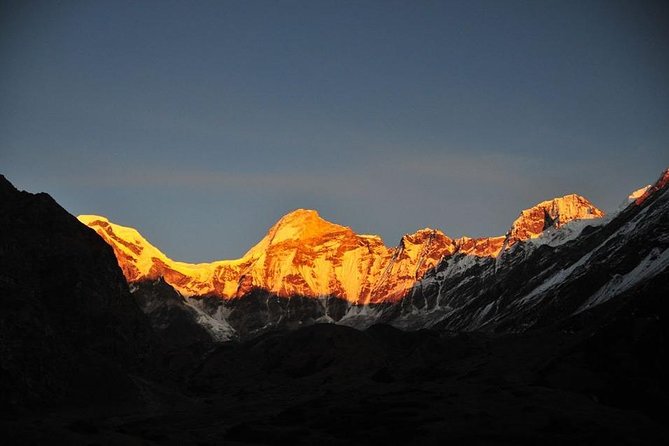
Australian Camp is built for exactly this kind of trip: you want the Annapurna sightlines, but you don’t want to spend a week chasing permits, long bus rides, and 6-hour hiking days. In two days, you get the core ingredients—uphill effort, a mountain base-camp viewpoint, then a downhill loop back toward Pokhara.
I also like that the route includes classic Pokhara-area building blocks: a drive from town through Sarangkot/Phedi terrain, a steady hike into the forest zone, then a descent route that passes through Dhampus village. It means you’re not stuck doing “one viewpoint and done.” You’re moving through real places.
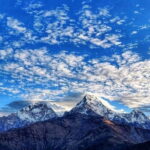
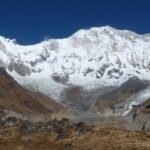
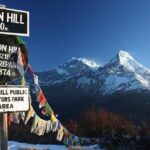
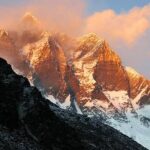
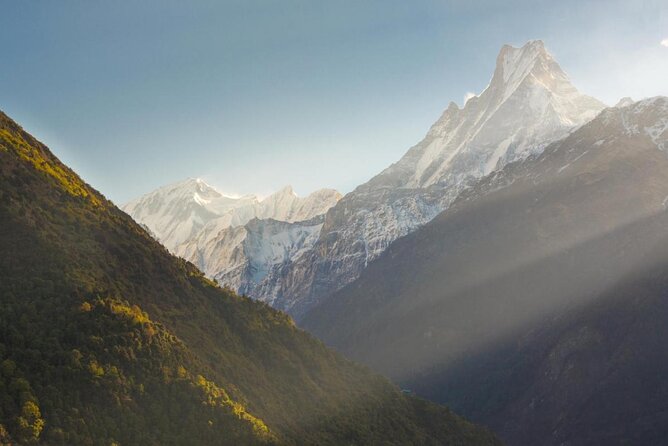
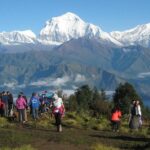
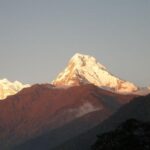
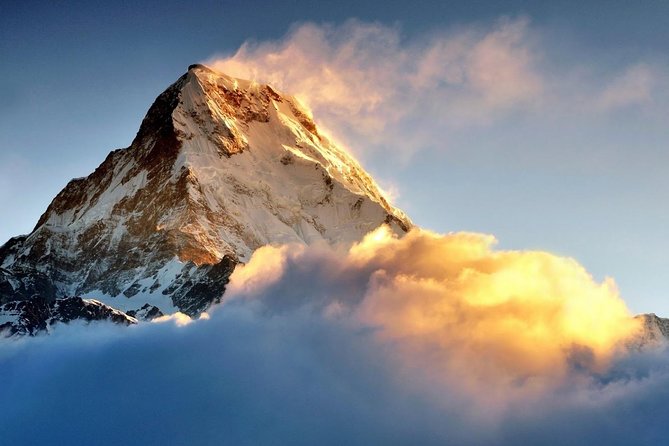
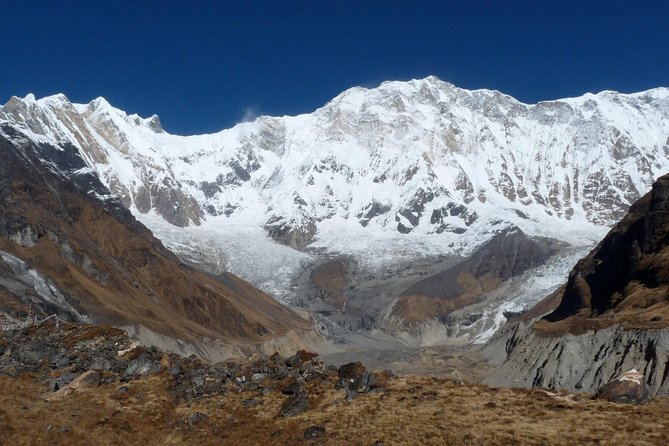
And the views aren’t vague. From this camp area, the itinerary specifically calls out Annapurna South, Machhapuchhre (Fishtail), Lamjung Himal, plus Annapurna II and IV, and Hiuchuli. Even if clouds play games, you still have multiple angles you can catch as you go.
You can also read our reviews of more tours and experiences in Pokhara.
Day 1 drive to Kande, then the climb to Australian Camp (2100m)
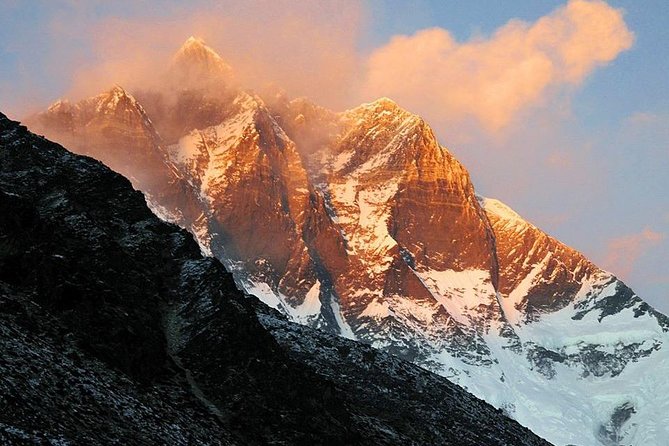
Your day starts after breakfast in Pokhara, then you’re picked up and driven to Kande via Sarangkot/Phedi. The transfer is about 1.25 hours, which is long enough to feel like you left the city but short enough that the trek still feels like the main event.
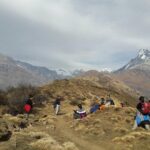
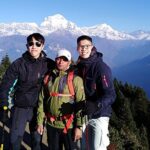
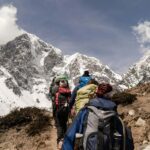
Once you reach Kande, the hiking begins uphill through forestry. The walk is roughly 1.5 to 2 hours, aiming for Australian Camp at 2100m. This is the kind of ascent that rewards steady pacing. It’s not described as a technical climb, but it is a real uphill walk, so slow and consistent wins.
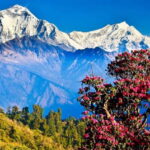
As you climb, the route is set up for frequent viewpoint moments. The plan highlights sightlines toward Machhapuchhre (Fishtail), Annapurna South, Annapurna II and IV, Lamjung Himal, and Hiuchuli. In other words, you’re not waiting until the top to start seeing the drama.
There’s also an optional-style element built into the itinerary: an excursion to Pothana village is mentioned as part of the day. If you’re curious about village life around the Annapurna foothills, this is the sort of stop that turns a camp hike into a story you can actually retell.
Tea house lodge night: comfort that keeps you on the mountain schedule
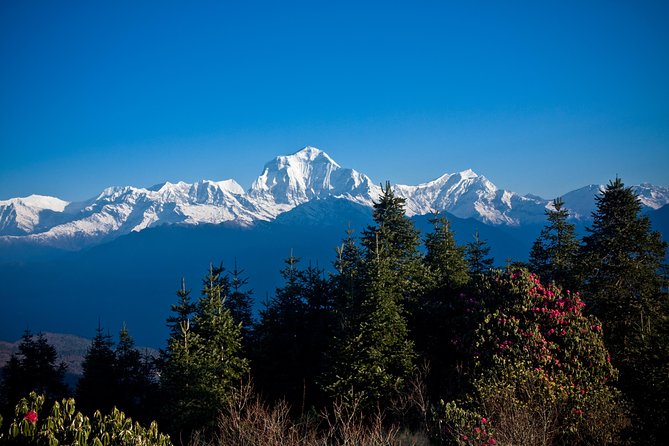
Overnight is at a tea house lodge in the mountains. That matters more than it sounds. When you sleep close to your viewing area, you’re better positioned for sunrise without spending your whole night chasing transportation.
Meals are included for the trek days, with breakfast, lunch, and dinner covered. That helps you travel lighter, and it also keeps the schedule from falling apart if you get tired at the wrong moment.
This is also where the trip tends to feel calm. You’re not doing long-distance trekking with constant movement. Instead, you get time to settle in, watch the sky change, and decide whether you want to step outside again for mountain light.
A couple of the guide-style compliments in the feedback are the kind of thing that becomes obvious during the night too. One guide, Dahal Tanka, is specifically praised for being friendly and giving helpful context, which can make that tea house downtime feel like part of the experience rather than a pause button.
Day 2 sunrise views, then down to Phedi via Dhampus village
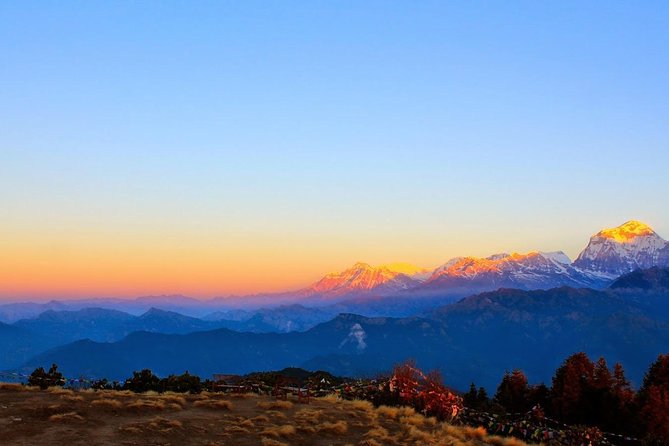
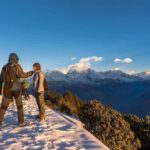
Day 2 is designed around early viewing. You wake up in time to see sunrise and take in the Himalayas view, then you have breakfast at the lodge. This is a smart use of your short trip: it’s easier to get the famous mountain light when you’re already there.
After breakfast, you hike downhill from Australian Camp to Phedi via Dhampus village. The itinerary is very clear that the trail is all the way down. That sounds simple, but descending is its own workout—your legs do the work, and your pace needs to stay controlled so you don’t feel rough later.
Once you reach Phedi, you jump into the drive back to Pokhara, and you’re transferred to your hotel. That end-to-end transport is part of the value here. With a two-day trip, you don’t want to spend half a day figuring out local rides.
Also, the return route is a nice contrast to the hike up. On the way down, you’re moving through lived-in village paths and watching the terrain shift, which is often more interesting than just repeating the same forest steps.
The Annapurna view list you can actually plan around
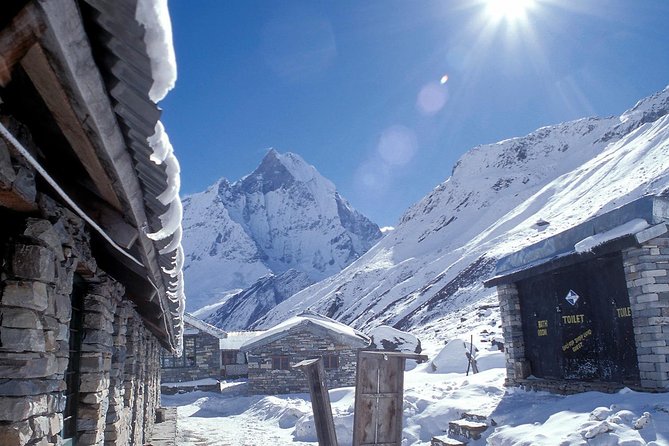
This trek is marketed around getting closer to the Annapurna area quickly, and the view list in the plan is detailed enough to guide your expectations.
From the Australian Camp area, you can look for:
- Machhapuchhre (Fishtail)
- Annapurna South
- Lamjung Himal
- Annapurna II and IV
- Hiuchuli
If you’ve never seen Fishtail in person, Machhapuchhre can be a shock the first time you spot it—so slim and distinctive that your brain just keeps trying to confirm it. The fact that the itinerary calls it out matters because it means the route is chosen for sightlines, not just convenience.
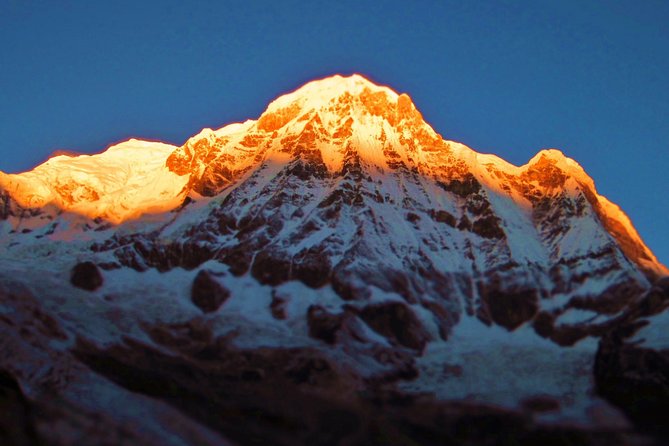
And the timing helps. One of the key reasons people love Australian Camp on short trips is the chance to catch sunrise and sunset-style views from the area, depending on conditions. Even when the weather changes quickly, you’re still in the right place to watch light shift across the peaks.
Guides and porters: how the trip stays easy to manage
The trip includes 1 trekking guide and 1 porter, with a maximum luggage allowance of 25kg per person. That’s a big practical advantage on a short trek. If you keep your own carry light, you’ll enjoy the climb more and spend less time thinking about gear.
You also get the behind-the-scenes paperwork handled. “Conservation entry permits” and necessary paper work are included, which is one less thing for you to manage when you’re only in Nepal for a short window.
In the feedback you can see how much difference the right guide makes. One person called out Dahal Tanka by name for being super friendly and helpful on the trail. Another set of notes thanked Sumeet and Hari, including praise for how well everything was organized. When guides are strong, the hike becomes more than a checklist—you start understanding what you’re walking through.
Group size is capped at 16 travelers. That’s not huge, and it makes pacing and navigation feel more manageable than big, mixed-speed groups.
Price and value: what $256.42 covers on a two-day trek
At $256.42 per person, this is the kind of price you should evaluate based on what’s included rather than what’s missing.
You’re getting:
- Hotel pickup in Pokhara and transfers to/from the trekking start and back
- Tea house lodge overnight
- Meals during the trek (breakfast, lunch, dinner)
- Guide and porter support
- Conservation entry permits and required paper work
- VAT included
- Digital mobile ticket and confirmation after booking
What you’re not getting:
- Personal expenses
- Tipping
So where’s the value? It’s in the friction removal. For a two-day trek, the costly parts are often transport coordination, permits, meals, and making sure someone carries the practical load. This package covers those moving pieces so you can focus on the trail and the views.
Could you do it cheaper on your own? Maybe. But you’d trade that savings for time spent arranging transport, finding a guide, and handling permits. If your biggest goal is mountain time in a short window, the price starts to look reasonable.
Logistics that matter: timing, transport, and your effort level
The meeting start time is 9:15am. From there, the day is structured around a morning departure from Pokhara, then hiking to the camp by mid-to-late day.
You’re told this activity is near public transportation, which can help if you’re arriving in Pokhara without a private transfer plan. Still, the included pickup is the easier route.
And yes, the physical demand is real. It’s listed for travelers with moderate fitness. That usually means: you should be comfortable walking uphill for 1.5 to 2 hours and then descending the next day. If you’re used to city walking but not hills, you’ll want to build confidence with shorter hikes before you go.
What to pack for a comfy 2-day camp trek
Because the itinerary is short, packing smart matters. You’ll want warm layers for early mornings, especially if you’re chasing sunrise timing.
Bring basics like:
- A light rain jacket (weather changes in the Himalaya zone)
- Layers you can remove while hiking uphill
- Comfortable trekking shoes with grip
- A headlamp or small flashlight for early lodge mornings
- Reusable water bottle
- Sunglasses and sunscreen
- Any personal meds you rely on
Try not to over-pack. With porter support (up to 25kg), you can keep your essentials with you and let the weight plan handle the rest.
Who should book this trek from Pokhara
This trek fits best if you:
- Want Annapurna views in two days
- Prefer tea house comfort over camping
- Like the idea of a guided route with meals and permits handled
- Can manage uphill walking for about 1.5 to 2 hours, then a full downhill day
It’s also a good option for people who are new to trekking and want a confidence-building taste of the Annapurna region without committing to a long trek.
If you’re a hardcore endurance trekker chasing maximum altitude gains, you might find the time short for your goals. But for most visitors—this is a clean, effective way to see the peaks and still sleep like a normal human.
The one booking question to ask yourself
Do you really want to spend more time traveling than trekking?
If your answer is no, this 2-day Australian Camp option makes sense. The itinerary focuses on a single camp objective, sunrise timing, and a guided descent that ends back in Pokhara the same day.
Just pick your comfort strategy: wear layers, move at a steady pace on the forest climb, and don’t rush the downhill. Those choices matter more than trying to be fast.
Should you book the 2 Days Australian Camp Trek from Pokhara?
I’d book it if your goal is a short, guided Annapurna-view trek with sunrise and a real overnight in the mountains. The best part is how neatly it handles the stuff that usually steals time: pickup, transport, meals, permits, and porter support.
I’d think twice if moderate fitness isn’t your strong suit. This is short, but it’s still an uphill hike and a full downhill day. If you’re prepared for that, you’ll likely love how efficient the experience feels.
FAQ
What time does the trek start?
The trek start time is 9:15am.
Is pickup from a hotel in Pokhara included?
Yes. Pickup from your hotel in Pokhara and transfer to the trekking starting point are included, and you’re also driven back to your hotel.
Where do you stay overnight?
You stay overnight at a tea house lodge in the mountains.
Are meals included for the two trekking days?
Yes. Breakfast, lunch, and dinner during the trek are included.
How long is the hike on Day 1?
Day 1 includes a hike from Kande up to Australian Camp that takes about 1.5 to 2 hours.
What mountain views can I expect from Australian Camp?
The itinerary highlights views of Annapurna South, Lamjung Himal, Machhapuchhre (Fishtail), Annapurna II and IV, and Hiuchuli.
How much luggage can the porter carry?
The porter is provided with a maximum luggage allowance of 25kg.
Can I cancel for a full refund?
You can cancel up to 24 hours in advance for a full refund. If you cancel less than 24 hours before the start time, the amount paid is not refunded.