REVIEW · KATHMANDU
Short Everest Base Camp Trek – 10 Days
Book on Viator →Operated by Breeze Adventure Pvt Ltd · Bookable on Viator
You trade weeks for Everest views. This 10-day short trek funnels you from Kathmandu into the Khumbu fast, with a dramatic Lukla landing, Sherpa monasteries, and an overnight at teahouses near Everest Base Camp. If you get a team like Kishwor’s (he’s been a standout host), and a guide such as Mr. Ngwang with porter Pemba, you’ll see how much the right people matter on a mountain route.
I love how the trip balances big moments with real trekking rhythm. You get that classic build-up from Namche Bazaar and its suspension bridges toward Tengboche Gompa, then onward to the glacier side trails where the altitude starts to feel serious.
One consideration: this is still high-altitude trekking, including the long push to 5,364 m for Everest Base Camp. If you’re prone to getting winded, the cold, the slower pace, and early starts like the Kalapathar morning will take mental discipline, not just fitness.
In This Review
- Key highlights to know before you go
- Price and what you actually get for $1,680
- Day 1: Kathmandu to Lukla, then downhill into Phakding
- Day 2: Dudh Kosi suspension bridges and the Namche arrival
- Day 3: Views build toward Tengboche Gompa
- Day 4: Pangboche to Dingboche, plus farmland realism at altitude
- Day 5: Ridge views, yak pastures, and the slow altitude lesson to Lobuche
- Day 6: Everest Base Camp day from Gorakshep, plus the teahouse reality
- Day 7: Kalapathar at 4 a.m., sunrise views, then a controlled descent
- Day 8: The long return day through Debuche and Pangboche to Tengboche
- Day 9: Namche back to Lukla, including the Hillary suspension bridge warning
- Day 10: Lukla to Kathmandu and a weather reality check
- Who this short Everest Base Camp trek fits best
- Packing and pacing tips that keep you comfortable (and safer)
- Should you book this Short Everest Base Camp Trek?
- FAQ
- How long is the Short Everest Base Camp trek?
- Does the price include flights?
- What’s the highest point on the trek?
- What kind of accommodation will I have?
- Are meals included?
- Do I get any trekking gear?
- Do I need a permit for trekking?
- Are showers or charging included?
- How fit do I need to be?
- What is the group size?
- What’s the cancellation policy?
Key highlights to know before you go
- Scenic Lukla flights are part of the package, including the flight to and from Lukla
- Sagarmatha National Park permit support on the trail, handled by your guide at checkpoints
- Tengboche Gompa and monastery culture with close-up views of major peaks in clear weather
- Altitude planning built into the route, including time spent around places like Dingboche and Lobuche
- Two big viewpoints: Everest Base Camp and Kalapathar, with a very early start for sunrise conditions
- Small group size (max 15 travelers) which usually means fewer headaches and easier flow on busy paths
Price and what you actually get for $1,680
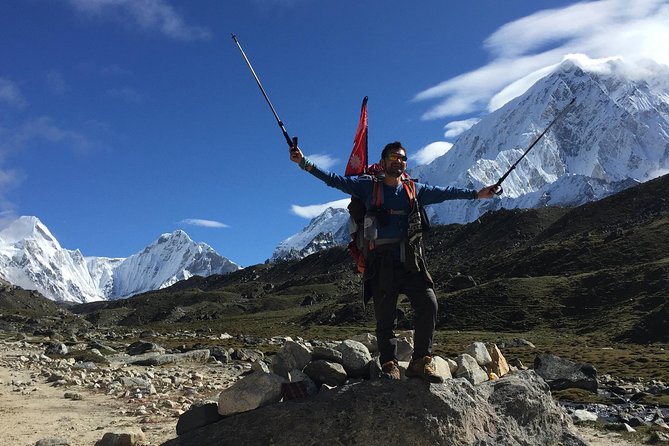
At $1,680 per person, this trek doesn’t feel like a budget tour, but it also isn’t inflated for the stuff that matters most on Everest routes: getting you to Lukla, guiding you through permits, and running the trek with meals and gear support.
Here’s the value angle you should care about: your biggest cost uncertainties on a Himalayan trek are logistics and downtime. This one builds the essentials in, including transportation for the trek and flights to and from Lukla, an experienced guide, and equipment like a sleeping bag and warm layers. That matters because on a route like this, buying or scrambling for gear at the last minute is how good plans turn into miserable ones.
You’ll also want to notice what isn’t included. International airfare is separate, and shower and electronic charging fees at guest houses cost extra during the trek. Tips for your guide and porter also aren’t included. So when you compare prices, compare the real apples-to-apples: flights, guide, meals, and gear.
You can also read our reviews of more tours and experiences in Kathmandu.
Day 1: Kathmandu to Lukla, then downhill into Phakding
The first wow factor is the domestic flight from Kathmandu to Lukla. It’s short and scenic, and Lukla’s landing is famous for good reason: it’s intense, and the view as you approach is the kind of thing you remember long after the trek starts. The tip in the plan is simple but smart—choose the left-side seat when you can for the best mountain views.
Once you land, the hiking starts with a descent on stone-paved steps. That’s not a minor detail. Early “easy downhill” days do two things for you: they get you moving without steep climbs, and they help you settle your legs before altitude becomes a bigger limiter.
You’ll trek toward Phakding through trails shaded by rhododendron trees, and in spring that route can look especially good. Even if the weather isn’t perfect, the day sets your baseline: breathe, walk steady, don’t treat it like a race.
Day 2: Dudh Kosi suspension bridges and the Namche arrival
The second day is where the route starts feeling like the classic Khumbu experience. You hike from Phakding toward Namche Bazaar, and along the way you’ll cross high suspension bridges over the Dudh Kosi River—and yes, you cross multiple times.
These bridges aren’t just scenic. They also test your comfort level with exposure and wind. If heights bother you, take it slow, keep your eyes on the trail, and don’t rush your footing.
Namche is also when the paperwork step shows up. Your guide helps you collect the Sagarmatha National Park trekking permit at checkpoints on the route. This is one of those details that can ruin a day if you handle it wrong, so it’s reassuring that your guide is built into that process.
You pass through small villages like Tok-Tok, Monjo, and Jorsale, with Jorsale as a common stopping point. The day ends with you climbing into a town that feels like a hub—less remote, more alive.
Day 3: Views build toward Tengboche Gompa
Tengboche is one of the places where the culture and the scenery really lock together.
After breakfast near Namche, the trail gives you moments to breathe and look. The route includes sightings of major peaks—Everest appears first, with Lhotse and Ama Dablam also in the mix when conditions cooperate. You also see smaller landmarks like stupas and roadside donation moments, which add that Sherpa spiritual texture without turning the trek into a museum stop.
The walking pattern matters today: you get flat stretches, then a drop toward a river. Lunch often happens around the river area, and you cross on a suspension bridge. In Everest country, the rhythm is frequently descend-then-ascend, so don’t let a flat section trick you into thinking the day is over.
Before you reach Tengboche, there’s a permit checkpoint where your papers get verified. It’s not dramatic, but it is part of why organized guiding is worth the price. When you arrive at Tengboche, you’re not just tired—you’re ready to appreciate the gompa setting.
Day 4: Pangboche to Dingboche, plus farmland realism at altitude
From Tengboche you continue toward Dingboche, passing through Pangboche and then through smaller settlements like Somare and Orsho.
This day is a good example of why the “short” version still works. You’re moving through villages, but the hiking alternates between scenery and gentle walking rather than constant steep grinding. That makes it more manageable when you start feeling the thin air.
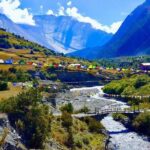
Dingboche is where the landscape changes in a practical way. You’ll notice potato and barley cultivation, which helps you remember you’re not walking through an empty mountain fantasy. People farm, trade, and live in this altitude zone using the seasons and the limited growing windows they have.
Still, take Dingboche seriously. Even if today doesn’t feel brutal, it’s part of the altitude curve that makes tomorrow’s glacier-side walking tougher.
Day 5: Ridge views, yak pastures, and the slow altitude lesson to Lobuche
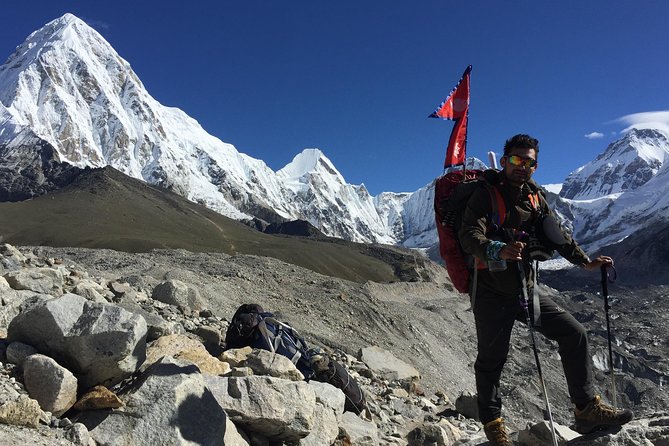
The trek from Dingboche to Lobuche is where you start learning the biggest rule of this kind of route: go slow on purpose.
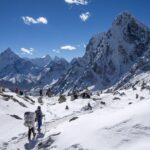
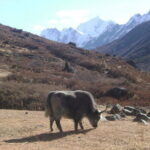
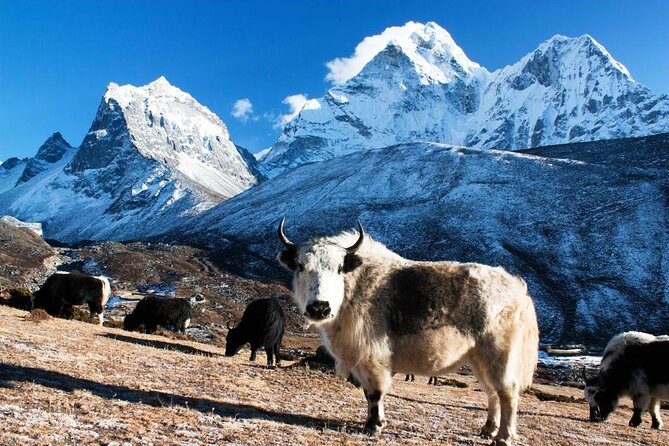
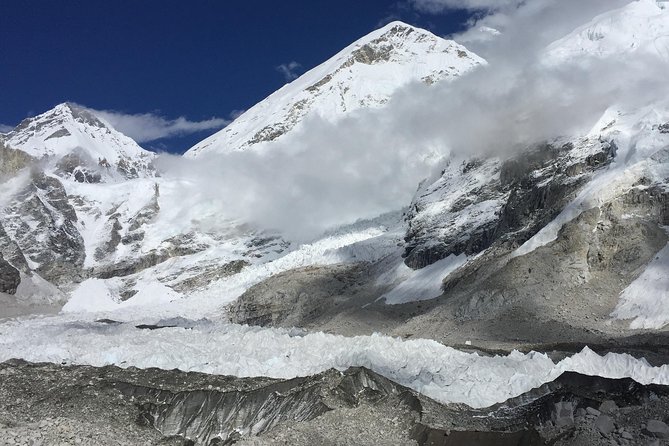
You’ll walk up toward a ridge with close-up views of peaks such as Tawache and Cholatse. From there, you continue through yak pastures in Thukla (around 4,620 m) and then the trail climbs more steeply toward the terminal moraine of the Khumbu glacier.
Two practical notes from the plan matter here:
- You’re above 4,000 meters now, so move slowly.
- Drink plenty of water and get lower if you notice altitude sickness signs.
You don’t have to panic at altitude, but you do need discipline. Many people expect toughness to come from grit alone. On this route, it comes from timing your pace, staying hydrated, and respecting your body when it warns you.
Day 6: Everest Base Camp day from Gorakshep, plus the teahouse reality
This is the headline day. From Lobuche, you head toward Gorakshep, and the walking starts easier before it tightens up as you get closer to the Base Camp area.
At Gorakshep, teahouses provide your overnight stay. Check in, eat, and settle your gear before you do the Base Camp walk. That matters because the Base Camp push isn’t just a scenic hike—it’s a long day where you’ll want your energy conserved for the final walk.
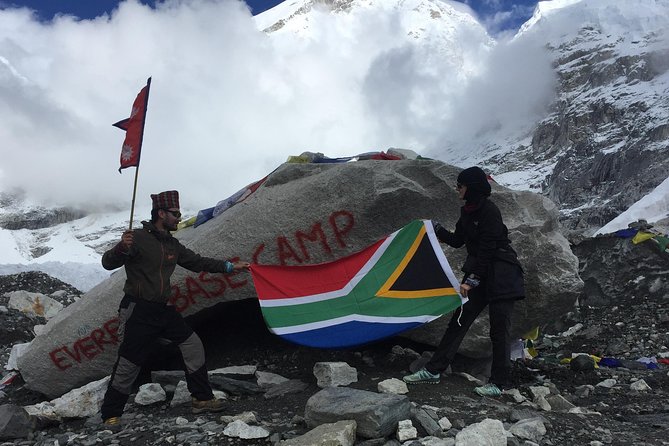
Then comes the moment: reaching Everest Base Camp at 5,364 m. It’s described as a dream destination for trekkers, and that matches what you should expect—an emotional peak, not just a geographic one. The base camp area also has its own bustle: climbers from many places are preparing for ascents, so the atmosphere can feel busy even though the environment is brutally high.
The practical takeaway: when you reach Base Camp, take your photos quickly, soak in the views, then get back down. Celebrating at 5,364 m feels good, but spending too long can turn the finish into a struggle.
Day 7: Kalapathar at 4 a.m., sunrise views, then a controlled descent
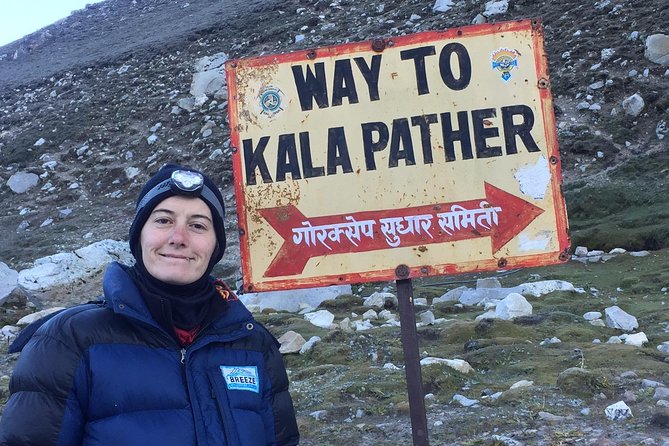
This day is built around Kalapathar, which is the best viewpoint for Everest in this short window. The route starts extremely early, about 4 a.m., and the hike to Kalapathar is described as difficult—an uphill climb on an icy trail.
That early start is for sunrise conditions. If the sky is clear, you’re in for a 360-degree view of the Everest massif. If it’s cloudy or windy, you’ll still get that high-altitude sense of scale, but don’t count on perfect visibility.
This is also the day where trekking discipline really pays off. When conditions are icy, balance is everything. Keep steps short, let your trekking poles do their job, and don’t rush because other people are moving fast.
After you finish at Kalapathar, you return to Gorakshep, pick up luggage, and trek down toward Pheriche. Pheriche is described as surrounded by rocky hills and offering teahouses and guest houses, which gives you a “we made it” evening without pretending the trek is over.
Day 8: The long return day through Debuche and Pangboche to Tengboche
You’re heading back now, but day 8 is still a full day. Starting from Pheriche, you trek toward Debuche, then to Pangboche, where many trekkers stop for lunch.
Pangboche isn’t just a meal stop. It’s a reminder that the route is part living community and part trekking corridor. After lunch, you keep walking and face another uphill segment before reaching Tengboche again.
From Tengboche, the trail becomes more of a rhythm game: continuous downhill, a river crossing, then another ascent before you reach more level walking. This pattern can feel easier than the morning climbs, but it still requires control, especially with tired legs.
Finally, you reach Namche, which is a mental checkpoint. You’re back near the earlier hub, and the route feels familiar even though it’s tiring.
Day 9: Namche back to Lukla, including the Hillary suspension bridge warning
The final trekking day toward Lukla includes the famous return feel: long hours, but easier walking compared with the glacier-side segments.
From Namche you descend, crossing the famous Hillary suspension bridge as you head back. The plan specifically warns about a real safety issue: some people run on the way back from the base camp, and that increases the risk of injury. So don’t copy the fast walkers. If you’re tempted to speed up, remember: most accidents happen on the way back when fatigue and overconfidence collide.
You hike gradually alongside other trekkers and take lunch at Tok Tok. Then you continue until you reach Lukla. Once you’re back there, you can slow down in a way you can’t do on the high trail.
Lukla also offers simple comfort items like shops, bakeries, and places to buy small gifts. It’s not luxury, but it’s a good way to celebrate without turning the final day into chaos.
Day 10: Lukla to Kathmandu and a weather reality check
Your last day is travel time, not trekking. If weather is good, you fly back to Kathmandu via the scheduled flight. If the weather isn’t cooperating, flight delays can happen, and that’s part of high-mountain aviation.
In plain terms: don’t schedule a tight same-day connection after Kathmandu unless you have buffer time. Your body will already be tired, so the last thing you need is stress layered on top of fatigue.
Who this short Everest Base Camp trek fits best
This trip is designed for people with moderate physical fitness. You don’t need to be an ultra-marathoner, but you do need to be realistic about altitude and long days.
I’d especially recommend it if you:
- Want Everest Base Camp without committing to several weeks
- Enjoy villages, tea house evenings, and cultural stops like Tengboche Gompa
- Prefer a guided structure where permits and logistics aren’t something you manage alone
- Like the idea of both Base Camp and a major viewpoint morning at Kalapathar
This also suits you if you work well in a group setting. The group size can be up to 15 travelers, which tends to keep the trekking flow sane on narrow paths and in teahouse common areas.
What you should bring to the table mentally: patience. The trek repeatedly asks you to slow down. That advice is not just for comfort. It helps reduce risk when your body is adjusting to high elevation.
Packing and pacing tips that keep you comfortable (and safer)
Even though gear support includes a sleeping bag and warm layers, you should still plan like weather can turn. Keep layers that you can add or strip quickly as you move between sunny walking and icy mornings.
On pacing, follow the trip’s own logic:
- Walk slow, especially after you’re well above 4,000 m
- Drink water consistently (altitude makes dehydration sneaky)
- Use trekking poles if you have them, especially on icy trail segments
- Do not run on descents. Save your energy for safe steps, not speed
If you get a guide like Kishwor or Mr. Ngwang, use their guidance early. The best time to ask questions is before you’re tired, not during the hardest stretch.
Should you book this Short Everest Base Camp Trek?
If your goal is Everest Base Camp in a realistic time frame, this trek is a strong match. The big strengths are practical: Lukla flights included, permit support, guided pacing, and a route that still delivers the headline moments—Everest Base Camp at 5,364 m plus the Kalapathar sunrise viewpoint—without swallowing your whole year.
I’d tell you to reconsider only if you know altitude hits you hard, you hate early mornings (the Kalapathar start is about 4 a.m.), or you’re not comfortable with lots of uphill effort mixed with icy footing. Otherwise, book with confidence and focus on slow steps and clear expectations. The Himalaya rewards that approach.
FAQ
How long is the Short Everest Base Camp trek?
It’s listed as about 10 days.
Does the price include flights?
Yes. Flights to and from Lukla are included, along with transportation for the trek.
What’s the highest point on the trek?
The tour highlights reaching Everest Base Camp at 5,364 meters (17,598 feet). It also includes a trek up to Kalapathar for views, but only Everest Base Camp’s elevation is explicitly stated.
What kind of accommodation will I have?
You’ll stay in teahouses along the route. On the Everest Base Camp day, you also overnight at teahouses near Gorakshep.
Are meals included?
Yes. The package includes breakfast (10), lunch (9), and dinner (9).
Do I get any trekking gear?
Yes. The tour includes equipment such as a sleeping bag and warm layers, along with other mentioned items.
Do I need a permit for trekking?
You’ll need a Sagarmatha National Park trekking permit, and your guide helps you collect it at checkpoints on the trail.
Are showers or charging included?
No. Shower and electronic charging fees at guest houses during the trek are not included.
How fit do I need to be?
The tour states a moderate physical fitness level is required.
What is the group size?
The experience has a maximum of 15 travelers.
What’s the cancellation policy?
You can cancel up to 24 hours in advance for a full refund. If you cancel less than 24 hours before the start, the amount you paid is not refunded.