REVIEW · KATHMANDU
Annapurna Base Camp Trek- 11 Days
Book on Viator →Operated by Alpine Club of Himalaya · Bookable on Viator
Annapurna rewards steady legs and patient skies. This 11-day Annapurna Base Camp trek strings together big mountain views and Nepal village life, with airport pickup and a guided route designed for comfort and clarity. You’ll also spend time in Kathmandu and Pokhara before the hiking really starts.
What I like most is the practical support: 2 trekkers share 1 porter and the trek meals are handled (including tea/coffee). The possible drawback is altitude and long walking days, especially as you push up toward Annapurna Base Camp near 4,130m.
In This Review
- Key points I think you’ll care about
- Entering the Annapurna Base Camp trek: where this plan shines
- Kathmandu arrival: the welcome dinner and the first mountain look
- Kathmandu to Pokhara by flight: saving energy for Day 2
- Ghandruk to Chhomrong: classic village walking with real rhythm
- Bamboo and Deurali: when the uphill gets serious
- Deurali to Annapurna Base Camp via Machhapuchhre Base Camp
- The long return: Bamboo, Jhinu Danda, and Naya Pul
- Flying back to Kathmandu: finish strong, not fried
- Price and value: is $999 really covering the heavy stuff?
- Comfort on the trail: teahouses, meals, and the pace you can handle
- The guide and team factor: names you might hear
- Weather and altitude: the one reality you shouldn’t ignore
- Should you book this Annapurna Base Camp trek?
- FAQ
- How long is the Annapurna Base Camp trek?
- What cities are included besides the trek?
- Are airport pickups and drops included?
- Do you fly between Kathmandu and Pokhara?
- What kind of lodging is provided during the trek?
- What meals are included?
- Do you provide a guide and porters?
- How high does the trek go?
- What cultural areas do you pass through?
- What isn’t included in the price?
- Is free cancellation available?
Key points I think you’ll care about
- Private door-to-door transfers in Kathmandu, with flight connections to Pokhara
- Teahouse nights on the trail instead of camping or complicated logistics
- All trek meals included, plus tea/coffee with breaks
- Cultural threading through Gurung, Magar, and Thakali villages
- Licensed, English-speaking guide paired with porter service (2 trekkers: 1 porter)
- Route routing via Machhapuchhre Base Camp on the way to Annapurna Base Camp
Entering the Annapurna Base Camp trek: where this plan shines
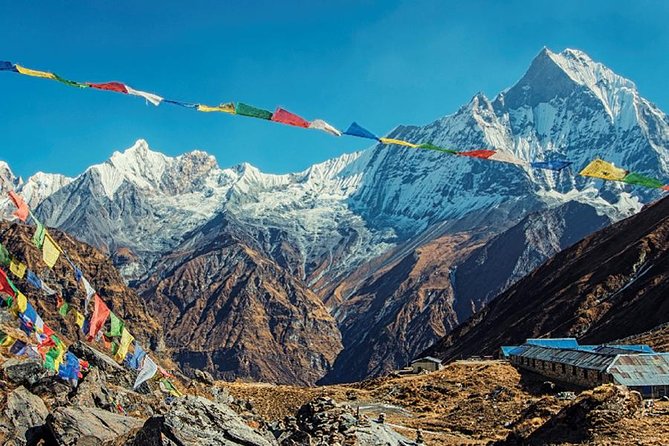
Annapurna Base Camp is the kind of goal that sounds simple until you’re actually climbing through it. This trip keeps the big picture easy: you’ll move from Kathmandu to Pokhara, then walk your way up through classic villages, then turn around and return by the end.
I like that the structure is built around reducing decision fatigue. You get a local guide, teahouse-style lodging during the trek, meals taken care of, and set travel legs between cities. That means you spend your energy where it matters: walking, acclimating, and taking in views.
You can also read our reviews of more tours and experiences in Kathmandu.
Kathmandu arrival: the welcome dinner and the first mountain look
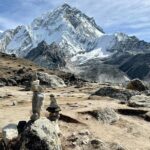
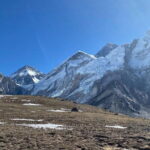
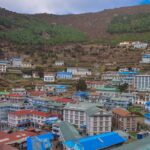
Day 1 is all about getting you settled without stress. You’re picked up from the airport in a private vehicle and welcomed by a representative from Alpine Club of Himalaya. Even before you start hiking, Kathmandu gives you that first sense of place: you’re greeted with views of the Himalayas as you approach the city.
That evening includes a welcome dinner with authentic Nepalese cuisine. It’s a small thing, but it helps your first night feel like part of the trip rather than a random hotel stop.
If you arrive late or want an easy evening, this is also a good setup because you’re not left juggling transportation or finding food on your own. The meeting point for the experience is at Alpine Club of Himalaya in Kathmandu, and the tour ends back there.
Kathmandu to Pokhara by flight: saving energy for Day 2
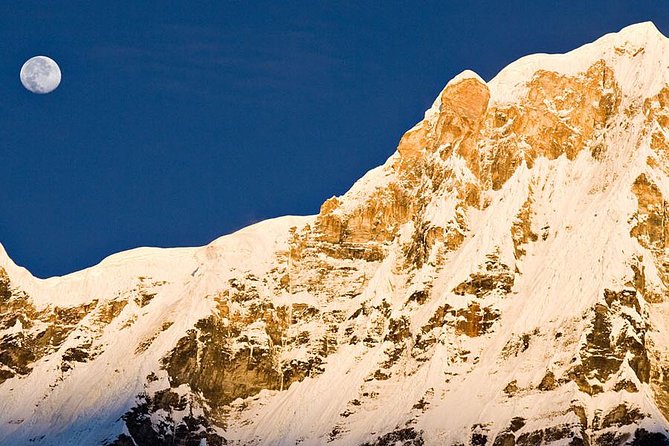
On Day 2, you fly to Pokhara for a quick repositioning move. The flight is short (about 30 minutes), then you transition immediately into trekking—walking from Pokhara’s side up toward Ghandruk.
This is a smart use of time. Instead of burning a full day on slow ground travel, you start earning altitude the moment you arrive in the trekking region. Then you spend about 5–6 hours trekking from the lower elevation around 823m up to roughly 1,940m at Ghandruk.
Ghandruk to Chhomrong: classic village walking with real rhythm
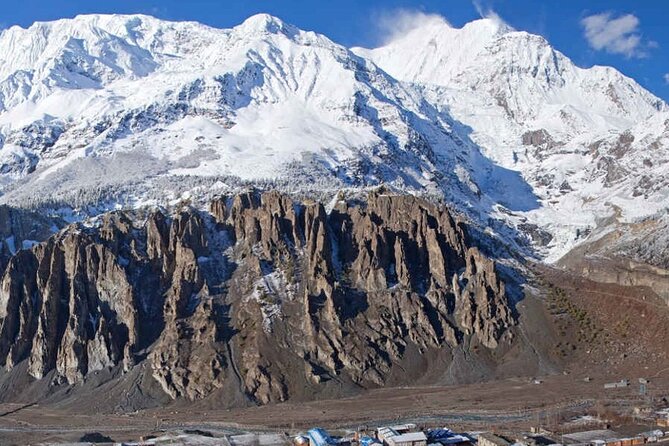
Day 3 is the next step up, trekking from Ghandruk to Chhomrong. It’s another 5–6 hour day, climbing to about 2,170m.
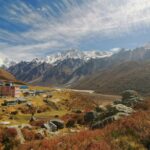
Chhomrong is one of those places where the route starts to feel clearly Himalayan. You’re not just walking through scenery—you’re moving through a string of communities that shape daily life here, and the trip’s cultural focus shows up in the way villages are integrated along the way. You’ll pass through areas tied to Gurung, Magar, and Thakali communities as you go.
Practical note: the hikes are measured in hours, not miles. On this trek, the pace matters as much as the distance. If you go too fast early, later days near higher elevations will feel tougher than you planned.
Bamboo and Deurali: when the uphill gets serious
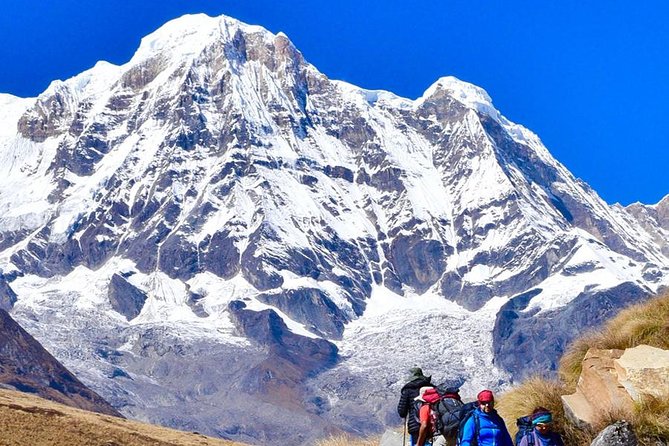
Days 4 and 5 are where the trek leans into steady work. You’ll head from Chhomrong to Bamboo (around 2310m), then from Bamboo to Deurali (up near 3,230m).
Day 4 is listed as about 4–5 hours. Day 5 is shorter on paper (about 3–4 hours), but the altitude gain is bigger, and your legs will notice. These are the days that decide how you’ll feel later on the route to Annapurna Base Camp.
Teahouses keep things simple during this stretch. You’ll sleep in basic guesthouses (the standard tea house style), and you’ll get meals included as part of the package. That matters because it reduces the hassle of finding food and planning where you’ll eat after each day’s walk.
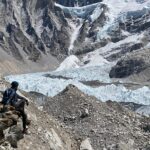
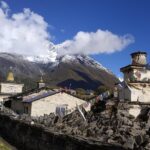
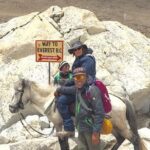
Deurali to Annapurna Base Camp via Machhapuchhre Base Camp
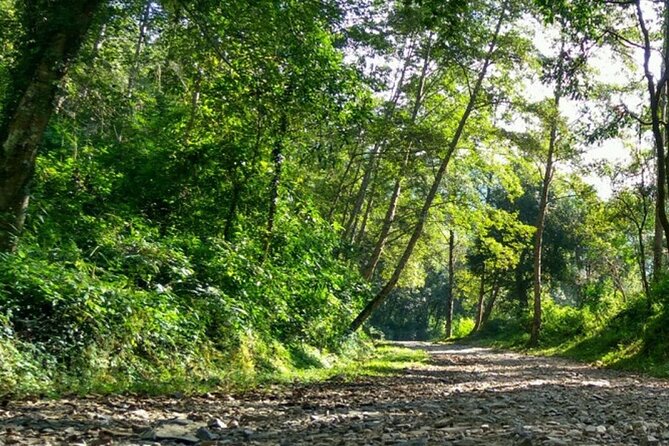
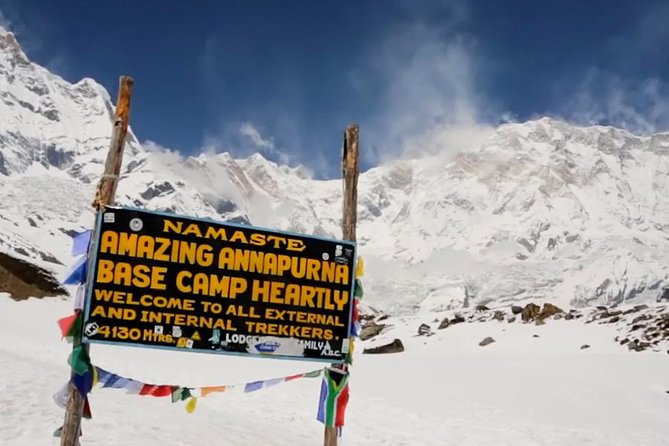
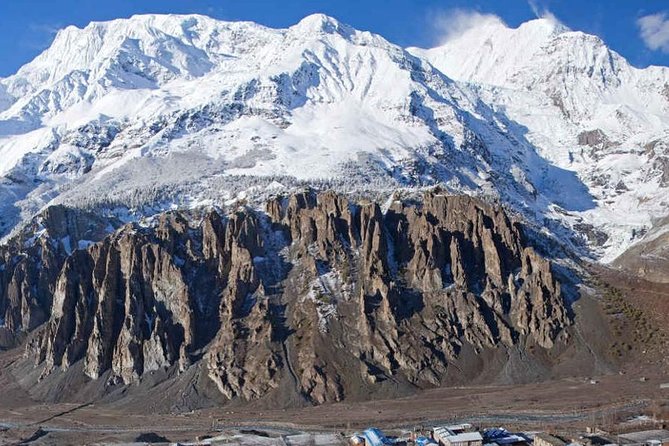
Day 6 is the signature day: Deurali to Annapurna Base Camp, about 5–6 hours total, via Machhapuchhre Base Camp (around 3,700m). You end the day at roughly 4,130m.
This section is where the trek earns its reputation. The walking effort increases, and the air gets thinner. Plan to move steadily rather than sprinting for big photo stops. The higher you go, the more your body cares about pace.
Two practical wins make this day feel more manageable:
- You have an experienced, English-speaking, government-licensed guide who can keep the route moving at a sensible tempo.
- Porter service is built in (2 trekkers: 1 porter), so you’re not shouldering everything on your back while altitude is already asking for extra patience.
If the sky is clear, Annapurna Base Camp is the kind of moment that makes the earlier climbs feel worth it. If weather is rough, you still get the goal, but you may move more cautiously and wait more often for safe conditions.
The long return: Bamboo, Jhinu Danda, and Naya Pul
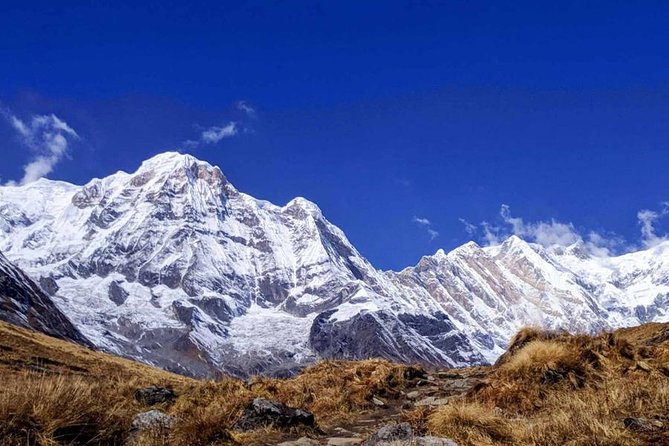
After hitting the base camp goal, the return is not just a stroll. Day 7 goes from Annapurna Base Camp back to Bamboo and is listed at about 7–8 hours. Long downhill stretches can still burn your knees and hips, so take it slow and keep steps controlled.
Day 8 brings you down toward Jhinu Danda (about 1,760m), taking around 5–6 hours. Then Day 9 is a mix: trek to Naya Pul (around 6 hours) and then a drive to Pokhara (about 1 hour).
This is one of the trip’s smarter logistical choices. You’re not trekking back down all the way until the very end without a break. You get a short driving leg to reset for the flight day that follows.
Flying back to Kathmandu: finish strong, not fried
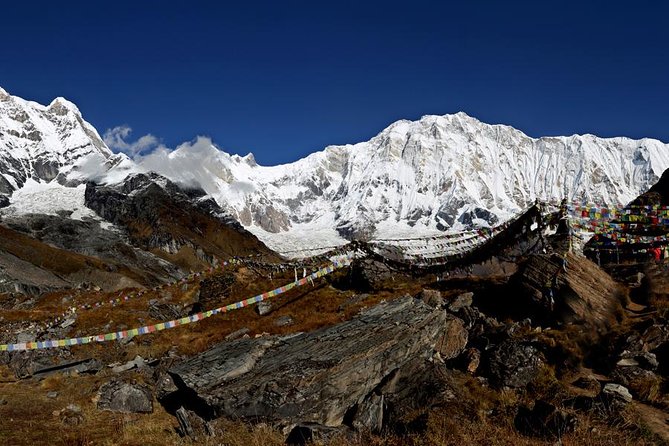
Day 10 returns you to Kathmandu by flight, and Day 11 is the final departure. You end back at the meeting point in Kathmandu, which keeps the end of the trip clean.
This matters because Annapurna Base Camp can be physically draining. Having the final transport lined up prevents that last-day scramble where you’re tired, dehydrated, and still trying to confirm pickup details.
Price and value: is $999 really covering the heavy stuff?
The price is $999 per person for this 11-day experience. On its own, that’s a fair question, so here’s what you’re actually getting based on what’s included.
You’re covered for:
- Two nights in Kathmandu and one night in Pokhara (with breakfast)
- Teahouse accommodation during the trek
- All trek meals (breakfast, lunch, and dinner), plus tea/coffee
- Airport pickups and drops by private vehicle
- Flights Kathmandu ⇄ Pokhara
- Pokhara ⇄ Nayapul by private vehicle
- A government-licensed English-speaking guide
- Porter service (2 trekkers: 1 porter)
- Local and government taxes
When you look at it that way, you’re not paying only for guiding. You’re paying for a bundled system: transport, lodging, and food during the time you’d otherwise be spending hours sorting details. For many travelers, that value shows up more on Day 1 and Day 2 than it does on Day 8.
One thing to budget for: Nepalese visa fees, international airfare to and from Kathmandu, and travel and rescue insurance are not included. Tips aren’t included either.
Comfort on the trail: teahouses, meals, and the pace you can handle
Teahouse trekking is simple, but it’s not a spa vacation. You should expect basic mountain lodging and a routine built around walking, eating, resting, and doing it again.
Still, the package does a lot right. Trek meals are included, and you get breakfast, lunch, and dinner on the trail. You’ll also have tea/coffee with meals and during breaks, so you’re not stuck paying for every drink while you’re trying to hydrate.
That meal coverage is a big deal at higher elevations. Appetite can change, and you want to know food and timing won’t become a daily puzzle. The guide and porters also help keep the trek moving so your energy goes into the walking, not endless logistical problem-solving.
The guide and team factor: names you might hear
The trip includes an experienced, English-speaking and government-licensed guide, plus a porter team. In the feedback from past trekkers, names like Tsiring show up as a guide people appreciated for patient, helpful support. Another name that appears in coordination is Sujan, noted for keeping things organized so the trekking days feel on time and low-stress.
Even when guides vary, the value you’re buying is consistency: communication, responsiveness to needs during the trek, and help when tea houses are busy in peak seasons. One recurring theme in feedback is that the team works hard to manage small issues like room availability rather than just shrugging.
Weather and altitude: the one reality you shouldn’t ignore
Altitude is the headline here. You’re not just “in the mountains.” Your route climbs to Annapurna Base Camp at about 4,130m, and you pass Machhapuchhre Base Camp at about 3,700m.
That means you should expect your body to work harder. If you’re prone to getting winded or headachy at altitude, slow pacing is your friend. The guide is there to keep your plan realistic.
Also, Nepal weather can create delays. Heavy rain and landslides can affect travel lanes, which can impact how smoothly transfers run. The trek itself is still the main event, but it’s smart to hold some flexibility in mind, especially during wetter seasons.
Should you book this Annapurna Base Camp trek?
You should book if you want:
- A structured 11-day plan with Kathmandu and Pokhara included
- Teahouse trekking without complicated planning for meals and lodging
- A licensed English-speaking guide and porter support
- A route that includes cultural village time along the way to Annapurna Base Camp
Skip it (or look closely) if:
- You’re not comfortable with long walking days and the altitude climb toward 4,130m
- You prefer to manage logistics yourself from start to finish (because this is designed to do that for you)
Overall, this is the kind of trek that makes the hard parts feel more manageable because the core systems—transport, lodging, meals, and guided routing—are handled for you.
FAQ
How long is the Annapurna Base Camp trek?
The experience runs for about 11 days, including time in Kathmandu and Pokhara plus the trekking days to Annapurna Base Camp and back.
What cities are included besides the trek?
You’ll spend time in Kathmandu and Pokhara, with 2 nights in Kathmandu and 1 night in Pokhara.
Are airport pickups and drops included?
Yes. The package includes airport pickups and drops in a private vehicle.
Do you fly between Kathmandu and Pokhara?
Yes. Kathmandu to Pokhara and Pokhara back to Kathmandu are included by flight.
What kind of lodging is provided during the trek?
During the trek, you stay in teahouses. The package also includes accommodation with breakfast in Kathmandu and Pokhara.
What meals are included?
All meals during the trek are included: breakfast, lunch, and dinner. You also get coffee and/or tea, and there is a welcome dinner on arrival (and a farewell dinner is also included).
Do you provide a guide and porters?
Yes. You get an experienced, English-speaking, government-licensed guide. Porter service is included at a ratio of 2 trekkers to 1 porter.
How high does the trek go?
The route lists Annapurna Base Camp at about 4,130m, and Machhapuchhre Base Camp at about 3,700m.
What cultural areas do you pass through?
As you trek, you visit Gurung, Magar, and Thakali villages.
What isn’t included in the price?
Not included: Nepalese visa fee, international airfare to and from Kathmandu, excess baggage charges, lunch and dinner in Kathmandu and/or Pokhara, extra nights if your schedule changes, travel and rescue insurance, and tips for guide(s), porter(s), and driver(s).
Is free cancellation available?
Yes. You can cancel up to 24 hours in advance for a full refund. If you cancel less than 24 hours before the start time, the amount paid is not refunded.