REVIEW · KATHMANDU
Annapurna Base Camp Trek 12 Days
Book on Viator →Operated by Nepal Nirvana Trails · Bookable on Viator
A trek to Annapurna Base Camp is a mix of early mornings, steep breath, and huge rewards—especially when Poon Hill is on the route. This 12-day package is interesting because the logistics are handled end-to-end: transfers, permits, a mapped route, and an experienced guide team working like they know every turn ahead of time.
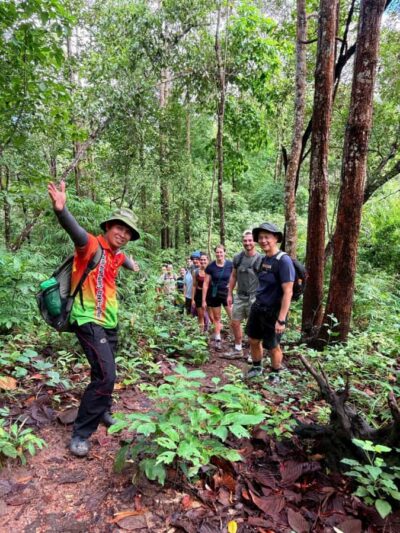
What I love most is the human side of it. The guides at Nepal Nirvana Trails (people like Prajil and Bhairas Tamang) are described as genuinely caring—keeping a good pace, checking in if you’re tired, and helping you enjoy tea time along the way with snacks and practical support.
My main consideration for you is that the trek runs on mountain time. You’ll be hiking in chilly dawn conditions and planning for clean-weather views—like sunrise at Annapurna Base Camp or Poon Hill—so cloud cover can change the payoff.
In This Review
- Key highlights you should care about
- From Tribhuvan Airport to the trail: getting set up right
- Kathmandu to Pokhara to Nayapul: the quiet work behind a smooth trek
- Poon Hill sunrise and the step-by-step into Annapurna country
- Tadapani to Chhomrong, then Sinuwa: the days that build your endurance
- Deurali, Bamboo, and the long-awaited push toward basecamp
- Annapurna Base Camp at dawn: weather is part of the deal
- The return: from Sinuwa to Chhomrong to Siwai, then Pokhara
- Kathmandu wrap-up: goodbye dinner and the last airport drop
- Price and value: is $800 a fair deal for 12 days?
- Who this trek suits best (and who should think twice)
- Final verdict: should you book Nepal Nirvana Trails for Annapurna Base Camp?
- FAQ
- Where does the tour start and how early is the day typically?
- How long is the Annapurna Base Camp trek?
- What’s included in the price?
- What meals are covered during the trek?
- Are permits included?
- Do you need a porter?
- What transportation is included from Kathmandu to Pokhara and back?
- What should you budget for outside the tour price?
- Is the trek private?
- Is there free cancellation?
Key highlights you should care about
- Route know-how from mapped planning so you’re not guessing your way through the Annapurna Base Camp trek
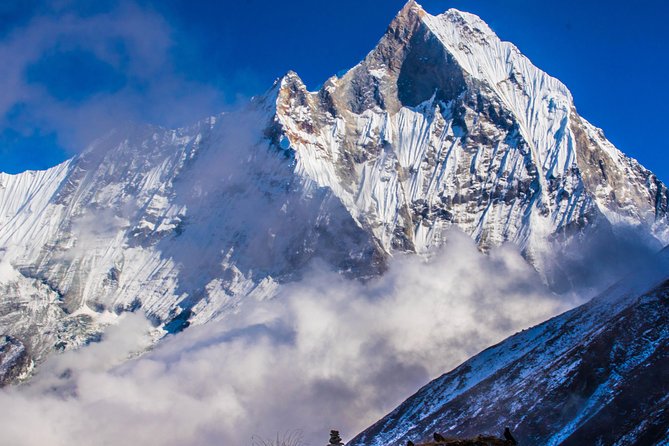
- Sunrise moments built in at Poon Hill and (if weather cooperates) Annapurna Base Camp
- Guides who adjust to your pace with help if someone gets tired on the trail
- Meals and tea/coffee included on the trek to keep energy stable during long hiking days
- Water purification included with drop/tablets, plus a trekking map for orientation
From Tribhuvan Airport to the trail: getting set up right
Your trip starts in Kathmandu, with the team meeting you at Tribhuvan International Airport on your arrival day. From there, you’ll be escorted to your hotel so you can rest and do the practical pre-trek stuff—light packing, double-checking gear, and getting your head ready for the early starts to come.
Why this matters: Annapurna Base Camp isn’t a “sleep in and stroll” kind of trek. Having a calm arrival day in Kathmandu helps you show up to the hiking phase with your focus intact, not scattered.
On the next morning, the start is early. Your guide meets you around 6:30 am, then you’ll walk to Sorakhutte tourist bus station to catch a bus leaving Kathmandu at 7:00 am. You drive to Malekhu, then keep moving toward the Pokhara side of the route.
Later, you’ll hit Pokhara for breakfast. Then the guide arranges a car/taxi to the bus park, and you take a sharing local bus/jeep toward the trekking starting point, reaching Nayapul after about 1.5 hours.
A small “how it feels” detail: the early schedule can feel fast on day two, but it’s also a good setup. You’re not wasting daylight, and you’re building momentum toward the mountains.
You can also read our reviews of more tours and experiences in Kathmandu.
Kathmandu to Pokhara to Nayapul: the quiet work behind a smooth trek
This package is built around the idea that travel days should be handled, not improvised. You get:
- Airport transfer services on arrival and departure
- Ground transportation Kathmandu → Pokhara → Kathmandu by tourist bus
- Private vehicle service for Pokhara to the trek start point and back from the trek ending point to Pokhara
That mix matters because it balances cost and comfort. You’re not stuck in a single cramped vehicle the entire way, and you still get the structure of a group plan.
One thing to keep in mind: the route uses both tourist bus legs and local sharing transport. That means you should expect typical road-travel bumps and timing that follows local reality—not a perfectly controlled itinerary bus like you’d see in some cities.
Still, the payoff is a trek start you can actually enjoy. When you reach Nayapul, you’ll be ready to transition from city logistics to trail rhythm.
Poon Hill sunrise and the step-by-step into Annapurna country
Your first true mountain days have a strong rhythm: gradual warming up, then big sunrise payoff. On your early trekking mornings, the route is designed around views, not just altitude.
You’ll start one fresh morning with local sounds—donkey, goat, hen, and dog—right as you’re waking up. It’s such a real touch. Then you’re rewarded with sunrise views while breakfast is waiting, which is exactly what you want on a trek: food paired with scenery.
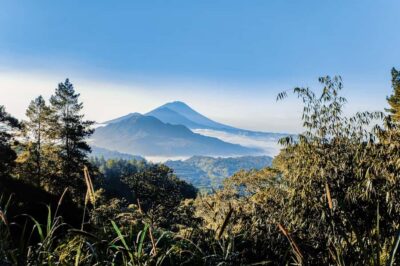
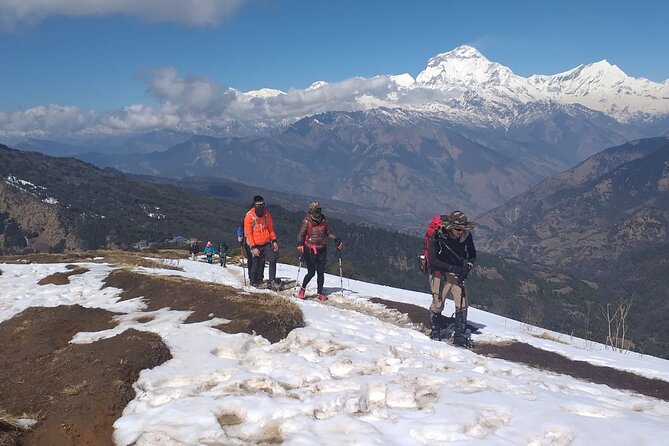
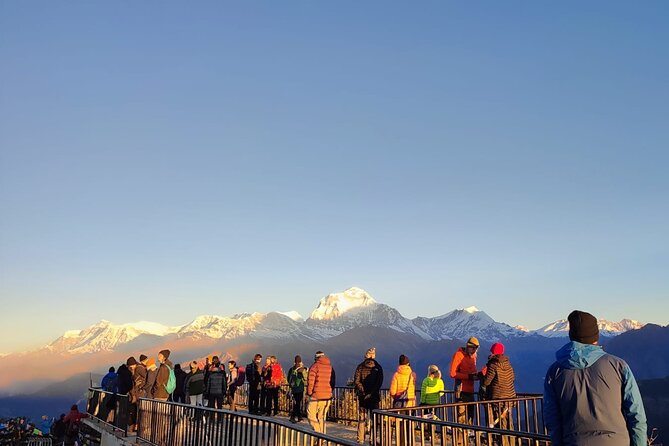
From there, you head toward Poon Hill for sunrise. This hike is short but purposeful—about 45 minutes to 1 hour—and it’s timed so you can reach the viewpoint before the light show begins. You’re hiking from the Ghorepani area to the viewpoint, and the promise here is serious: you can count up to 18 Himalayan peaks in the view when conditions align.
Practical note for you: this part is chilly. The route description calls out that you’ll be waking up early on a chilly morning, so pack for cold dawn temperatures and expect you’ll spend time outside waiting for sunrise.
Then you shift from sunrise energy to trail living. You’ll move downhill toward Sinuwa, saying goodbye to Tadapani along the way. This stretch is described as downhill and enjoyable, and it sets you up for a steady, less punishing day while you absorb the valley views.
Tadapani to Chhomrong, then Sinuwa: the days that build your endurance
This trek has the kind of pacing that’s smart for first-timers and seasoned hikers alike. After the downhill to Sinuwa, you’ll pass through Chhomrong (a stop where you arrive and continue the route the next day). Chhomrong is important because it feels like a hinge point in the journey: you’re moving from early trail sections into deeper basecamp territory.
Sinuwa itself is a key moment. It’s described as a tiny village with views of Modi Khola and Chhomrong Khola, and the sunrise there is also part of the experience. You’ll start the day with morning views after breakfast, then begin your ascent toward Deurali.
This is where the trek starts to feel more “serious.” The climb toward Bamboo is described as taking about one and a half hours, and the next stretch brings you closer to Deurali. Even if you’re not pushing hard, you’ll be stacking elevation day by day.
Why Sinuwa matters: it gives you a place to reset. After sunrise viewpoints and downhill hiking, it’s a calm base before the climb continues.
Deurali, Bamboo, and the long-awaited push toward basecamp
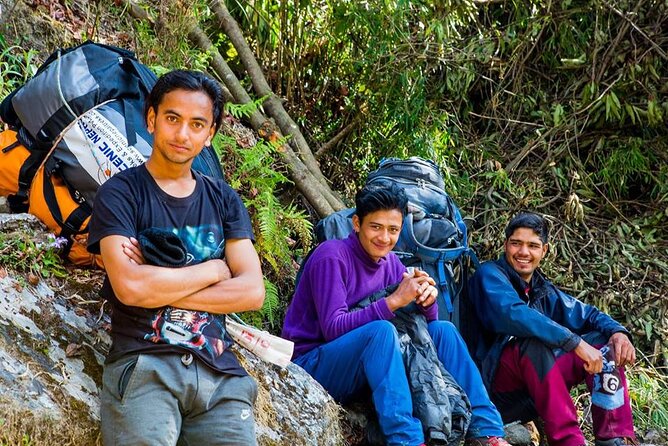
As you move forward, you’ll connect multiple famous names into one route: Bamboo, Deurali, and then the final destination, Annapurna Base Camp.
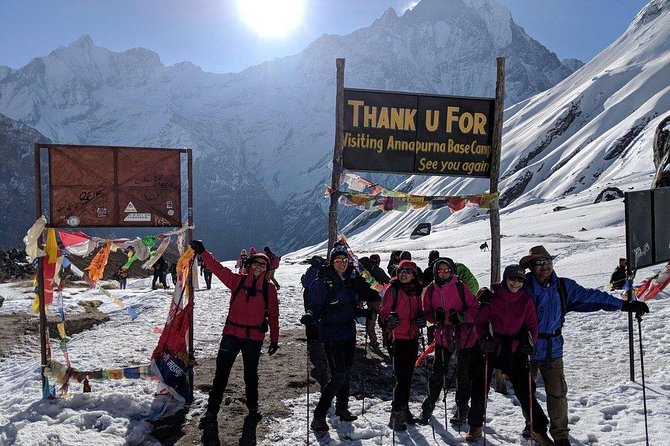
On the day you go to basecamp, you’re described as trekking into the mountains where the scenery is enticing—then you’ll move toward Annapurna Base Camp after passing through Machhapuchhre Base Camp.
That pass-through detail is useful for you because it explains why the day feels scenic as well as strenuous. It’s not just the final goal; it’s the journey between landmarks.
Also, plan your mindset for this stretch. Basecamp days are often the days where you realize you’re capable of more than you thought—especially if your guide keeps you at a pace that feels steady instead of frantic.
Here’s what stands out from the guide stories you’ve got: multiple reviews highlight guides like Bhairas Tamang and Prajil as people who maintain a pace that works for the group and slow down when someone needs it. That matters when you’re tired—not just physically, but mentally.
Annapurna Base Camp at dawn: weather is part of the deal
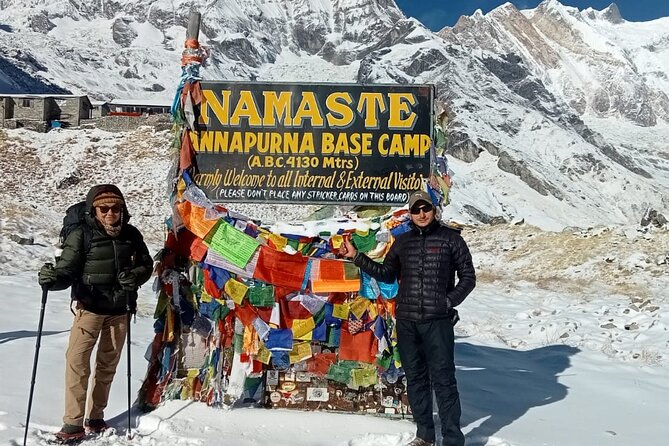
Reaching Annapurna Base Camp is the headline, but sunrise planning is the part you should understand before you go.
You’ll have a chance to watch dawn at basecamp if the weather is clean and clear. Then you return toward Sinuwa on rugged trails and sparsely forested areas, passing high hills covered in vegetation (the trail description emphasizes the variety of terrain rather than a flat walk).
The basecamp day experience usually has two different phases for your body:
- The “arrival and taking it in” phase
- The “going back down and still staying focused” phase
Don’t underestimate the second one. Even when you’re descending, you’ll still be working—finding footing, keeping your energy, and making sure you don’t rush your steps.
This is where your support system helps. The package includes meals on the trek (breakfast/lunch/dinner) and tea/coffee, which keeps energy more consistent than trekking on snacks alone.
And you’ll have help with water. A water purification drop/tablets is included, so you can manage hydration more confidently during the hike.
The return: from Sinuwa to Chhomrong to Siwai, then Pokhara
The final hiking section is shorter than the full push to basecamp, but it still has character. The day after basecamp, you trek back and the route continues to use recognizable waypoints.
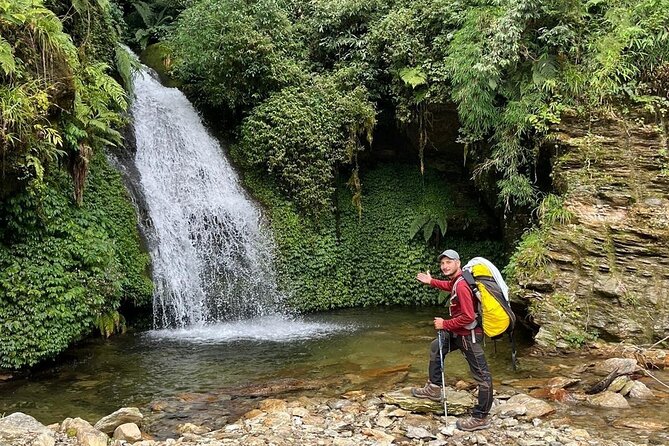
You’ll also hit the moment that brings the trek home: the final day includes a trek of about two hours to reach Siwai from Sinuwa, followed by an ascent to Chhomrong. That return leg is described as offering gorgeous vistas of mountains, cascades, and charming farmlands.
After that, you shift gears back to Pokhara. You wave goodbye to Pokhara’s lakeside city vibes and head back to Kathmandu the next day, with free time built in for relaxing or shopping.
This is a good place to plan your recovery:
- If you need to buy small trekking items (warm layers, basic toiletries), this is when you’ll be in a city again
- If you want souvenir time, it’s usually easier here than while you’re hiking
Kathmandu wrap-up: goodbye dinner and the last airport drop
When you return to Kathmandu, you’ll have time free to relax or go shopping. Then there’s a goodbye dinner in the evening to close the loop on the trip.
Your final day is straightforward: the trek ends, and your team will drop you at the airport for your next flight. If you’re flying out the same day, try to keep your packing simple the night before. Trek clothes can be a mix of dry-ish and damp-ish, depending on conditions.
Price and value: is $800 a fair deal for 12 days?
At $800 per person for an approximately 12-day Annapurna Base Camp trek, the key question is what you’re actually buying.
This package includes a lot that usually costs extra on many treks:
- 11-night accommodations
- An experienced guide
- Meals while trekking (breakfast/lunch/dinner) plus tea/coffee
- Trekking map
- Water purification drop/tablets
- Permits and fees, including ACAP, TIMS, and local permits
- Ground transportation Kathmandu ↔ Pokhara by tourist bus
- Private vehicle services for the trek start/end connections
- Official expenses and government tax/vat
- Airport transfer services on arrival and departure
What’s not included matters too:
- International flights and the Nepal entry visa
- Travel/health insurance for emergency rescue and evacuation
- Personal expenses like snacks, drinks (beer/juice/coke), and Wi‑Fi
- Lunch/dinner in Kathmandu and Pokhara
- A porter (only if you need one)
- Tips for your guide (expected)
So is it good value? For me, the biggest “yes” is that permits, guide, meals on the trek, and most key transport pieces are included. That reduces surprises and keeps your budget grounded.
If you already know you’ll want a porter, you should budget for that separately since it isn’t included by default.
Who this trek suits best (and who should think twice)
This experience is described as requiring moderate physical fitness. That’s a useful standard because Annapurna Base Camp isn’t just long—it’s also a mix of uphill pushes and cold mornings.
You’ll likely enjoy this tour if you want:
- A guided trek where pacing and safety get real attention
- Sunrise-focused days (Poon Hill and possibly basecamp dawn)
- Clear logistics from Kathmandu through Pokhara and back
You might want to think twice or prepare extra carefully if:
- You’re very sensitive to cold mornings and early wake-ups
- You strongly depend on perfect weather for the sunrise views (the itinerary includes sunrise options only if conditions are right)
- You need full support beyond a guide—like a porter—since porters aren’t included automatically
Final verdict: should you book Nepal Nirvana Trails for Annapurna Base Camp?
If you want an organized Annapurna Base Camp trek where the human support is part of the value, I’d say this is a solid choice. The strongest signals are the guides’ presence and the way the trek is run: people like Prajil and Bhairas Tamang are praised for pace, care, and making sure you’re okay when energy dips.
Book this if you:
- Want a structured route with permits and planning handled
- Like the idea of Poon Hill sunrise plus basecamp dawn opportunities
- Prefer a private group experience so the trek tempo is more controlled
Skip or plan carefully if you:
- Don’t do well with early starts and cold mornings
- Need to travel with medical coverage for emergency situations that this package doesn’t cover
FAQ
Where does the tour start and how early is the day typically?
You start in Kathmandu at Tribhuvan Airport (meeting point listed) and the tour includes very early trekking days. The guide meets around 6:30 am on trekking departure days, and the bus leaves Kathmandu at 7:00 am.
How long is the Annapurna Base Camp trek?
The duration is listed as 12 days (approx.).
What’s included in the price?
Included are airport transfers, ground transportation Kathmandu–Pokhara–Kathmandu by tourist bus, 11-night accommodations, an experienced guide, trekking meals (breakfast/lunch/dinner) and tea/coffee, a trekking map, water purification drop/tablets, permits/fees (including ACAP and TIMS), and key vehicle transfers between Pokhara and the trek start/end.
What meals are covered during the trek?
Meals while trekking include breakfast (11), lunch (8), and dinner (8), plus tea/coffee.
Are permits included?
Yes. The package states that permits and fees are included, including ACAP, TIMS, and local permits.
Do you need a porter?
A porter is not included. It’s listed as available if you need one.
What transportation is included from Kathmandu to Pokhara and back?
You’ll use a tourist bus for Kathmandu to Pokhara and back. There are also private vehicle services for Pokhara to the trek start point and from the trek ending point back to Pokhara.
What should you budget for outside the tour price?
Not included are international flights, Nepal entry visa, travel/health insurance for emergency rescues/evacuations, personal expenses during trekking (snacks and drinks), and lunch/dinner in Kathmandu and Pokhara. Tips for the guide are expected.
Is the trek private?
Yes. It’s listed as a private tour/activity, so only your group participates.
Is there free cancellation?
Yes. You can cancel for a full refund up to 24 hours in advance of the experience start time.