REVIEW · HANOI
Cao Bang Easy Trekking Tours 2Days/1Night Ban Gioc Waterfall ET1
Book on Viator →Operated by Vietnam Northern Travel · Bookable on Viator
Mountain scenery hits fast in Cao Bang. This 2D/1N trip pairs easy trekking with big UNESCO Geopark views—mountains, water, and ethnic villages—without the pressure of hard climbs.
What I like most is the sheer variety packed into two days, from Ngao Cave to the Ban Gioc border waterfall. You’ll also get a local guide who keeps the day moving at a human pace.
One thing to consider: the schedule starts with an overnight-style transfer from Hanoi and it’s listed as not including an air-conditioned vehicle, so plan for a more rugged travel feel and early mornings.
In This Review
- Key highlights before you go
- Cao Bang Global Geopark: why this “easy” trek feels special
- Hanoi to Cao Bang at night: plan for real travel time
- Khuoi Ki Stone’s Village homestay: the calm basecamp
- Day 1 trek: Ngao Cave, Tay stone houses, and stream-and-terrace walking
- Ngao Cave (Tiger Cave): the long-formed stone show
- Bong Son Tay village: ancient stone houses and village-life pauses
- Terraces, forest, and stream: the scenery break that saves the day
- Lunch at a local family
- Return to Khuoi Ki: a different way back
- Day 2 along the Quay Son River and up to Truc Lam Zen Monastery
- Trekking along Quay Son River: mountain-and-water walking with a border context
- Truc Lam Zen Monastery: climb for the panoramic view
- Ban Gioc Waterfall boat ride: the border you can feel
- Food and comfort: what $129 buys you (and what it doesn’t)
- Small group pacing: why it feels better than big-bus tours
- Who this Cao Bang easy trekking tour is best for
- Should you book ET1 for your Cao Bang 2D/1N?
- FAQ
- What does the ET1 Cao Bang trip include?
- How long is the tour and how many nights do I stay in Cao Bang?
- Do I need to pay extra for transportation from Hanoi to Cao Bang?
- Is this tour really easy trekking?
- How big is the group?
- Is air-conditioning included?
Key highlights before you go
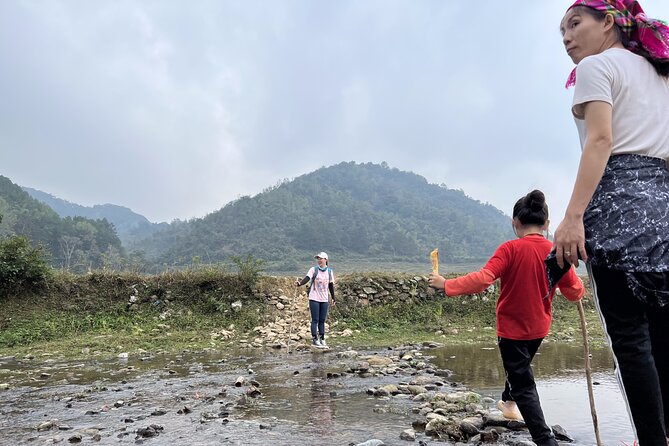
- UNESCO Cao Bang Global Geopark scenery across caves, rivers, terraces, and waterfall viewpoints
- Ngao Cave (Tiger Cave) with long-formed stone columns and lots of photo angles
- Ethnic village walking including a Tay village and a route that avoids repeating the same trail
- Boat ride close to Ban Gioc Falls where mist splashes you a bit
- Truc Lam Zen Monastery climb for a panoramic look across Ban Gioc and beyond
- Small group size (max 8) which usually helps the pace stay flexible
Cao Bang Global Geopark: why this “easy” trek feels special
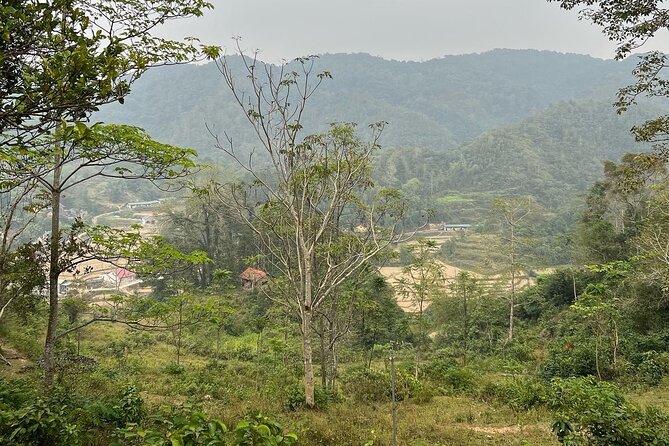
Cao Bang isn’t the kind of place you just drive through and forget. This route is built around the Cao Bang Global Geopark idea: mountains and water folding into each other, with caves, rivers, and stone formations that make you stop for a second and look around.
The “easy trekking” label matters here. You’re not signing up for technical climbing. You’re walking enough to earn the views, but the itinerary also leaves room for breaks, meals, and time to wander where the trail naturally slows down—especially around the caves, village areas, and rivers.
And the trip’s best trick is variety. In two days you go from cave shapes formed over hundreds of millions of years to rice terraces and streams, then right into the Ban Gioc waterfall experience at the Vietnam–China border. That jump is the point.
You can also read our reviews of more tours and experiences in Hanoi.

Hanoi to Cao Bang at night: plan for real travel time
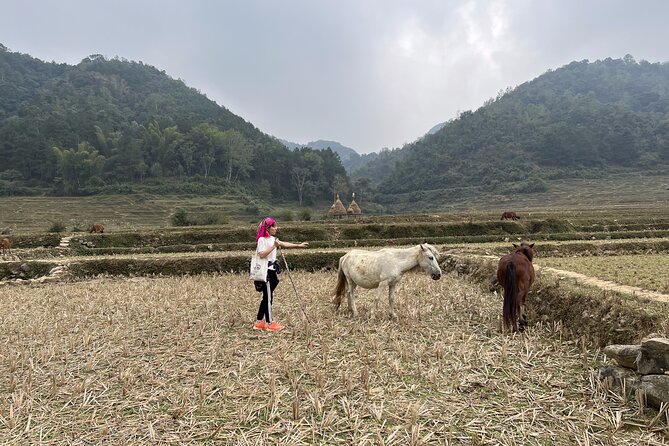
Your day starts in Hanoi, but not in a lazy way. You meet up around the evening window, with guidance on getting to the meeting point near My Dinh Bus station by Grab. From there, the plan shifts into an overnight-style transfer: you check in to a VIP sleeper and head to Cao Bang city.
This matters for value and expectations. You save time because you travel while you sleep. But you also give up some comfort compared with flying, and the tour does not list an air-conditioned vehicle as included. So if you’re picky about transport temperature or sleep comfort, keep that in mind.
Practical tip: if you’re sensitive to sleep disruption, pack the basics—something for eyes/ears, and a light layer. The schedule is efficient, but it’s still travel.
Khuoi Ki Stone’s Village homestay: the calm basecamp
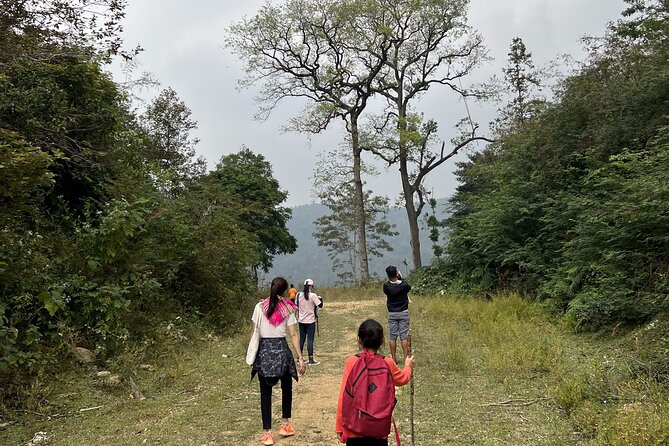
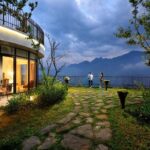
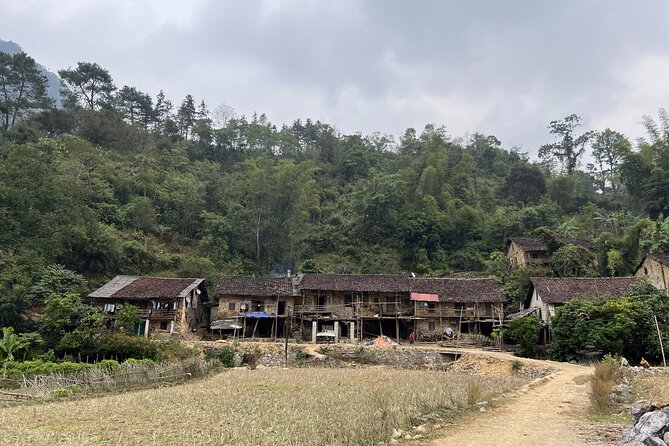
The homestay portion is the heart of the “2 days, 1 night” format. After morning arrival, you’re welcomed at Khuoi Ki stone village in the Ban Gioc area. This is where you reset: you eat breakfast, you start your first trek, and later you shower and rest before dinner.
What I like about a homestay here is the rhythm. You’re not only sightseeing—you’re living inside the pace of the area for one night. The itinerary also calls out time to enjoy the fresh mountain air and a feeling of peace and chill after trekking. That might sound poetic, but in practice it’s what makes a short trip feel longer and less rushed.
One more detail that’s useful: the day’s trekking is described in a way that avoids repeating the same route on the way back. That means your homestay night doesn’t feel like you’re just retracing steps—you get different scenery on the return walk.
Day 1 trek: Ngao Cave, Tay stone houses, and stream-and-terrace walking
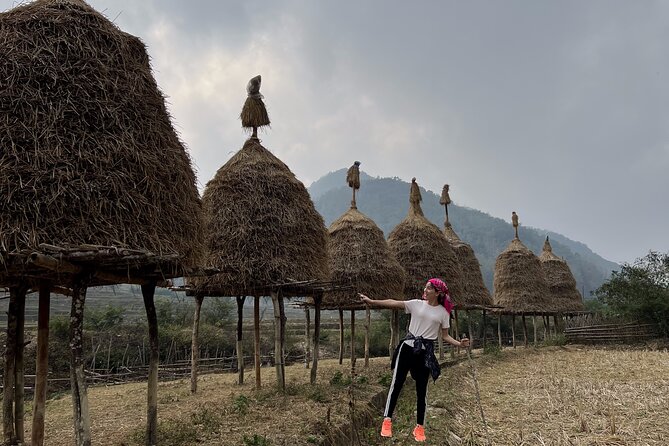
Day 1 begins with breakfast at the homestay. The food focus is real, and the tour lists specific local options you can expect such as Cao Bang rice paper and duck noodle soup. Even when you’re tired after travel, this first meal matters because it sets you up for cave time and village walking.
Ngao Cave (Tiger Cave): the long-formed stone show
The first major stop is Ngao Cave, also called Tiger Cave. The big appeal is the cave’s preserved, natural look, plus the variety of stone columns and stalactites shaped by geology over very long time spans. The itinerary describes recognizable forms—tiger statue, lotus flower, boat, cactus, jellyfish, magic stick. Whether you see the exact shape or your brain invents its own, the practical benefit is clear: there’s lots to look at, so the cave doesn’t feel empty or repetitive.
The drawback to note: caves usually mean uneven footing. Wear shoes you trust on slick stone, and take your time. You’re here for the visuals, not speed.

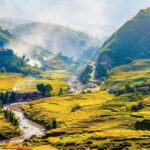
Bong Son Tay village: ancient stone houses and village-life pauses
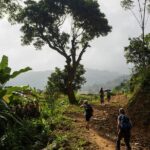
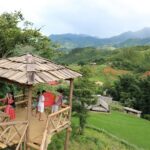
Next you trek to Bong Son village, a Tay ethnic village known in the route description for ancient stone houses built around 30 years ago. This isn’t framed as a quick photo stop. The idea is to spend time seeing village life and learning how people live, including lunch with a local family later.
For readers, the best part of village visits is not collecting postcards. It’s the chance to understand daily routines through conversation, questions, and food—especially when the itinerary explicitly sets aside time for culture and customs.
Terraces, forest, and stream: the scenery break that saves the day
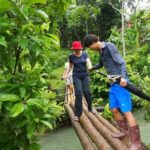
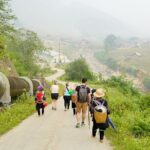
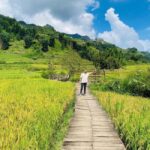
After villages, the route continues along terraces, forest, and stream areas. The itinerary explicitly calls out stress disappearing here, which is exactly what these in-between walking sections are for. They keep the day from turning into a list of stops.
This is also where you should take photos and slow down. The trail segments are where Cao Bang’s mountain-water feel becomes obvious rather than explained.
Lunch at a local family
Lunch is included and is described as being eaten at a local family, with a chance to learn about Tay culture, custom, and normal daily life. The food focus returns again with the tour emphasizing specialty cuisine of Cao Bang and Ban Gioc.
If you want one practical strategy: ask your guide what’s local and what’s seasonal. The itinerary promises food plus cultural context, so you’ll get more out if you treat lunch as a conversation, not just a refill.
Return to Khuoi Ki: a different way back
On the way back to the homestay, the tour says you’ll take another route to avoid duplicate trekking. That’s a small line item with a big impact: it reduces trekking fatigue and keeps the day’s scenery fresh.
After that, you’re given time for shower and rest, followed by dinner with local food and people. The dinner part matters on short trips; it helps the homestay feel like an experience, not only a bed.
Day 2 along the Quay Son River and up to Truc Lam Zen Monastery
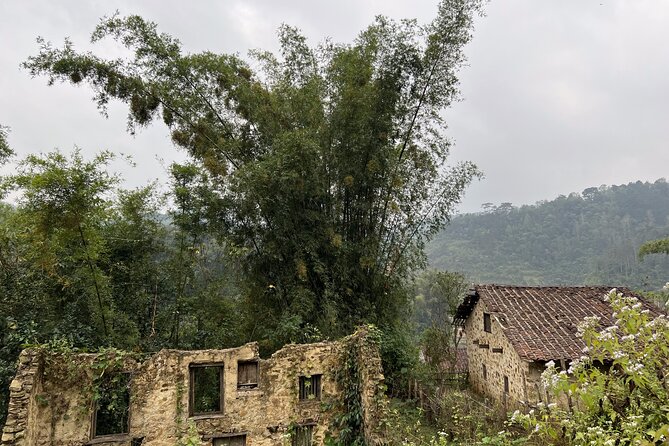
Day 2 starts early with breakfast again at the homestay. The itinerary lists Cao Bang rice paper, duck noodle soup, and sour noodle as examples. Then you’re ready for the second day trek.
Trekking along Quay Son River: mountain-and-water walking with a border context
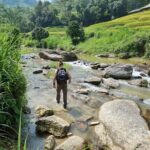
From about 7:45 to 9:00, you trek along the Quay Son River. The route description points out the interleaving of mountains and water, plus a China fence and construction visible to the left side.
That detail changes the tone of the walk. This isn’t just pretty scenery. You’re also in a geographic context where the border isn’t an abstract idea. It adds meaning to what you’re about to see at Ban Gioc.
A practical note: riverside walking can be damp or slippery. Good shoes matter, and keep your pace comfortable.
Truc Lam Zen Monastery: climb for the panoramic view
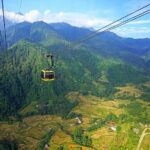
Next is Truc Lam Zen Monastery. You climb up to the pagoda for panoramic views of Ban Gioc waterfall. The itinerary describes a split view: one side shows the landscape and peaceful Vietnamese rice fields, and the other side references the Chinese Glass Bridge.
This is one of those stops where you’ll want to slow down and look around rather than just take one photo and move on. The itinerary explicitly frames the viewpoints as peaceful and poetic on one side, with more modern border elements on the other. That contrast is part of the experience.
Ban Gioc Waterfall boat ride: the border you can feel
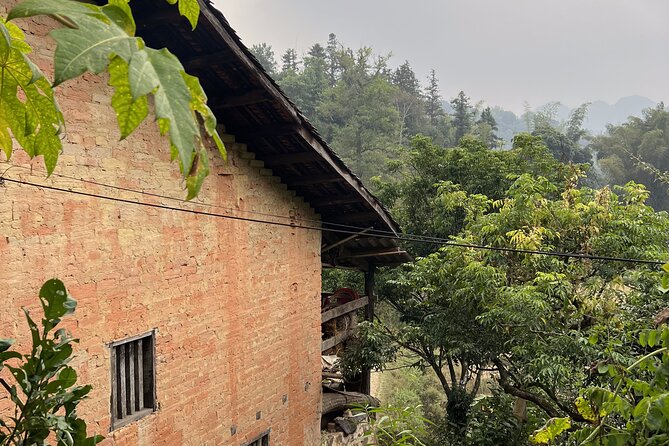
Ban Gioc is the headline for good reason. The tour’s waterfall schedule is set from about 9:45 to 11:00, with a close encounter approach.
The itinerary describes water flowing down from above in a way that whitewashes the river, with a fragrant rice field nearby and a cool breeze. Then you take a boat closer to the waterfall. Expect splashing mist—goosebumps a little, according to the description.
The border detail is the emotional punch: the middle of the river is the border of Vietnam and China. Standing there with water roaring nearby does something your photos can’t fully capture.
Possible drawback: waterfall days can be weather-dependent. The experience states it requires good weather, and if it’s canceled due poor weather you’ll be offered a different date or a full refund. That’s not a marketing line; it’s a reality check for anyone planning mid-season or in rainy shoulder periods.
Food and comfort: what $129 buys you (and what it doesn’t)
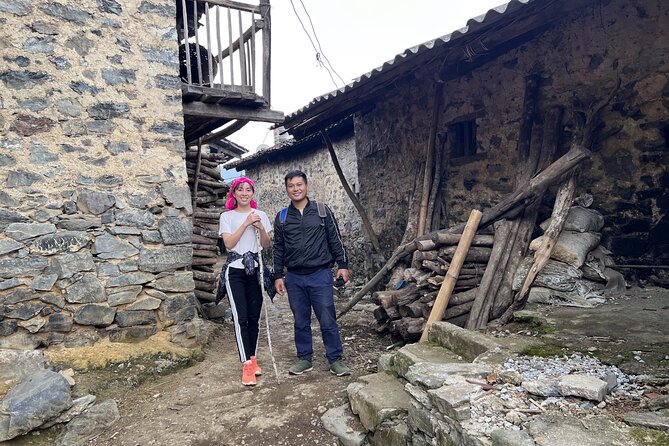
At $129 per person, this tour is priced like a practical package, not a luxury sit-back-and-watch deal. What you get included is substantial for the short duration:
- 2 breakfasts, 2 lunches, 2 dinners
- bottled water during the trip
- all fees and taxes
- 1 night accommodation in a standard local homestay
What’s not included:
- alcoholic beverages
- air-conditioned vehicle (so expect more basic transport comfort)
- and the transportation from Hanoi to Cao Bang is listed as $20 per person one way
So the real value question is: do you want guided food + homestay + multiple major sights without having to coordinate everything yourself? If yes, this price makes sense because you’re covering meals, guiding, and lodging inside a tight timeline.
Comfort is “mountain practical.” You’ll sleep in a homestay setting, not a hotel chain. That’s often exactly what people want in Cao Bang. Just don’t expect the same amenities you’d find in Hanoi.
Small group pacing: why it feels better than big-bus tours
The tour caps at 8 travelers. In practical terms, that usually means:
- you can ask questions without feeling rushed
- your guide can adjust timing if people need a breather
- group logistics stay manageable on narrow paths, in caves, and around viewpoints
Some guides highlighted in the available feedback include Anthony and Nhat for being kind and accommodating, plus Sen for being flexible (including joking with dad jokes). Even if your guide is someone else, the core promise in the tour description is a “no rush” style of easy trekking with detail-oriented guidance.
That’s not a small thing. In places like Cao Bang—where the scenery and culture both matter—you’ll enjoy the experience more when the schedule doesn’t bulldoze your attention.
Who this Cao Bang easy trekking tour is best for
This fits best if you want:
- an active but not punishing itinerary
- a mix of nature and culture: caves, river walks, village visits, monastery viewpoints, and Ban Gioc
- homestay time so the trip feels grounded
It might not be your best match if you:
- need fully air-conditioned transport
- hate early starts and overnight-style travel
- want a lot of downtime or hotel-level comfort
If you’re traveling with limited time and want one efficient “Cao Bang highlights” loop, this route is a solid way to do it.
Should you book ET1 for your Cao Bang 2D/1N?
I’d book this if you care about scenery plus local culture and you like a small-group, guided pace. The mix is the selling point: Ngao Cave, Tay village walking, terrace-and-stream routes, then the Quay Son River trek and the Truc Lam viewpoint before Ban Gioc with a boat ride.
I’d skip it if you’re strict about transport comfort or you dislike weather-dependent outdoor activities. Since the itinerary requires good weather, you’ll want to stay flexible with your overall travel plan.
If you do book, pack sensible trekking shoes, plan for a more basic comfort level on transport, and come ready to ask questions at the village lunch. That’s where the trip turns from sightseeing into a real sense of place.
FAQ
What does the ET1 Cao Bang trip include?
It includes 2 breakfasts, 2 lunches, 2 dinners, bottled water during the trip, all fees and taxes, and 1 night accommodation in a standard local homestay.
How long is the tour and how many nights do I stay in Cao Bang?
The tour is 2 days (about 2 days) and includes 1 night in a homestay near Khuoi Ki Stone’s Village in the Ban Gioc area.
Do I need to pay extra for transportation from Hanoi to Cao Bang?
Yes. The tour lists an additional cost of $20 per person one way for transportation from Hanoi to Cao Bang. The rest of the in-region transfers are handled as part of the schedule.
Is this tour really easy trekking?
The experience is described as easy trekking and includes walking segments to Ngao Cave, Tay villages, along the Quay Son River, and back to the homestay using a different route. You should still wear proper shoes since caves and river areas can be uneven.
How big is the group?
The maximum group size is 8 travelers.
Is air-conditioning included?
No. Air-conditioned vehicle is listed as not included, so expect more basic transport comfort.