REVIEW · CHIANG MAI
Chiangmai hilltribe Coffee Forest : Trek Plant Roast & Brew
Book on GetYourGuide →Operated by Chiang Mai Hilltribe Coffee Tour · Bookable on GetYourGuide
Coffee tastes better after a hill trek.
This tour pairs a 4WD ride to the Upstream Coffee Forest with a full bean-to-cup day plan: hike, plant, roast, and brew. It’s a smart mix of outdoor time and coffee craft, paced so you’re never stuck in a long classroom lecture.
I love the hands-on rhythm—especially planting your own coffee tree and roasting the beans you’ll brew later. You’ll also learn the V60 pour-over method, so you leave with skills you can actually use back home.
One thing to consider: this isn’t a light stroll. You’ll trek on outdoor paths in the hills, so you’ll want proper footwear and long pants to stay comfortable.
In This Review
- Key things to know before you go
- Getting to the Upstream Coffee Forest without wasting your morning
- The 4WD off-road transfer and forest trek pace
- Coffee plantation walking: seeing the plants, not just hearing stories
- Planting your own coffee tree: a real farm moment
- Organic farm-to-table vegetarian lunch (and what makes it better)
- Hands-on roasting: turning green beans into your own take-home coffee
- V60 pour-over masterclass: learning technique, not just drinking coffee
- Guides, local feel, and the small-group advantage
- Price and value: what you’re paying for at $117
- Who should book this tour (and who might not love it)
- Should you book the Chiang Mai Hilltribe Coffee Forest roast-and-brew day?
- FAQ
- What is the duration of the Chiang Mai Hilltribe Coffee Forest tour?
- What time does hotel pickup happen?
- Is lunch included, and is it vegetarian?
- Do I roast my own coffee beans?
- Is there a coffee brewing lesson?
- What should I bring for the trek?
Key things to know before you go
- Small-group size (max 8): more time with guides, less time waiting around.
- 4WD mountain transfer: a quick, thrilling off-road ride up to the forest area.
- Plant a coffee tree: a real, sustainable farming moment—not a photo-only stop.
- Farm-to-table organic vegetarian lunch: eaten in the middle of the coffee world.
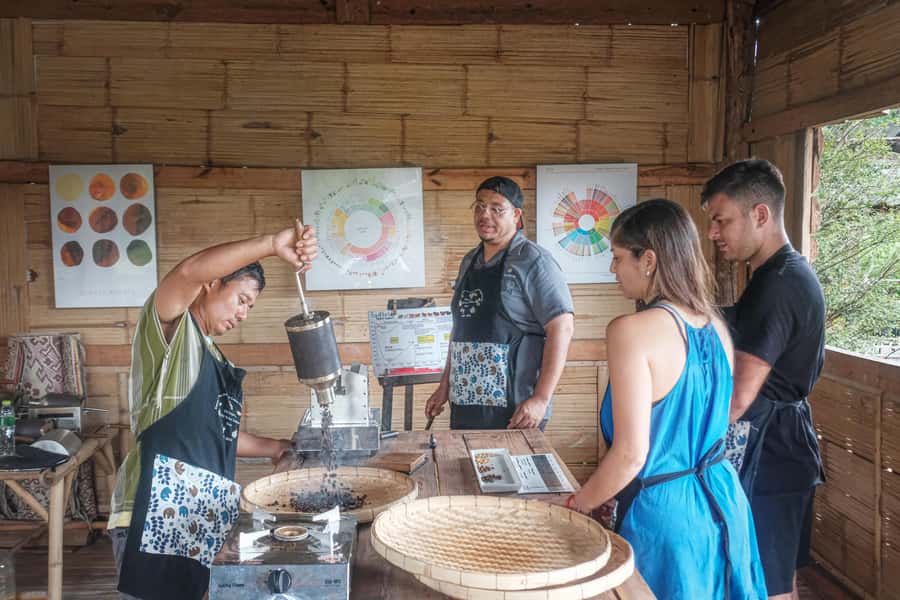
- Roast your own green beans: you take home your own batch, not just a souvenir bag.
- V60 brewing workshop: you learn technique, not just coffee drinking.
Getting to the Upstream Coffee Forest without wasting your morning
Your day starts with a hotel pickup in Chiang Mai’s Old City area, usually between 7:00 and 7:30 AM. That early timing matters. You get moving before the heat ramps up and before the city buzz takes over your day.
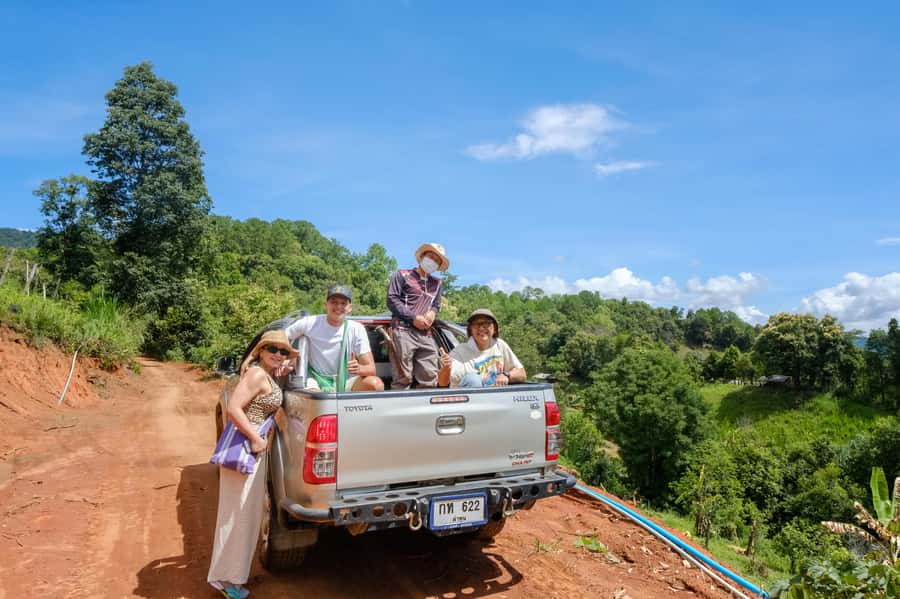
After pickup, you head toward the coffee hills in a small-group van. Then comes the fun part: a 4WD truck ride that takes you up to the upstream forest area. The ride is short, but it gives you that sense of leaving the city behind and heading into a more rural rhythm.
For me, the best part of this setup is that it doesn’t treat transport as a boring connector. It’s built into the experience, and you’re already in “coffee mode” by the time you start walking.
You can also read our reviews of more tours and experiences in Chiang Mai.

The 4WD off-road transfer and forest trek pace
The plan includes an exciting off-road transfer—about 20 minutes to reach the upstream forest area around 1400 meters. If you don’t love bumps and sudden turns, it can still be fine. Just keep a steady grip and dress for the outdoors.
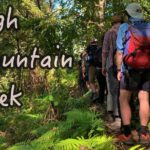
Then you move into the trek portion. Expect around 50 minutes of exploring the upstream forest trek experience, plus additional walking through the coffee area (the day runs long enough that your legs will notice). This is not about speed. It’s about moving slowly enough to see coffee plants, talk with the guide, and notice how shade and soil affect what grows.
What I like about the pace is the balance. You’re active, but you’re not rushed. The route is clearly designed for learning, not just exercise.
Tip: Bring your insect repellent and wear long pants. Even when the hike isn’t extreme, the outdoor conditions can be real.
Coffee plantation walking: seeing the plants, not just hearing stories
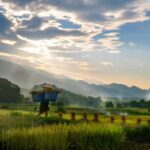
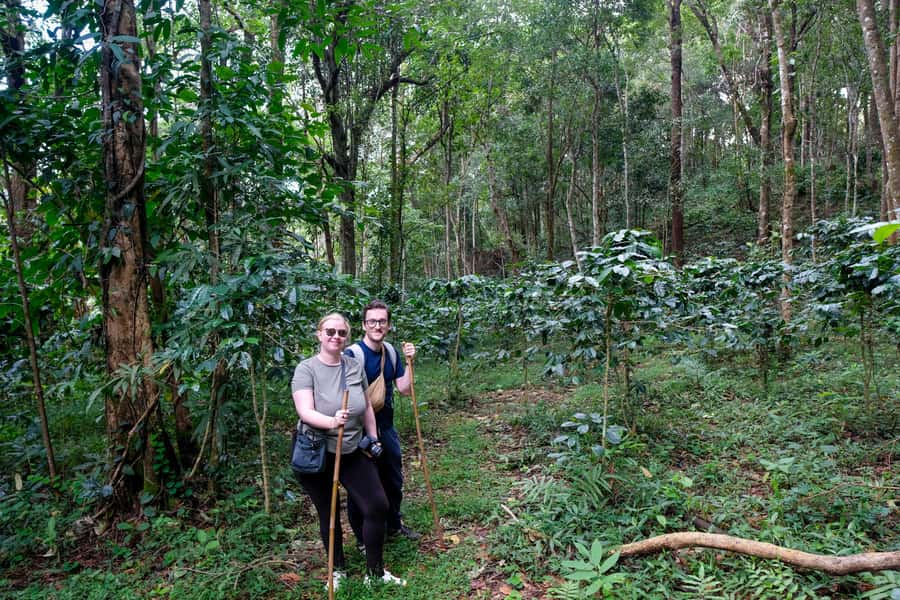
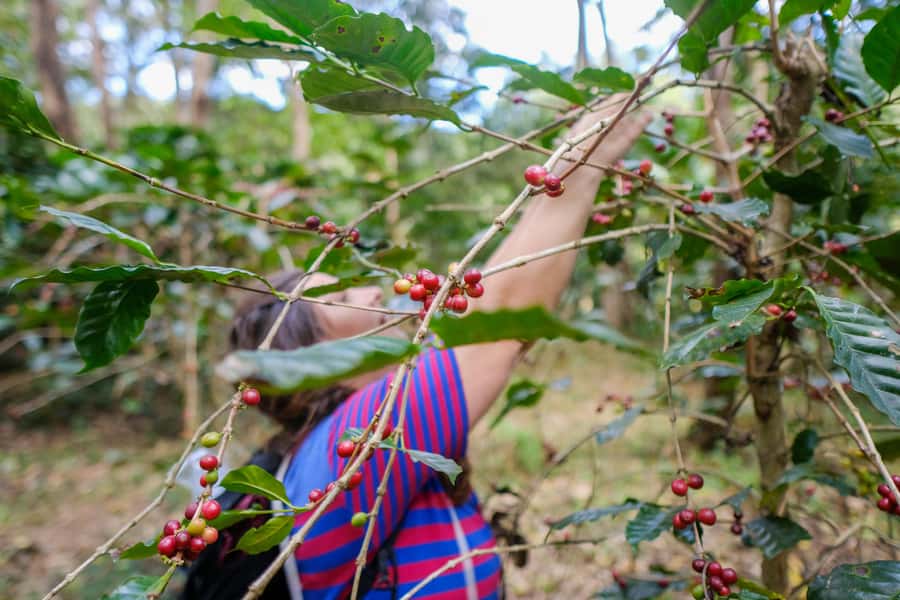
This is where the day becomes more than a tour. You’re walking through the coffee environment—seeing plants up close and hearing how they’re grown and cared for. You’ll learn the basics of how shade and cultivation affect the flavor profile, and you’ll get context on local coffee wisdom.
The tour also adds time for herbal and plant observation. Guides point out local flora and explain what matters in the forest ecosystem surrounding the coffee. You’re not just collecting facts; you’re connecting the dots between the farm and the cup.
One small but important detail: coffee learning here feels practical. You’ll taste, roast, and brew later, so what you hear now makes sense in the afternoon.
Planting your own coffee tree: a real farm moment
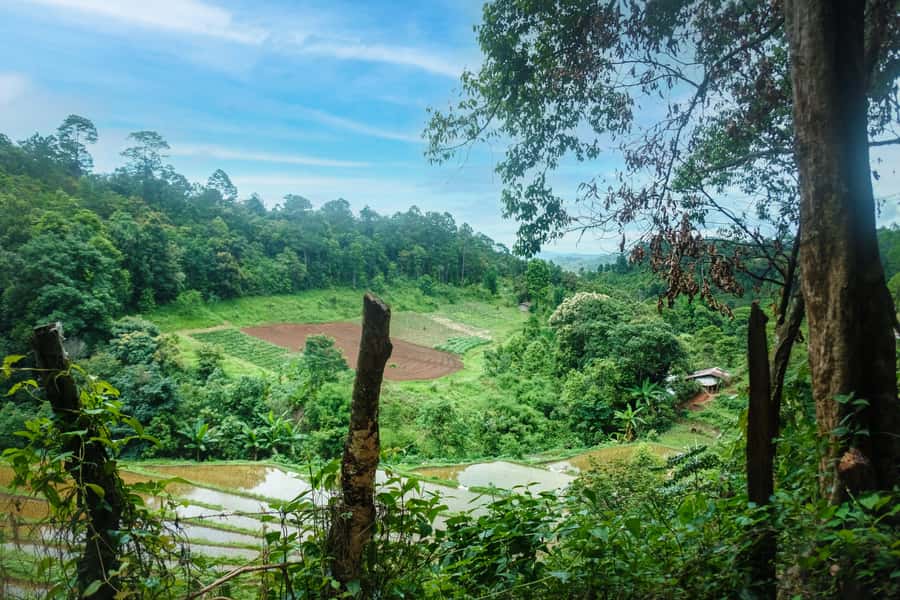
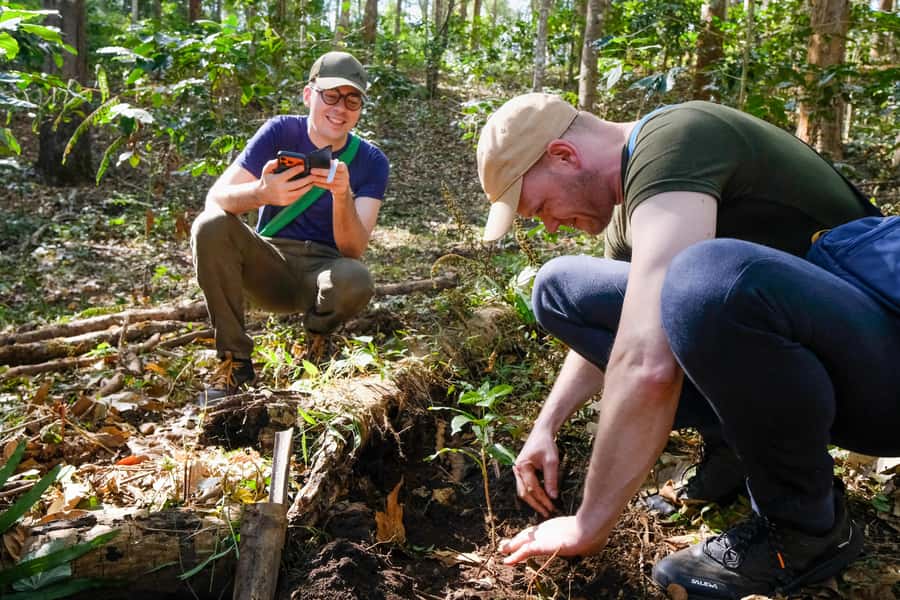
At some point in the morning, you’ll participate in planting a coffee tree. This is one of those activities that’s easy to market and hard to do well. The value on this one is that it’s tied to sustainable farming, not just a symbolic gesture.
In the experience, you’re working in the environment where the coffee is grown. That matters because it makes the idea of sustainability concrete. You can see the forest-coffee setup, understand why the shade matters, and get why the community treats coffee like long-term work.
Also, because it’s a group day, you’ll get the guidance you need. You’re not left to guess at the process.
If you’re the type who loves meaningful travel: this planting step is one of the highlights for a reason.
Organic farm-to-table vegetarian lunch (and what makes it better)
Lunch is a farm-to-table organic vegetarian meal. It’s prepared with fresh, local ingredients, and it’s served as a proper break rather than a rushed stop in a roadside restaurant.
What makes this part feel special is the setting and the timing. You’re eating after time in the coffee area, so the flavors land differently. And because it’s designed as a hill-tribe-style meal, you get a taste of everyday food culture rather than only tourist-friendly dishes.
If you have dietary needs, the tour notes that options are available on request for the veggie lunch. That’s worth asking about ahead of time so you’re not stuck figuring it out in the moment.
Hands-on roasting: turning green beans into your own take-home coffee
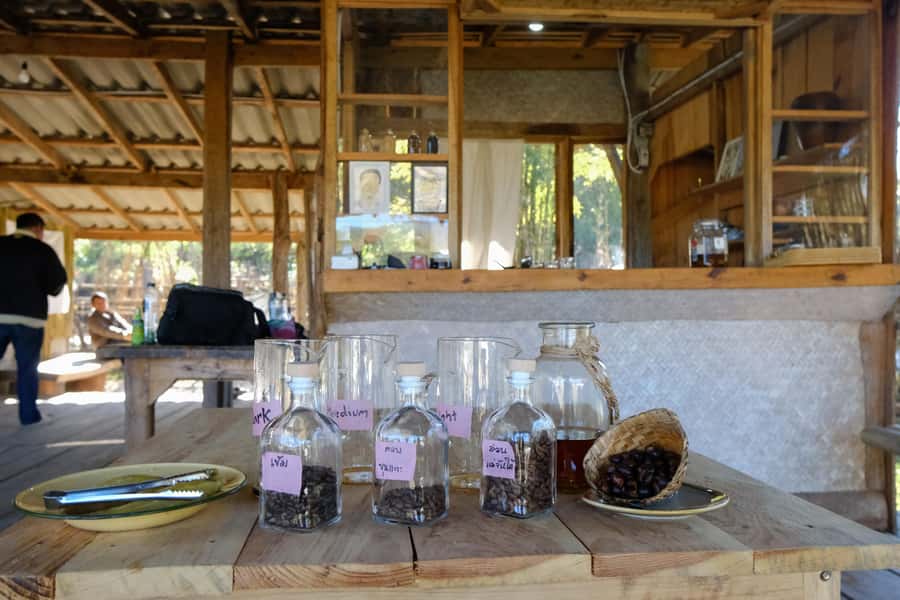
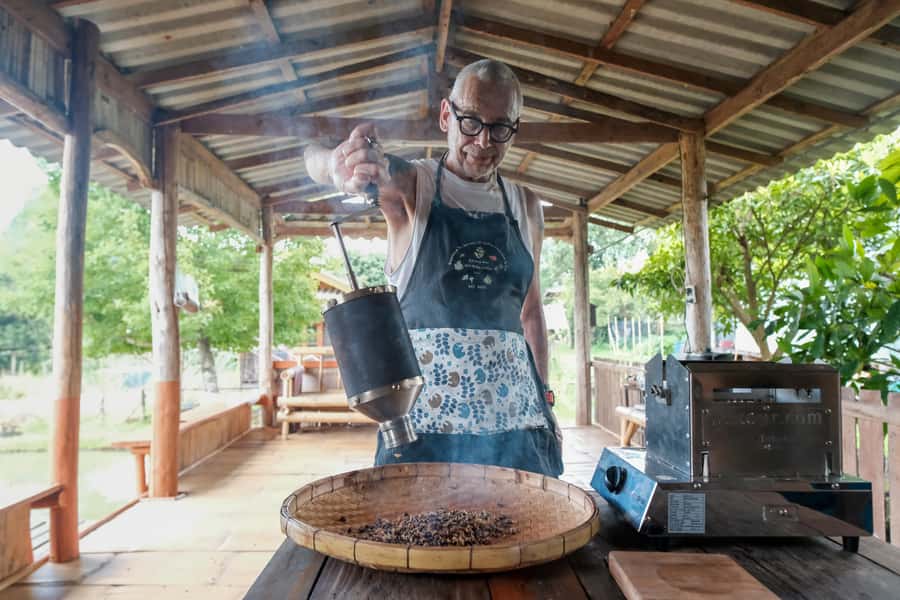
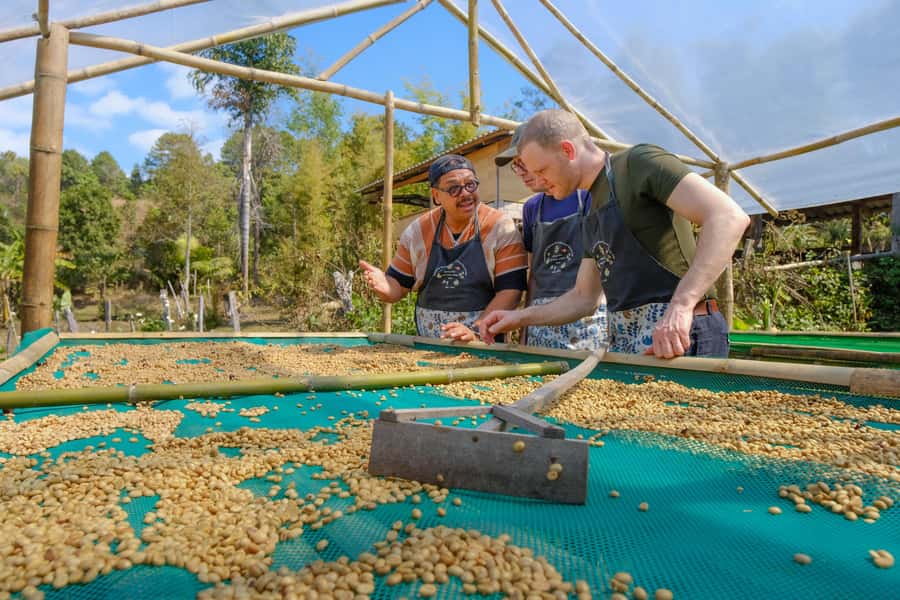
In the afternoon, the tour shifts from walking to workshop mode. First up is a coffee roasting workshop where you roast green coffee beans provided for the class.
This is where the day’s “bean-to-cup” promise becomes real. Roasting isn’t just a spectacle. You get hands-on time with the process and the smells you associate with fresh coffee.
And yes, you can take your roasted beans home. Several people describe this as a standout moment because it turns your participation into something you can use later—like a souvenir you actually drink.
A practical note: roasting involves heat and busy workshop energy. Wear clothes you don’t mind getting coffee workshop-sticky, and keep your hands clean for the brewing step after.
V60 pour-over masterclass: learning technique, not just drinking coffee
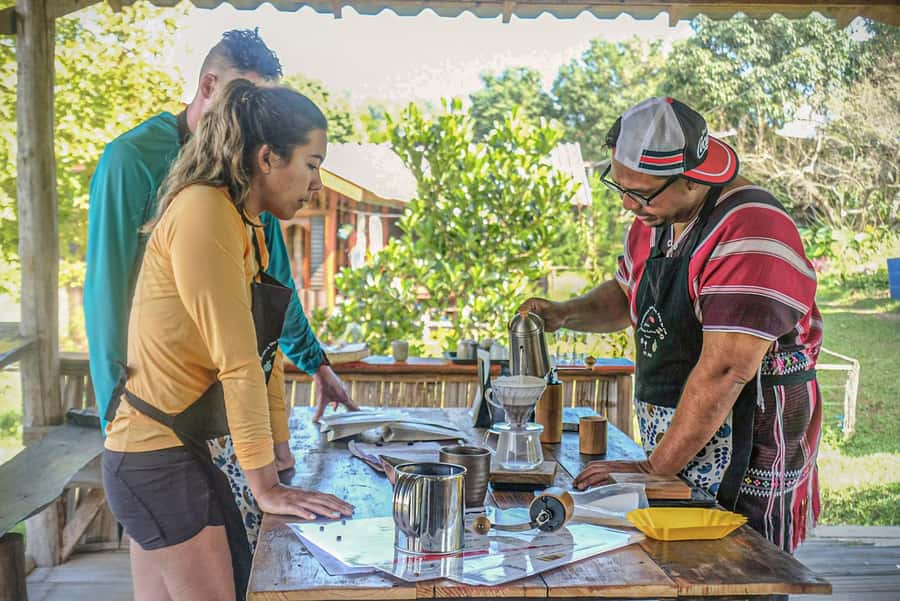
After roasting, you move to brewing. The tour includes a V60 pour-over masterclass, taught by experts (so you learn the why, not just the how).
If you’ve tried pour-over coffee before and never felt confident, this is the part that can upgrade your home routine fast. You’ll learn practical pouring rhythm and how to control the brew for a better cup.
This matters because the day doesn’t end when the tour bus drops you off. You leave with a method you can repeat. That’s a rare thing for a day trip. Most tours give you photos. This one also gives you a tool.
Guides, local feel, and the small-group advantage
The tour is led in a way that feels personal. People often highlight guide Jack and Moonshine by name, and that’s a good clue that the team’s involvement isn’t performative. You’re learning from people who actually work in or around the coffee farm world.
Some days also feature other team members supporting logistics and conversation (names like Sala show up in experience stories), which helps keep the flow smooth. One thing you’ll likely appreciate with a small group is fewer time gaps between activities. You spend more energy learning and less time waiting.
Also, the day can include moments like photo documentation by the team so you don’t have to juggle your camera the whole time. In a place this scenic, that’s a real quality-of-life benefit.
And depending on how the day runs, you might hear stories connected to rural life around the farm. A few accounts mention getting to taste homemade moonshine. Since it’s not listed as a standard inclusion, think of it as a possible extra if the host offers it.
Price and value: what you’re paying for at $117
At $117 per person, this isn’t the cheapest activity in Chiang Mai. But it also isn’t priced like a simple “coffee tasting.” You’re paying for a full day of transport, guided learning, and hands-on coffee production.
Here’s what the price is effectively covering:
- Round-trip pickup in an air-conditioned van
- 4WD transfer to the coffee forest area
- Organic lunch (vegetarian, farm-to-table)
- Brewing-related consumables like coffee and tea for testing
- Green beans for the roasting workshop
- A structured brewing lesson: V60 pour-over masterclass
If you’re a coffee person, the value clicks because you don’t just sample. You roast and brew, then take your own roasted beans home. For non-coffee people, it still works if you like nature and want a real farm day with locals rather than a factory-style itinerary.
Who should book this tour (and who might not love it)
This works especially well if you’re:
- A coffee lover who wants more than a tasting flight
- Curious about sustainable agriculture and shade-grown coffee
- The type who likes small groups and direct conversations with guides
- Looking for a day that mixes outdoors + craft + culture
It may not be ideal if you:
- Don’t handle outdoor walking comfortably
- Need mobility-friendly access (the tour states it’s not suitable for people with mobility impairments)
- Are traveling with very young kids (it’s not suitable for children under 6)
- Are pregnant (it’s listed as not suitable for pregnant women)
If you fall into any of those groups, you’ll likely enjoy the idea of coffee culture more than the physical hike side. In that case, you might look for a less physical coffee option.
Should you book the Chiang Mai Hilltribe Coffee Forest roast-and-brew day?
I’d book it if you want a coffee experience that feels like craft and farm work, not a staged tourist stop. The strongest reasons are the tree planting, the hands-on roasting, and the fact that you finish with a V60 technique you can use at home.
If you hate hills, hate bugs, or just want a quick, low-effort outing, skip it. You’ll be happier with a shorter tasting-only option.
But if you’re ready for a full morning outdoors and an afternoon of coffee skills, this one is an easy yes.
FAQ
What is the duration of the Chiang Mai Hilltribe Coffee Forest tour?
The tour runs for about 8 hours.
What time does hotel pickup happen?
Pickup is scheduled between 7:00 and 7:30 AM. The exact timing is sent by message the day before.
Is lunch included, and is it vegetarian?
Yes. Organic farm-to-table vegetarian lunch is included. The tour also notes that diet options may be available on request.
Do I roast my own coffee beans?
Yes. You’ll roast green coffee beans as part of the workshop, and you can take your roasted coffee home.
Is there a coffee brewing lesson?
Yes. You’ll do a V60 pour-over masterclass as part of the afternoon workshop.
What should I bring for the trek?
Bring comfortable shoes, long pants, sun hat, sunscreen, insect repellent, and sunglasses. A rain jacket can be useful in the rainy season.