REVIEW · CUSCO
Small Group: 4-Day Inca Trail Trek to Machu Picchu
Book on Viator →Operated by Inkayni Peru Tours · Bookable on Viator
Machu Picchu comes after a real hike. This 4-day Inca Trail trek keeps things small (about 10 people), so you get time with your guide instead of getting swept along with the mass crowd, and you still end the journey at UNESCO-listed Machu Picchu. I especially like the way the trip is packaged—meals, camps, transport, and key admissions are handled for you, including train and the return van to Cusco.
The main drawback to plan for: it’s a tough, high-altitude trek with very early starts. You’ll hike at passes like Dead Woman’s Pass (Abra de Warmihuañusca), and you still need to bring some basics yourself (like water for the first stretch and a sleeping bag you can rent).
In This Review
- Key Things I’d Watch Before Booking
- The Inca Trail, But With Less Chaos
- Value at $850: What’s Actually Covered
- Price trade-off to be aware of
- Where You Start: Cusco, the Sacred Valley Drive, and Km 82
- Stop 1 on Day 1: Wilka Rakay and the first real views
- Day 1 Reality Check: How the Trek Feels After Pickup
- Day 2: Dead Woman’s Pass (Abra de Warmihuañusca) and the Big Payoff
- Abra de Warmihuañusca: the highest moment of the trek
- What could go wrong on Day 2
- Day 3: Cloud Forest Ruins, Runkurakay, and Phuyupatamarca
- Chaquicocha lunch and the cloud forest shift
- Day 4: Sun Gate (Inti Punku), Machu Picchu, and the Return to Cusco
- The guided Machu Picchu walkthrough
- Lunch at Aguas Calientes, then the train back
- The Crew: Guides, Chef, and Chasquis Support
- Camping Details That Make This Trek Feel Livable
- How to Prepare: Fitness, Altitude, and What to Pack
- Packing checklist based on what you’ll actually need
- Health notes to take seriously
- Who This Trek Suits Best
- Should You Book This 4-Day Inca Trail to Machu Picchu?
- FAQ
- What time does the tour start in Cusco?
- What is the maximum group size?
- Where does the Inca Trail portion begin?
- Is Machu Picchu admission included?
- What transport is included?
- Are meals included?
- Is a sleeping bag provided?
- Do I need to bring water on the trek?
Key Things I’d Watch Before Booking
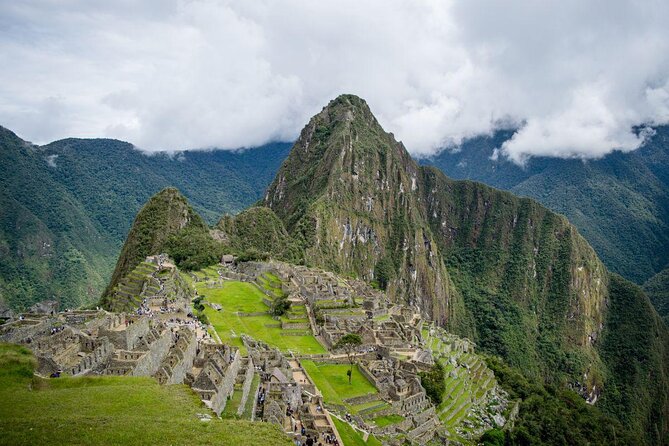
- Small group size (maximum 10 travelers) for a calmer pace and better guide attention
- Hotel pickup plus round-trip routing: bus to Km 82, then train + bus back to Cusco
- Camping support that’s real: chef, porters, oxygen bottle, inflatable mattress, hot water each morning
- Big altitude days: Abra de Warmihuañusca on Day 2 plus two major passes on Day 3
- Machu Picchu access structure: sunrise at Inti Punku, guided tour inside, optional extra hikes with extra ticketing
The Inca Trail, But With Less Chaos
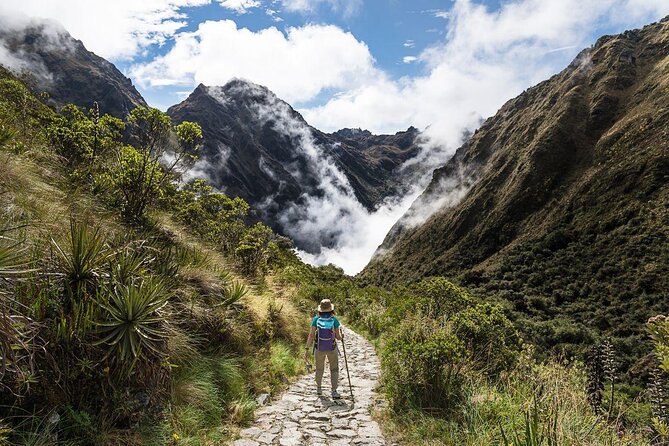
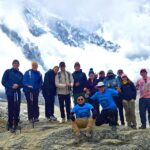
This style of trek is built around one idea: you still do the official Inca Trail experience, but you don’t want to feel like luggage in a moving line. With a maximum of 10 travelers, you get to walk as a group without constant squeezing. That matters on an experience like this where you’ll stop often—for breath, for photos, for explanations, and for just taking in the moment.
You also benefit from a guide-driven rhythm. The day-by-day plan has climbs and descents, but it also leaves space for moving as a team instead of racing the schedule. In the reviews, guides like Papa Freddy and Ronald stand out for mixing history, culture, and practical pacing, so the trek feels more like a guided journey than a raw endurance test with occasional facts.
One more thing: the Inca Trail is regulated. Since 2000, Peru has controlled daily numbers, and only 500 people are permitted each morning (including hikers, guides, porters, cooks). You can’t make the whole corridor empty, but going small inside that limit helps your experience feel personal rather than crowded.
You can also read our reviews of more tours and experiences in Cusco.
Value at $850: What’s Actually Covered
At $850 per person for about four days, the real question is: what are they doing for you?
This package is unusually “complete” for an Inca Trail trek. You’re not just buying a hike. You’re getting:
- A professional English-speaking guide
- A chef and dining setup (dining tent with tables and chairs)
- Porters for cooking and camping equipment
- A personal porter for up to 5 kg of your gear
- Hotel pickup in Cusco and bus to Km 82
- Return transport: train and van back to Cusco
- Camping basics like inflatable sleeping mattress, spacious tents, and oxygen bottle
- Admissions listed as included (you’ll also see how Machu Picchu access is handled on Day 4)
- Most meals (breakfasts, lunches, dinners are covered as described)
The part that surprised me in the way these programs are described is how much comfort support is included for a camping trek. You get hot water every morning, and the camp setup includes enough structure that you’re not just eating off a rock with zero downtime. The whole point is to preserve your energy for the next day’s climbs.
Price trade-off to be aware of
Some things that are common in the “extras” category are not included—like a sleeping bag (you can rent it locally), and any extra ticketed hikes at Machu Picchu (like Huayna Picchu). That’s not unusual, but it can change your total cost depending on what you want to add.
Where You Start: Cusco, the Sacred Valley Drive, and Km 82
Your day begins early: the start time is 5:00 am. After pickup, you’ll drive toward the Sacred Valley, passing Chinchero, Urubamba, and Ollantaytambo. Then you reach Km 82, the official starting point of the trail.
That drive is more than transportation. It’s your first slow acclimation to the region’s rhythm. You’re also getting a mental shift: this is the part where Cusco stops being a city and starts becoming a base for the mountains.
Stop 1 on Day 1: Wilka Rakay and the first real views
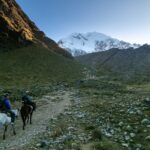
On Day 1, you begin with a hike that starts with an ascent to Wilka Rakay. This is where the trail earns its reputation. The views over Patallacta and the Kusichaca Valley are the kind of payoff that makes your legs remember why you’re doing this.
From there, the trek continues through changing Andean scenery—Inca remains nearby, and plenty of local plant life as the air cools with elevation. By late afternoon you’ll reach Wayllabamba (3,000 masl / 9,842 ft.), set camp, eat dinner, and get sleep prepared for the next day’s higher effort.
Practical note: the plan includes water, but the first part of the trek notes that you need to bring your own water for the first four hours. So don’t assume you’ll be handed unlimited refills right away.

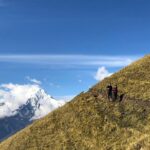
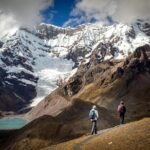
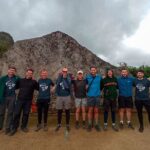
Day 1 Reality Check: How the Trek Feels After Pickup
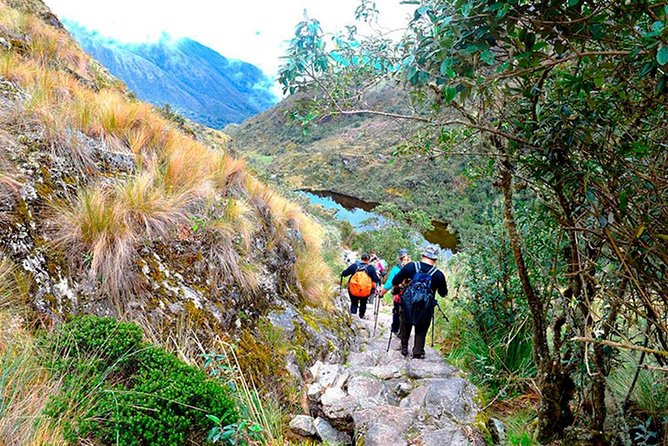
Day 1 is the warm-up, but it’s not a stroll. You’ll climb early, and you’re still adjusting to altitude. If you treat this like a casual walk, you’ll feel it later.
What I like about this structure is that it sets you up for the next big pass day. Camp at Wayllabamba gives you a night at altitude without turning Day 1 into the hardest effort of the whole trek.
And since a chef and porters are in charge of camp logistics, your burden is smaller than what many people imagine. You’ll still have to carry what you need personally, but you’re not doing everything yourself.
Day 2: Dead Woman’s Pass (Abra de Warmihuañusca) and the Big Payoff
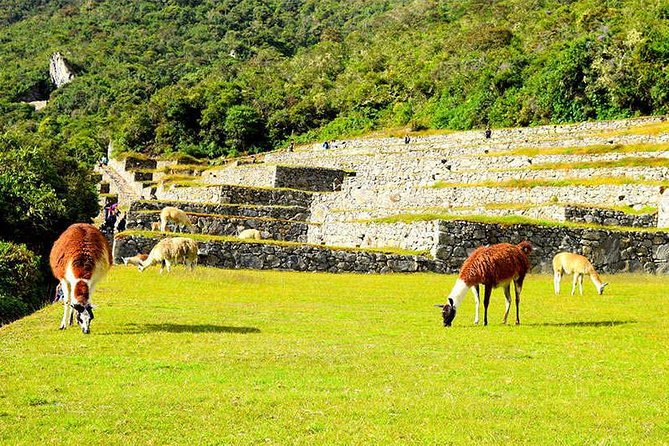
Day 2 is the signature day: you climb, you go high, and you earn the views.
After breakfast, you hike about an hour to Tres Piedras (The Three Stones). Then the trail enters cloud forest, and the air changes. That shift is one of the trek’s great surprises—temperatures, vegetation, and mood all get different fast.
Abra de Warmihuañusca: the highest moment of the trek
Next comes the main test: Abra de Warmihuañusca (Dead Woman’s Pass, 4,215 masl / 13,828 ft.). This is the highest point of the route you’re doing on these dates.
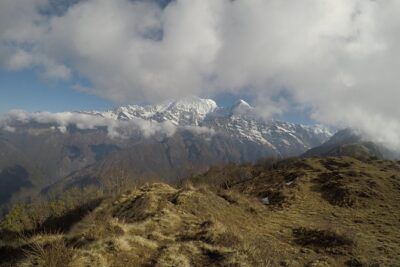
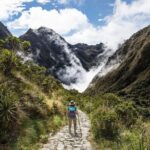
Crossing the high grassland can feel exposed—wide skies, a lot of wind risk, and your body working harder to keep steady breathing. When you reach the top, the panoramic views of rugged Andean terrain make sense of all the effort. Then you begin a steep descent toward Pacaymayo (3,600 masl / 11,811 ft.), where you camp for the night.
This day is why guides matter. A good guide helps you keep a sustainable pace when you’re tempted to overdo it early. In the reviews, you’ll see this kind of pacing credited to guides who know when to push and when to let you recover.
What could go wrong on Day 2
Altitude and weather are the combo to take seriously. The plan doesn’t sugarcoat the difficulty, and the wider feedback emphasizes every kind of mountain weather. You’ll need layers and rain protection that can handle cold and sudden shifts.
Day 3: Cloud Forest Ruins, Runkurakay, and Phuyupatamarca
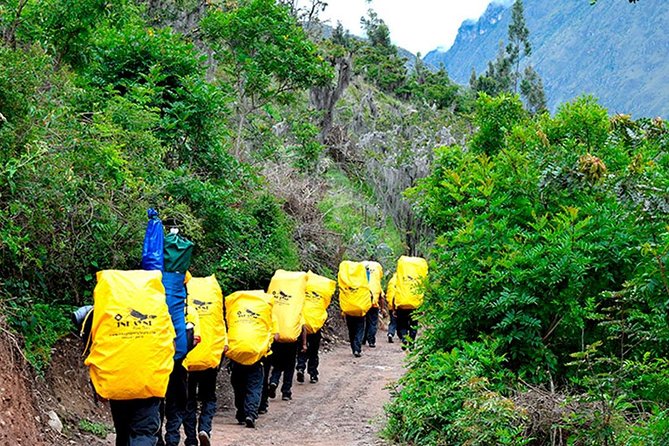
Day 3 starts with a steady ascent: about 45 minutes to Runkurakay, an ancient Inca resting site used by travelers. Another 45-minute climb brings you to Runkurakay Pass (4,000 masl / 13,123 ft.), the second highest point on the Inca Trail.
Then comes the descent into Sayacmarca ruins, built on a steep mountainside. This stretch is great because it mixes physical exertion with moments where you can slow down and really look. You’re not just hiking through space; you’re walking through a planned landscape.
Chaquicocha lunch and the cloud forest shift
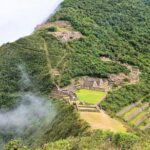
After exploring ruins and moving toward Chaquicocha for lunch, the trail continues into high Andean cloud forest. This is where the vegetation feels thicker and the air changes again. If you like nature that’s not just scenery but a living system, this is the day you start paying attention.
Then you follow a narrow ridge toward Phuyupatamarca Pass, with views of the Sacred Valley and far peaks. The day also includes ceremonial sites and agricultural terraces as you descend toward Wiñayhuayna, your campsite before you reach Machu Picchu.
If you’re the type who loves context while you walk, this day fits you well. Guides on this route tend to share cultural notes and small stories that make the ruins feel less like distant artifacts and more like something travelers once passed through.
Day 4: Sun Gate (Inti Punku), Machu Picchu, and the Return to Cusco
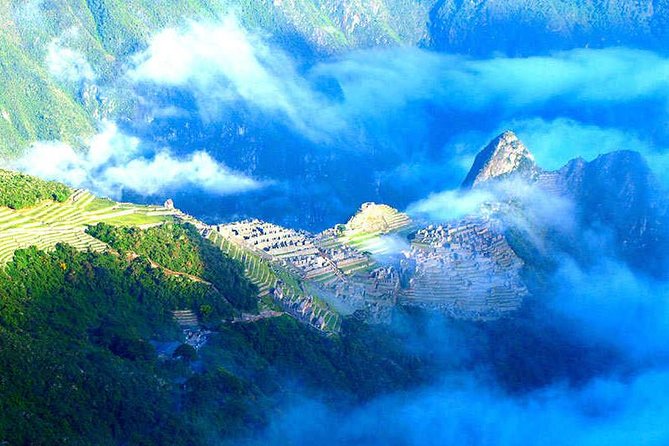
Day 4 is the classic finish: wake up early and complete the final stretch to Inti Punku (Sun Gate). This part is described as relatively easier, and it’s timed so you can reach the entrance viewpoint around sunrise—weather permitting.
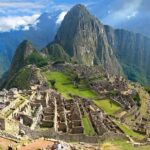
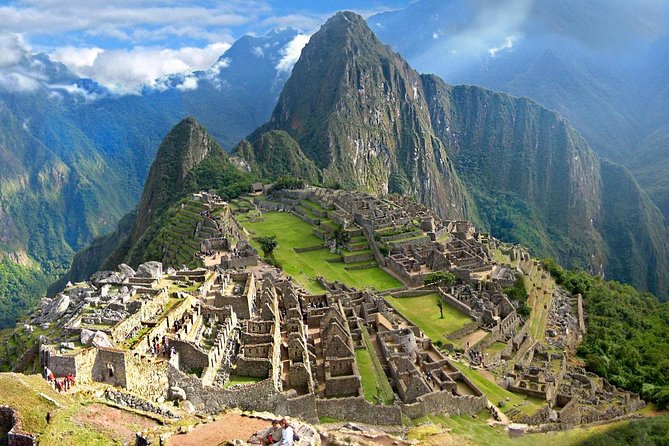
Reaching Inti Punku is the moment where the trek stops being a hike and becomes a reveal. Even if you’ve seen photos, the scale and placement of Machu Picchu still hits differently when you’re approaching it under your own effort.
The guided Machu Picchu walkthrough
From Inti Punku you’ll descend about 45 minutes to the upper terraces, setting you up for classic photo angles. There’s an optional guided tour inside the citadel. Your guide leads you through temples, ceremonial sites, terraces, and storage structures.
If you want to go further, you may also be able to hike Huayna Picchu or Machu Picchu Mountain, but those require extra planning and extra ticketing cost (the information notes extra cost for a new ticket for re-entry to Machu Picchu, plus the mountain entrance is not included).
Lunch at Aguas Calientes, then the train back
After Machu Picchu time, you return to Aguas Calientes for a break and lunch. Then you board the train to Ollantaytambo, and a private van takes you back to Cusco.
This matters because it saves you from the complicated logistics that many independent travelers wrestle with. You’re hiking for four days, then you get the smooth exit.
The Crew: Guides, Chef, and Chasquis Support
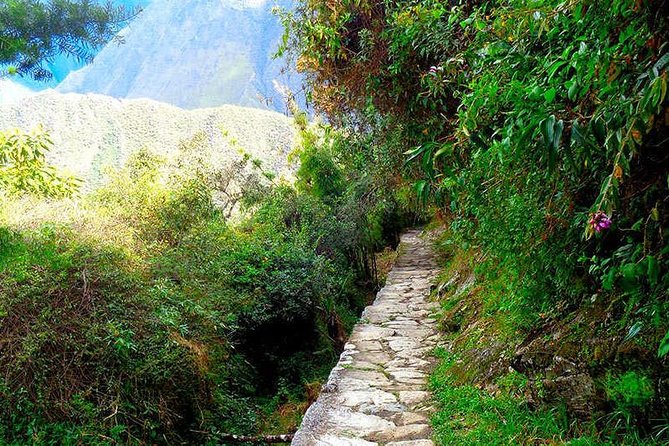
On an Inca Trail trek, the human side makes or breaks the experience. You’ll feel it in the small moments: a steady pace offered before you run out of energy, tea or comfort breaks, and meals that make the tough days feel doable.
The chef is a big deal here. Reviews describe dishes that feel more like full-course meals than camping food, with strong praise for both taste and comfort after long hikes. If you have a vegetarian diet or any dietary requests, you should share it in advance since the tour notes that you can request dietary needs.
Guides also get a lot of credit. Names that show up include Papa Freddy, Edwin, Ronald, Herlin, Paul, and Yo-yo. The common thread is storytelling and respectful context—history tied to how the Incas shaped travel and land use, plus practical tips for how to move through the days.
And then there are the chasquis and porters. In the feedback, their strength and care are repeatedly called out, including the work they do behind the scenes so your pack stays manageable.
Camping Details That Make This Trek Feel Livable
This isn’t a backpacking-only trek where you show up, suffer, and hope for the best. The equipment and camp setup are designed around comfort where it counts.
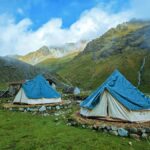
You’ll sleep in comfortable and very spacious 4-man tents that are used by two people. You’ll have an inflatable sleeping mattress, an inflatable pillow (you need to carry this), and a first aid kit is on hand.
You also get an oxygen bottle and hot water every morning. That hot water routine might sound small, but after cold mornings, it’s the difference between gritting your teeth and actually feeling human again.
Sleeping bag note: a sleeping bag is not included, but the info says you can rent one from a local tour operator. Plan for this early so you’re not scrambling the day you arrive.
How to Prepare: Fitness, Altitude, and What to Pack
This trek is listed as for people with moderate physical fitness. That’s a helpful phrase, because it tells you not to expect a beginner-friendly walk, but it also signals that you don’t have to be a mountain athlete.
What you should assume:
- You’ll be climbing to 4,000+ meters on major days
- You’ll deal with changing weather (including cold rain conditions mentioned in feedback)
- You’ll be tired at camp and you’ll still need to be ready for the next day
Packing checklist based on what you’ll actually need
The tour guidance calls for:
- Walking boots
- Waterproof jacket or rain poncho
- Warm jacket
- Hat and gloves
- T-shirts and comfortable trousers
- Sunscreen (factor 35 or higher)
- Insect repellent
- Personal medication
- Camera supplies
- Torch with spare batteries
- A current valid passport on the day of travel
And one more “don’t forget” item: bring what you need for water during the first four hours. The trek includes water after that initial stretch, but your start day is a moment you should handle calmly.
Health notes to take seriously
This isn’t recommended for people with back problems, heart disease, or other serious medical conditions, and it’s not an all-sit-and-watch tour. If you’re unsure about altitude safety, ask your doctor before you commit.
Minimum age is 6 years, so families can book, but the physical demands still apply.
Who This Trek Suits Best
This trek is a strong match if you want:
- A guided Inca Trail experience without crowd pressure
- A small group where you can hear your guide and bond with your team
- Camping comfort that’s more than basic survival
- A full day-to-day plan that handles transport, admissions, and most meals
It’s also a good fit if you like learning while moving. Guides in this setup tend to connect ruins and routes to culture and travel patterns, so you’re not just seeing sites—you’re understanding why they were placed where they were.
If you hate early mornings, know that 5:00 am start time is part of the deal. If you want Machu Picchu but don’t want hiking and altitude, you’ll likely find a different style of Peru trip more comfortable.
Should You Book This 4-Day Inca Trail to Machu Picchu?
Book it if your priority is the full Inca Trail-to-Machu Picchu journey with small-group pacing, a strong crew, and the kinds of camping comforts that keep you focused on the hike. The value at $850 comes from what’s bundled: transport, admissions, chef and camp staff, tent setup, hot water, and the Machu Picchu finishing structure.
Don’t book if you know you can’t handle altitude climbs or long hiking days. Also be ready for add-ons: you may want to budget extra for Huayna Picchu / Machu Picchu Mountain since the entrance to those is not included, and there can be extra ticket cost tied to re-entry.
If you want a trek that feels organized, human, and deeply tied to place, this one is a solid bet.
FAQ
What time does the tour start in Cusco?
The start time is 5:00 am.
What is the maximum group size?
The tour is limited to a maximum of 10 travelers.
Where does the Inca Trail portion begin?
The trek begins at Km 82, the official starting point of the Inca Trail.
Is Machu Picchu admission included?
Admission is included, and Day 4 includes a visit to Machu Picchu. Optional Huayna Picchu is not included, and extra ticket costs may apply for additional entries or hikes.
What transport is included?
You get bus transportation to Km 82, plus return transport by train and bus to Cusco. The plan also includes a private van back to Cusco after train arrival.
Are meals included?
Yes. The tour includes multiple lunches and dinners plus breakfasts as specified in the itinerary. Day 1 breakfast and Day 4 lunch and dinner are not included.
Is a sleeping bag provided?
No. A sleeping bag is not included, but you can rent one from a local tour operator.
Do I need to bring water on the trek?
You need to bring water during the first four hours of the trek. After that, water is included.