REVIEW · MARRAKECH
Toubkal Ascent Trek – Atlas Mountains – 2 days (Private Trek)
Book on Viator →Operated by Atlas and Sahara Tours · Bookable on Viator
One hard climb. Two unforgettable days in the Atlas. This private Toubkal ascent is a clean, well-timed route with qualified Berber guides, a hut night at high altitude, and real summit momentum the next morning.
I especially like the way day one builds you up—through the valley and the Sidi Chamcharouch shrine—so you’re not just rushing toward the refuge. I also like that the team gives you structure for the big day: an early start, short planned breaks, and a summit window for photos and views.
One thing to weigh: the trek asks for strong physical fitness, and the schedule depends on weather. If conditions are rough, you may need a different date (or gear changes) to keep it safe.
Key takeaways before you go
- Private trek and private transport from Marrakech, so your day runs to your group’s pace
- English-speaking Berber guides focused on safe, confident summit climbing
- Hut night at Toubkal Refuge with shared dorm setup, hot shower on arrival, and welcome mint tea
- Day-two early start (breakfast ~5:00, walking ~5:30) to avoid the sunnier trail
- Flexible routing and customization based on conditions and your group’s needs
- Summit day is long (about 9 hours total), so bring stamina, not just courage
In This Review
- Why this 2-day Toubkal private trek works better than rushing it in 1 day
- Price and logistics: what you’re really paying for (and what to budget extra)
- Day 1 from Marrakech to Imlil to the refuge: a gradual climb with mountain-village texture
- Sidi Chamharouch and the valley walk: why this part matters for your summit legs
- The hut night at Toubkal Refuge: what comfort looks like at altitude
- Day 2 summit plan from 5:30am: how the schedule protects you from the worst of the day
- Summit day pacing: the small decisions that separate success from suffering
- Guides in the Atlas: Mohammed, Yousef, Abdul, and Mustapha style of leadership
- Weather, snow, and gear: your checklist for a safe Toubkal climb
- When you’ll summit: thinking realistically about conditions on the Atlas
- Who this private Toubkal ascent is best for
- Should you book this Toubkal 2-day private trek?
- FAQ
- What time does the trek start, and where do we meet?
- Is this trek private?
- What’s included in the price?
- What should I plan for that isn’t included?
- What level of fitness is required?
- What happens if weather conditions are poor?
Why this 2-day Toubkal private trek works better than rushing it in 1 day
Toubkal sits right at the edge of “real mountain day” territory. That means the small details matter: starting early, pacing breaks, and having a guide who knows how to move efficiently above the valley.
In this 2-day setup, you get time to acclimatize without turning it into a marathon. Day one is about getting from Marrakech into the Imlil area, walking up through the valley, and finishing with a hut night around 3,207m. You’re not spending day one staring at your feet the whole time—you’ll also hit scenic stops, including the climb via Sidi Chamcharouch.
Then day two is the classic summit push: early breakfast, early start, snacks during the climb, and a real summit break for views before the descent. It’s the kind of rhythm that keeps people from burning out too soon.
Price and logistics: what you’re really paying for (and what to budget extra)
At $229.35 per person for about two days, this is built around four big-value pieces:
- Private transportation from Marrakech
- An English-speaking guide
- Sleeping bags provided free
- One night at the hut (sharing dorm)
That’s a lot of “trip infrastructure” for a short duration.
Now the fine print that affects your real costs: lunches, dinners, and bottled water are not included, and tipping is optional. There’s also a gear reality—warm clothes, ice axe & crampons are not included, but you can hire them if needed. If there’s snow, porters may be arranged (not included), which is one more reason to pack your patience.
Practical tip: if you hate carrying stuff, plan on buying what you need where possible, but don’t assume bottled water will be provided.
You can also read our reviews of more tours and experiences in Marrakech.
Day 1 from Marrakech to Imlil to the refuge: a gradual climb with mountain-village texture
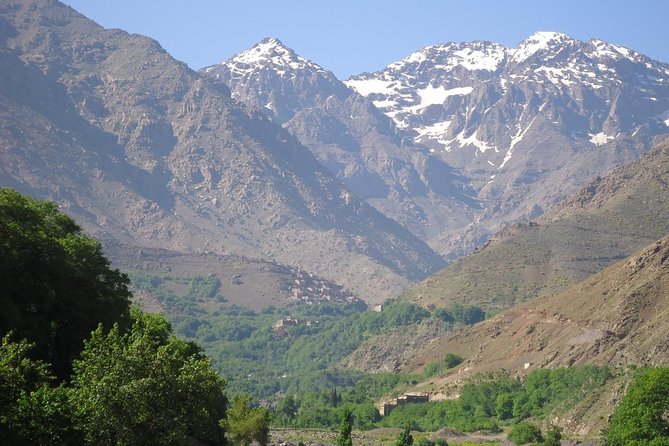
Your day begins with a pickup around 9:00am from the Hôtel Restaurant Café de France (J2G7+G2G, Rue des Banques, Marrakech). You drive for about 1 to 1.5 hours to Imlil (about 1,775m), then meet your guide and start walking.
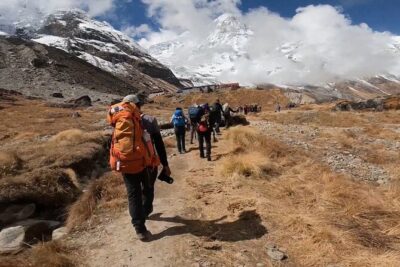
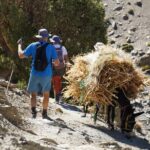
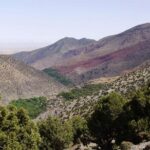
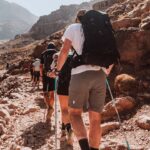
The walk up follows the valley. The route includes the shrine of Sidi Chamharouch (about 2,500m). This is the kind of stop that adds local texture. You’re not just climbing a trail; you’re moving through places that have meaning to the communities around the Atlas.
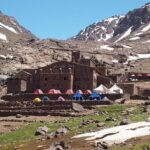
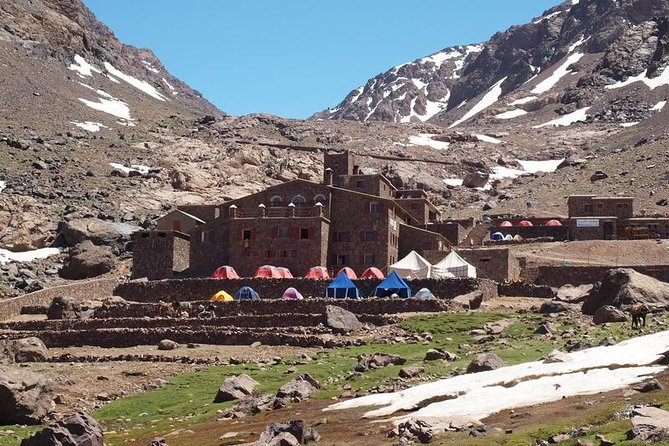
Lunch comes next at the mountain hut area. The timing works well: you stop, eat, and reset—then continue higher toward the refuge at around 3,207m. When you arrive, you’ll get welcome mint tea, and you’re told there’s a hot shower available. That matters more than it sounds on a cold, high-altitude night.
Day one is about 5–6 hours walking. It’s enough to feel you earned the elevation without making you wrecked for summit day.
Sidi Chamharouch and the valley walk: why this part matters for your summit legs
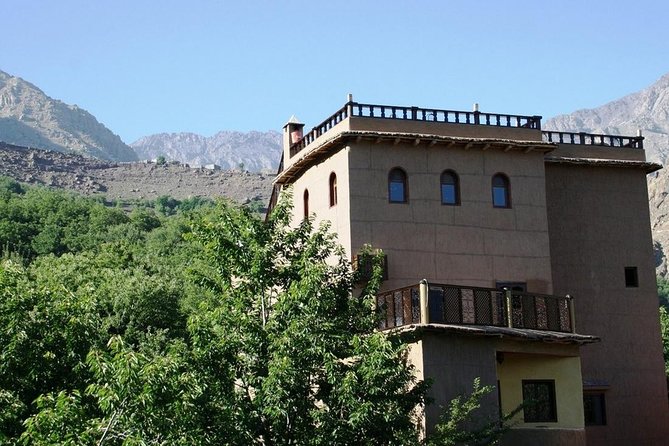
A lot of summit treks treat day one like a transfer day with scenery pasted on. Here, day one is built to keep your body adapting.
The valley walk gives you steady effort. The shrine stop gives your brain a break that isn’t just staring at rocks. And hitting the refuge after lunch time means you’re not scrambling to “arrive before dark.”
Also, by the time you reach the refuge, you’ll already have practiced the key rhythm you need tomorrow: steady walking, small breaks, hydration, and listening to your guide.
If you’re the type who tends to go out too fast, this day helps you correct that early—before day two punishes it.
The hut night at Toubkal Refuge: what comfort looks like at altitude
After you reach the refuge, you’re set for an overnight stay and dinner in a mountain-hut setting. The plan includes a shared dorm arrangement at the refuge, and your sleeping bag is provided free.
Two helpful realities to keep expectations realistic:
- You’ll likely sleep in a shared dorm style (not a private room).
- You may feel the altitude, even if the walk felt manageable.
The good news: the refuge experience isn’t only about “surviving the night.” You’ll have mint tea right after arrival, plus access to a hot shower. Those two things can turn a hard day into something memorable rather than miserable.
If you’re traveling as a family, this is the part you should ask questions about directly before you go. One family experience described a more private arrangement when the refuge was busy, but the standard setup is a sharing dorm, so don’t count on upgrades unless the operator confirms.
Day 2 summit plan from 5:30am: how the schedule protects you from the worst of the day
Day two is where the trek earns its name.
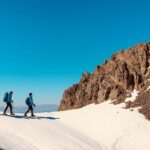
You wake early to help avoid the sunnier trail above basecamp. Breakfast is around 5:00am, then you start walking about 5:30am. That early timing is a big deal in the Atlas: it helps with footing, reduces heat stress, and usually keeps conditions more stable.
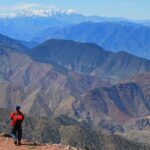
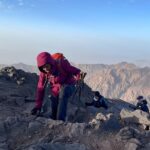
Your guide will manage the pacing with short breaks. Snacks are built in—things like nuts, plus water and oranges. After about 3 to 4 hours, you reach the summit area with breathtaking views over green valleys and Berber villages.
Then you get a 30–45 minute summit break for pictures and just soaking in the scale of the place. After that, you head down to the hut for a delicious lunch, then continue walking back to Imlil.
Day two is long: about 9 hours of walking total, followed by transfer back to Marrakech at the end of the day.
Summit day pacing: the small decisions that separate success from suffering
If you want the summit, how you walk matters as much as how fast you think you can walk.
Here’s what this itinerary nudges you to do:
- Start early and keep effort steady
- Use the guide’s breaks as energy management, not as a delay
- Eat small snacks while you’re still feeling okay
- Treat the summit as a reward pause, not a place to rush
You don’t need hero mode. You need consistency. The early start plus planned breaks helps you avoid the classic mistake: feeling great for an hour, then paying for it the last 90 minutes.
Guides in the Atlas: Mohammed, Yousef, Abdul, and Mustapha style of leadership
In the Atlas, your guide is more than someone with a clipboard. A good guide controls the whole feel of the trek—pace, safety, and morale.
In real-world experiences tied to this route, guides like Mohammed, Yousef, and Abdul are described as knowledgeable, kind, and enthusiastic. Another key name is Mustapha, who’s credited with planning trips smoothly and communicating clearly so the days felt organized rather than chaotic.
What you should look for when you meet your guide: how they explain the climb, how they read conditions, and how they talk about timing and breaks. That’s the real guide skill on a two-day trek—making sure you finish day one feeling ready for day two.
Weather, snow, and gear: your checklist for a safe Toubkal climb
This trek requires good weather. If conditions are poor, you’ll be offered another date or a full refund. You don’t want to “tough it out” in gear that’s not appropriate.
From the trip details, here’s what’s explicitly relevant:
- Warm clothes are not included
- Ice axe & crampons are available for hire
- Porters may be used if there’s snow
- The route is for people with strong physical fitness
So pack smart:
- Layers for cold morning walking (especially for the early 5:30am start)
- A plan for cold-weather traction if you might need it
- Enough attention to footwear comfort and stability (you’ll be moving for many hours, over changing terrain)
If you’re unsure about what you need, ask before you arrive so you’re not deciding equipment in a panic on the mountain.
When you’ll summit: thinking realistically about conditions on the Atlas
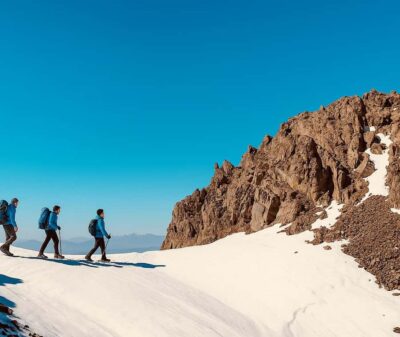
Toubkal summit success is weather-dependent. The good part is that the trek is built with a reasonable structure—day one acclimatizes, day two starts early, and the schedule is designed for mountain conditions.
Real examples show this kind of trip can still go right even if conditions were unstable before departure. One summit success described being lucky to reach the top after bad weather in the days beforehand.
Still, you should plan with flexibility in mind. When weather changes, the “best” outcome might involve shifting timing, adjusting expectations, or rescheduling.
Who this private Toubkal ascent is best for
This is a private trek, meaning only your group goes together, which is ideal if you want a more personal pace and quieter attention from your guide.
It’s best for:
- People with strong physical fitness who want a real summit experience in two days
- Adventurers who like structured mountain days: early start, planned breaks, hut night
- Groups that value customization and clear guiding (the operator’s communication style gets praised)
It can also work for families with the right fitness level, but don’t assume. The trek description is demanding, and your guide’s ability to manage pacing matters a lot.
Should you book this Toubkal 2-day private trek?
Book it if you want:
- A highly guided summit attempt with a hut night at Toubkal Refuge
- A trip that’s short but not rushed (day one builds; day two goes early)
- Value for your money: transport, guide, sleeping bag, and the hut included
Consider a different option if:
- You don’t have strong stamina for a long day two (around 9 hours walking)
- You’re not comfortable with cold early mornings and high-altitude conditions
- You want meals and water fully covered, because lunches/dinners and bottled water are not included
If you’re ready for a serious two-day climb and you like clear planning, this is a solid way to experience the Atlas with expert local leadership.
FAQ
What time does the trek start, and where do we meet?
Pickup is around 9:00am from the Hôtel Restaurant Café de France in Marrakech (J2G7+G2G, Rue des Banques, Marrakech 40000). The activity ends back at the meeting point.
Is this trek private?
Yes. It’s described as a private tour/activity, so only your group participates.
What’s included in the price?
Included items are private transportation, an English-speaking guide, 1 breakfast, sleeping bags provided free, and 1 night at the hut (sharing dorm).
What should I plan for that isn’t included?
Tipping is optional, and dinners and lunches plus bottled water are not included. Warm clothes and ice axe/crampons are also not included, though ice axe and crampons can be hired. Porters may be needed if there’s snow (not included).
What level of fitness is required?
The trek is listed for travelers with a strong physical fitness level.
What happens if weather conditions are poor?
The experience requires good weather. If it’s canceled due to poor weather, you’ll be offered a different date or a full refund.