REVIEW · KATHMANDU
8 Days Private Guided Trekking in Annapurna Circuit with Pickup
Book on Viator →Operated by Bold Himalaya Treks and Travels Pvt Ltd · Bookable on Viator
Thorong La is the headline, but the planning matters. This 8-day private Annapurna Circuit trek is built for smooth pacing, clear logistics, and real local culture along the way, with a guide who keeps you moving and thinking ahead.
I especially like the private guiding for your group and the way it removes the guesswork on permits, food, and transport. You also get permits (Annapurna Conservation Area) plus TIMS, and the meals are handled for you during the trek days.
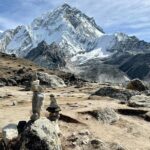
A key consideration: you still face real altitude and an early, demanding day for Thorong La (5416m), so you’ll want a moderate fitness base and a realistic attitude toward slow steps.
In This Review
- Key Points You’ll Care About
- Annapurna Circuit in 8 Days: The Real Appeal
- Day-by-Day Trek Plan: Besisahar to Pokhara
- Day 1: Besisahar to Chame by Jeep
- Day 2: Dhikupokhaari Village to Upper Pisang
- Day 3: Ngawal Views and a Reach to Manang
- Day 4: Manang Acclimatization and Optional Gangapurna Lake Hike
- Day 5: Alpine Terrain to Yak Kharka
- Day 6: Yak Kharka to Thorong High Camp (4450m)
- Day 7: Thorong La (5416m) to Muktinath, Then Drive to Jomsom
- Day 8: Jomsom to Pokhara by Jeep
- Altitude Reality: Why the Route Timing Helps
- Guides, Permits, and Logistics: The Headache Reducer
- Price and Value: What $260 Buys You
- Gear and Training: How to Show Up Ready
- Where the Route Feels Special (and Where It Can Drag)
- Sustainable Trekking in the Annapurna Region
- Who This Private Annapurna Circuit Fits Best
- Should You Book Bold Himalaya’s Private Annapurna Circuit?
- FAQ
- How long is the Annapurna Circuit trek?
- Is the trek private or shared with other groups?
- Does the price include permits and TIMS?
- What is the highest point on the route?
- Are meals included?
- Are trekking poles and a sleeping bag provided?
- Do I get pickup, and from where?
- Is travel insurance included?
- Does it require good weather?
Key Points You’ll Care About
- Private guiding for your group, with guides named like Sobit, Sirjan, Garap, Bijay, and Ramesh mentioned for strong support
- Permits and TIMS included, so you’re not scrambling for paperwork mid-trip
- Meals covered on trek days (breakfast 7, lunch 7, dinner 7), plus first-aid medicine
- Gear support: sleeping bag and trekking poles included if you need them
- Well-paced itinerary with an acclimatization day in Manang before the high pass push
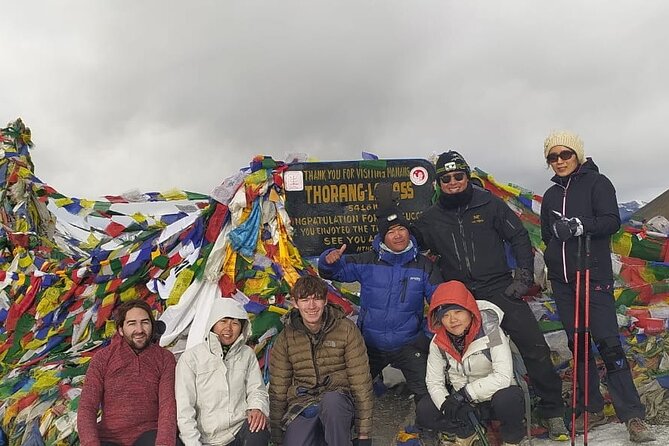
- Thorong La is tackled with support, including help reported during altitude sickness situations
Annapurna Circuit in 8 Days: The Real Appeal
You come for the big mountain moment, but the win here is how the route is set up to get you there with less chaos. This trip runs the classic Annapurna Circuit rhythm: drive in, trek section by section, then use Manang and the high camp night to set you up for Thorong La.
What I like is that it’s not sold as some vague dream walk. It’s timed around altitude reality: you build up height gradually, take a dedicated acclimatization pause in Manang, then go for the pass early. That structure is exactly what helps most people finish feeling proud rather than wrecked.
The private format also matters. Even when transportation is shared for some segments, your trek guidance stays focused on your group, your pace, and your questions. In the stories connected to this operator, guides such as Sobit and Sirjan are highlighted for humor and local knowledge, while Garap is specifically credited with adjusting equipment and pacing. Those are small things that can make a huge difference once the air thins.
You can also read our reviews of more tours and experiences in Kathmandu.
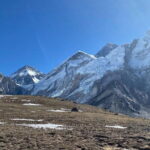
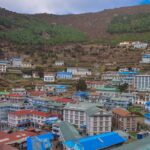
Day-by-Day Trek Plan: Besisahar to Pokhara
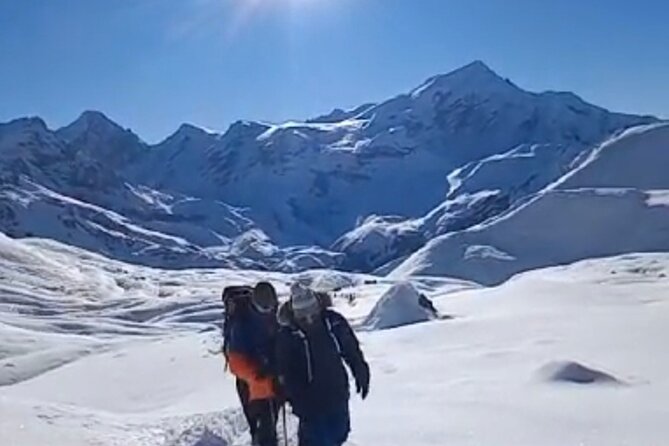
Below is what you can expect each day, and why each stop fits the bigger goal of crossing Thorong La.
Day 1: Besisahar to Chame by Jeep
You start with a drive to Besisahar, then continue by jeep to Chame. This day is about motion and getting your legs ready without burning your energy on uphill effort right away.
Why it’s good: You skip the day-one slow grind and start trekking when your body is fresher.
Watch-outs: It’s a long travel day. If you’re the type who gets travel-tight easily, plan to loosen up when you arrive and keep dinner simple.
Day 2: Dhikupokhaari Village to Upper Pisang
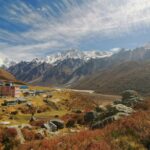
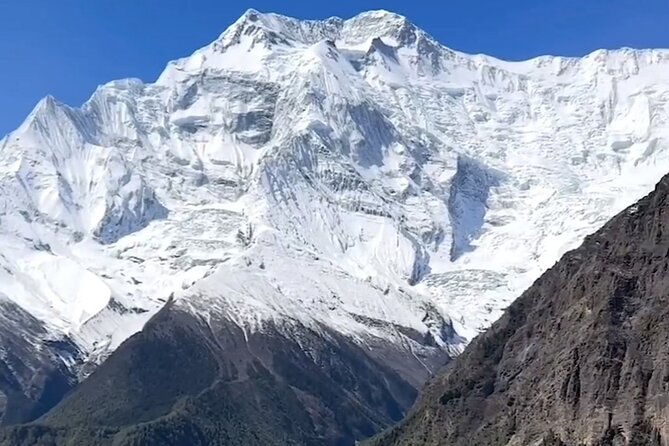
Today you trek through dense forest with views of Annapurna II. You pass Dhikupokhaari village, then continue toward Lower Pisang, before ascending to Upper Pisang, where you sleep.
Why it’s good: Forest walking plus village scenes early on is a nice balance before the bigger height gains. Upper Pisang also gives you a stronger “Himalaya feel” than the lower river corridors.
Potential drawback: The day includes both steady walking and an ascent to Upper Pisang. Even when it doesn’t feel brutally long, pace discipline matters.
Day 3: Ngawal Views and a Reach to Manang
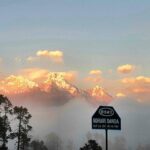
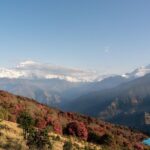
You move on to Ngawal for breathtaking views of the Annapurna range, then trek onward to Manang.
Why it’s good: Ngawal is a view-focused stop, and Manang is the base where you start thinking about altitude strategy for real.
What to plan for: You’ll want to arrive in Manang ready to slow down. Don’t treat it like a recovery day that still requires sprinting.
Day 4: Manang Acclimatization and Optional Gangapurna Lake Hike
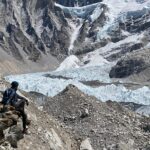
This is your rest day in Manang for acclimatization. There’s an optional hike to Gangapurna Lake, and there’s also a mention of a higher-altitude option if you want more challenge.
Why it’s good: This is the day that often decides whether the pass feels manageable. Acclimatization isn’t just a checkbox here; it’s the buffer between comfortable walking and a brutal day at elevation.
Possible drawback: If you push too hard on an optional hike, you can still feel rough later. Choose the option that keeps you fresh.
Day 5: Alpine Terrain to Yak Kharka
You ascend through alpine scenery, passing Letdar, and continue to Yak Kharka for the night.
Why it’s good: This day transitions you from Manang’s acclimatized footing into the high trekking zone. The higher air also starts making your breathing style more important.
Key consideration: You’re not just trekking; you’re training your pacing for thinner oxygen. Slow steps, steady effort.
Day 6: Yak Kharka to Thorong High Camp (4450m)
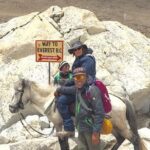
You trek from Yak Kharka up to Thorong High Camp (4450m)—the key launch point for Thorong La. The goal is to prepare mentally and physically for the pass day.
Why it’s good: A high camp night helps many people make the pass attempt without feeling like they jumped from low height to the top of the world in one go.
Watch-outs: You’ll likely feel the cold more here. Pack and manage layers early rather than waiting until you’re already uncomfortable.
Day 7: Thorong La (5416m) to Muktinath, Then Drive to Jomsom
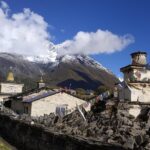
This is the big day. You start early, climb to Thorong La Pass (5416m), then descend to Muktinath (3800m). After that, you drive to Jomsom.
Why it’s good: Going over Thorong La and then dropping down gives you two major experiences: the pass itself and the cultural stop at Muktinath. Finishing with a drive keeps you from adding extra hiking fatigue right after the descent.
Possible drawback: Early start + high altitude effort is demanding. If altitude hits you, the guide support is the difference between stopping with confidence and stopping because you panicked. In the guidance stories tied to this trek, Ramesh is specifically mentioned as extremely helpful when altitude sickness showed up.
Day 8: Jomsom to Pokhara by Jeep
You take a scenic jeep ride from Jomsom to Pokhara, then land in the lakeside city vibe to wrap the trek.
Why it’s good: This makes the finish feel like a real finish. You get the journey down out of the mountains without dragging out your final day with extra walking.
What to expect: Long road time. Plan to rest, hydrate, and keep your first meal in Pokhara something easy.
Altitude Reality: Why the Route Timing Helps
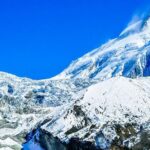
Most people underestimate how much altitude changes your day-to-day decisions: slower walking, more rest moments, and less ego. This route helps by using a classic pattern—gradual lift, an acclimatization day in Manang, then higher camps leading to the pass.
The hardest elevation point is Thorong La at 5416m, but you’ll feel the setup begin earlier than that. By Yak Kharka and especially on the way to Thorong High Camp (4450m), you’ll probably notice everything takes more effort. That’s normal. The smart move is to keep your effort smooth and predictable.
Also, this is one of those treks where the guide can matter a lot. Pacing adjustments and equipment support are mentioned directly with guides like Garap, and altitude sickness support is mentioned with Ramesh. That doesn’t mean altitude can be “managed away,” but it does mean you’ll have someone experienced making the right calls at the right times.
Guides, Permits, and Logistics: The Headache Reducer
This is a private guided trek, and that changes how the whole trip feels. Instead of you coordinating permits, meal logistics, and route timing, your guide is working that system for you.
On the admin side, you get:
- Annapurna Conservation Area permit
- TIMS card
- First aid medicine
- A trip certificate
- A government tax and official expenses package included
Then there’s the day-to-day comfort side. Included meals are handled across the trek days (breakfast 7, lunch 7, dinner 7). That matters when you’re at altitude, because skipping meals or chasing options can make your energy unstable.
You also get some seasonal fruit, which sounds small, but it’s the kind of practical detail that keeps people from feeling run-down.
Price and Value: What $260 Buys You
At $260 per person, the value depends on what you’re comparing against. If you’re trying to piece together the whole Annapurna Circuit yourself, you’ll quickly spend time and money on permits, guide costs, and transport planning.
Here’s what stands out as value in the included package:
- Guide with insurance, plus salary, food, and accommodation for the guide
- Permits and TIMS included
- Sleeping bag and trekking poles included if you need them
- Transportation: shared transfer from your location (Kathmandu, Pokhara, or Chitwan) to the trek start area, plus Jomsom to Pokhara sharing transport
- All trek meals across the scheduled days
What’s not included is also clear: extra meals, tips for the guide, travel insurance, and bar bills. If you don’t already have travel insurance, you’ll want to handle that separately. Tips are not included, so budget something extra if you plan to reward good support.
One more practical note: you’ll see “private tour” paired with shared transport segments. That’s not a contradiction. It usually means your trekking experience is focused, but the vehicle logistics are efficient rather than entirely exclusive.
Gear and Training: How to Show Up Ready
You don’t need to be a mountain athlete for this to work, but you do need “moderate physical fitness level,” as the requirement states. Think of it like this: you’re signing up for steady walking, not short bursts of speed.
Even though trekking poles and a sleeping bag are available if you need them, you still want to arrive with a realistic gear plan so you’re not improvising at elevation. Pack for cold early mornings near Thorong High Camp, and keep your layering simple and reliable.
Training-wise, aim for consistency. If you can handle regular walks with a steady pace, this route becomes more about stamina than heroics.
Where the Route Feels Special (and Where It Can Drag)
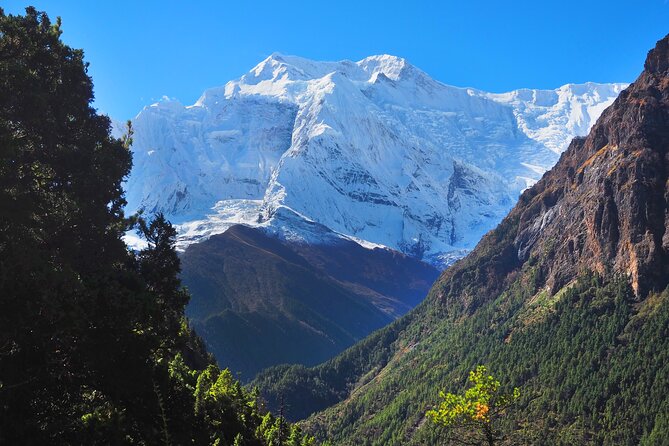
The special moments are predictable, but you still feel them in the right order:
- Early forest trek with Annapurna II views
- Pisang’s changing feel as you climb
- Manang and its acclimatization rhythm
- The high camp build-up toward Thorong La
- The relief and culture at Muktinath
- The final drop into Pokhara by jeep
The “drag” moments aren’t dramatic; they’re mostly about timing and altitude:
- Day 6 and the night before the pass can feel tough because your body is already working harder.
- Day 7 is early, long, and at the highest point. Even if you feel okay, the pass day demands patience.
This is why that rest and acclimatization day in Manang is such a big deal. It reduces the odds of you trying to force the timeline when your body isn’t ready.
Sustainable Trekking in the Annapurna Region
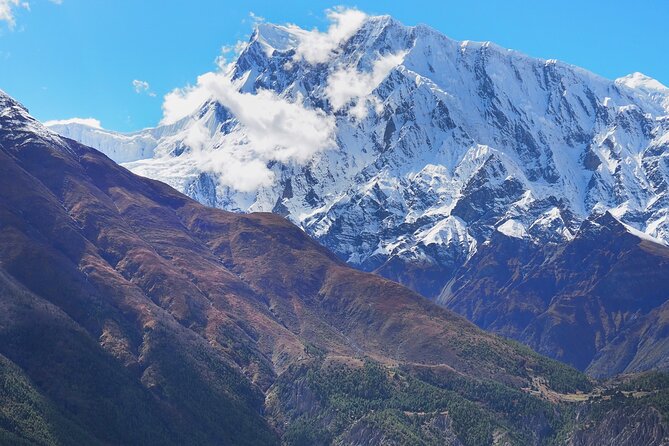
This trip includes the Annapurna Conservation Area permit, which is the official conservation side of trekking there. What you do on the ground still matters: stick to the plan, don’t cut corners off-trail, and respect local rules in villages you pass through. With a guide, it’s easier to follow local expectations rather than guess.
Also, the included structure—meals, lodging coordination, and route guidance—helps keep things orderly. Less chaos on the trail usually means less strain on the places you’re passing through.
Who This Private Annapurna Circuit Fits Best
This is a good fit if you want:
- Private guiding for your group (not a chaotic mix of strangers)
- A route that builds in altitude logic, including a Manang acclimatization day
- A trip where you can focus on walking and breathing, not admin tasks
You might want to look elsewhere if you:
- Want to move at very fast speed with minimal rest
- Don’t handle altitude well and aren’t willing to take it slow on the way up
- Prefer to fully customize every day on your own
Should You Book Bold Himalaya’s Private Annapurna Circuit?
If you’re looking for an 8-day Circuit that prioritizes structure, permits, and strong guide support, this one makes sense. The biggest wins are the logistics you don’t have to manage and the human help you get when altitude gets real—especially on the Thorong La day.
My booking advice: say yes if you can accept the pass challenge and you want someone keeping the trip running smoothly from trek start to Pokhara. Consider it more carefully if you’re uncertain about altitude or if you’d rather not pay for guided coordination.
In short: if you want the Annapurna Circuit experience with fewer moving parts, this package is built for you.
FAQ
How long is the Annapurna Circuit trek?
It’s an 8-day private guided trekking adventure, approximately.
Is the trek private or shared with other groups?
It’s a private tour/activity, and only your group will participate.
Does the price include permits and TIMS?
Yes. The Annapurna Conservation Area permit and TIMS card are included.
What is the highest point on the route?
Thorong La Pass is at 5416m.
Are meals included?
Yes. Breakfast (7), lunch (7), and dinner (7) are included during the trek days. Extra meals are not included.
Are trekking poles and a sleeping bag provided?
Yes, if you need them. Trekking poles and a sleeping bag are included.
Do I get pickup, and from where?
Pickup is offered. Included transport mentions pickup from Kathmandu, Pokhara, or Chitwan to the trek start area, plus Jomsom to Pokhara transport.
Is travel insurance included?
No. Travel insurance is not included.
Does it require good weather?
Yes. This experience requires good weather. If it’s canceled due to poor weather, you’ll be offered a different date or a full refund.