REVIEW · TANGIER
Tangier city break : Scenic Drive and Camel Trek
Book on Viator →Operated by JTT Morocco · Bookable on Viator
Tangier has a talent for packing drama fast. This short city break strings together the bay views, colonial-era Tangier streets, and La Montagne scenery with a stop out on the Atlantic coast. I especially like the mix of big sights (Cape Spartel and the Hercules Caves area) and smaller neighborhood detail that helps the city make sense.
The second big win is the time on the beach with camel rides in the Achakar area and again around Plage de Tanger. One thing to plan for: expect some walking and confirm where you’ll end up at the port or ship, because return logistics can vary and the experience may feel less mobility-friendly than the schedule suggests.
In This Review
- Key highlights worth clocking
- A scenic bay drive plus La Montagne views
- Cape Spartel: a hard-to-beat viewpoint at Africa’s northern edge
- Hercules Caves time: plan for what’s included vs. what costs extra
- Camel rides on Tangier’s Atlantic beach
- The walking factor: medina streets, markets, and the reality of shoes
- Price and value: what $57 buys in real time
- Group size and guide style: why names matter here
- Cruise port timing and finding your group fast
- Who should book this Tangier city break
- Should you book this tour?
- FAQ
- How long is the Tangier Scenic Drive and Camel Trek?
- Where does the tour start and end?
- What is included in the price?
- Are camel rides included?
- What’s not included?
- How big is the group?
- Do I need good weather?
- Is the tour private?
- Can I bring a service animal?
Key highlights worth clocking
- Small group, max 15: easier navigation than large buses in tight streets
- La Montagne + King’s palace area: colonial residential viewpoints tied to Tangier’s creative past
- Cape Spartel on the Straits of Gibraltar: where Atlantic meets the Mediterranean
- Caves of Hercules time: listed as free/extra depending on the stop, so tickets may still cost
- Two camel ride moments: one along the Atlantic coast and another by the beach, with photo time too
A scenic bay drive plus La Montagne views
This tour is built around an efficient loop: you get picked up, then you’re sent out in an air-conditioned minivan for a coastal drive before you start seeing the Tangier that famous visitors once treated like a creative playground.
The first stop focuses on Tangier’s historic layout, including the colonial city from the early 1900s and the residential quarter La Montagne. This area matters because it isn’t just pretty hill-and-street scenery. It’s the kind of neighborhood where the buildings, the outlook, and the atmosphere all explain why writers and artists were drawn to Tangier in the first place. You’ll also hear about the King’s palace location in this area, which adds context for what you’re looking at rather than turning it into a quick photo sprint.
If your time is tight, this is a smart approach. You’re not trying to map Tangier from scratch. You’re letting the drive and the guide’s routing set your bearings first, then you move on to landmarks with clearer geography.
Cape Spartel: a hard-to-beat viewpoint at Africa’s northern edge
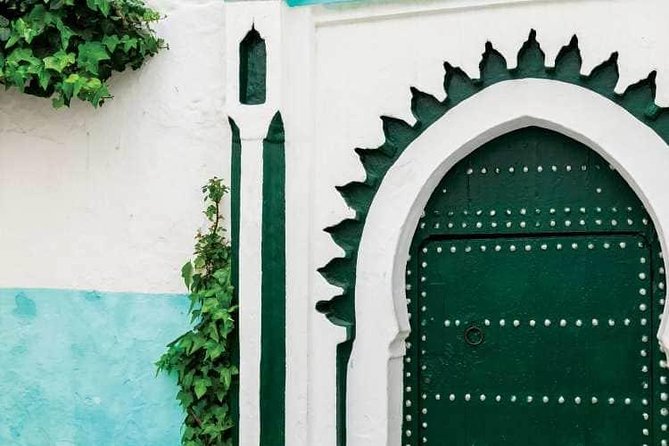
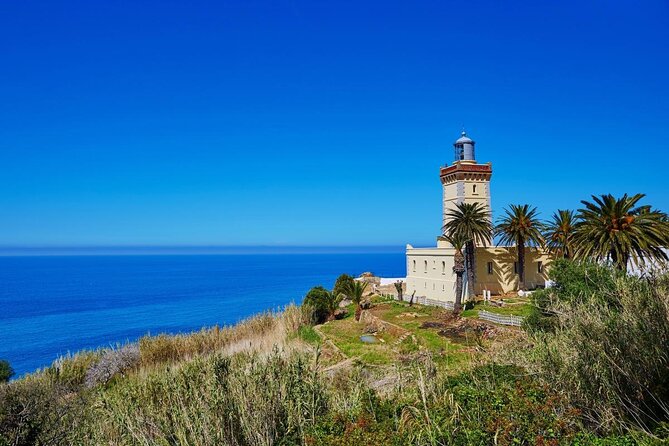
Next comes the part of the itinerary that gives you that big “where am I in the world?” feeling. Cape Spartel is described as the northernmost point of Africa and the western entrance to the Strait of Gibraltar, where the Atlantic meets the Mediterranean.
What you get from this stop is simple but useful: you see the physical relationship between the two seas. Even if you only spend about half an hour here, the payoff is clarity. After you stand there, Tangier stops feeling like just a city stop on a cruise and starts feeling like a strategic crossroads.
It also helps that the stop isn’t just sightseeing with no story. Your guide ties the view to the strait and the meeting of waters, which is the kind of context that makes your photos look better later, too.
Hercules Caves time: plan for what’s included vs. what costs extra
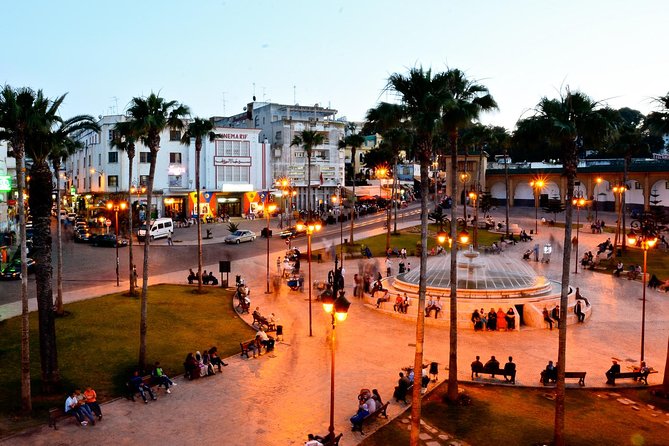
The itinerary includes time at the Caves of Hercules more than once, and that’s where you should stay sharp about tickets.
In the schedule, the Cape Spartel stop includes a visit to the caves area with admission marked as free for that stop. Later, there’s a dedicated caves stop (still around 30 minutes) where admission is marked as not included. In plain terms: you might get a viewing opportunity at one point without paying, but if you want to go inside fully at the later stop, you should expect an extra ticket.
This is one of the few moments where doing a tiny bit of planning saves frustration. If your priority is the inside experience, bring a little extra cash or whatever payment option is accepted on-site. If your priority is photos and seeing the setting, you’ll still get the key location even if you skip the interior ticket.
Camel rides on Tangier’s Atlantic beach

This is the part that most people remember, and the tour gives you two chances to do it.
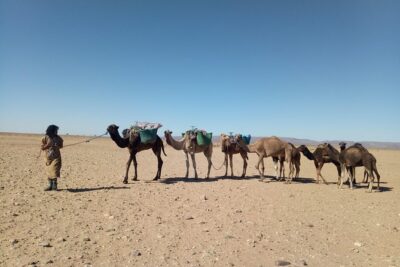
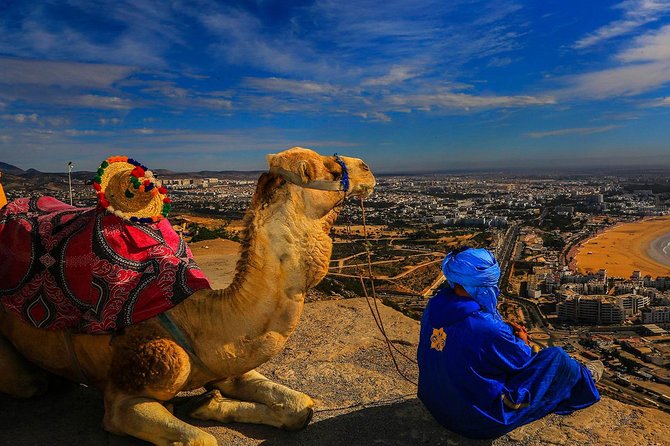
The Achakar stop includes a camel ride on the Atlantic coast. Then, on the way back, Plage de Tanger includes another camel ride opportunity along the beach. The phrasing here is practical: you can ride, or if you decide it isn’t for you that day, you can still watch the camels and take photos.
Why I like this setup for a city break: it avoids the all-day feel. You get the novelty and the motion, but you’re not stuck for hours. Also, the ride locations are described as different stretches on the Atlantic side, so it feels more like an experience than a single quick ride for a checkbox.
One more practical note: camel rides are included, but that does not always mean the timing is perfectly predictable if groups need to be rotated. Keep your energy flexible and think of it as part of the rhythm of a short tour, not an ultra-stiff itinerary.
The walking factor: medina streets, markets, and the reality of shoes
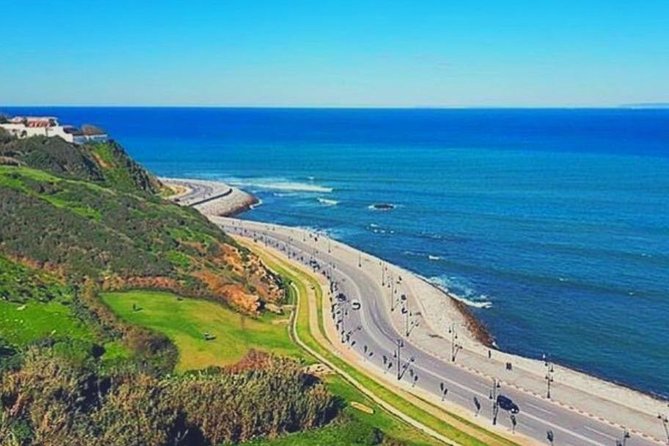
Tangier’s medina and market areas are famously easy to get tangled in. That’s exactly why a guide helps. On this kind of tour, you get orientation plus a guided route through the kinds of streets you’d otherwise second-guess at every turn.
You should also understand that the itinerary doesn’t only mean sitting in a van. In practice, some versions of this experience include a longer walk through market and medina areas. That can be great if you want street-level Tangier. It can also be a surprise if you expected everything to stay mostly vehicle-based.
So my advice is straightforward: wear shoes you can walk in comfortably, and bring water if it’s warm. If you have mobility concerns, treat the route length as the big question. The schedule looks short on paper, but Tangier’s streets do add up.
Price and value: what $57 buys in real time
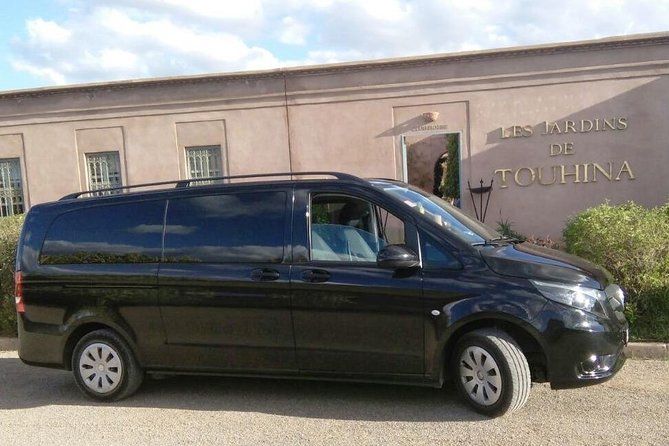
At $57 per person, this tour sits in the “serious value” category for a few reasons.
First, you’re paying for more than a driver with no plan. You’re getting a bilingual guide/driver setup plus air-conditioned transport. Second, there are multiple landmark stops, not just one viewpoint and a photo stop. You also get the camel rides included, and that alone can push the value up compared with tours that charge extra for animal experiences.
Duration is listed around 2 to 3 hours, which makes it a strong choice for cruise days or a quick city break day. And with a maximum group size of 15, it’s not a cattle-car experience. In at least one case, the group got very small, and the van setup felt like an upgrade because it made access to sights easier than a big bus approach.
So the real question isn’t just price. It’s whether you want a guided highlight mix that includes animal time and a bit of walking. If yes, $57 feels reasonable for the structure you’re getting.
Group size and guide style: why names matter here
What makes this tour work in the best versions is the human part: the guide and how they read the group.
The experience includes multiple guide names in the real-world feedback—Aziz, Nail, Khalis, Mohammad, and Omar—and the common thread is routing. Guides have helped people avoid crowds, choose routes that feel more workable, and keep the story tied to what you’re looking at rather than listing facts like a textbook.
Aziz is specifically noted for tailoring the tour to preferences and mixing site descriptions with humor, which is exactly the kind of style that keeps short tours from feeling rushed. Omar is described as taking guests from Hercules Caves to the camel ride and then into the Medina, plus stopping for lighthouse views along the way. That kind of sequencing matters because Tangier is visual—you want to arrive at the medina with your bearings first.
That said, not every execution is perfect. One mismatch included timing leaving earlier than expected and a return that did not drop people right back at the ship area, leaving them to make their own way back. Another point: some people didn’t realize they’d be walking longer than expected. So I’d treat this as a guide-led city loop that can vary slightly in how the walking and port drop-off are handled.
Cruise port timing and finding your group fast

If you’re arriving by cruise, you already know the biggest risk isn’t the sights. It’s the first 10 minutes—finding the right van and getting pointed in the right direction before the day goes sideways.
The listed meeting area is Port de Tanger Ville on Blvd. Mohamed VI in Tangier. Some experiences also include pick-up from the cruise port or your hotel. In one case, the issue wasn’t the tour itself; it was getting connected with the provider after leaving the cruise port. The fix is simple: be proactive.
- Take a screenshot of your mobile ticket confirmation details.
- Set a meeting time buffer so you’re not sprinting in the port crowds.
- When you exit the terminal area, look for other tour groups and ask around early rather than waiting until the time is already passed.
Also, double-check the return point. The experience ends back at the meeting point, but if your ship has a specific boarding location, you’ll feel better if you confirm where the van will drop you in relation to the ship entrance.
Who should book this Tangier city break
This works best for you if you:
- Want a short, structured Tangier intro with multiple major stops
- Like the idea of camel rides included in a city tour
- Prefer small-group navigation, especially in market streets
- Have limited time and want a guide to handle the “where next” problem
It might not be the best match if you:
- Need minimal walking and fully wheelchair-friendly routing (the experience may include a longer walk in some versions)
- Are strict about exact timing and exact ship drop-off location on cruise days
- Prefer paying only for entrances you fully choose in advance (since caves admission can be extra depending on the stop)
Should you book this tour?
I’d book it if you’re doing Tangier with limited hours and you want a guided mix: colonial streets in La Montagne, a standout viewpoint at Cape Spartel, and the camel ride portion that turns a normal city stop into a memorable one.
I would not book it blindly if you’re mobility-limited or if you absolutely need an exact cruise return drop-off at a specific pier entrance. In those cases, confirm walking length expectations and ask exactly where you’ll end up after the tour.
Overall, for the money and the time, this is a solid way to get grounded fast in Tangier—especially if you like having a local guide steer you through the city’s visual and street maze.
FAQ
How long is the Tangier Scenic Drive and Camel Trek?
The tour runs about 2 to 3 hours.
Where does the tour start and end?
It starts at Port de Tanger Ville on Blvd. Mohamed VI, Tanger, Morocco, and ends back at the meeting point.
What is included in the price?
Transport by air-conditioned minivan, a professional bilingual driver, all taxes and fees, and camel ride(s) on the Atlantic coast are included.
Are camel rides included?
Yes. Camel rides are included at the Achakar stop and again on the way back at Plage de Tanger.
What’s not included?
Food and drinks are not included, and entrance fees to the monuments are not included (including the Caves of Hercules stop marked as not included).
How big is the group?
The group is small, with a maximum of 15 travelers.
Do I need good weather?
Yes. The tour requires good weather, and if it’s canceled due to poor weather you’ll be offered a different date or a full refund.
Is the tour private?
No. It is a small group tour, not private.
Can I bring a service animal?
Yes, service animals are allowed.