REVIEW · KATHMANDU
Gokyo Lakes, Gokyo Ri Trekking Package – 10 Days
Book on Viator →Operated by Breeze Adventure Pvt Ltd · Bookable on Viator
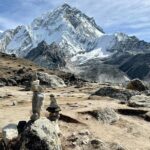
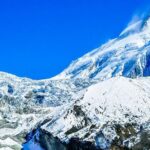
First time you look at the Gokyo Lakes, you get quiet. This 10-day Everest-region trek trades some crowd pressure for big mountain payoff, and it’s built around Gokyo Ri (5357 m) plus the blue-green lakes and the Ngozumpa Glacier setting. I really like that the route mixes classic Sherpa stops with clear acclimatization pacing, and that the company approach feels organized—like someone actually has your day planned. One drawback to consider: you’ll be walking a lot on uneven trails, and the early-morning push to Gokyo Ri is steep.
The stars here are the views and the specific way you earn them. I love the way the itinerary gets you climbing high, then gives you structured time to adjust, and you get payoff on multiple days—not just one photo moment. The trek also includes a real cultural layer, from Lukla flight scenery to Sagarmatha National Park entry and Namche-area viewpoints. The main consideration is altitude plus weather: high points and sunrise plans depend on conditions, so you should be ready for cold mornings and possible schedule shifts.
Even the support feels like part of the experience. In the past, I’ve seen this company’s team take the details seriously—pickup, smooth day flow, and a guide who keeps things calm and fun (I’ve heard names like Lhakpa and support staff like Kishwor, plus Sherpa team members such as Sarki Sherpa and Pemba). Just remember: this isn’t a luxury trip. Guesthouses are basic, and charging/shower costs can add up once you’re on the trail.
In This Review
- Key highlights I’d plan around
- Why Gokyo Lakes feels different from the usual Everest route
- Day-by-day walkthrough: what each stage gives you (and what it costs in effort)
- Day 1: Fly to Lukla, then ease into Sherpa country via Phakding
- Day 2: Namche Bazaar day—bridges, forests, and first Everest glimpses
- Day 3: Namche acclimatization—museum, Khumjung, and viewpoint time
- Day 4: The junction moment—turn toward Gokyo, then reach Dole
- Day 5: Dole to Machhermo—above the tree line, with Cho Oyu nearby
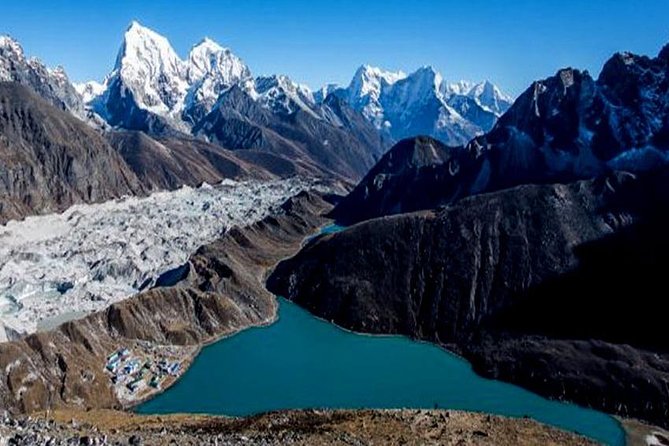
- Day 6: Gokyo Lakes day—blue-green lakes plus Ngozumpa Glacier time
- Day 7: Gokyo Ri sunrise—600 meters up for a wall of peaks
- Day 8: Down to Namche—mostly downhill, with one punchy climb
- Day 9: Namche-area descent to Lukla—bridges, villages, and one last Everest look
- Day 10: Lukla air-to-Kathmandu closure—Tenzing-Hillary airport to Manthali to Kathmandu
- Guides, support style, and why it feels reliable
- Altitude reality check: acclimatization and the Gokyo Ri effort
- What’s included, what to budget for, and where your money goes
- Practical notes that can make or break your trip
- Who this Gokyo Lakes package suits best
- Should you book this trek or look elsewhere?
- FAQ
- How long is the Gokyo Lakes, Gokyo Ri Trekking Package?
- Where does the trek start and end?
- Do I need to book international flights separately?
- Are meals included during the trek?
- Will I have a guide and support during the trek?
- Is pickup offered in Kathmandu?
- What is the highest point on the trek?
- How difficult is the Gokyo Ri climb?
- Are showers and charging included?
- What happens if weather is poor?
- Is there a limit on group size?
Key highlights I’d plan around
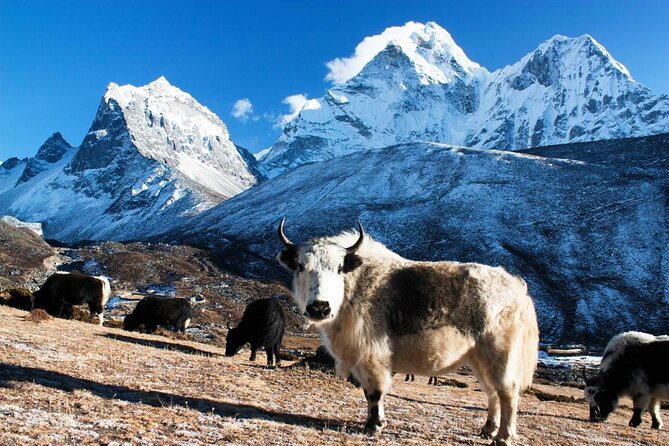
- Sunrise at Gokyo Ri: a steep 600 m climb timed for glowing peaks and big-name 8000ers in view.
- Gokyo Lakes in a sequence: you reach multiple lakes on one day, with Mt. Cho Oyu popping into the scene.
- Ngozumpa Glacier visit: you get time near the glacier that’s described as the longest in Nepal, with climate change urgency baked in.
- Practical acclimatization rhythm: Namche day includes a museum/monastery stop and an Everest Viewpoint style moment.
- Sherpa villages with real trekking cadence: Lukla, Phakding, Monjo, Dole, Machhermo, and Gokyo Village keep the days varied.
- Small group size: up to 15 people, so you’re not swallowed by a huge crowd.
Why Gokyo Lakes feels different from the usual Everest route
If you’ve got Everest fever, you’ll still get Everest views here—often. But the big difference is how the trek “spends” the day after Namche. Instead of heading straight toward the base-camp traffic jam, you peel off toward the Gokyo Valley and build toward lakes, glacier views, and a high viewpoint that feels intensely personal.
I like that this route feels calmer without being “less real.” You pass through places like Monjo (where you officially enter Sagarmatha National Park), then spend real time in the Namche area before committing to higher elevations. That matters because your body and your head both need time before the cold, thin-air days.
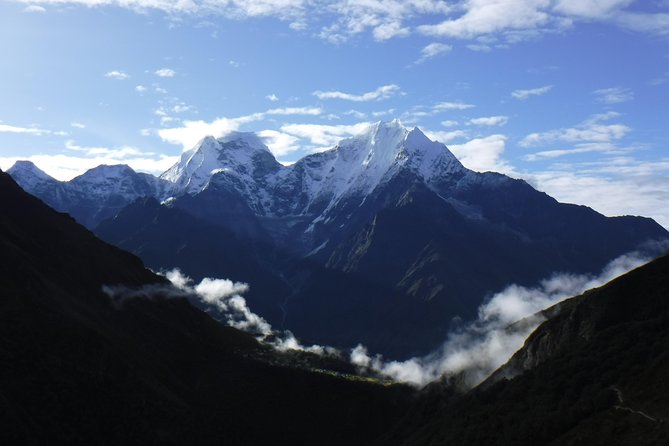
The other reason this trek stands out is the skyline. On Gokyo Ri, you’re not just seeing one mountain like a postcard; you’re looking at a wall of names. The plan specifically calls out Everest, Cho Oyu, Lhotse, and Makalu in the same view window. That’s rare.
You can also read our reviews of more tours and experiences in Kathmandu.
Day-by-day walkthrough: what each stage gives you (and what it costs in effort)
Day 1: Fly to Lukla, then ease into Sherpa country via Phakding
Your trip starts early with a flight from Kathmandu’s domestic airport to Lukla, and the journey itself is a major part of the anticipation. Once you land, you’re met by your crew and head through villages marked by mani stones and prayer wheels.
Phakding is a good first-night landing spot: you’re trekking with “Himalayan air” without immediately going hard uphill. It’s also where you start seeing how local farming and daily life sit right next to big peaks, especially with the Kusum Kanguru view mentioned as you reach the area.
Day 2: Namche Bazaar day—bridges, forests, and first Everest glimpses
This is a classic building day. You work your way from the Dudh Koshi River bank through smaller Sherpa villages, cross multiple suspension bridges, and then officially enter Sagarmatha National Park around Monjo.
You stop at Jorsalle for lunch and then continue through pine forests. The itinerary also calls out the highest suspension bridge of the Everest region in this stretch, which gives you a memorable “wow” moment even before your first full Namche evening.
What you’ll notice on this day: it’s not just about distance. The route is repeatedly changing direction and footing, which is why even moderate pacing feels like progress. By the time you reach Namche Bazaar, you’ve also earned that first glimpse of Everest.
Day 3: Namche acclimatization—museum, Khumjung, and viewpoint time
Acclimatization here is not a throwaway line; the plan gives you a real day. You start with a breakfast view (the itinerary mentions Mt. Kongde Ri) and then take a hike to the Sagarmatha National Park Museum and Khumjung Village.
The monastery stop is a memorable detail: it’s tied to the supposed Yeti scalp, and you also get to the Everest Viewpoint area. Plus, the route includes tea at the famous Everest hotel, which is a small thing that still feels worth it when you’re already at altitude.
If you do only one thing right on this day, do this: move slow and keep your effort smooth. The itinerary’s point about less oxygen at higher altitude is the whole game—this is where your trip can either feel easy later or punishing later.
Day 4: The junction moment—turn toward Gokyo, then reach Dole
This day is where the trek’s identity becomes obvious. After breakfast, you ascend briefly for a Namche top-of-town view, including Kongde Ri, then follow a gentle trail toward Kyanjuma. A specific local connection is included: this trail is said to have been built by Pasang Sherpa using donations from trekkers.
Then comes the junction, the fork where the Gokyo Lakes trek separates from the Everest Base Camp trek. If you’re curious where the “choice” happens, it’s right here.
From there, you head up toward Mong La Danda for Ama Dablam and Thamserku views, descend to Phortse Thanga for lunch, and then climb onward through birch and juniper forests to Dole. One nature note worth acting on: between Phortse Thanga and Dole is described as your best chance to spot rare musk deer. Bring patience, not just photos.
Day 5: Dole to Machhermo—above the tree line, with Cho Oyu nearby
This stretch is about four hours on a gradual uphill path. The itinerary highlights that you can see Mt. Cho Oyu after about 15 minutes from Dole, which is a nice early reminder that your hard-earned altitude is paying off quickly.
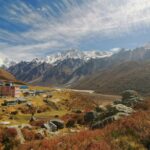
There are a couple of small villages en route (Lafarma and Luza) where you can rest. By the time you reach Machhermo, you’re above the tree line, and that shift changes everything: less cover, more open wind exposure, and often sharper light in the mountains.
Machhermo is described as quiet and close to a river, which makes it feel like a real staging ground rather than just another bed-night. After lunch, you can explore the village at your own pace.
Day 6: Gokyo Lakes day—blue-green lakes plus Ngozumpa Glacier time
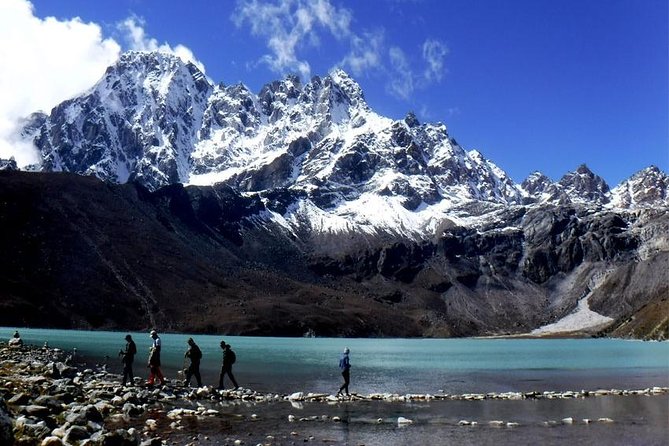
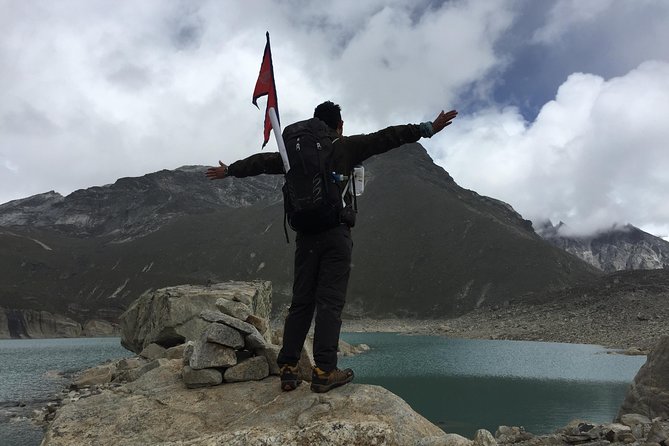
This is the centerpiece day. You start with a tea stop en route to the lakes, then hike for about an hour before reaching the first lake. After another hour, you see the second lake nearby, then you hike about another hour to reach the third lake.
The details matter because the lakes are not one quick stop; it’s a progression. The itinerary also calls out Mt. Cho Oyu views from the third lake area, and it’s the kind of “layering” that makes Gokyo Lakes feel different from a single-view trek.
You have lunch at the lakes and then walk up to Ngozumpa Glacier. The trek frames the glacier as the longest in Nepal and notes it’s melting rapidly due to climate change. I found that pairing important: it changes the emotional tone. You’re not just sightseeing; you’re witnessing a change in real time.
From there, you continue to Gokyo Village for your overnight.
Day 7: Gokyo Ri sunrise—600 meters up for a wall of peaks
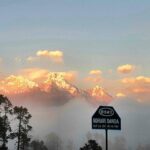
The goal is to reach Gokyo Ri before sunrise, because the view is described as glowing peaks. The climb is steep: the itinerary notes about 600 meters up.
This is where you feel the altitude. Even if you’re fit, you’ll feel your breathing. The payoff is big: the plan specifically mentions four 8000-meter peaks in front of you—Everest, Cho Oyu, Lhotse, and Makalu.
After the sunrise viewpoint, you head back to Gokyo Village for breakfast, then trek back to Machhermo and sleep again. That “up early, down later” rhythm is tiring, but it’s also efficient: you get your moment and then return to a familiar base altitude.
Day 8: Down to Namche—mostly downhill, with one punchy climb
You start after breakfast and head down to Namche Bazaar, passing back through Dole. The trail is mostly downhill except for a 40-minute climb from Phortse Thanga to Mong La Danda.
Once you pass that point, the route becomes easier and includes Kyanjuma. You stop in Namche Bazaar again for exploring and buying souvenirs, and then you overnight in a guesthouse.
This is a psychologically helpful day. After the intensity of Gokyo Ri and the lakes, walking downhill gives you a chance to recover while still staying in the trek’s flow.
Day 9: Namche-area descent to Lukla—bridges, villages, and one last Everest look
Today is mostly a long descent with several scenery “checkpoints.” The itinerary notes you start down to Lukla after breakfast with mountain views, and you spend your last half-hour enjoying one more look at Everest.
You cross six suspension bridges and pass several Sherpa villages before arriving in Lukla. After crossing the highest bridge, you walk another stretch toward Phakding, stop for lunch, and then continue to Lukla.
The itinerary wording mixes timing details, but the practical truth is simple: this day is longer than it sounds on paper. Your legs will notice. Keep your pace steady and don’t rush because you’re excited to get to the plane.
Day 10: Lukla air-to-Kathmandu closure—Tenzing-Hillary airport to Manthali to Kathmandu
You have breakfast in Lukla and then walk to Tenzing-Hillary airport for the flight to Manthali. After that, the plan calls for a drive to Kathmandu of about five hours, mostly via local villages.
If you’re the type who likes to process a trip slowly, this last day is good for that. You go from high, thin-air trekking to roads and daily life, and you’ll likely feel both tired and weirdly calm.
Guides, support style, and why it feels reliable
This is one of the best parts of the package. The company is described as super friendly and reliable, and the service pattern is consistent: airport pickup in Kathmandu, smooth coordination, and a post-trek celebration dinner.
Names show up in the experience, which I like because it signals real people running the plan. I’ve seen guide references like Lhakpa for taking great care of the group, and office support like Kishwor handling details smoothly. Sherpa team members such as Sarki Sherpa and Pemba are also mentioned in relation to friendliness and experience.
What you should take from this as a decision-maker: don’t just look at the itinerary. Look at how they communicate and how they manage the day-to-day. If the office is quick to answer questions and the guide keeps the pace sane, you’ll enjoy the trek more even when the trail is hard.
Also note the group limit: maximum 15 travelers. That’s not huge, and it usually means you’re less likely to feel like a number.
Altitude reality check: acclimatization and the Gokyo Ri effort
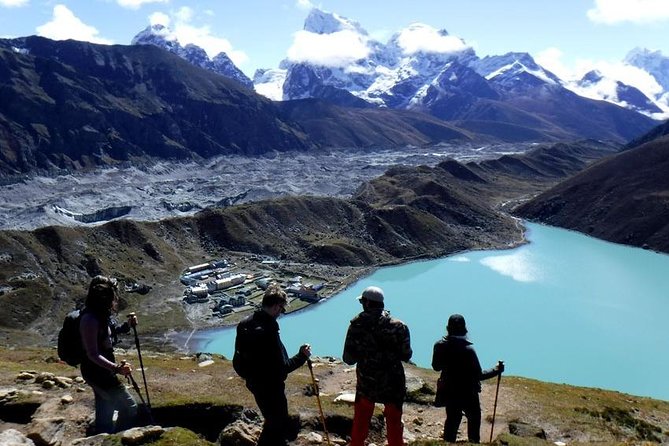
This route is built around altitude management without turning it into a slow, boring slog. You have a dedicated acclimatization day in Namche, and you also change elevation gradually between days.
Then you get hit with a real climb for Gokyo Ri: the itinerary calls it a steep 600-meter ascent. If you’re thinking about fitness, take that seriously. It’s short by duration, but steep enough that your breathing will set your pace.
The good news is that the trek doesn’t hide the challenge. It directly notes less oxygen at higher elevations and encourages you to take time for adjustment. If you follow that guidance, you give yourself a better chance to enjoy the lakes day and not feel wiped out before sunrise.
What’s included, what to budget for, and where your money goes
The price is listed as $1,686.67 per person for this 10-day package. For that, you’re getting a guided trek structure with meals and basic support.
Included items list:
- transportation to and from Tribhuvan Airport in Kathmandu
- first aid kit
- service charge and government taxes
- post-trek celebration dinner in Kathmandu
- 10 breakfasts, 10 lunches, 9 dinners
Not included:
- international airfare
- personal expenses and shopping
- shower and electronic charging fees at guest houses during the trek
- alcohol, chocolates, tea and coffee
So what does “value” mean here? It means you’re not managing meal planning and logistics every day. But it also means you should expect extra small costs once you’re on the trail, especially around charging and showers.
If you’re the kind of traveler who hates surprise fees, factor those guesthouse costs into your budget. If you’re fine with basic lodging and paying for creature comforts as needed, this price can feel fair for a focused, high-impact trekking week.
Practical notes that can make or break your trip
A few things to plan around based on the trek design itself:
- Early starts matter: Gokyo Ri is timed for sunrise, and you’ll be climbing before the day warms up.
- Suspension bridges are frequent: you cross several on route to Namche and also on your return to Lukla. If you get nervous on bridges, train yourself to keep moving and not stare down.
- Guesthouses are simple: the trek explicitly mentions shower and charging fees at guest houses, so don’t assume everything is included in comfort.
- Wildlife is possible: between Phortse Thanga and Dole, the itinerary says you have the best chance to see rare musk deer. You won’t control sightings, but you can control attention.
- Weather affects the plan: the experience requires good weather, and there’s an option to change dates or refund if canceled due to poor conditions. That’s not a guess—it’s part of how the trek is run.
Who this Gokyo Lakes package suits best
This trek fits best if you:
- want a more intimate Everest-region route than the most crowded itineraries
- like big, specific viewpoints—especially sunrise at Gokyo Ri
- can handle a moderate fitness level and long walking days
- appreciate guided coordination where you don’t have to micromanage every step
It may feel less suitable if you’re looking for a relaxed walking vacation with minimal climbing. The day-to-day effort ramps up, and Day 7 in particular is a focused test.
Should you book this trek or look elsewhere?
Book it if you want your Everest-region story to center on Gokyo Lakes and the Gokyo Ri sunrise view, not just a single “arrive, take a photo, move on” milestone. The itinerary is built to earn those views through acclimatization and a progression of high, meaningful days. And the service pattern—pickup, reliable guidance, and smooth coordination—seems consistent, with named staff like Kishwor and guides such as Lhakpa referenced in past experiences.
Look elsewhere or ask more questions first if you’re sensitive to steep climbs or you expect comfort-first lodging. This trek uses guesthouses, includes note-level costs for showers and charging, and the schedule depends on weather.
My advice: if you’re excited by the lakes-and-sunrise concept and you can commit to the physical work, this is a strong choice.
FAQ
How long is the Gokyo Lakes, Gokyo Ri Trekking Package?
It’s listed as 10 days (approximately).
Where does the trek start and end?
It starts with transportation from Tribhuvan Airport in Kathmandu and includes a return drive back to Kathmandu after the trek.
Do I need to book international flights separately?
Yes. International airfare is not included.
Are meals included during the trek?
Yes. The package includes breakfast (10), lunch (10), and dinner (9).
Will I have a guide and support during the trek?
Yes. The experience includes a guide/crew setup, and there is a first aid kit included.
Is pickup offered in Kathmandu?
Transportation to and from Tribhuvan Airport is included, and pickup is offered.
What is the highest point on the trek?
The highlight peak is Gokyo Ri at 5357 meters / 17,575 feet.
How difficult is the Gokyo Ri climb?
The plan describes Gokyo Ri as a steep 600-meter climb timed before sunrise.
Are showers and charging included?
No. Shower and electronic charging fees at guest houses during the trek are not included.
What happens if weather is poor?
The experience requires good weather. If it’s canceled due to poor weather, you’ll be offered a different date or a full refund.
Is there a limit on group size?
Yes. The maximum group size is 15 travelers.