REVIEW · KATHMANDU
Everest Base Camp Trek from Kathmandu 12 Days
Book on Viator →Operated by My Dream Adventure (MDA) · Bookable on Viator
Everest starts with a tiny plane ride. This 12-day Everest Base Camp trek from Kathmandu packs in iconic Everest views and Sherpa culture through places like Namche Bazaar, Tengboche, and Dingboche. You’re moving with an English-speaking trekking guide, and you’ll sleep in guesthouses along the Khumbu route.
The biggest thing to consider is that this is still a serious trekking circuit. You’ll hit long walking days, rocky sections, and an early-morning climb for the best viewpoints, so you’ll want a strong physical fitness baseline before you go.
In This Review
- Key Highlights You’ll Feel on This Trek
- Why This Everest Base Camp Trek Works for Most First-Timers
- Kathmandu to Lukla: The Start That Feels Like a Game-Changer
- Phakding to Namche Bazaar: River Views, Suspension Bridges, and Town Energy
- The Namche Rest Day: More Than Just Sitting Still
- Tengboche: Dusty Trail, Monastery Views, and Time for Photos
- Dingboche: Old Monastery, Alpine Woods, and Another Acclimatization Day
- Lobuche to Gorakshep: Where the Trail Turns Serious
- Everest Base Camp and Kala Patthar: Two Different Kinds of Wow
- The Return from Pheriche to Lukla: Less Drama, Still Real Work
- Price and Value: What $1,350 Buys You (and What It Doesn’t)
- Who Should Do This Trek (and Who Might Reconsider)
- Should You Book This Everest Base Camp Trek?
- FAQ
- How long is the Everest Base Camp trek from Kathmandu?
- What is included in the price?
- Are flights included to and from Lukla?
- Do I need a trekking permit, and what information is required?
- What kind of accommodation is provided during the trek?
- Is the trip private or group-based?
- How difficult is the trek, and who is it best for?
- What is the cancellation window for a full refund?
Key Highlights You’ll Feel on This Trek
- Lukla flights are included round-trip between Kathmandu and Lukla, which sets the whole schedule in motion
- English-speaking guide support (guides like Milan and Bikram are named in past experiences for professionalism and kindness)
- Acclimatization days are built in at Namche Bazaar and Dingboche so your body has chances to catch up
- Two view days matter most: Everest Base Camp itself, plus an early start to Kala Patthar
- Guesthouse accommodation is included each night, keeping logistics simple
- Kathmandu hotel pickup/drop-off is included so you’re not scrambling on arrival day
Why This Everest Base Camp Trek Works for Most First-Timers
There’s a reason Everest Base Camp stays on so many bucket lists: it’s one of the few places where big mountains feel close enough to change your mood. This trek is designed to get you to the Khumbu region with a real flow—starting with the Kathmandu to Lukla hop, then building altitude gradually with breaks that actually make sense.
I like that this experience doesn’t treat the trail like a straight line. You get structured days in Namche Bazaar and Dingboche where you can stay active without rushing, and that’s important because altitude doesn’t care about your plans.
Another plus is how much the trip leans on people who know the area. Guides such as Milan, Bikram, and Bishnu are specifically mentioned in past experiences for being experienced and supportive, and for keeping everything organized—especially around acclimatization and day-to-day comfort in the mountains.
The practical question for you: is it good value? At $1,350 per person, this price includes round-trip flights, permits, guesthouses, and an English-speaking guide. That’s a lot of the cost that usually turns a dream trek into a messy spreadsheet.
You can also read our reviews of more tours and experiences in Kathmandu.
Kathmandu to Lukla: The Start That Feels Like a Game-Changer
Day 1 kicks off with a transfer to the domestic terminal in Kathmandu so you can catch your scheduled morning flight to Lukla. You’re not left figuring out transport details; you’re moved into the trek rhythm right away.
Then comes the first real reality check: you’re in the mountains fast. After landing, you meet your trekking guide and begin the hike toward Phakding. Today is intentionally not a monster day—about a few hours on foot—so you can get moving and help your body settle in.
What makes this first stretch worth paying attention to is pacing. When your first hike is short, you’re more likely to keep your energy for the next day’s climb toward Namche Bazaar. It’s the difference between feeling like you’re beginning a journey versus surviving the first day.
If you’re the kind of traveler who likes things organized, this part should feel reassuring. Past experiences mention guides being careful about safety and comfort, and the trip includes a first aid kit with your guide.
Phakding to Namche Bazaar: River Views, Suspension Bridges, and Town Energy
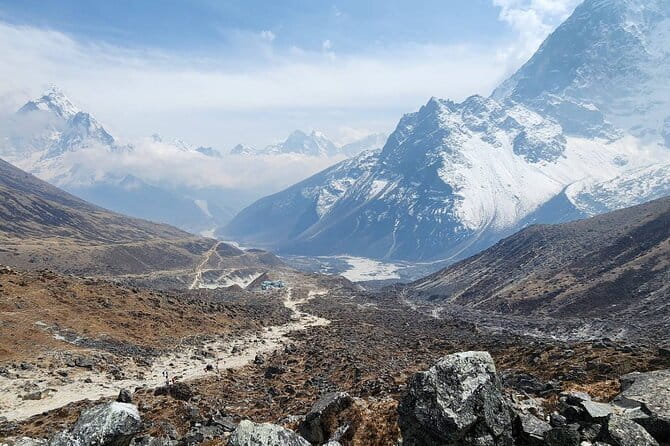
On Day 2 you hike from Phakding to Namche Bazaar, and the route moves through pine forest along the Dudh Koshi River. There’s also the familiar Khumbu rhythm of suspension bridges, and they add a little extra drama to the day—especially when you can see how high the river banks rise.
Plan on a full walking day here (about six hours). This is one of those days where your pace matters more than your speed. The terrain may look scenic and doable, but your breathing changes when altitude starts catching up.
What you’ll likely appreciate about reaching Namche is that it’s not just a waypoint. It’s a lively Sherpa town where you can rest your legs while still feeling like you’re part of the region. Then Day 3 gives you the chance to do it properly.
The Namche Rest Day: More Than Just Sitting Still
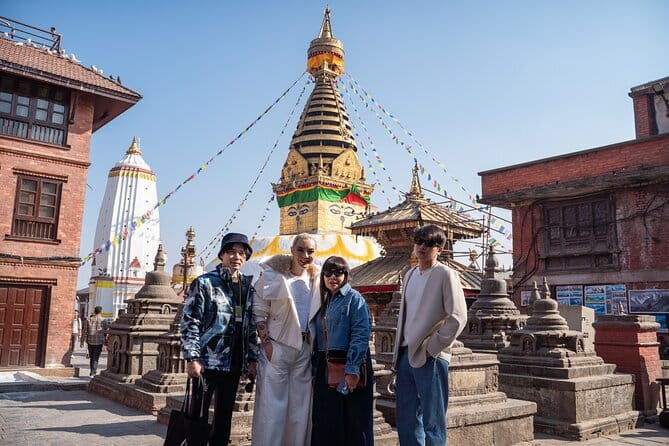
Day 3 is built as a pause that still keeps you moving. The plan includes options: a day hike to Thame or Khunde, or simply exploring Namche Bazaar itself, with a focus on staying active instead of being idle all day.
This is smart. At these elevations, doing nothing can make you feel more sluggish. A slow day hike keeps blood moving and helps you acclimatize without turning your rest day into a second summit attempt.
Namche also gives you the cultural angle in a hands-on way. You can mix monastery visits and village time with the mountain views you’re there for. The Sherpa community isn’t an add-on; it’s woven into how the Khumbu region works day to day.
If you’re coming from sea level, consider this rest day your tool for success. People often think the hardest part is reaching the next place on the map. On Everest routes, the hardest part is staying healthy enough to keep going.
Tengboche: Dusty Trail, Monastery Views, and Time for Photos
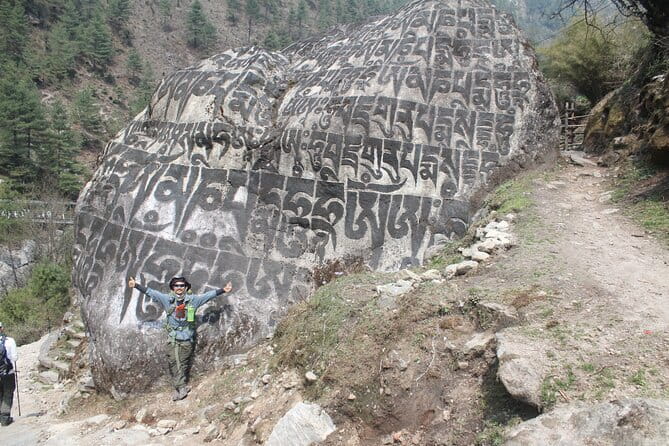
Day 4 heads toward Tengboche, and the day’s described as dusty and winding. That’s a good clue for how it will feel: lots of walking, some bumpy sections, and less of a straight-road experience.
The payoff is the panoramic view from the monastery area. Tengboche is one of those stops where you get a moment to slow down, take in the big peaks, and reset mentally.
This day is also framed to support photography. The trek notes that there aren’t many hard ascents and descents, which matters if you want time to stop, look, and breathe without constantly fighting gravity.
If you’re traveling with a group and want shared timing, this is a nice day to connect. A good guide can pace the group so you’re not rushing through viewpoint time, and past experiences often highlight guides as professional and kind.
Dingboche: Old Monastery, Alpine Woods, and Another Acclimatization Day
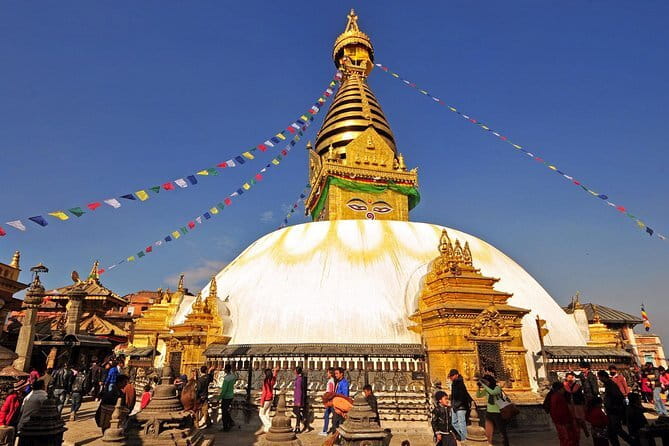
Day 5 shifts from Tengboche to Dingboche. Before the main walking continues, you visit the region’s oldest Buddhist monastery (as described in the plan), then you move through alpine woods and past settlements like Upper Pangboche.
The trek to Dingboche is about taking the region seriously while still keeping the day manageable. It’s a longer day (about seven hours), so you’ll want to keep your effort steady rather than peaking early.
Day 6 is another rest day in Dingboche, with options to explore the surrounding villages. It’s a chance to get your bearings at higher altitude and reduce the chance of pushing too hard too fast.
This is where the Sherpa culture really shows up through daily life. Monasteries, villages, and how people move through the terrain are part of the experience, not just scenery.
And this is also where your guide’s planning matters. Past experiences mention acclimatization plans being handled carefully, which can be the difference between enjoying the mountains and simply enduring them.
Lobuche to Gorakshep: Where the Trail Turns Serious
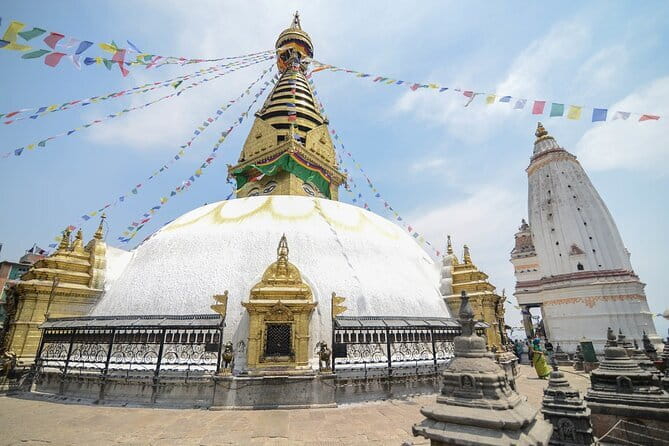
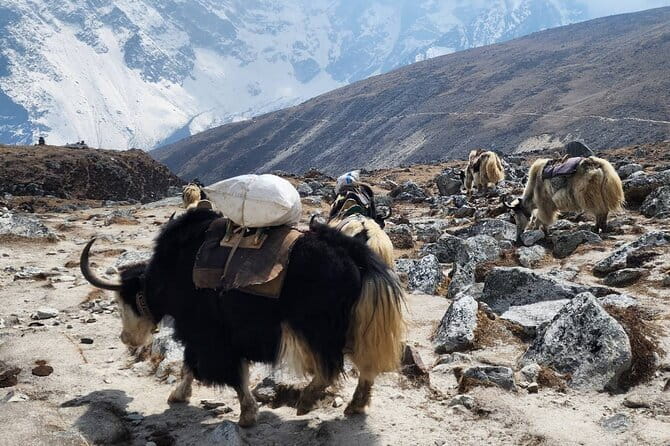
Day 7 brings you to Lobuche, and it’s described as a difficult trek with boulders and mountain yaks passing by along the way. You’ll start through the Khumbu Khola valley, climb toward Duglha, and continue as the valley shrinks nearer Dusa.
This is one of the days where you’ll feel that Everest Base Camp isn’t a leisurely hike. It’s still part of an organized itinerary with guide support, but your legs will work.
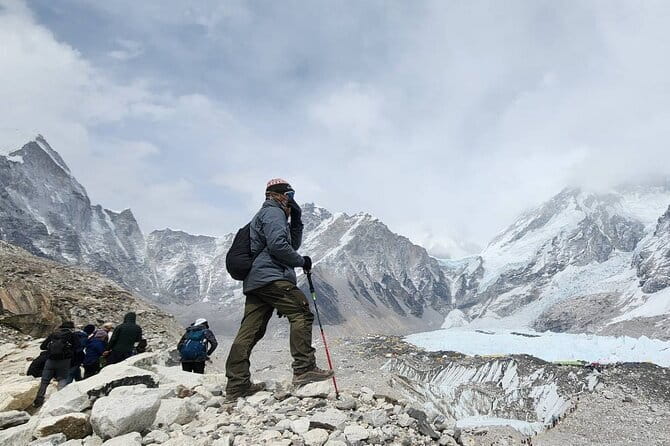
Then Day 8 pushes onward to Gorakshep and onward to Everest Base Camp. The route goes along the side of the Khumbu Glacier, and you pass features like the pyramid signpost and a climb toward Thangma Riju.
That setup matters because it builds toward the moment you came for. When you finally reach Everest Base Camp (after leaving Gorakshep), the emotional payoff feels earned.
You’ll spend time at Base Camp and then return to Gorakshep for overnight. In trekking terms, this is a full day, not just a quick visit. Time at Base Camp is the point, but the logistics of getting there and back is part of the challenge.
Everest Base Camp and Kala Patthar: Two Different Kinds of Wow
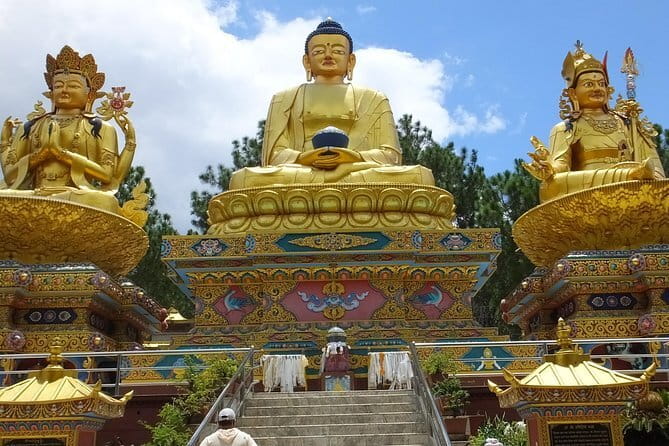
Reaching Everest Base Camp is your headline moment. The plan explicitly frames it as the destination—after the views of Everest and surrounding peaks, you arrive at the Base Camp area and enjoy the time there.
Then comes the next morning: Day 9 starts early for Kala Patthar. This viewpoint is described as one of the finest for the EBC trek, and that early start is there for a reason—morning timing often gives clearer views when weather cooperates.
Kala Patthar is the moment where the mountains can look almost unreal. Even if you’ve studied photos for years, being there in person changes scale. The trek notes that from Kala Patthar you can observe major peaks—exact names mentioned include Everest, Lhotse, Nuptse, and Makalu among others.
After the viewpoint time, you descend back toward Pheriche, staying overnight after the gradual drop.
If you’re trying to pick one day that will shape your whole trip, it’s Day 9. Your body may complain. Your mind will probably thank you.
The Return from Pheriche to Lukla: Less Drama, Still Real Work
The return journey starts on Day 10, heading back through the same general region toward Namche Bazaar. The route follows the terminal moraines at Dughla and the wider Khumbu Khola valley. Along the way you pass Sherpa villages like Pheriche and Ors (as written in the plan), and then continue toward Namche Bazaar.
This part of the trek is where many people regain confidence. You know the route better, and your brain has already learned how the mountains behave.
Day 11 brings a steep downward trail to Phakding, and you’re advised to walk slowly and under control because shaky legs fight the rocky terrain. That’s honest, and it’s exactly the kind of detail that helps you prepare mentally.
Then you continue to Lukla for the overnight. By this point, you’ve done the hard part already. The trick is not getting sloppy on the downhill.
Day 12 finishes with the flight back to Kathmandu. The schedule mentions a morning flight from Lukla to Tribhuvan International Airport in Kathmandu, taking about 35 minutes, followed by time in Thamel.
Price and Value: What $1,350 Buys You (and What It Doesn’t)
Let’s talk value in plain terms. At $1,350 per person, this trek includes hotel pickup and drop off in Kathmandu, round-trip flights Kathmandu to Lukla and back, trekking permit and TIMS card, an English-speaking trekking guide, guesthouse accommodation, and a first aid kit with your guide. It also notes that the trip is private for your group.
That’s the big money handled. Flights, permits, and guides are usually the core costs of any Everest Base Camp plan. So your money mostly goes toward the key services you cannot easily self-organize safely.
The main thing not included is personal expenses. That’s broad, but it usually means snacks, extra drinks, and anything outside the provided services.
If you’re trying to decide whether this is a bargain or a splurge, compare what’s included against what you’d have to arrange yourself: flights, permits, guide time, and daily lodging. If you’d end up doing those separately, the price often stops looking high and starts looking fair.
Who Should Do This Trek (and Who Might Reconsider)
This Everest Base Camp trek is best for travelers who:
- want iconic Himalayan views plus real Sherpa culture in the Khumbu region
- prefer having an English-speaking guide handle the route details and daily pacing
- can commit to a strong fitness level, including long walking days and early mornings
- enjoy guesthouse-style lodging rather than expecting hotel comforts
It might be a poor fit if you’re looking for a short, easy hike. Even with rest days in Namche Bazaar and Dingboche, the trek is still demanding, and the route includes difficult sections like the push toward Lobuche.
Also, if you’re sensitive to heavy logistics, this plan is probably a relief. The trip includes Kathmandu pickup/drop-off and scheduled flights, which means fewer moving parts for you.
Should You Book This Everest Base Camp Trek?
If your dream is Everest Base Camp with expert guide support, this is the kind of plan that can make it feel achievable. I like that it’s set up with acclimatization days, guesthouse lodging included, and a guide team that’s described as organized and safety-minded, with names like Milan, Bikram, and Bishnu showing up in past experiences.
Book it if you want a structured trek with major viewpoint days—Everest Base Camp and Kala Patthar—and you’re physically ready for long, working walks. Skip it if your fitness level is uncertain or you want something easy and laid-back.
FAQ
How long is the Everest Base Camp trek from Kathmandu?
The trek runs for 12 days approximately, ending with a return flight to Kathmandu on day 12.
What is included in the price?
The price includes hotel pickup and drop-off, round-trip flights Kathmandu to Lukla to Kathmandu, trekking permit and TIMS card, an English-speaking trekking guide, guesthouse accommodation, a first aid kit with the guide, and a private trip.
Are flights included to and from Lukla?
Yes. Round-trip flight tickets from Kathmandu to Lukla and back to Kathmandu are included.
Do I need a trekking permit, and what information is required?
You need a trekking permit and a TIMS card, which are included. You’ll need to provide your passport details and a photo (a selfie works) to issue the trekking permit.
What kind of accommodation is provided during the trek?
You’ll stay in guesthouses during the trek, and the accommodation is included.
Is the trip private or group-based?
This is set up as a private trip, meaning only your group participates.
How difficult is the trek, and who is it best for?
It’s intended for travelers with strong physical fitness. The itinerary includes days of substantial walking, rocky terrain at points, and an early start for Kala Patthar.
What is the cancellation window for a full refund?
You can cancel up to 3 days in advance for a full refund. Canceling less than 3 days before the start time does not result in a refund.