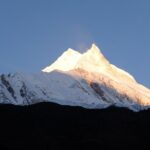
Annapurna Base Camp is a bucket-list grind worth it. This trek is interesting because it packages the whole plan for you, including the airport transfers and the permit setup, so you can focus on hiking. I especially like the small-group size, and I also like that meals and overnight stays are handled along the way. The main drawback to consider is that the trek price does not include everything you might expect, like your visa, international flights, and optional porter help.
What makes this route work is the mix of day hikes with bigger viewpoint moments, especially around Poon Hill. You also get real time to reset in cities first in Kathmandu and later in Pokhara. One more thing to keep in mind: you do need a moderate fitness level because the trail has plenty of ups and downs, including steep sections early on.
From what I’ve seen people highlight, the guide matters a lot here. Indra is called out as attentive and knowledgeable about routes, terrain, and weather, which is exactly what you want when conditions shift fast in the mountains. If you’re planning your first high-altitude trek or you just want fewer moving parts, this kind of organized setup can be a smart way to get there.
In This Review
- Quick hits before you lace up for Annapurna Base Camp
- Why this 11-day Annapurna Base Camp trek feels efficient (and not rushed)
- From Kathmandu to Pokhara: the ride that lines up your views
- Day-to-day hiking: from Nayapul to Tikhedunga and Ulleri’s first punch
- Poon Hill sunrise views: the day that gives you big Himalaya payoff
- Chhomrong and the approach to the sanctuary gates
- Base Camp day: views plus the real work of heading back
- Coming down to Nayapul and finishing in Kathmandu by tourist bus
- Price and logistics: what this package includes, and what it doesn’t
- Your guide (and why Indra is a big deal here)
- What to pack when the trek includes a down jacket but not your whole life
- Who this Annapurna Base Camp package suits best
- Should you book this Annapurna Base Camp trek?
- FAQ
- How many days is the Annapurna Base Camp trek?
- Where does the trip start, and when?
- Is airport pickup and drop-off included?
- What is the maximum group size?
- Are meals and overnight stays included?
- Do you get time to visit Kathmandu and Pokhara?
- What trekking permits are included?
- Is a sleeping bag and down jacket provided?
- Is a porter included?
- How late can you cancel for a full refund?
- Is travel insurance included?
Quick hits before you lace up for Annapurna Base Camp
- Small group (max 10 travelers): more attention from your guide without feeling like you’re hiking in a crowd.
- Airport pickup and drop-off: you start and end with less hassle in Kathmandu.
- Meals and overnight stays included: fewer logistics, fewer decisions, less money spent on the trail.
- Poon Hill sunrise views: a big payoff day designed for panoramic Himalayan moments.
- Base Camp plus an organized return: you get the Base Camp visit and a planned descent back toward Bamboo/Dovan.
- Permits handled: Annapurna Conservation Permits and TIMS are included in the tour costs.
Why this 11-day Annapurna Base Camp trek feels efficient (and not rushed)
Annapurna Base Camp (ABC) is legendary, but the best part of a good trek plan is that it doesn’t waste your energy on admin. This itinerary is set up to move you from Kathmandu to Pokhara, then into the Annapurna region, then back out with a clear rhythm through the mountains.
You’ll spend about 11 days total, and the pacing is built around several key hiking days rather than one long suffer-fest every single day. That matters because ABC is not just about distance. It’s about staying steady on uneven ground, managing cold mornings, and keeping your body calm as altitude creeps up.
Another practical win: you get time to explore Kathmandu and Pokhara while your trek is already sorted. That’s huge if you’re coming from far away and you want a satisfying trip even if you’re tired after the trek.
You can also read our reviews of more tours and experiences in Kathmandu.
From Kathmandu to Pokhara: the ride that lines up your views
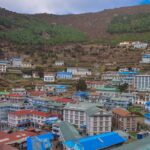
Day 1 is mostly a travel-and-transition day. You drive from Kathmandu toward Pokhara, and the route follows the Trisuli and Marsyangdi rivers. That’s the good kind of road trip in Nepal: rivers, villages, and mountain silhouettes showing up along the way.
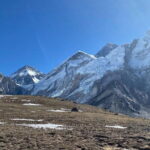
You also get viewpoint moments before the trekking even starts, with sightings of Ganesh Himal and Manaslu from the drive. It’s not just scenery for scenery’s sake. Those early mountain peeks help you mentally prepare for what the trek will feel like: bigger air, colder nights, and long-range views that don’t care about your schedule.
If you dislike chaotic transfers, this is a relief day. You’re not figuring out local buses and changing vehicles with luggage. The tour includes transportation for Kathmandu to Pokhara and back, so you can sleep, eat, and reset.
Day-to-day hiking: from Nayapul to Tikhedunga and Ulleri’s first punch
Your trekking proper begins around Nayapul, reached by a roughly 1.5-hour drive. Then you hike out to Tikhedunga (1577m) via Birethanti (1065m). This first hiking step is short enough to feel like a start line, not a wall—about 4 hours.
Day 3 is where you feel the trail start to work you. After breakfast, you ascend steeply for the first two hours, then the path eases into a gentler climb as you pass Ulleri (2070m) and Banthanti. This is the kind of day that helps your legs warm up without sending you straight into Base Camp mode.
What I like about these early stages is that they teach you the trek’s rhythm: climb, pause, climb again. It also gives you a chance to test your gear (boots, socks, rain layer) before you’re deep in the mountains.
One consideration: Tikhedunga and Ulleri sit at altitudes where the cold can show up unexpectedly in the mornings and evenings. Even if the trail feels active, you’ll still want layers that handle quick temperature swings.
Poon Hill sunrise views: the day that gives you big Himalaya payoff
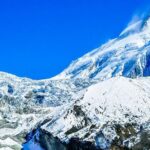
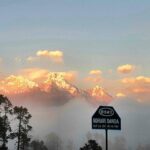
Day 4 is built around hiking to Poon Hill (3232m). This is one of ABC’s most satisfying “wow” moments because it’s explicitly timed for sunrise views over several major peaks, including Dhaulagiri, Tukuche Peak, Nilgiri, Varaha Shikhar, Mt. Annapurna I, and Annapurna South.
Day 4 lasts about 6 hours, which means you’re not spending the entire day on a single grind. You get a planned route that gets you to a viewpoint, then moves you onward without turning the day into an all-day wait.
Day 5 then continues the hiking flow from the Poon Hill area toward Ghorepani. Expect a descent through dense forests with rhododendron and oak. The trail here feels more about walking comfort than about sprinting uphill. The little things matter too—birds and forest sounds are part of the mood.
If you want a trek that alternates between hard effort and atmospheric sections, this is where it starts to feel balanced.
Chhomrong and the approach to the sanctuary gates
Day 6 is the kind of day that checks your balance and endurance. After breakfast, the trail descends on stone stairways for the first 1.5 hours, then crosses the Chhomrong Khola via a suspension bridge. After that, you climb out of the side (the itinerary notes a climb that follows the bridge crossing).
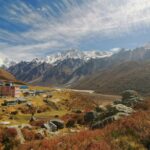
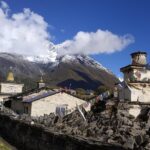
Day 7 focuses on getting you into the Chhomrong area. The valley widens and the route becomes less steep, and you can see the gates to the sanctuary from here. The trail also includes crossings after the valley opens, including sections tied to avalanche-prone terrain.
This part of the trek is valuable for two reasons. First, it’s a clear change in feel—from earlier climbs into a more spacious approach. Second, it helps you mentally connect the dots between villages, river valleys, and the final push toward Base Camp.
Practical note: suspension bridges can feel intimidating if you’re not used to them. Take your time, keep your feet steady, and don’t rush the middle of the bridge.
Base Camp day: views plus the real work of heading back
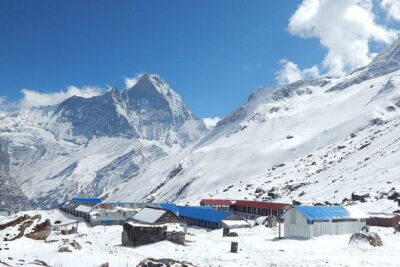
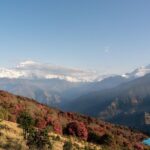
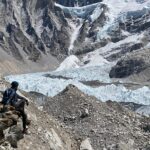
The Base Camp day comes as a highlight. On Day 8, you visit Annapurna Base Camp and take in surrounding Himalayan views described as amazing. Then you start the return trek back toward the area called Dovan. The day’s stop is listed around Bamboo, which is basically the pattern you’ll notice on the return: you go from a big goal back toward the next village stage.
This is the day where a lot of people feel two emotions at once. You’re excited at Base Camp, then you remember you still have to hike back down. That’s not a flaw. It’s how the trek stays logical and not overly exhausting.
Day 9 continues the descent rhythm. You start after breakfast, descend toward Bamboo through forests with rhododendron, oaks, and bamboo plants. After Bamboo, the itinerary mentions a steep climb for about an hour, which keeps you from coasting too much.
That blend is important. The trek doesn’t just dump altitude loss on you in one long slide. It’s structured so you keep moving with a plan.
Coming down to Nayapul and finishing in Kathmandu by tourist bus
Day 10 shifts into the return logistics. After breakfast you begin with descent, then the trail becomes flatter until Birethati. You stop for lunch there, then walk about 30 minutes to Nayapul, positioning you for the final transfer.
Then Day 11 is the cleanup day: you take a tourist bus at 7 AM after breakfast to drive to Kathmandu. The drive is about 7 hours and gives you a last look at satellite towns and rural settlements, with rivers gushing along the way.
This matters more than it sounds. A proper return day keeps you from feeling stranded at the end of the trek. You arrive in Kathmandu with your energy intact enough to sleep, eat well, and reflect on what you just did.
Price and logistics: what this package includes, and what it doesn’t
At $785.72 per person, this is not a bare-bones trek deal. It’s closer to a “most things handled for you” package, which is often worth it when you value simplicity.
Here’s what you get that directly reduces cost and stress on the trail:
- Guide included
- Accommodation for 10 nights
- All meals and overnights included (dinner 8, lunch 9, breakfast 10)
- Transportation Kathmandu–Pokhara–Kathmandu
- Annapurna Conservation Permits and TIMS
- Sleeping bag and down jacket provided, plus a trekking map if necessary (and returned after the trek)
- All fees and taxes covered
- Insurance for the guide (not the same as your personal travel insurance)
And here are the notable gaps you must plan for:
- International flights to and from Nepal
- Nepal visa fee (you can get it on arrival at Tribhuvan International Airport, and you’ll need 2 passport-size photos)
- Tips for the guide and driver
- Your travel insurance (compulsory)
- Personal expenses
- Alcoholic and non-alcoholic drinks and desserts
- Trekking porter if you want one: $20 per day
So the value question isn’t just the base price. It’s whether you’ll have to pay for the same admin and setup on your own. If you hate juggling permits, pickup timing, and where to sleep each night, this price starts to look like paying for time and certainty.
If you’re the type who loves planning and already owns appropriate cold-weather gear, you might feel less of a “bundle discount” value. Still, you’re paying for an organized trek, not just equipment.
Your guide (and why Indra is a big deal here)
A trek can look simple on paper. In real life, weather changes, paths get tricky, and altitude makes every decision feel heavier.
One highlight tied to this trekking style is the guide Indra, described as attentive and knowledgeable about route options, terrain, and weather conditions. That’s exactly the kind of competence that can help you avoid wrong turns, read conditions better, and keep the day moving at the right pace.
Also, this package includes the guide’s salary and food, plus guide accommodations. That usually means you aren’t negotiating basic support daily. You’ll have someone coordinating the flow and helping the logistics feel invisible, which is the goal.
What to pack when the trek includes a down jacket but not your whole life
You won’t show up empty-handed. The trek includes a sleeping bag and a down jacket if necessary, plus a trekking map. That’s a real savings for many first-timers who don’t want to buy or ship bulky gear.
But you’ll still want your own basics, because included gear often covers one chunk of the comfort equation. Bring layers for changing temperatures, a way to handle rain, and essentials for day-to-day hiking comfort.
If you’re doing your first ABC trek, focus on items that keep you warm at night and functional during daytime. Cold mornings and evenings can make even a short walk feel longer than it is.
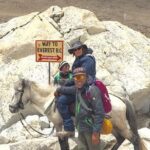
Also, consider whether you’ll benefit from a porter. The option is there at $20 per day, but whether it’s worth it depends on how much you plan to carry. If you’re packing more than you need, you’ll feel it on descents and suspension bridges.
Who this Annapurna Base Camp package suits best
This is a strong fit if:
- You want a small group experience and less chaos on transfers
- You prefer to have meals, permits, and lodging handled
- You’d like sightseeing time in Kathmandu and Pokhara without sacrificing the trek
- You have moderate fitness and you’re ready for steep sections early on
It might not be the best fit if:
- You already have everything you need and want total DIY control
- You’re traveling with a super tight budget and want to cut guide or permit-related costs
- You’re not comfortable paying for common add-ons like a porter, tips, or your own travel insurance
Should you book this Annapurna Base Camp trek?
Yes, if you want the classic ABC experience with the annoying parts removed. The package hits the essentials that matter on a big trek: guide support, permits, included meals, and a sensible route that includes Poon Hill and the Base Camp visit.
Before you click confirm, do the quick math for what you’ll still pay: visa, international flights, tips, drinks, desserts, your travel insurance, and the possibility of a porter. If those additions won’t shock you, you’ll likely appreciate how clean the logistics feel.
FAQ
How many days is the Annapurna Base Camp trek?
The trek runs for 11 days (approx.).
Where does the trip start, and when?
You start at Tribhuvan Airport, Kathmandu at 7:15 AM.
Is airport pickup and drop-off included?
Yes, airport pickup and drop-off are included.
What is the maximum group size?
The tour has a maximum of 10 travelers.
Are meals and overnight stays included?
Yes. All meals and overnights are included, with dinner, lunch, and breakfast listed in the included items.
Do you get time to visit Kathmandu and Pokhara?
Yes. The plan includes transportation and time for Kathmandu and Pokhara as part of the overall trip.
What trekking permits are included?
The trek includes Annapurna Conservation Permits and TIMS.
Is a sleeping bag and down jacket provided?
Yes. A sleeping bag and down jacket are included if needed, and a trekking map is also provided if necessary.
Is a porter included?
A porter is not included. If you need one, it costs $20 per day.
How late can you cancel for a full refund?
You can cancel up to 3 days in advance of the experience start time for a full refund.
Is travel insurance included?
Your travel insurance is not included. It’s listed as compulsory, while insurance for the guide is included.