REVIEW · KATHMANDU
Annapurna Circuit Trek
Book on Viator →Operated by Adventure Bound · Bookable on Viator
This trek rewards you fast, then keeps stacking the scenery. You get a classic circuit route, but with an expert guide handling safety and logistics so you can focus on the walk, the villages, and the changing terrain.
What I really like is the day-by-day structure paired with tea house comfort. You also get real value in the basics: permits, TIMS, and a licensed guide are handled, so you’re not spending your energy on admin.
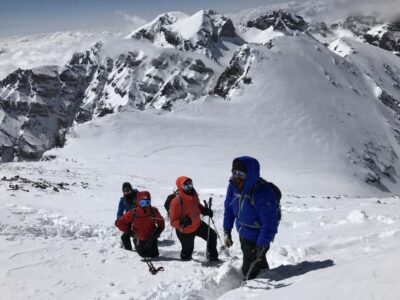
One thing to think through: this is a high-altitude route with serious cold potential at night. A trekker described drops to around -20°C with wind strong enough to freeze water, so you’ll want to show up ready for winter conditions.
In This Review
- Key highlights
- Annapurna Circuit: A Route That Changes All Day Long
- Price and Logistics: What $1,175 Really Covers
- Kathmandu to Jagat: The Long Drive That Sets the Tone
- Jagat to Dharapani to Chame: Start Walking, Start Climbing
- Chame to Pisang to Manang: Villages, Higher Air, and the Build-Up
- Manang Acclimatization Day: Your Safety Buffer
- Yak Kharka to Thorong Phedi: Thin Air, Fewer Margins
- Thorong La to Muktinath: The Pass Day You’ll Remember
- Muktinath to Jomsom: Wind, Views, and a Real Descent
- Tatopani to Ghorepani to Poon Hill: Classic Finish Energy
- Pokhara to Kathmandu: The Trip Ends, the Memory Stays
- Who Should Book This Annapurna Circuit Trek
- Should You Book This Annapurna Circuit Tour?
- FAQ
- Where does the trek start and where does it end?
- How long is the Annapurna Circuit trek?
- What is the highest point on this trek?
- Is airport travel included?
- What kind of accommodation do I get during the trek?
- Are meals included?
- Are permits and TIMS fees included?
- What transportation is included?
- Is this a private tour?
- Can I get a full refund if I cancel?
Key highlights
- Govt-licensed guide + safety/logistics support so you can walk with fewer worries
- Tea house lodging plus three standard meals during trekking days
- A built-in acclimatization day in Manang before the big pass
- Thorong La crossing (5,416m), the signature high point of the trek
- Natural hot spring break at Tatopani to recover after altitude work
- Permits and TIMS included (Annapurna Conservation Park permit + Trekkers’ Information Management System)
Annapurna Circuit: A Route That Changes All Day Long
The Annapurna Circuit is famous for a reason: altitude and geography shift the experience from day to day. One day you’re moving through lower, warmer valleys; the next you’re working higher passes and colder air, with views that seem to keep expanding as you gain height.
You’ll also get more than just walking. The route takes you through remote communities and areas far from the main tourist strip, so conversations with locals and small cultural stops can feel like part of the rhythm, not a detour.
The trek is also a good match for people who want a guided plan but still enjoy personal moments. When your guide is managing the route, pacing, and logistics, you can spend your brain on the details that matter: breathing, footing, and noticing what’s around you.
You can also read our reviews of more tours and experiences in Kathmandu.
Price and Logistics: What $1,175 Really Covers
At $1,175 for about 14 days, the value comes from what’s bundled. You’re not only paying for a guide; you’re also covering transportation, permits, and core trek support, plus the practical stuff that often adds up on your own.
Included value points that matter:
- Buses for key long transfers (Kathmandu to Jagat, and Jomsom to Tatopani)
- Private transportation from Nayapul to Pokhara
- Tea house accommodation during the trek
- Meals: breakfast, lunch, and dinner during trekking days
- Annapurna Conservation Park permit fees + TIMS fee
- Trekking map and a first aid medical kit
- Government tax and the expectation of pickup offered
- Mobile ticket
What’s not included is where you’ll want to plan ahead. You’ll still need travel and rescue insurance, plus personal expenses like phone calls, laundry, bar bills, battery recharge, shower costs, and (important in the mountains) bottle or boiled water. Tips for guides and porters are also not included, so budget for that if you plan to be generous.
If you like having the big decisions handled—where you sleep, what meals are covered, and what paperwork is required—this price structure usually feels fair. If you want maximum freedom and don’t like set pacing, you might feel like you’re paying to lose some spontaneity.
Kathmandu to Jagat: The Long Drive That Sets the Tone
You start with a drive from Kathmandu to Jagat, roughly 8–9 hours via Besisahar. Jagat sits around 1,100m, and it’s a common way to ease into the region rather than jumping straight upward.
This first transfer does two useful things for you. It gets you into position for the trek without burning a whole day hiking right away. It also helps you settle into the trip mindset: slow, watch the scenery, and get ready to walk for real the next day.
Potential downside: it’s still a long day on the road. If you’re sensitive to motion sickness or tight seating, you’ll feel that more than you’d feel on a short transfer.
Jagat to Dharapani to Chame: Start Walking, Start Climbing
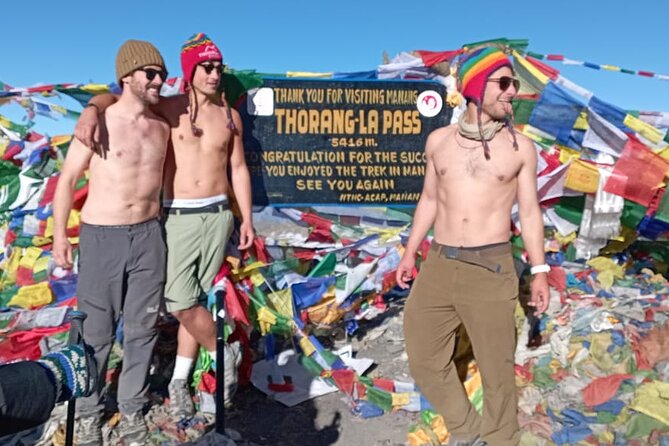
Your first walking day goes from Jagat to Dharapani (about 1,960m) for 6–7 hours. This is where you start building trekking rhythm: a mix of steady effort and short breaks, with altitude that’s noticeable but not yet punishing.
The next day you move from Dharapani to Chame, rising to about 2,710m in 5–6 hours. Chame tends to feel like a “real trek town,” with more hikers, more services, and the sense that you’re deepening into the circuit.
These early days are also good for learning the practical side of high-altitude trekking. Your body will start asking for slower pace and consistent breathing. Your footing matters more than you think, especially when paths get uneven.
Chame to Pisang to Manang: Villages, Higher Air, and the Build-Up
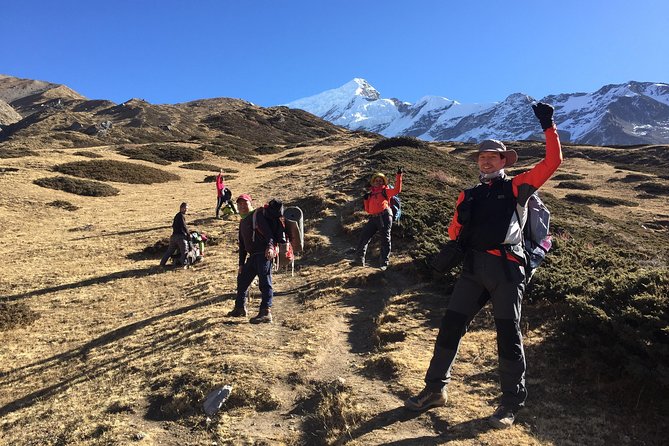
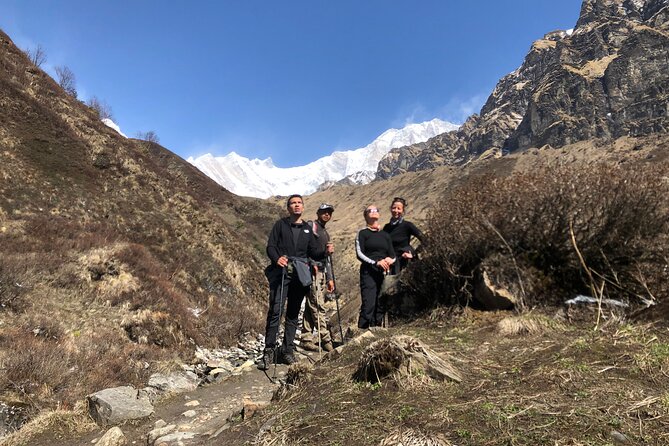
From Chame to Pisang you climb to roughly 3,300m over 5–6 hours. Pisang is a point where the route begins to feel more rugged and more “Himalaya” than valley trekking.
Then you head to Manang, about 3,540m, with a 6–7 hour walking day from Pisang. Manang is where the trek turns into a full altitude event. You’re high enough that rest matters, and you’re close enough to the pass that smart acclimatization becomes the whole game.
A key part of the experience here is pacing. The trip gives you time to adjust rather than pushing too fast. That makes the later days feel tougher, but fair.
Manang Acclimatization Day: Your Safety Buffer
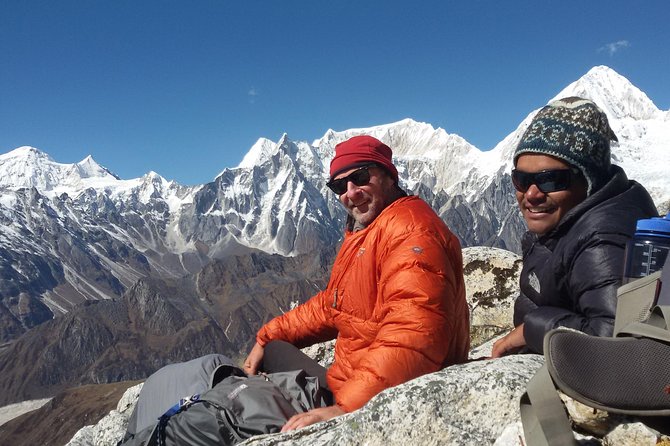
You get an acclimatization day in Manang. That matters because the big crossing comes after this, and your body needs time to adapt before you spend hours higher up.
Use this day to move gently and rest. Even if you feel fine, don’t turn acclimatization into a race. This is the day that often determines how you’ll feel when cold air and thin breathing show up later.
This is also a great moment to lean on your guide. Different guides have different ways of explaining the route ahead, and having someone experienced with how people typically feel at this stage can help you avoid panic. One guide named Santosh stood out for making the next-day plan clear and step-by-step supportive, which is exactly what you want during acclimatization.
Yak Kharka to Thorong Phedi: Thin Air, Fewer Margins
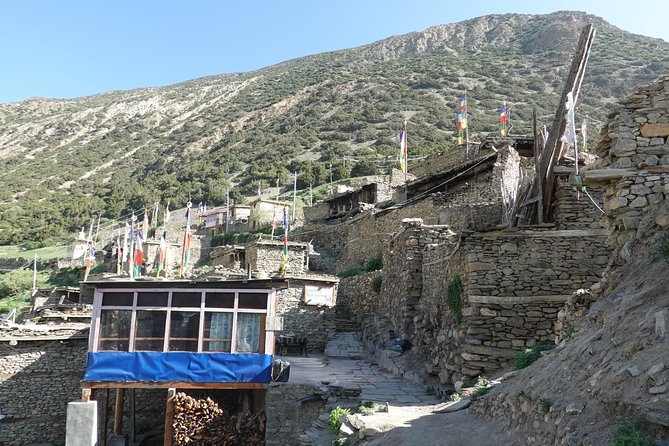
Next comes Yak Kharka (around 4,120m) from Manang in about 4–5 hours. This day is shorter than some, but it’s still a serious altitude jump. You’ll feel it in your breathing more than your legs.
Then you go to Thorong Phedi at about 4,450m over 4–5 hours. This is the staging area for the pass and, realistically, where your planning starts becoming urgent: warm layers, steady pace, and sensible breaks.
This is also where you’ll appreciate that the trek is guided. With the pass ahead, your guide isn’t just “leading.” They’re managing the order of tasks: pacing, safety checks, and the practical timing that affects how the day feels.
Thorong La to Muktinath: The Pass Day You’ll Remember
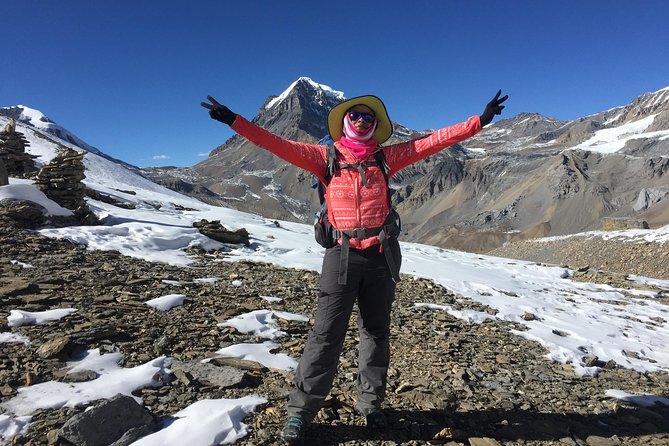
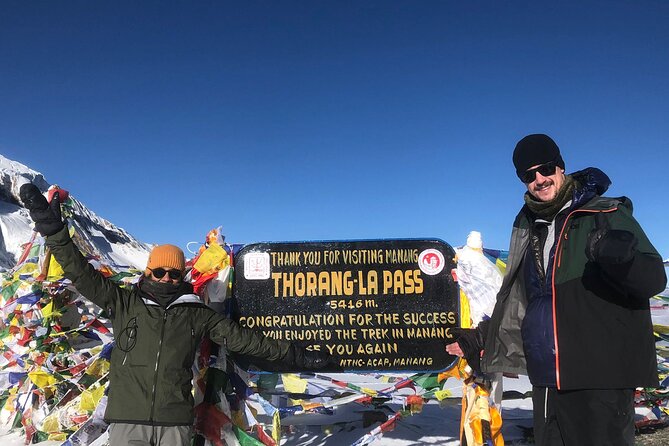
Your hardest walking day is crossing Thorong La (up to about 5,416m) and then descending to Muktinath (around 3,802m). The trek time listed is 7–8 hours, and that’s a good estimate for a day where altitude is doing most of the work.
This is the day with the biggest emotional payoff too. When you reach the pass, you’ll feel it immediately: quiet, effort, and a sense that you’ve earned the view.
The Muktinath side also offers variety. You’re not just climbing and suffering for a photo. You’re moving toward a meaningful cultural stop, and that helps balance the physical challenge with context.
One particularly strong detail from the mountain-side experience: a guide named Ganesh Ji was praised specifically for steady encouragement through the pass crossing, and a porter named Ramesh Ji was recognized for carrying support while also keeping the group moving with care. That combination—guidance plus practical help—can make the difference between “survived it” and “felt proud.”
Muktinath to Jomsom: Wind, Views, and a Real Descent
After Muktinath, you trek to Jomsom at about 2,743m in 5–6 hours. This descent can feel like relief because you’re losing altitude, but it can also bring a different set of discomforts—dust, wind exposure, and longer foot fatigue.
Jomsom then connects you to a bus transfer to Tatopani in 4–5 hours. That vehicle day matters because it prevents you from stacking even more walking after a demanding altitude day.
Tatopani sits around 1,290m, and it’s known for natural hot springs. You get a day that’s essentially a recovery tool, not just another stop on the map. If your legs are tight, this is where you’ll feel the benefit.
Tatopani to Ghorepani to Poon Hill: Classic Finish Energy
You then trek from Tatopani to Ghorepani (about 2,750m) in 7–8 hours. Ghorepani is another strategic altitude point: you’re back in the high-hiking zone, but now it’s more about the finale.
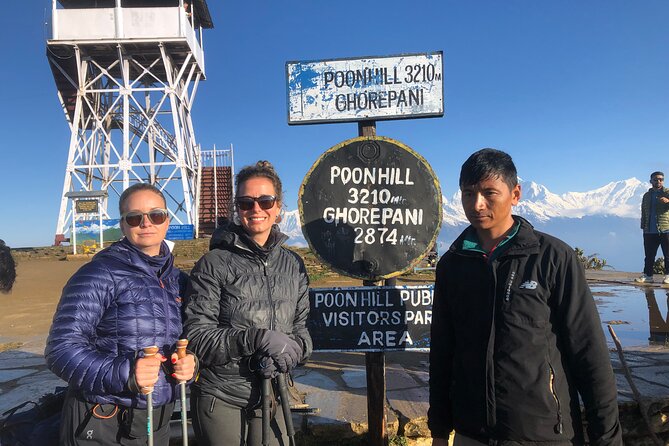
On the next morning, you hike up to Poon Hill at about 3,210m, then descend to Nayapul at around 2,070m. Total time for that stage is 7–8 hours, followed by taxi back to Pokhara.
Poon Hill is a classic for a reason: the payoff is early, and it feels like a festival of views without needing the technical intensity of a high pass. It’s a great way to end the circuit because it transitions you from “survive altitude” to “enjoy the scene” quickly.
And if you’re wondering whether you’ll have energy: this part is easier than Thorong La, but it still takes commitment. Your guide’s pacing style matters a lot here too.
Pokhara to Kathmandu: The Trip Ends, the Memory Stays
After the Poon Hill-to-Nayapul segment, you head to Pokhara (about 822m) and then drive back to Kathmandu (around 1,400m). That final step helps you reset: hot shower potential, real food variety, and time to process what you accomplished.
It’s also a good reminder that this trek is not just a single climb. It’s a chain of different altitudes, different walking feels, and different village atmospheres.
When it works, it feels like you got more than one Nepal experience in two weeks: high mountain air, lower valley life, and a closing loop of views.
Who Should Book This Annapurna Circuit Trek
This is a strong choice if you:
- want a private tour where only your group participates
- prefer having permits, TIMS, and logistics handled
- like tea house treks with standard meals planned in
- have moderate fitness and want a guided approach to altitude
It’s also a good fit if you value guidance from the people who have done this route enough times to keep it smooth. Names that came up with standout support included Rabin, Chakra (CK), Sandip, Santosh, and Ganesh Ji, each praised for being attentive and making tough planning feel manageable.
You should think twice if you:
- hate cold-weather trekking or you’re not prepared for nights that can freeze (one trekker described -20°C conditions on the route)
- don’t want to budget for personal expenses and tips
- want total independence with no structured pacing
Should You Book This Annapurna Circuit Tour?
If you want the Annapurna Circuit experience with fewer moving parts, I think this one makes sense. The value isn’t just the scenic reputation; it’s the fact that you get permits, TIMS, tea house lodging, three meals during trekking, and transport without juggling it yourself.
Book it if you’re happy trading some freedom for clarity and support—especially around Thorong La and the acclimatization stage. With a licensed guide, a first aid kit, and the route plan laid out, you can spend your energy on walking and staying present.
If you’re the kind of traveler who wants to control every detail and you’re already confident managing permits and high-altitude logistics alone, you might choose a different style. But for most people, paying for guidance and core support is what turns a hard trek into a confident one.
FAQ
Where does the trek start and where does it end?
The trip starts with a drive from Kathmandu to Jagat, and it finishes with a drive from Pokhara back to Kathmandu.
How long is the Annapurna Circuit trek?
It runs about 14 days.
What is the highest point on this trek?
Thorong La is listed at 5,416m.
Is airport travel included?
The tour includes arrival flight details for confirmation, but travel insurance and other personal travel costs are not listed as included.
What kind of accommodation do I get during the trek?
You stay in tea house accommodation during the trek.
Are meals included?
Yes. Three standard meals during trekking are included: breakfast, lunch, and dinner.
Are permits and TIMS fees included?
Yes. The Annapurna Conservation Park permit fee and the TIMS fee are included.
What transportation is included?
Buses are included for Kathmandu to Jagat and for Jomsom to Tatopani. There is also private transport from Nayapul to Pokhara.
Is this a private tour?
Yes. It’s private, and only your group participates.
Can I get a full refund if I cancel?
You can cancel up to 6 days in advance for a full refund, with the cutoff based on the experience’s local time.