REVIEW · KATHMANDU
Everest Base Camp Trek
Book on Viator →Operated by Unique Adventure International Pvt. Ltd. · Bookable on Viator
Everest Base Camp feels close, not chaotic. This guided trek packs in Sherpa culture and the big-mountain views with permits, meals, and lodging handled for you. I especially like that your guide manages the moving parts—routes, timing, and daily support—so you can focus on walking up and breathing harder. Another strong plus is the practical gear setup, including a borrowed down jacket and sleeping bag. The main thing to consider is altitude and weather: the itinerary works only if conditions cooperate, and you’ll need solid fitness for high days.
In the mountains, small details matter. Here, you get a licensed English-speaking guide, full-board meals on trek, and even an oxymeter for oxygen saturation checks at higher altitude. My one caution is that porters are optional (extra cost), so if you hate carrying your own day-to-day stuff, plan for that in advance.
In This Review
- Key reasons this trek earns its reputation
- Why the guide-led setup matters on Everest Base Camp
- Price and value: what $1,690 actually buys you
- Kathmandu arrival: get oriented fast, not lost
- The Lukla to Namche leg: classic start, big altitude lesson
- Namche Bazaar to Tengboche: acclimatize plus chase those famous peaks
- Dingboche and Chhukung: the slow day that keeps you safe
- Lobuche to Base Camp: when the trail turns rocky and serious
- The return to Lukla and home: downhill, bridges, and flight timing
- Gear, meals, and the small safety net you’ll feel
- Who this trek fits best (and who should think twice)
- Should you book this Everest Base Camp Trek?
- FAQ
- How long is the Everest Base Camp trek?
- When does the trek start in the morning?
- What’s included in the price of $1,690 per person?
- Do I need a Nepal visa for this trip?
- Are sleeping bags and down jackets provided?
- Are porters included to carry luggage?
- Can I eat vegetarian on this trek?
- What happens if the trek is canceled due to poor weather?
- Is cancellation free?
Key reasons this trek earns its reputation
- Logistics that cut the stress: guide, permits, meals, and domestic flights are included, so you spend less time planning and more time trekking.
- Gear support for cold nights: a down jacket and sleeping bag (borrowed) are part of the package.
- Acclimatization built into the rhythm: you stay two nights in Namche Bazaar and have an extra acclimatization day in Dingboche.
- Classic Everest viewpoints, not just one highlight: Base Camp plus Kala Patthar for the wide 360-degree look.
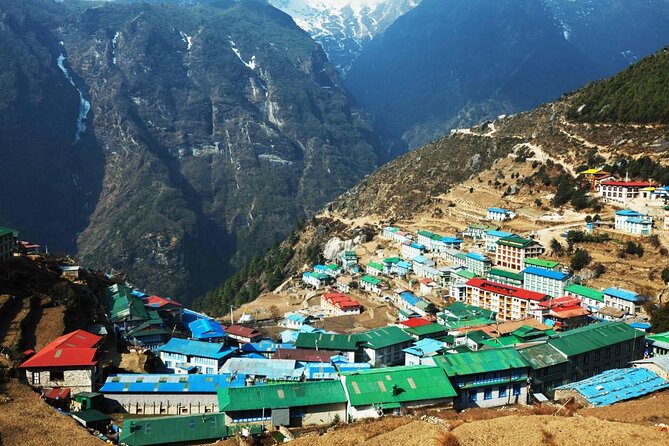
- Real Sherpa village time: Monjo, Namche Bazaar, Tengboche, Dingboche, and Gorakhshep all bring you into community life.
- Human support if flights get messy: the team helps with rescue/evacuation arrangements if needed, and they’re experienced with weather delays.
Why the guide-led setup matters on Everest Base Camp
This is the kind of trek where most of the pain comes from altitude, not decision-making. With a professional, licensed, English-speaking guide, you’re not trying to figure out permits, route timing, or which teahouse has hot tea and a warm room. The guide also handles the daily “what now” so you can focus on pacing yourself, keeping hydrated, and walking smart.
I also like that the operator builds in a support system beyond the route. You get a first aid medical kit and an oxymeter to check pulse and oxygen saturation at higher altitude. That doesn’t remove the mountain’s risk, but it does make the trek feel more prepared.
Finally, the trek is set up as a private activity for your group. Even though Everest Base Camp is famous (and busy in places), you’re not forced into random strangers’ schedules.
You can also read our reviews of more tours and experiences in Kathmandu.
Price and value: what $1,690 actually buys you
$1,690 per person is not cheap, but it’s easier to swallow once you see what’s included. Your package covers:
- Airport transfers in Kathmandu
- A licensed guide (including his food, insurance, and equipment)
- Full-board meals during the trek (breakfast, lunch, dinner)
- Kathmandu hotel accommodation and guesthouse stays on trek
- Trekking permits (Sagarmatha National Park entry plus the Khumbu Pashang Lhamu Rural Municipality fee)
- Domestic flights: Kathmandu/Ramechhap to Lukla and back to Kathmandu/Ramechhap, including taxes and transfers
- A borrowed down jacket, sleeping bag, and duffel bag
- Help with worst-case rescue/evacuation arrangements if something serious happens
What’s not included is also clear: your Nepal visa, your international flights, travel insurance (important for helicopter evacuation if needed), and porters (available as an add-on).
So the value comes down to this: you’re paying for a lot of logistics you’d otherwise have to organize yourself—especially domestic flights to Lukla, permits, and the daily food/lodging chain that keeps the trek flowing.
Kathmandu arrival: get oriented fast, not lost
Day 1 is straightforward: you meet a representative at Kathmandu International Airport, then transfer to a hotel. Kathmandu can feel like a blur after long-haul flights, so I appreciate that the first step is human guidance rather than “good luck, friend.”
You also get time in Kathmandu after your trek—organized enough to be comfortable, but flexible enough to explore. If you want UNESCO sites, you can line up stops like Pashupatinath, Swayambhunath, and Boudhanath, plus a Durbar Square visit in Bhaktapur. If you prefer low-effort fun, Thamel is there for souvenirs and snacks.
The Lukla to Namche leg: classic start, big altitude lesson
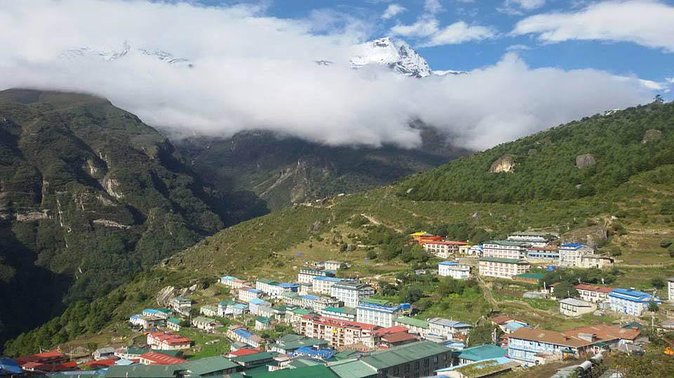
You fly to Lukla from Kathmandu/Ramechhap with a short flight, and the trek begins gently along the river. Day 2 walks you up by the Dudh Koshi River on well-used paths lined with teahouses and green conifers, reaching Phakding at about 2,610 meters.
This early section is more than just warm-up. It sets the rhythm: easy walking, steady breathing, and the chance to get used to your legs before the uphill days arrive.
Day 3 is where the climb starts to test you. After breakfast, you head toward Monjo, where you’ll show your permits for Sagarmatha National Park and get through the official entry process. Then it’s a tough uphill push into Namche Bazaar—around 590 meters of ascent over roughly five hours.
As you near Namche, the first real Everest sightings often happen—Everest and Lhotse become visible, and Khumbila (the sacred mountain) appears in the mix. Namche itself is at the point where the trek stops feeling like a hike and starts feeling like a high-altitude village experience.
One more thing I like here: you’re not rushed. You spend two days at Namche Bazaar to help your body adjust before going higher.
Namche Bazaar to Tengboche: acclimatize plus chase those famous peaks
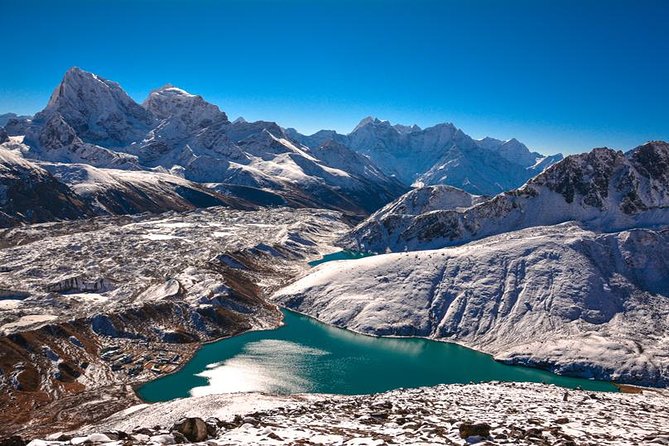
The big idea in Namche is altitude training without going too high too fast. Day 4 gives you choices depending on your energy. You can head toward Khumjung to see a local school and hospital, or go to Thame, connected to Sherpa Everest history. Another option is Shyanboche’s airstrip area and the Everest view viewpoint/hotel concept above it.
There’s a practical lesson embedded in that choice: even if a spot is built for views, altitude can make it tougher to enjoy. The route is still designed to keep you adjusting gradually while giving you spectacular sightlines.
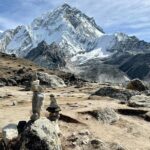
Day 5 moves you toward Tengboche (Tyangboche around 3,870 meters), passing through the Dudh Koshi valley and then climbing into a monastery-centered world. Tengboche is famous for a reason: you can enter and listen to monks chanting their mantras, and the surrounding mountain views—Everest, Lhotse, and Ama Dablam—show up in a way that feels almost unreal.
I’m a fan of this day because it mixes spiritual place + physical work + the reward of mountain clarity. Just remember that after a steep walk, the cold can hit fast once you stop moving.
Dingboche and Chhukung: the slow day that keeps you safe
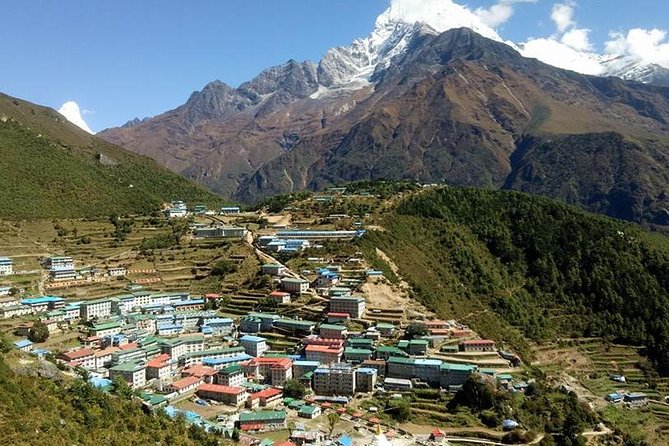
After Tengboche, the trail routes you through wooded sections and along the Imja Khola valley, including a stop near Pangboche’s gompa (monastery). You then climb to Dingboche at about 4,360 meters.
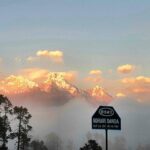
This is one of those days where the views do not let you forget what you’re doing. Amadablam and Island Peak come into focus, and the high valleys start to feel like they’re holding their breath.
Then you get an acclimatization day (Day 7) in the Dingboche area by heading toward Chhukung. Chhukung is built for magnificent views, with peaks like Makalu and Island Peak commonly seen from the higher trail options. If you prefer a smaller hike, there are alternative options too.
This extra day is a big deal for your success. It’s easy to treat acclimatization like a bonus, but it’s often what separates a smooth trek from a miserable scramble to keep symptoms manageable.
Lobuche to Base Camp: when the trail turns rocky and serious
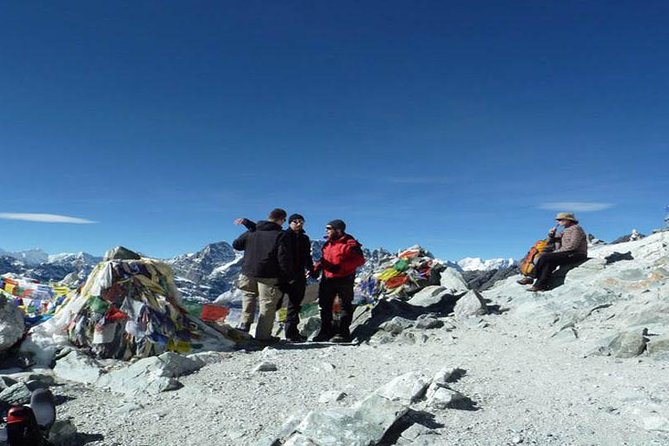
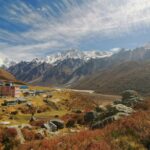
As you move toward Lobuche, the scenery changes. The valley becomes more barren, and the trail can turn rocky. That’s Day 8, where you’ll walk up toward Lobuche while keeping your attention on snow-capped peaks towering above. It’s a scenic day, but also a foot-care day. Watch your step, especially when the path feels uneven.
Then comes the push into Gorakhshep and Everest Base Camp (Day 9). You’ll cross along the Khumbu Glacier area, reach Gorakhshep for lunch, and then continue to Base Camp at about 5,400 meters.
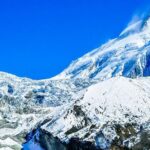
Important perspective: at Everest Base Camp, you might not see Everest in the exact way people imagine. You’ll be surrounded by close, dramatic features—icefall views and peaks like Khubutse, Pumori, Changtse, and the Khumbu icefall area often steal the show.
Day 10 is for the iconic view: Kala Patthar, or Black Rock. You climb there specifically for the wide 360-degree panorama. From the top, you can see Everest (8,848m) and Lhotse (8,516m), plus Pumori (7,169m), Changtse, Nuptse, and many smaller peaks.
This is the day where early starts pay off. If the weather clears, you get that big, jaw-dropping view. If clouds roll in, you’ll still earn the reward—just with less visibility than your photos promise.
The return to Lukla and home: downhill, bridges, and flight timing
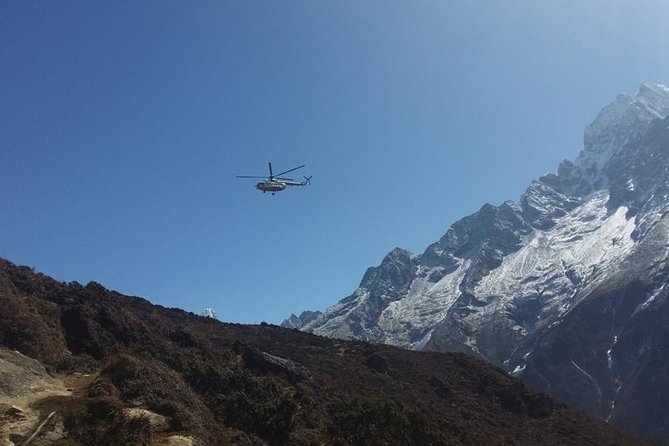
After Base Camp and Kala Patthar, you retrace your steps in a way that feels like a victory lap but still takes work. Day 11 follows the trek back toward Lukla through spots like Pangboche, with views along the way. You’ll move through rhododendron forest sections and cross Imja Khola, then continue along the Dudh Koshi valley and pine forest segments to reach Namche Bazaar.
Day 12 finishes the downhill work by returning to Lukla and crossing the Tenzing and Hillary suspension bridge as part of the trek’s classic route feel. It’s a long day, but it’s also mentally easier—most of the altitude work is behind you.
Day 13 brings the flight back to Kathmandu (early morning flight from Lukla). You fly over the clouds and get views of the Khumbu region from the air, then land in Kathmandu, check into the hotel, and spend the rest of the day at your pace.
Day 14 is flexible: UNESCO sites and Bhaktapur Durbar Square are optional, and Thamel is a reliable place to do last-minute gift shopping. Day 15 ends with airport drop-off.
Gear, meals, and the small safety net you’ll feel
The biggest “comfort” win here is gear and food planning. You get full-board meals while trekking, which means you’re not guessing what’s available in remote villages. You also get a down jacket and sleeping bag from the outfitter, plus a duffel bag—so you can pack smarter and avoid hauling bulky winter items from home.
You can add a porter for luggage at extra cost. If you’re carrying a heavy pack for multiple days at altitude, your body will notice. If you prefer to keep things light, that add-on is worth discussing during booking.
On safety, this trek includes basic medical support: a first aid kit and an oxymeter for pulse and oxygen saturation checks. The guide also has food, insurance, and equipment as part of the package, which matters because it reduces the chance you’ll be troubleshooting basic needs mid-trek.
One more practical point: travel insurance is not included, and the data specifically flags helicopter evacuation coverage as something you should consider. Even if the operator helps arrange rescue/evacuation in worst-case scenarios, you don’t want to be stuck on the payment side if something serious happens.
Who this trek fits best (and who should think twice)
This Everest Base Camp trek is best for fit, adventurous travelers who can handle high altitude and rugged walking days. The itinerary builds in acclimatization days at Namche Bazaar and in the Dingboche/Chhukung area, which helps—but it doesn’t make the trek easy.
You’ll likely enjoy it if you want:
- a classic Everest route with iconic viewpoints like Kala Patthar
- Sherpa village immersion instead of just peak-bagging
- a guide who handles logistics so you can focus on walking and managing altitude
You might want to reconsider (or add extra support like a porter) if:
- carrying your own gear is a deal-breaker
- you’re not comfortable with cold nights and early starts
- you’re relying on flights being guaranteed on specific days (weather can affect Lukla operations)
Should you book this Everest Base Camp Trek?
I’d book this if you want the classic Everest Base Camp experience but with less planning chaos. The combination of permits, full-board meals, lodging, and domestic flights makes the trek feel like a real, organized journey rather than a patchwork of bookings. The owner-led welcome culture also comes through in how quickly you’re supported in Kathmandu, and the guide experience is repeatedly highlighted with names like Khum (owner) and guides such as Ongchhu, Chandra, Raz/Razz, and Megendra showing up as examples of strong on-trail support.
Before you commit, do two reality checks: can you handle high altitude walking, and are you prepared for cold, uneven trails (plus the possibility of weather affecting flights)? If you’re answering yes to both—and you add a porter if you know you’ll struggle with pack weight—this is a solid, value-focused way to reach Everest Base Camp.
FAQ
How long is the Everest Base Camp trek?
The duration is about 15 days (approx.), including time in Kathmandu before and after the trek.
When does the trek start in the morning?
The meeting point start time is 6:15 am.
What’s included in the price of $1,690 per person?
Included items cover airport pickup and drop-off in Kathmandu, a licensed English-speaking mountain guide, full-board meals during the trek, Kathmandu hotel accommodation, guesthouse accommodation on trek, necessary trekking permits, domestic flights between Kathmandu/Ramechhap and Lukla (round trip), and trekking gear support like a sleeping bag, duffel bag, and down jacket.
Do I need a Nepal visa for this trip?
Yes. A visa to Nepal is not included.
Are sleeping bags and down jackets provided?
Yes. You can borrow a sleeping bag and a down jacket as part of the trek package.
Are porters included to carry luggage?
Porters are not included in the base package, but you can book one for an extra cost.
Can I eat vegetarian on this trek?
Yes. A vegetarian option is available—tell the operator at the time of booking.
What happens if the trek is canceled due to poor weather?
The experience requires good weather. If it’s canceled due to poor weather, you’ll be offered a different date or a full refund.
Is cancellation free?
Cancellation is free up to 24 hours in advance of the experience start time for a full refund. If you cancel less than 24 hours before, the amount paid is not refunded.