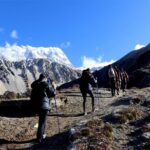
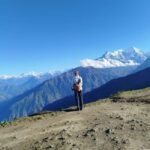
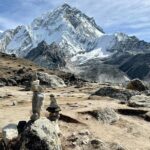
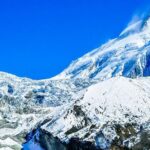
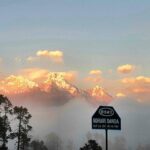
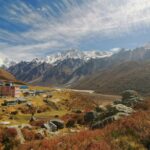
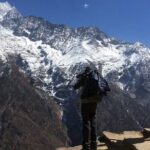
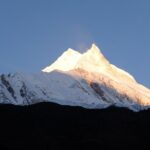
Everest feels close on this trek, and it is. You get big mountain drama plus Buddhist stops like Tengboche, Thame, and the Khumjung area, tied to the 1953 Hillary and Tenzing story. I love the Kalapatthar sunrise timing and the monastery-heavy days that add meaning beyond the hiking.
One thing to plan for: the Lukla flight can shift to Ramechhap when Kathmandu airport has upgrades, and that means an early 2:30 am start for a 4–5 hour drive. If you hate chaos around flights, this part needs extra patience.
In This Review
- Key points worth knowing before you go
- Kathmandu to Everest: why this trek feels different
- Flight and airport logistics: the Ramechhap early-morning reality
- Day-by-day rhythm: from hotel rest to Lukla foot-on-stone
- Day 1: land, transfer, and reset
- Day 2: Kathmandu setup day (and Thamel gear hunting)
- Day 3: Kathmandu to Lukla, then straight into the green trail
- Day 4: Monjo permits and the Sagarmatha National Park entry day
- Day 5: Namche acclimatization with Everest Viewpoint sunrise photos
- Day 6: Tengboche day with Amadablam views and monastery payoff
- Day 7: Dingboche approach through woods and ridges
- Day 8: Dingboche rest or Chukkung Valley option
- Day 9: Lobuche and the dry, high feeling
- Day 10: Gorekshep and Everest Base Camp day
- Day 11: Kalapatthar sunrise and the picture moment everyone remembers
- Day 12: Down to Kyanjuma via Tengboche trails and rhododendron stretches
- Day 13: Khumjung, Hillary School, then back to Namche and Monjo
- Day 14: Last big hiking day to Lukla with Phakding in between
- Day 15: early flight back to Kathmandu, then farewell dinner
- Day 16: airport drop-off
- Monastery stops: where spirituality meets altitude
- Guides and care: the people factor that changes everything
- Value for $1,600: what you get, what you should confirm
- Who should choose this trek, and who should reconsider
- Should you book this Everest Base Camp trek?
- FAQ
- FAQ
- How long is the Everest Base Camp trek on this program?
- Where do you start, and when does the day begin?
- Do you provide hotel pickup and drop-off?
- Are meals included on the trek?
- What happens with permits in Sagarmatha National Park?
- What if flights to Lukla change due to airport upgrades?
- Is this trek private?
- Are drinks and souvenir photos included?
Key points worth knowing before you go
- Kalapatthar at pre-dawn hours: you start between 4:30 and 5 am to catch sunrise over Everest and neighbors.
- Monasteries and village culture: Tengboche monastery, Thame Monastery options, and Khumjung plus Hillary School.
- Acclimatization built in: Namche Bazaar exploration day, then Dingboche/Chukkung style altitude adjustment.
- Permits checked at Monjo: Sagarmatha National Park access is handled on the trail from the start.
- Flight timing is weather-driven: an early Lukla departure and an early return plan to reduce wind problems.
- Strong guide reputation: I saw repeated praise for guides like Dinesh, Sushil, Raju, and Procas for care and safety focus.
Kathmandu to Everest: why this trek feels different
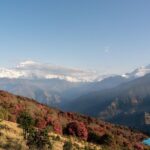
The Everest Base Camp trek is famous for a reason. Even on days when your legs feel like they belong to someone else, the views have a way of resetting your brain. But what sets this particular route apart is the mix of high-altitude hiking with serious Buddhist sites. You’re not only walking toward Everest; you’re also moving through a living spiritual landscape around the Sherpa communities.
I also like how the schedule respects altitude. You don’t just climb and hope for the best. You spend real time at Namche Bazaar, you get a Dingboche acclimatization day, and you have options like Chukkung Valley for those who want extra altitude work before pushing higher.
The route still has the usual Everest challenges: thin air, long days, cold nights, and the fact that mountain weather can be unpredictable. This is not a walk you do casually. But it is well structured for people who want a guided, organized experience without turning it into a race.
You can also read our reviews of more tours and experiences in Kathmandu.
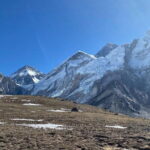
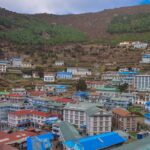
Flight and airport logistics: the Ramechhap early-morning reality
Getting to Everest starts with your flight plan to Lukla. This trip has a specific heads-up: if Lukla flights depart and return from Ramechhap (instead of Kathmandu) due to upgrades at Kathmandu airport, you’ll start the drive around 2:30 am. The drive time is about 4–5 hours one way.
Why this matters for you:
- You need to be packed the night before.
- You may not sleep much once the pickup time starts closing in.
- You’ll want to keep your essentials easily reachable in your day bag because mornings are rushed.
On the return side, the trip notes that the drive between Ramechhap and Kathmandu at the end of the trek is also around 4–5 hours. And because wind can affect late flights, the plan is to fly back early in the morning.
Practical tip: even if you’re the type who loves schedules, treat mountain flight plans like they’re moving targets. Having your expectations aligned with early starts will keep you calmer.
Day-by-day rhythm: from hotel rest to Lukla foot-on-stone
Day 1: land, transfer, and reset
You arrive at Tribhuvan International Airport and get picked up for a comfortable transfer to your hotel in Kathmandu. This first day is about getting your body into Kathmandu time and letting jet lag soften.
Day 2: Kathmandu setup day (and Thamel gear hunting)
You get a free day in Kathmandu to adjust. You can visit the office, talk through the trek, and—if you need anything—head to Thamel for gear. If you want a lighter cultural add-on, there’s an optional half-day Kathmandu Valley sightseeing tour.
I like having a proper setup day here. Everest packing mistakes are common, and buying what you actually need in Kathmandu saves money and stress later.
Day 3: Kathmandu to Lukla, then straight into the green trail
You fly early—specifically to avoid bad weather—and land at Lukla (unless the plan is shifted due to the Ramechhap situation). Then it’s a formal walking start toward Phakding.
This day usually feels like a gentle welcome compared to later altitudes: Lukla town first, then lush forest trail. You sleep overnight at a local lodge in Phakding.
Day 4: Monjo permits and the Sagarmatha National Park entry day
You head toward Monjo, where permits are checked at the Sagarmatha National Park authorized office. Then you walk into Sagarmatha National Park through deep woods and Sherpa settlements.
You’ll pass the Dudhkoshi river and then ascend to Namche Bazaar. The big thing you should know is that day 4 often marks the moment you feel the trek shift from hiking into altitude travel.
Day 5: Namche acclimatization with Everest Viewpoint sunrise photos
This is one of the most enjoyable days on the whole trip because it’s both practical and dramatic. You hike up to Hotel Everest Viewpoint for pictures of Mt. Everest and other tall neighbors. The plan includes a sunrise moment from that viewpoint, then you walk down to Namche Bazaar.
From there, you can choose a short extra walk if you feel good, including an option toward Thame Monastery. Even if you skip extra walking, Namche itself is a useful decompression pause: shops, cafes, and a steady rhythm of trekkers and locals.
Day 6: Tengboche day with Amadablam views and monastery payoff
Today’s trail brings strong views of Ama Dablam. You move from Namche down to a riverside, then cross and ascend to Tengboche.
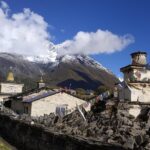
The highlight is the Tengboche monastery—a major Buddhist stop in the Everest region. This is a good day to slow down. Take a few minutes to look at how the prayer flags and the monastery spaces fit the mountain scale around them.
Day 7: Dingboche approach through woods and ridges
Amadablam stays in view as you hike. You cross Dindboche Khola (river), then arrive in Dingboche.
This day is about moving forward while keeping your altitude strategy smart. You’re still not at Base Camp height yet, but you’re moving into the zone where pacing matters.
Day 8: Dingboche rest or Chukkung Valley option
Some people rest at the lodge today. Others hike to Chukkung Valley, a 2–3 hour trek after breakfast. You have lunch there and then return to Dingboche for overnight.
From Chukkung, big peaks like Island Peak and other Himalayan giants can look breathtaking. And if you’re feeling adventurous, there’s mention of climbing Chukkung ri.
This is a great decision day. If you want extra effort and more high-altitude views, go for Chukkung. If you want to preserve energy for Everest Base Camp and Kalapatthar, rest is a smart choice.
Day 9: Lobuche and the dry, high feeling
You move from ridge to ridge toward Lobuche. The route features alpine bushes and dry landscapes, and you pass the Sherpa People’s graveyard before reaching Lobuche.
Lobuche sits near a riverside, and the air tends to feel different here—more exposed, more serious, less forgiving.
Day 10: Gorekshep and Everest Base Camp day
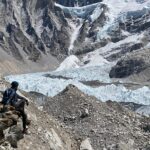
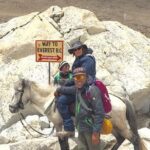
You trek to Gorekshep, eat lunch, then continue to Everest Base Camp. Then you celebrate the moment—putting your footsteps at the base of the world’s highest peak—and return to Gorekshep for overnight.
A note on expectations: Base Camp days often feel emotionally huge but physically demanding. You may feel a mix of awe and exhaustion. Plan for that. This is not a day to rush around collecting selfies like it’s a theme park.
Day 11: Kalapatthar sunrise and the picture moment everyone remembers
You rise between 4:30 and 5 am, climb Kalapatthar, and wait for sunrise. Expect a crowd of trekkers with cameras, all facing Mt. Everest.
The view includes Everest plus neighbors like Pumori, Nuptse, Lhotse (spelled as Loatse in the plan), and other giants. After breakfast back at Gorekshep, you trek to Periche via Lobuche.
If you’re picky about photos, this day delivers. If you’re picky about altitude comfort, pacing and warmth matter most. Layer up and move steadily.
Day 12: Down to Kyanjuma via Tengboche trails and rhododendron stretches
You start walking down toward Kyanjuma via Tengboche. After passing Tengboche, you go back down to the riverside, cross a bridge, and take the trail toward Kyanjuma.
There’s also a route fork mention here—multiple trails heading toward Namche, Khumjung village, and Gokyo—so you’ll want to stay with your guide and follow the plan.
You walk through rhododendron and alpine species of wildlife (you might spot things if conditions are right). You’ll also see Twache, Thamserku, and Amadablam along the way.
Day 13: Khumjung, Hillary School, then back to Namche and Monjo
You ascend first to Khumjung, then visit Hillary School, built by Sir Edmund Hillary. You also visit Khunde village before walking down to Namche.
Then it’s trek back to Monjo via Namche Bazaar, with overnight at a local lodge.
This is one of those days where the walking is only part of the story. It connects the route’s famous name to real institutions and living communities.
Day 14: Last big hiking day to Lukla with Phakding in between
This is the last day hiking to Lukla. You pass Phakding and ascend up to Lukla town. You can take a walk around town and near the airport in the evening.
This day often feels surprisingly emotional. You’ve been grinding upward for nearly two weeks, and now it’s about moving back to civilization without forgetting what it cost you.
Day 15: early flight back to Kathmandu, then farewell dinner
You fly early because wind may disturb flights later in the morning. You land in Kathmandu, transfer to a hotel, then you can shop or do other activities after you refresh.
Evening means a farewell dinner—your chance to decompress with your guide and group before you head home.
Day 16: airport drop-off
You get dropped at Kathmandu airport for your international departure.
Monastery stops: where spirituality meets altitude
This trek doesn’t treat monasteries as a quick detour. It threads them into the actual rhythm of the route.
- Thame Monastery is mentioned as an option from Namche. If you have time and feel okay, it’s a meaningful way to break up the trekking mindset.
- Tengboche monastery is the major scheduled highlight. It works especially well because Tengboche is also when the Amadablam views tend to feel extra strong.
- Khumjung and Hillary School on the return side adds a real-world context to why this region is famous. It’s not just a mountain story; it’s also a community story.
If you like travel that is more than scenic photos, you’ll appreciate these stops. They help you understand why the Himalaya is not just a climbing playground.
Guides and care: the people factor that changes everything
This trek is physically demanding. What makes it feel manageable is the human support: pacing, warmth, patience, and attention to how you’re doing.
The feedback I’m seeing repeatedly emphasizes guide qualities that matter on Everest routes:
- Dinesh is praised for being friendly and caring, especially during altitude situations.
- Sushil gets mentioned for putting safety first and making sure people were okay at altitude.
- Raju is described as providing expert guidance and personalized care.
- Procas gets credit for friendliness, support, and a lot of patience.
Even if your own experience ends up different, the key idea is consistent: on a trek like this, a guide who watches your wellbeing can turn a hard trip into a confident one.
Practical tip: during acclimatization days, ask your guide how you should pace the next push. Those conversations help you learn your own altitude limits fast.
Value for $1,600: what you get, what you should confirm
At $1,600 per person for about 16 days, you’re paying for a guided, structured trekking experience with lodging and meals included. The package includes:
- Accommodation as per the trek schedule
- Meals as per schedule (breakfast, lunch, dinner)
- Driver/guide
- Hotel pickup and drop-off
- All taxes, fees, and handling charges
What is not explicitly listed in included items:
- Alcoholic drinks
- Souvenir photos (available for purchase)
- Flights to Lukla are not clearly spelled out in the included list you provided
So here’s my value take: this price looks like it covers the core trekking service machine (lodges, guides, meals, and transfers) rather than treating you like a self-booking independent trekker. That’s great if you want less admin and more “show up and walk.”
Before you pay, confirm exactly what’s covered for flights and any airport transfer variants (like the Ramechhap situation). The trek itself depends on flight operations, so you want clarity on what the plan costs and what you might pay separately.
Who should choose this trek, and who should reconsider
This tour is a strong fit if you want:
- A guided Everest Base Camp trek that includes acclimatization days
- Cultural and spiritual stops, not just mountain mileage
- A private setup where only your group participates
- A plan that prioritizes major sunrise viewing moments like Everest Viewpoint and Kalapatthar
It might be less ideal if:
- You get stressed by very early starts (the 2:30 am drive possibility is real when flights route via Ramechhap)
- You dislike any schedule uncertainty around weather and wind
- You want total flexibility to skip structured days; the trekking flow is guided and you’ll be expected to follow it
Should you book this Everest Base Camp trek?
If you want Everest, but you also want structure, care, and meaningful stops along the way, I think this is a solid choice. The route includes the big emotional hits—Base Camp and Kalapatthar sunrise—while also giving you Namche acclimatization time and monastery visits like Tengboche and Khumjung.
Book it if:
- you value a guided safety-first experience
- you want meals and lodging handled
- you’re okay with early mornings around flights
Hold off or confirm details first if:
- you are budgeting tightly and want to know what’s covered for flights beyond Kathmandu transfers
- you are deeply uncomfortable with the possibility of pre-dawn travel if Lukla flight routing changes
FAQ
FAQ
How long is the Everest Base Camp trek on this program?
It runs for about 16 days.
Where do you start, and when does the day begin?
You meet with a start time of 7:15 am. The trek itself begins from Kathmandu, after arrival and hotel transfer.
Do you provide hotel pickup and drop-off?
Yes. Hotel pickup and hotel pickup/drop-off are included.
Are meals included on the trek?
Yes. Meals are included as per the itinerary, with breakfast, lunch, and dinner.
What happens with permits in Sagarmatha National Park?
You pass through the Monjo area where Sagarmatha National Park permits are checked at the authorized office before you enter the national park trekking route.
What if flights to Lukla change due to airport upgrades?
There is a specific notice that Lukla flight departures and returns may route through Ramechhap Manthali airport due to Kathmandu airport upgrades. In that case, you may start driving around 2:30 am from Kathmandu, with a 4–5 hour drive.
Is this trek private?
Yes. It is listed as a private tour/activity, so only your group participates.
Are drinks and souvenir photos included?
Alcoholic drinks and souvenir photos are not included. They are available to purchase.