REVIEW · KATHMANDU
Everest Base Camp Trek 16 Days
Book on Viator →Operated by The Great Adventure Treks & Expedition - Private Day Tours · Bookable on Viator
Hitting Everest Base Camp changes your sense of scale. This moderate 15-day trek takes you through the Everest region for around 14 days, along the banks of the Dudh Koshi stream, with rhododendron blooms and mountain views that feel uncomfortably close to the real thing. I like that the trip focuses on the chain of peaks from near ground level, with chances to see Everest plus neighbors like Lhotse and Ama Dablam. One consideration: even with a moderate label, you still need steady stamina and good altitude sense.
You’ll begin in Kathmandu with pickup offered, and that practical start matters when you’re heading into remote trail time. I also like the human side of the experience—Mani (the company’s managing director) and guides such as Binod Silwal are specifically credited for real-world help like pacing, English-friendly explanations, and smart recommendations for food and overnight stays.
Because it’s a private tour, only your group participates, which usually means you can keep a smoother rhythm and avoid the awkward herd-walking feeling. The trade-off is that lunch and dinner are not included, so you’ll want to budget for meals during the trek rather than assuming they’re covered.
In This Review
- Key things worth knowing before you go
- Kathmandu to the Everest door: private pickup and getting organized
- On the trail: Dudh Koshi, rhododendron blooms, and that steady build
- Everest Base Camp area: ice sheets, icefalls, and reality at altitude
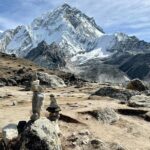
- Peak lineup: Everest, Lhotse, Nuptse, Pumori, Ama Dablam and friends
- Pace, fitness, and the small logistics that actually matter
- Price check: what $1,538.47 buys you (and what you still pay for)
- Weather reality and how it affects your plans
- Who should book this Everest Base Camp trek (and who should think twice)
- Should you book Everest Base Camp Trek 16 Days with The Great Adventure Treks & Expedition?
- FAQ
- How long is the Everest Base Camp trek?
- Where does the tour start?
- What is included in the price?
- What meals are not included?
- Is this tour private?
- Is pickup offered?
- What fitness level do I need?
- Will I get confirmation right after booking?
- Can I cancel for a full refund?
- What happens if weather is poor?
Key things worth knowing before you go
- Rhododendron + Dudh Koshi trekking: you’re not just moving toward Everest, you’re moving through a lived-in valley corridor.
- Close-up Everest-region scenery: ice sheets, icefalls, and cascades are part of what you’ll experience near the Everest area.
- Big peak lineup: Everest plus Lhotse, Nuptse, Pumori, Ama Dablam, Thamserku, and Kusum Kanguru all make the view list.
- Private setup: private transportation is included, and your group stays together without strangers added in.
- Guide support you can actually use: Binod Silwal gets praised for pace, helpfulness, and practical overnight/hut advice.
- Moderate fitness required: this isn’t a zero-effort hike; plan on consistent walking days.
Kathmandu to the Everest door: private pickup and getting organized
Your trip is based in Kathmandu, Nepal, and that starting point sets the tone. You’ll want to use this first day phase to get your legs and your paperwork straight, and to confirm what you personally need for the trek days ahead.
The tour includes private transportation, and pickup is offered. In practice, that kind of door-to-door help reduces stress. Nepal is busy, and when you’re about to head into high-altitude trekking, you don’t want your travel day turning into a scavenger hunt for transfers.
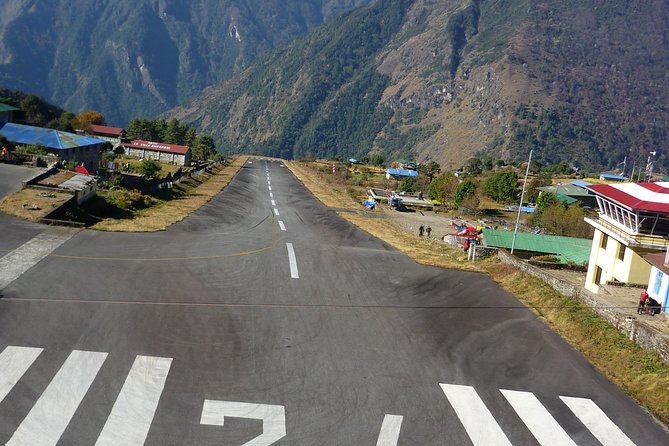
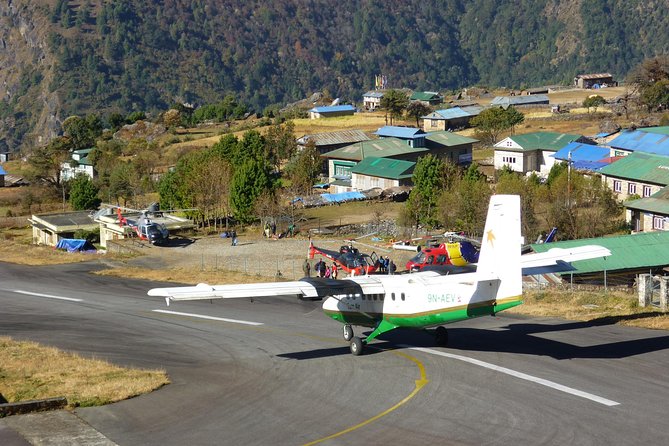
One thing I appreciate in the way the company gets described by trekkers is the attention to coordination. For example, a traveler praised the team for arranging their first flight to Lukla, and the overall service was described as excellent with a fair price. That doesn’t mean every departure will be identical, but it signals a real pattern: the team tends to think about how you get from city life into trek life.
You can also read our reviews of more tours and experiences in Kathmandu.
On the trail: Dudh Koshi, rhododendron blooms, and that steady build
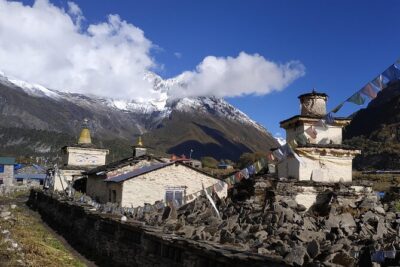
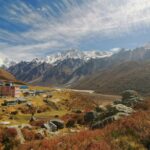
The core of this trek runs through the Everest region for about two weeks, with the trail often described as moderate and built around the Dudh Koshi stream corridor. If you like hiking that feels like it has a rhythm—one day leads to the next day—this is the kind of route that rewards consistency.
You’ll also walk on terrain where rhododendron blooms show up along the banks. That matters more than it sounds. Flowers don’t change the altitude, but they do change the day-to-day mood. When conditions are tough, it’s easier to keep a calm pace if the walk offers small visual rewards.
Here’s the practical part: a moderate trek still asks you to keep moving day after day. You’ll feel the altitude and the fatigue even if the route isn’t branded as extreme. So I recommend treating the first walking days as training for the later ones, not as the main event.
Everest Base Camp area: ice sheets, icefalls, and reality at altitude
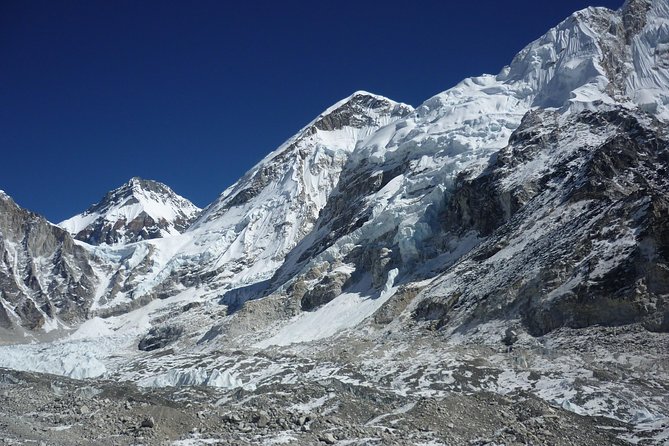
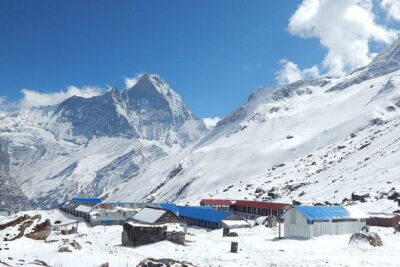
The headline goal is Everest Base Camp, and the overview specifically calls out ice sheets, icefalls, and cascades in the Everest area. This is the part where the mountains stop being a photo and become weather.
Expect cold, wind exposure, and that sharp high-altitude air that makes every movement feel louder. Even when the scenery is stunning, your body will still be doing math: hydration, breathing pace, rest, and warmth. I like that this trek is framed around getting you as close as possible to the drama of the Everest region, not just looking at it from far away.
Also, remember that these high-impact sights come with day-to-day variability. The experience requires good weather, and the company notes that if your trek can’t proceed due to poor weather, you’ll be offered a different date or a full refund. That’s a normal part of Everest trekking, but it’s still worth planning around with flexibility.
Peak lineup: Everest, Lhotse, Nuptse, Pumori, Ama Dablam and friends
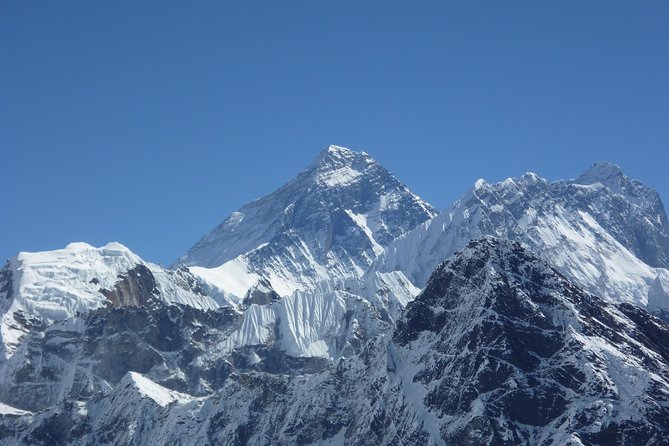
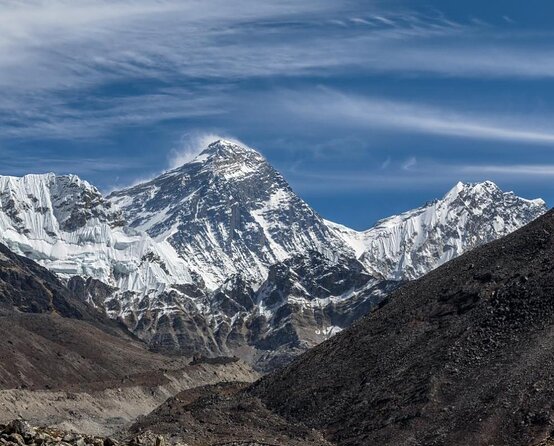
One reason the Everest region keeps pulling hikers back is that the view feels like a whole cast of characters. This trek’s description lists a standout group of peaks you may see along the route, and the elevation numbers help you understand why the skyline looks so dramatic.
Here’s the mountain roster you should picture while you trek:
- Mt. Everest (8,848 m) — the main event
- Mt. Lhotse (8,516 m) and Mt. Nuptse (7,855 m) — major neighbors that often frame Everest
- Mt. Pumori (7,161 m) — another prominent peak that can help you read where you are
- Mt. Ama Dablam (6,856 m) — a distinctive presence in the region
- Mt. Thamserku (6,723 m) and Mt. Kusum Kanguru (6,367 m) — additional peaks that fill out the wider view
What I like about a trek that explicitly names these peaks is that it gives you something to track. When the weather clears, you’ll be able to match what you’re seeing to the list, which makes the day feel less like random wandering and more like earned geography.
Pace, fitness, and the small logistics that actually matter
The trek is aimed at people with moderate physical fitness. That phrase can be marketing-smooth, so here’s how I translate it: you should be comfortable walking for multiple hours a day and you shouldn’t be starting from a zero-exercise baseline.
Because this is a private tour/activity, only your group participates. I see that as a practical advantage. On mountain days, it’s hard enough to manage your own breathing and pace. With a private group, you can often settle into a rhythm that fits everyone.
Meals are not included for lunch and dinner. That’s not a dealbreaker, but it changes how you budget and plan. You’ll want to bring a flexible mindset about food timing, hydration, and how much you can eat when you’re tired and cold.
A detail that comes through from the guide praise: Binod Silwal was credited with recommending great food and good huts for overnight stays, and he helped with everything from pacing to day-to-day decisions. That’s the kind of support that can make the difference between a tough day you endure and a tough day you handle.
Price check: what $1,538.47 buys you (and what you still pay for)
At $1,538.47 per person, this trek isn’t the cheapest way to reach Everest Base Camp. But it also isn’t presented as a stripped-down DIY experience.
What you can count on from the provided info:
- Private transportation is included
- The tour is private (your group only)
- Pickup is offered
- You should receive booking confirmation at the time of booking
What isn’t included:
- Lunch and dinner
So where does the value usually land? For me, it’s in reducing friction. Private transport and coordinated support reduce the number of loose ends you have to manage yourself. On a trek like this, fewer moving parts often means more energy for walking and acclimatization.
Also, the experience has a strong reputation signal: it’s recommended by 99%, with a 5 rating across 94 reviews (based on the summary you provided). The most praised theme is service quality—organized support, professional guides, and helpful porters.
Just don’t ignore the extra costs you’ll handle on the ground, since meals aren’t included for lunch and dinner. Budgeting for that up front makes the overall trip feel more honest.
Weather reality and how it affects your plans
Everest Base Camp trekking is weather-dependent. The experience specifically requires good weather, and if conditions force a cancellation due to poor weather, you’ll be offered a different date or a full refund.
That means you should treat your departure window as something you can adjust, if possible. If your calendar is rigid, you’ll want extra buffer time in Kathmandu (or near it) so delays don’t scramble your whole trip.
Who should book this Everest Base Camp trek (and who should think twice)
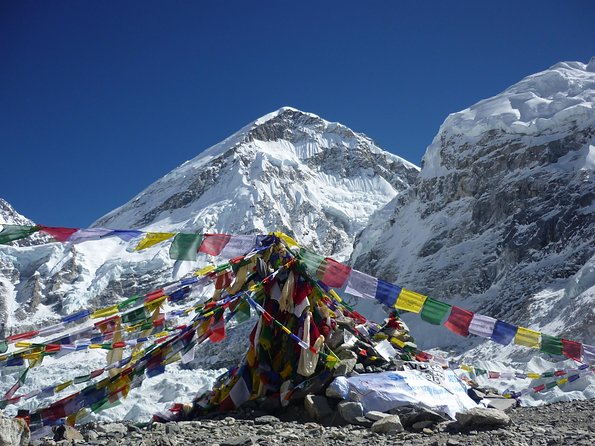
This trek fits best if you want a classic Everest Base Camp experience with a moderate approach and you care about the view: Everest plus a long list of nearby peaks, plus icefall-and-glacier drama near the goal.
Book it if:
- You’re active enough for daily hiking but you’re not trying to turn this into a training camp
- You like the idea of guided support and a coordinated team
- You want a private group experience rather than mixing with strangers
Consider a different option if:
- You’re not ready for the altitude demands that still come with moderate trekking
- You don’t want to manage meal costs during the trek, since lunch and dinner aren’t included
- You can’t handle schedule changes if weather shuts things down (the experience requires good weather)
Should you book Everest Base Camp Trek 16 Days with The Great Adventure Treks & Expedition?
If you want Everest Base Camp as the main goal, and you value organized support plus a private-group setup, I think this one makes sense. The strongest selling points are practical: private transportation, pickup in Kathmandu, and the fact that guides like Binod Silwal get named for real help with pace, food, and overnight choices. Add in the clear focus on rhododendron-and-Dudh Koshi trekking plus the icefall/ice-sheet scenery near the Everest area, and you get a trek that feels built around the right kind of effort.
My main caution is simple: treat moderate as still serious. If you’re willing to walk steadily, manage altitude sensibly, and budget for lunch and dinner on your own, this is a very solid way to chase the real Everest up close.
FAQ
How long is the Everest Base Camp trek?
The trek is listed as 15 days (approx.), and the trekking portion is described as around 14 days in the Everest region.
Where does the tour start?
The location is Kathmandu, Nepal.
What is included in the price?
The included item listed is private transportation.
What meals are not included?
Lunch and dinner are not included.
Is this tour private?
Yes. It’s a private tour/activity, and only your group participates.
Is pickup offered?
Yes, pickup is offered.
What fitness level do I need?
The info says travelers should have a moderate physical fitness level.
Will I get confirmation right after booking?
Confirmation will be received at the time of booking.
Can I cancel for a full refund?
Yes—free cancellation is available up to 24 hours in advance for a full refund.
What happens if weather is poor?
If the experience is canceled due to poor weather, you’ll be offered a different date or a full refund.