REVIEW · KATHMANDU
Ghorepani(Poonhill Trek)
Book on Viator →Operated by Himalayan Abode travels and Tours, Treks and Expedition · Bookable on Viator
Poonhill is the quick hit of Annapurna glory. This private Ghorepani (Poonhill) trek is built for real comfort: you move at your own pace with a guide and porter, and most of the big planning headaches are handled for you. I like the private flexibility (no group pressure) and the meals plus nightly stays that keep you focused on the trail. One thing to consider: the famous mountain-and-sunrise views depend on weather, so a cloudy morning can soften the wow factor.
You also don’t need to fear a brutal altitude push on this one. The trek’s highest point is listed at about 2540m near Ghorepani, which makes it a good choice if you want a real trekking experience without going deep into extreme high-altitude territory.
In This Review
- Key reasons this Ghorepani (Poonhill) trek makes sense
- Private pace in the Annapurna foothills (without the group stress)
- What the included transport and Kathmandu–Pokhara flow really does for you
- Day-by-day route: what each stop gives you (and what to watch for)
- Day 1: Kathmandu day tour setup before the trek
- Day 2: Arrival in Ghorepani and first real mountain views
- Day 3: Poonhill sunrise timing and mountain overview
- Day 4: Ghandruk village views with Mt. Fishtail and Gurung settlement
- Day 5: Pokhara finish, plus that post-trek recovery vibe
- Sunrise at Poon Hill: why this moment is worth planning around
- Ghandruk and Mt. Fishtail: where the trek turns from photos into place
- Food and lodging: what’s included and how it affects your energy
- Price and value: what $600 covers (and what it doesn’t)
- Packing and comfort: the small list that keeps this trek enjoyable
- Who this trek suits best (and who might want to tweak the plan)
- Should you book this Ghorepani (Poonhill) trek?
- FAQ
- How long is the Ghorepani (Poonhill) trek?
- Is this a private trek?
- What meals and lodging are included?
- How high does the trek go?
- Where is the meeting point and what time does it start?
- What is the cancellation refund policy?
Key reasons this Ghorepani (Poonhill) trek makes sense
- Private pace for your group, with guide and porter support
- Meals and nightly accommodations included throughout the trek days
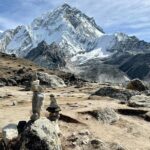
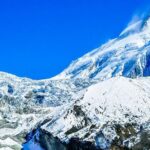
- Panoramic views geared around the Annapurna Range, Mt. Dhaulagiri, and Mt. Fishtail
- Short itinerary (about 5 days) that fits tight schedules
- Kathmandu pickup and Pokhara finish to simplify logistics
- Weather-dependent sunrise strategy with Poonhill as the payoff moment
Private pace in the Annapurna foothills (without the group stress)
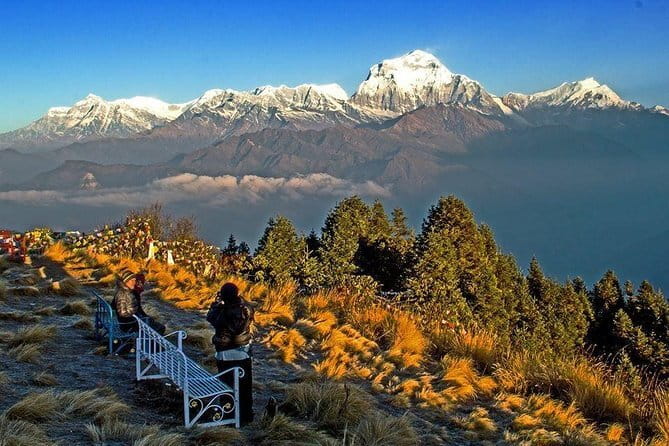
This trek is famous for a reason: Ghorepani and Poonhill sit in the Annapurna region where the viewpoints can deliver huge mountain energy in a short amount of time. The best part here is the format. It’s not a crowded cattle-car hike. It’s private for your party, which means your guide can help you match the pace to your group—whether that’s steady and quiet or more stop-and-photo frequent.
The guide and porter setup changes how the days feel. A porter isn’t about luxury. It’s about energy. When you’re carrying less, you can keep your legs fresher for the climb sections and still enjoy the longer viewpoint moments without feeling cooked.
The itinerary is designed around the “greatest hits” of the area: mountain panorama from Ghorepani, sunrise at Poonhill, and village scenery around Ghandruk. That structure is helpful if you’re short on time, but it’s also the tradeoff: you’re seeing a highlight trail, not a multi-week epic where you slowly absorb every valley.
You can also read our reviews of more tours and experiences in Kathmandu.
What the included transport and Kathmandu–Pokhara flow really does for you
This tour includes hotel pickup and drop-off in Kathmandu, plus round-trip transportation associated with the itinerary. You’re also finishing in Pokhara, the lake city. For many people, that alone is worth real money because independent travel often turns into a pile of small tasks: arranging transfers, coordinating timing between transportation and trails, and trying to get the schedule to line up with sunrise.
If you’re starting from Kathmandu, the meeting point is clearly set: Tribhuvan Airport in Kathmandu at 8:00 am. That early start matters because it gives the tour operator room to move you into the correct flow for the trek and any Kathmandu sightseeing day activity that’s included.
And yes, you’ll have a mobile ticket. It’s one less thing to worry about when you’re trying to keep everything organized while traveling.
Day-by-day route: what each stop gives you (and what to watch for)
Below is the heart of the experience: how each day’s structure connects to the big view moments and local culture you came for.
Day 1: Kathmandu day tour setup before the trek
Day 1 is a private Kathmandu day tour activity. The time listed for this segment is about 1 hour. Think of this as the “get oriented” step: you’ll be connected with the operator and the trek team, and you’ll have a chance to get your bearings before the hiking days begin.
Why this matters: when your first full trek day comes, you don’t want to spend it figuring out logistics. A short Kathmandu day is a practical on-ramp. If you prefer a totally relaxed start with no pressure, this format helps.
What to consider: because it’s short, don’t expect it to replace a full Kathmandu sightseeing day. It’s an entry step, not a whole city trip.
Day 2: Arrival in Ghorepani and first real mountain views
Day 2 centers on reaching Ghorepani, with time set aside for the “magnificent mountain range view” moment. This is also where the trek’s maximum elevation is listed at about 2540m during the full route, which is a big deal for pacing and comfort.
When you arrive, the feeling is usually different from the city days. Ghorepani is a trekking base with mountain views that can shift fast as clouds roll in. That’s why having the rest of the day for seeing the area matters. You’re not just passing through; you’re arriving to take in the region.
What to watch for: at these elevations, weather can change without warning. If you get a clear break, make the most of it rather than assuming you’ll see everything later.
Day 3: Poonhill sunrise timing and mountain overview
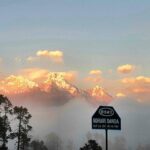
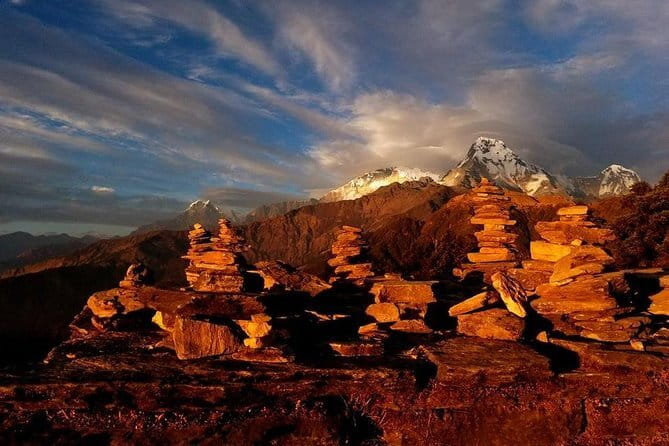
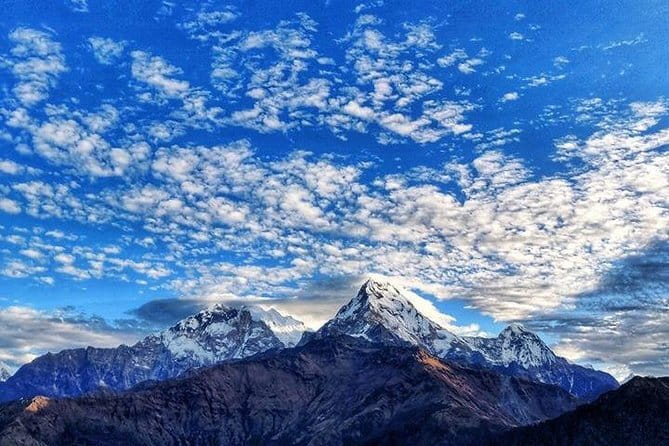
Day 3 is built around Poon Hill (listed as Poon Hill Marga), specifically for the sunrise and mountain overview. Sunrise is the main event. It’s not just about seeing peaks—it’s about seeing them with low-angle light, when details pop and the valleys look deeper.
This is also the day where trekking shoes, layers, and patience pay off. Even if the hike itself is not described in minute-by-minute detail, Poonhill sunrise commonly means an early start. Since the trek is private, your guide can help manage the timing so you’re not scrambling as the light changes.
What to consider: sunrise is weather-dependent. If fog or clouds move in, the “big reveal” can be reduced. The good news is that even on less-perfect mornings, there can still be rewarding views from higher points.
Day 4: Ghandruk village views with Mt. Fishtail and Gurung settlement
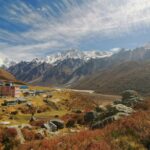
Day 4 heads to Ghandruk, with a focus on seeing the face of Mt. Fishtail and the Gurung settlement. This is where the trek gets more than just viewpoints. You get village texture—life lived right in the mountain shadow.
Why this is a highlight: Ghorepani and Poonhill give you the peaks. Ghandruk tends to give you the human scale. You’re seeing how people live where the mountains dominate the horizon.
A practical consideration: village days can mean more uneven walking and more time inside small lanes. If you like photo stops and conversation at a comfortable pace, this day usually feels rewarding.
Day 5: Pokhara finish, plus that post-trek recovery vibe
Day 5 wraps up in Pokhara, described as the lake city. The listed activity time is about 1 hour. For most people, this day is less about another big “tour” and more about transitioning—stretching out, eating a proper meal, and letting your body reset after the trek.
Why Pokhara matters: it’s a natural decompression zone after hiking. If you want to keep your trip feeling full (not just trek-and-go), adding Pokhara is a smart move.
Sunrise at Poon Hill: why this moment is worth planning around
Poonhill’s biggest draw is straightforward: it’s the trek’s arranged moment for sunrise. The tour specifically includes the sunrise and mountain overview focus on Day 3.
Here’s how I’d think about it practically:
- Plan for early light, not late comfort. If you want the classic view, you’ll likely be moving before the sun is fully up.
- Layers matter more than you expect. The tour instructions list bringing a warm jacket, trousers, and comfortable dress. Don’t treat this as optional packing theater.
- Weather is the real boss. The tour notes that it requires good weather, and if it’s canceled due to poor weather, you’re offered another date or a full refund. That’s a clear signal: sunrise is not a guaranteed slideshow every single time.
If you’re traveling at a time of year where skies can be unpredictable, you’ll feel better knowing the experience is built around one main visual payoff. Either you catch it, or you pivot to appreciating the mountain atmosphere you do see.
Ghandruk and Mt. Fishtail: where the trek turns from photos into place
By Day 4, you’re not just collecting views. You’re seeing the mountain region as a living home.
Ghandruk is specifically tied here to two things: the face of Mt. Fishtail and the Gurung settlement. That pairing is important. Mt. Fishtail gives the dramatic peak identity of the region, while the settlement gives you the cultural and architectural backdrop that makes the trek feel grounded.
If you prefer experiences that include people and not just panoramas, this is likely the day you’ll remember most. Also, because the trek is private and paced by your guide, you’re less likely to feel rushed through the village.
Food and lodging: what’s included and how it affects your energy
This tour is set up so you’re not constantly asking, Where do we sleep? What do we eat? and How much extra does this cost?
Included:
- Nightly accommodations and meals during the trek
- Breakfast (5), Dinner (5), Lunch (6) are listed as included
- Guide and porter meals (lunch, dinner, breakfast)
- Guide/porter insurance is included
- Alcohol and drinks are listed as not included
You can also choose veg or non-veg, which is a helpful detail if your group has preferences.
Practical impact: when meals and beds are arranged, you can stay in trekking mode instead of planning mode. You’ll also be less stressed about day-to-day budgeting, since your predictable costs shrink to things like personal expenses and any extra drinks.
Price and value: what $600 covers (and what it doesn’t)
The price is listed at $600 for this private trek experience. For many people, the real question isn’t the sticker—it’s what you’re not having to organize and pay separately.
From the included list, you’re getting:
- Trek guide and porter
- Nightly accommodations and meals
- National park fees and environmental management charge
- Fuel surcharge, local taxes
- Hotel pickup and drop-off
- Round-trip transportation elements connected to the itinerary
What’s not included:
- Alcoholic drinks and drinks
- Tips
- Personal expenses
- Medicine
- Personal insurance
So the value angle looks like this: your money is mostly buying reliability and reduced friction. You’re paying for a “done-for-you” trekking machine, not just paying for a route on a map.
One balance point: private trekking pricing can feel steep if you’re traveling solo and not splitting costs. If you’re a couple or small group, the private format often starts to look like better value.
Packing and comfort: the small list that keeps this trek enjoyable
The tour’s guidance includes clothing basics: warm jacket, trousers, t-shirt, and comfortable dress. That tells you the operator expects real trekking conditions rather than a casual walk.
My practical approach for this type of short Annapurna trek:
- Dress in layers so you can handle morning chill and daytime hiking warmth
- Keep things comfortable and movable, not stiff or overly formal
- Bring a warm jacket because the sunrise day is likely the coldest-feeling moment
Also keep in mind the documentation notes: you’ll need a current valid passport, and passport details (name, number, expiry, country) plus passport photo copy and passport size photo are required at booking time. That’s not exciting, but it avoids last-minute problems.
Who this trek suits best (and who might want to tweak the plan)
This Ghorepani (Poonhill) trek is a strong match if you want:
- A short trek around five days with big mountain views
- A private setup where you don’t have to keep up with a group
- Guide and porter support so you can hike without turning it into a logistics project
- A sunrise-focused highlight day at Poonhill
You might think twice if:
- You’re chasing a long, intensive trek where every day feels different for weeks. This is short and highlight-driven.
- You’re extremely sensitive to weather changes. Since the sunrise is a major payoff and the experience requires good weather, cloudy conditions can reduce the visual drama.
Should you book this Ghorepani (Poonhill) trek?
If your goal is to see the Annapurna region’s mountain power in a compact, well-run package, I think this tour is worth a serious look. The combination of private pacing, included meals and nightly accommodations, and a guided sunrise plan makes it a practical choice for first-time trekkers and time-limited visitors.
Book it if you’re comfortable with weather being a factor for sunrise. Skip it (or consider other options) if you can’t handle disappointment from a cloudy morning.
FAQ
How long is the Ghorepani (Poonhill) trek?
It’s listed as approximately 5 days.
Is this a private trek?
Yes. It’s a private tour/activity, so only your group participates.
What meals and lodging are included?
Nightly accommodations and meals are included. The tour lists breakfast (5), dinner (5), and lunch (6).
How high does the trek go?
The maximum elevation during the trek is listed as about 2540m at Ghorepani.
Where is the meeting point and what time does it start?
The start point is Tribhuvan Airport in Kathmandu, Nepal, with a start time of 8:00 am.
What is the cancellation refund policy?
You can cancel up to 6 days in advance for a full refund. Cancel 2–6 days before for a 50% refund. Less than 2 days before isn’t refundable. If it’s canceled due to poor weather, you’ll be offered a different date or a full refund.