REVIEW · POKHARA
From Pokhara: 4-Day Annapurna and Poon Hill Himalayan Trek
Book on GetYourGuide →Operated by Fewa Trail Treks and Expedition Pvt Ltd · Bookable on GetYourGuide
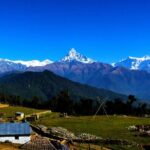
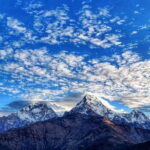
Sunrise at Poon Hill is the main event. I love the full Annapurna Range views you get in the dark before breakfast, and I also love the healing hot springs in Jhinu as a legit reward for sore legs. One thing to consider: mountain travel can change fast. A landslide or weather swings can shift the exact route or timing, so you’ll want your guide to communicate clearly and keep an eye on forecasts.
This is a compact trek that feels like you’re stepping into the lower Himalayan world, not just hiking between viewpoints. You’ll walk through forested hills, sleep in tea houses, and finish in Pokhara with a private vehicle drop-off. The private, English-speaking guide is a big value here because you’re not wandering or guessing when to turn.
In This Review
- Key Things I’d Watch For
- Why This 4-Day Poon Hill Trek Feels Worth It
- Day 1: Pokhara Pickup to Ulleri, Then Up to Ghorepani
- Day 2: Poon Hill Sunrise and the Descent to Tadapani
- Day 3: Tadapani to Jhinu Hot Springs, Then Ghandruk
- Day 4: Down to Nayapul and Back to Pokhara
- Price and Value: What $287 Covers (and What You Should Budget)
- The Guide Makes the Trek: English Support and Local Adjustments
- Packing and Prep: What You Need for This Trek
- Who Should Book This Trek (and Who Should Skip It)
- Should You Book It?
- FAQ
- Where are you picked up and dropped off?
- How long is the trek?
- What’s included in the price?
- What is not included?
- What will I do on Day 2?
- Is there time for hot springs?
- Where do you stay overnight?
- Do I need to provide passport details?
- Is the guide English-speaking?
- Is the trek suitable for everyone?
Key Things I’d Watch For
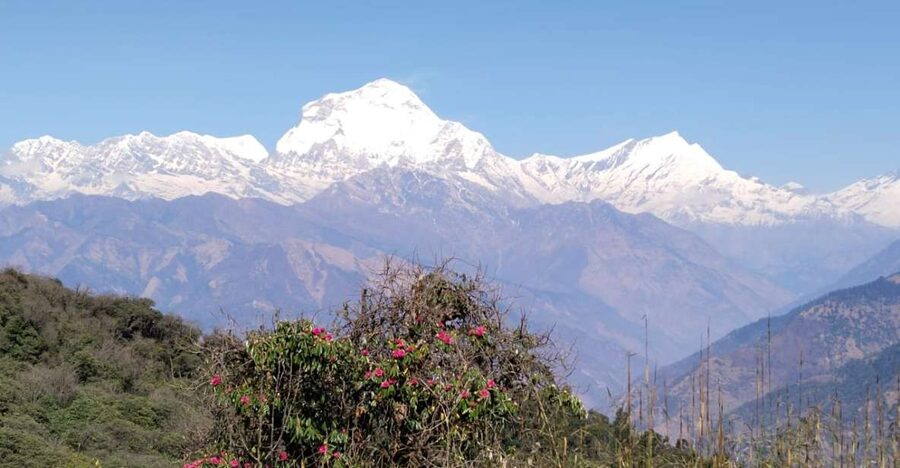
- Poon Hill sunrise: You’ll hike up for the early-morning view when clouds are still a gamble
- Jhinu hot springs: A real recovery moment, not a quick photo stop
- Tea house nights: Simple guesthouse life with basic comfort and trail-ready routines
- Ghandruk and Gurung culture: You’ll see how people built village life into the mountain
- Itinerary flexibility: Road damage and weather can mean changes, even on a fixed 4-day plan
Why This 4-Day Poon Hill Trek Feels Worth It
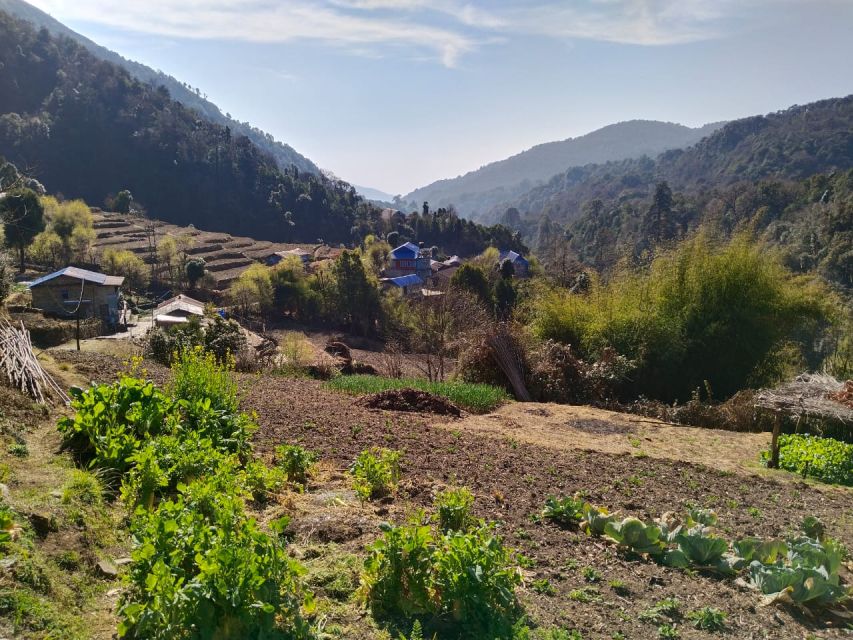
If you want Annapurna scenery without committing to a longer, higher trek, this plan hits a sweet spot. In only four days, you get a sunrise viewpoint, a descent-and-advance rhythm through the valley, a soak in Jhinu, and a cultural stop in Ghandruk. It’s compact, yes, but it doesn’t feel rushed in the way some short treks do. The pacing is built around walks of roughly 5 to 7 hours per day, depending on the stretch.
Also, the “lower Himalaya forests” matter. This isn’t just a strip of exposed ridgeline hiking. You spend time in shaded, cooler forest sections where your body can reset between climbs. That makes the trek more forgiving, especially if it’s your first Himalayan-style hike.
You can also read our reviews of more tours and experiences in Pokhara.
Day 1: Pokhara Pickup to Ulleri, Then Up to Ghorepani
You start with early hotel pickup in Pokhara via private car or jeep. After breakfast, the drive takes you toward Ulleri, and then the hiking begins upward toward Ghorepani. Day 1’s trek time is about 5 hours, which is a good “warm-up day” for the altitude you’ll feel over the next two mornings.
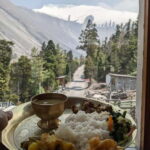
Why Ghorepani works as a first overnight: it’s the classic base for Poon Hill plans. You’ll settle into tea house life with a warm drink and that familiar early-to-bed routine. In practice, this matters because Day 2 starts in the dark, and you’ll want to sleep without chaos.
Potential drawback: tea house availability and comfort are simple by design. You’re choosing this trek partly for the journey, not for luxury. If you’re the kind of person who needs a very quiet, very modern bed to sleep, set expectations now and plan on bringing your best travel sleep mindset.
Day 2: Poon Hill Sunrise and the Descent to Tadapani
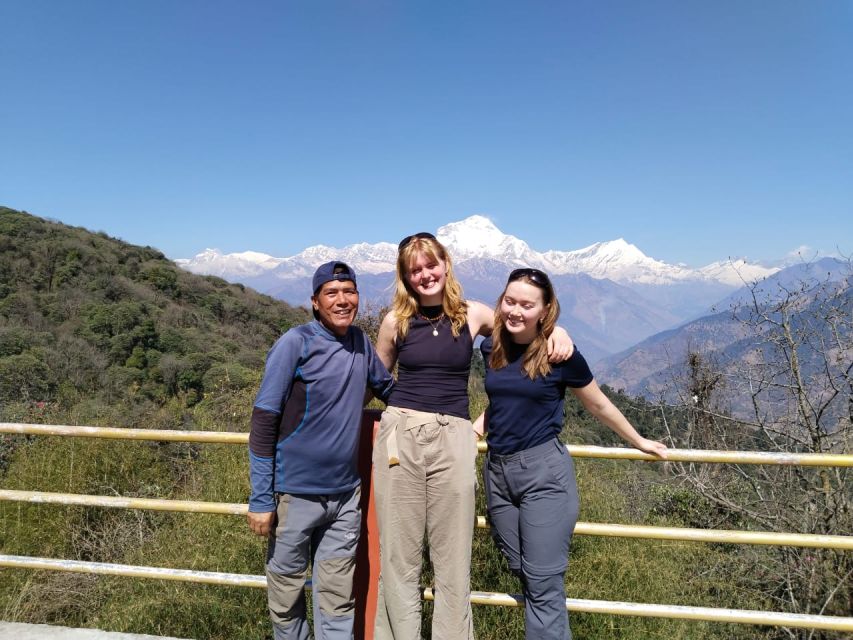
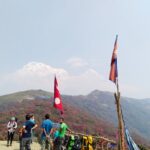
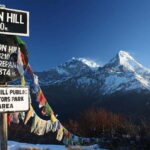
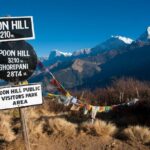
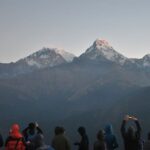
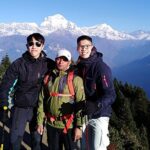
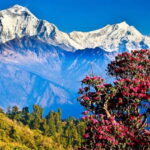
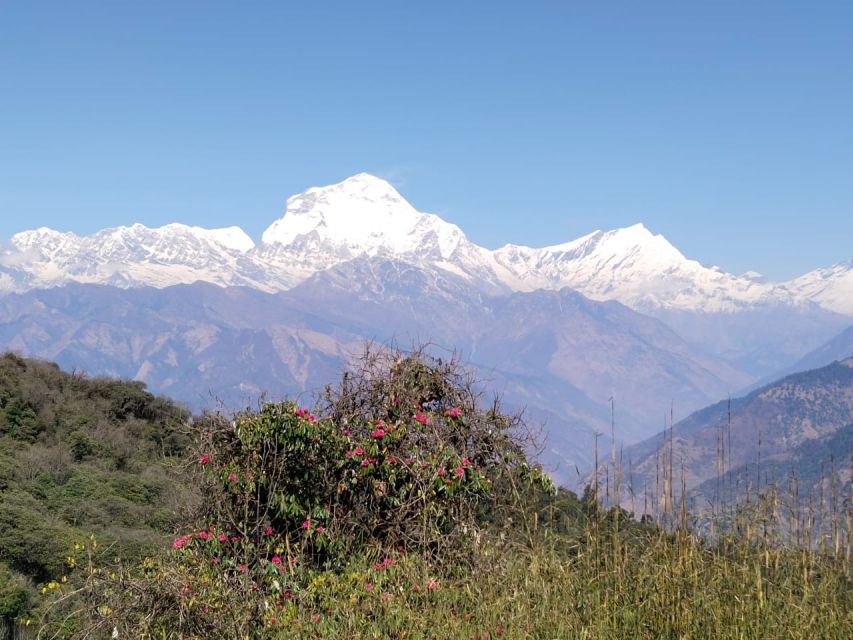
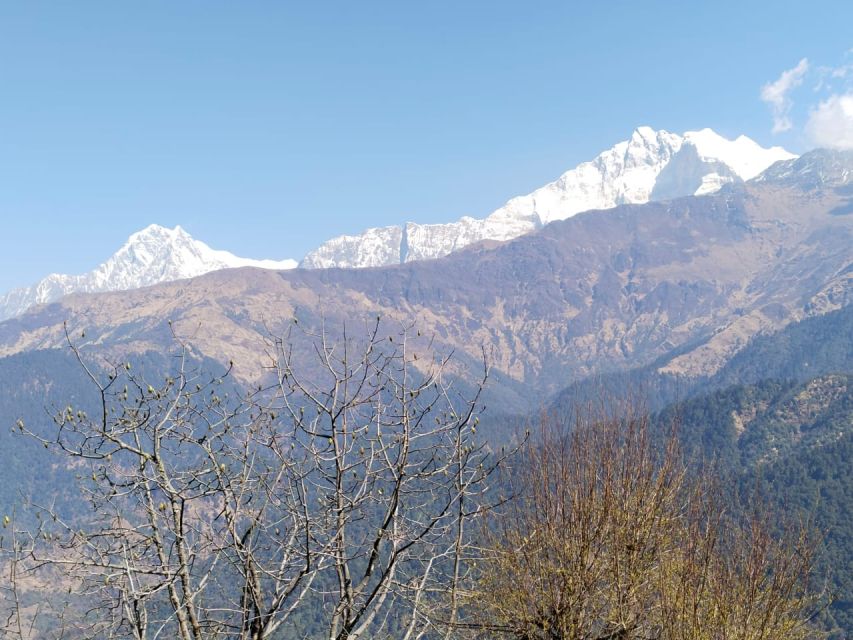
This is the day most people picture before they even book: sunrise at Poon Hill. You’ll head out early, then hike about an hour to the viewpoint. From there, you get a wide, jaw-dropping look across the Annapurna Range.
A practical note: sunrise viewpoints are only partly about effort. Weather decides a lot. I’ve seen how even good guides can’t control clouds, but the best guides try to stack the odds—checking conditions, talking timing, and keeping the group moving with purpose so you don’t waste your one sunrise window.
After sunrise, you’ll hike back down toward Ghorepani for breakfast, then continue onward to Tadapani for an overnight stay. Day 2’s total trek time is about 6 hours. The important thing here is that you’re doing both a climb and a day-long repositioning. Tadapani is a solid next stop because it keeps you in the valley’s flow and sets up the hot spring day nicely.
What I like about this day: you get the emotional payoff early (sunrise), then you transition into normal hiking after. No waiting around for something that might never show up. You earn the view.
Day 3: Tadapani to Jhinu Hot Springs, Then Ghandruk
Day 3 is the “recovery plus culture” combo. You’ll move onward toward Jhinu for the hot spring water bath. The water is considered therapeutic, and the itinerary builds in a short stay before you continue hiking.
This is more than a gimmick stop. When you’re doing a multi-day trek, your biggest enemy isn’t only the hill—it’s the cumulative soreness. Hot springs help you reset for the final day, and they add a special moment you don’t get on most viewpoint-only treks.
After the hot springs, you head to Ghandruk, a native Gurung village. Overnight is in Ghandruk, and this is where the trek turns from scenery into human scale. You’ll see a strong example of Gurung architecture and get a real sense of how Gurung communities adjusted to living in the Himalayan region—choosing stone, managing slopes, and building a village life that fits the mountains.
Trek time for Day 3 is listed as 6 to 7 hours, so plan it as a full day. If your feet feel cooked after Day 2, this is still doable, but you’ll want to keep your pace steady. Hot springs feel amazing, but they don’t erase the climb that comes after.
Day 4: Down to Nayapul and Back to Pokhara
On the final day, you hike down to Nayapul. From there, you drive back to Pokhara and get dropped off at your hotel, ending the trek.
Day 4 is your reset day in disguise. Yes, it’s downhill, but it’s still trekking—downhills can be hard on knees and calves, especially after three days of walking. The smart move is to keep steps short and controlled, and don’t try to “power walk” the last hours just to be done.
When you reach Nayapul, the drive back to Pokhara feels like stepping out of another world. You get clean air, smoother roads, and the chance to celebrate with a real meal—at your pace.
Price and Value: What $287 Covers (and What You Should Budget)
The listed price is $287 per person for 4 days. For that, you’re getting a bundle of costs that often add up in Nepal treks:
Included
- Hotel pickup and drop-off in a private car/jeep
- All necessary permits
- Accommodation in tea houses or guest houses
- A licensed English-speaking guide
- Guide expenses
Not included
- Food and drinks (available for purchase)
So what does that mean in real life? It means your trekking logistics are handled: permits, the guide, and where you sleep. That’s a big deal if you’d rather spend your energy on the trail instead of sorting out paperwork.
Your main extra budget item is food and drinks. Tea house meals are part of the trekking rhythm, but they aren’t free. Plan on paying for breakfast, lunch, and dinner along the way. You’ll also likely want warm drinks in the mornings. On a sunrise day, hot tea or coffee can make the cold feel less personal.
If you’re comparing value, think of this as paying for a guided, permissioned, trail-ready plan with transfers from Pokhara. That’s the part you can’t easily DIY smoothly if you’re short on time.
The Guide Makes the Trek: English Support and Local Adjustments
You’ll trek with a private guide who speaks English and is licensed. This matters on a short trek because every mistake costs you time. With a guide, you don’t waste energy figuring out turns or worrying whether you’re on track for the right tea house at the right hour.
From past experiences with this kind of trek, the best guides also manage the “in-between” stuff: timing departures, keeping the group aligned, and being ready when plans shift. One traveler noted that their provider communicated itinerary changes quickly, but another experience highlighted what happens when route timing changes aren’t communicated well after landslides. The lesson for you: ask your guide before you start walking each morning how the day might change based on trail or weather.
Name check from the experiences you shared: one guide called Muku was described as good, and Gobinda was described as kind and helpful. Different personalities, same core job: keep you safe, on schedule, and informed.
Packing and Prep: What You Need for This Trek
This trek is straightforward, but you’ll be more comfortable if you prepare like a serious hiker for four days.
Bring:
- Your passport (a copy is accepted)
And plan ahead:
- You need to provide passport details at least 24 hours before the tour so permits can be prepared.
Other practical packing items you might consider (even if not listed) are the basics for cold mornings: a warm layer for sunrise, good footwear, and a rain plan. The itinerary leans on early starts, and sunrise means chilly air. If your clothes and footwear aren’t up to it, you’ll feel it fast.
Also, remember the trek includes hot springs. Pack a way to manage wet clothing after the bath, since drying is never as fast as you want on the trail.
Who Should Book This Trek (and Who Should Skip It)
This trek suits you if:
- You want Annapurna views in a short time window
- You like forest hiking and not just high-exposure ridgelines
- You want a real recovery stop with Jhinu hot springs
- You care about a cultural village experience at Ghandruk
You might skip it if:
- You’re pregnant or you have mobility impairments. It’s not suitable for those needs based on the provided information.
If you’re traveling with limited time in Nepal and you want one “signature” trek experience, this is a strong choice. It’s challenging enough to feel meaningful, but structured enough to be manageable for many active travelers.
Should You Book It?
I’d book this trek if your top priority is a classic Poon Hill sunrise plus the extra “value moments” of Jhinu hot springs and Ghandruk village. The itinerary is built around those highlights, and the included guide, permits, and tea house stays make it easier to enjoy the hike instead of managing logistics.
Book it with eyes open. Weather can affect the sunrise view. Road or landslide issues can force changes, and one traveler even lost a day due to landslide damage that moved the start point farther down the mountain. The way to protect your trip: confirm morning plans early, ask how they handle forecast risk, and don’t assume the schedule will be frozen to the minute.
One more reason I like this booking setup: you can cancel up to 24 hours in advance for a full refund, and reserve & pay later keeps your plans flexible while you watch weather patterns.
If you want my simple advice: bring your patience for mountain reality, and you’ll come away with views you’ll remember and a hot springs soak that feels earned.
FAQ
Where are you picked up and dropped off?
You’re picked up from your hotel in Pokhara and dropped off at the end of the trek back in Pokhara after driving from Nayapul.
How long is the trek?
The duration is 4 days.
What’s included in the price?
It includes hotel pickup and drop-off in a private car/jeep, all necessary permits, accommodation in tea houses or guest houses, a licensed English-speaking guide, and guide expenses.
What is not included?
Food and drinks are not included. You can purchase them during the trek.
What will I do on Day 2?
You’ll hike to Poon Hill early for the sunrise view, then go back down for breakfast and continue to Tadapani for the overnight stay.
Is there time for hot springs?
Yes. On Day 3 you’ll go to Jhinu for a hot spring water bath, described as therapeutic, before continuing on to Ghandruk.
Where do you stay overnight?
You stay in tea houses or guest houses on the trek, including Ghorepani, Tadapani, and Ghandruk.
Do I need to provide passport details?
Yes. Passport details must be provided at least 24 hours before the tour so permits and arrangements can be prepared. A passport copy is accepted.
Is the guide English-speaking?
Yes. A live tour guide speaking English is included.
Is the trek suitable for everyone?
No. It is not suitable for pregnant women or people with mobility impairments.
If you want, tell me your hiking experience level and travel month, and I’ll suggest how to pace yourself for the 5 to 7 hour days and the sunrise start.