REVIEW · POKHARA
Ghorepani – Poon Hill Trek 3N-4D
Book on Viator →Operated by Sisne Rover Trekking · Bookable on Viator
Sunrise views cost you an early start, and that’s the point. This 3N–4D Ghorepani and Poon Hill trek is built around teahouse comfort (no tents), plus a guided route in Nepal’s Annapurna region with pickup from Pokhara.
I like that the trek handles the moving parts: an English-speaking, government-licensed guide, required trekking permits (ACAP and TIMS), and meals and lodging in village teahouses. I also like that you get a planning-friendly package, including ground transfers and even a completion certificate plus a souvenir Hike More, Worry Less t-shirt. One drawback to consider: the first full day includes a lot of uphill effort, and you should expect some walking on less scenic road stretches before the hills really kick in.
In This Review
- Key things that make this trek worth your time
- Poon Hill and Ghorepani in plain terms: what the trip really feels like
- Price and logistics: what you’re paying for (and what you’re not)
- Teahouses, meals, and the guide team: the comfort layer you actually feel
- Day 1: Pokhara to Tikhedhunga, then Ulleri Hill steps
- Day 2: Ghorepani village, shops, and an acclimation day that matters
- Day 3: the 3,210m Poon Hill sunrise push
- Day 4: Tadapani descent through rhododendron forest and darker woods
- Guide quality and pace: why people love specific names
- Is the trek hard enough to scare you? (And how to gauge it)
- What weather can do to your Poon Hill plan
- Should you book the Ghorepani–Poon Hill 3N–4D trek?
- FAQ
- How long is the Ghorepani–Poon Hill trek?
- Where does the trek start?
- Is there pickup from Pokhara?
- Do I need to bring a tent?
- What does the tour include for meals?
- Are trekking permits included?
- Is the guide English-speaking?
- What’s included for Poon Hill?
- What is not included in the price?
- What happens if weather ruins the trek?
Key things that make this trek worth your time
- Teahouse nights, no camping gear stress: you sleep in comfortable rooms rather than carrying tents.
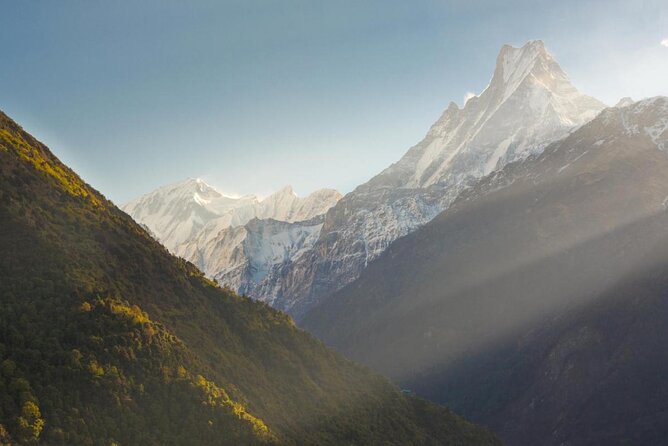
- Sunrise is the big event: the early climb sets you up for views over the Annapurna range from Poon Hill.
- Permits and paperwork are handled: ACAP and TIMS are included, saving you time and headaches.
- Forest-to-village variety: you’ll move from valley paths up to villages, then later through rhododendron forest.
- A guide who manages pace and culture: many guides (like Diwan, Anil/Pai, and Milan) are known for patience and teaching Nepali phrases.
- Food and logistics are bundled: three meals during the trek days reduces the day-to-day decision load.
Poon Hill and Ghorepani in plain terms: what the trip really feels like
This is a short trek with a clear storyline. Day after day, you climb from river valleys into hill villages, then you hit the signature moment at Poon Hill before turning back through forests and downhill trails.
The biggest “value” isn’t only the view. It’s the structure. You’re not micromanaging where to sleep or where to eat, and you’re not sorting permits or navigation—your guide and the teahouse system do that work.
That said, this trek is still a trek. There’s uphill hiking, including stairs and steep sections, and a sunrise start that can feel like a wake-up slap. If you like scenic walking but hate chaos, this format usually hits the sweet spot.
You can also read our reviews of more tours and experiences in Pokhara.
Price and logistics: what you’re paying for (and what you’re not)
The price is $321.34 per person for about 4 days. For many people, it’s reasonable because it bundles more than just a walking route. You get teahouse accommodation during the trek, three meals a day (with specific counts for breakfast, lunch, and dinner), an experienced guide, and ground transfers from Pokhara.
You also get the paper trail sorted: ACAP and TIMS permits are included, plus the medical kit is carried by your guide. On top of that, you receive a certificate of trekking completion and a souvenir t-shirt.
What’s not included matters for budgeting:
- Nepalese visa fee
- Travel and rescue insurance
- Tips for guide(s) and porter(s)
- Personal expenses (laundry, battery recharge, shower, and similar items)
- Bottle or boiled water is listed as personal expense
Also note this: if you’re comparing prices, don’t just compare the route. Compare what’s packaged. A lower price often means you’re paying separately for permits, guide time, meals, and transfers—or you’re doing more DIY.
Teahouses, meals, and the guide team: the comfort layer you actually feel
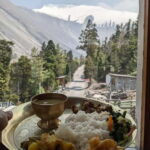
A lot of Poon Hill treks attract first-timers because they avoid camping. Here, you sleep in teahouses each night, with comfortable rooms and meals included as part of the package. That’s not glamorous, but it’s practical, especially if you want to focus on walking and views instead of gear.
Your guide is English-speaking and government-licensed, and they carry a medical kit. There’s also paperwork support and a completion certificate, which can make the experience feel more official and smoother.
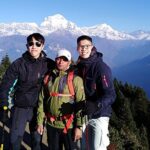
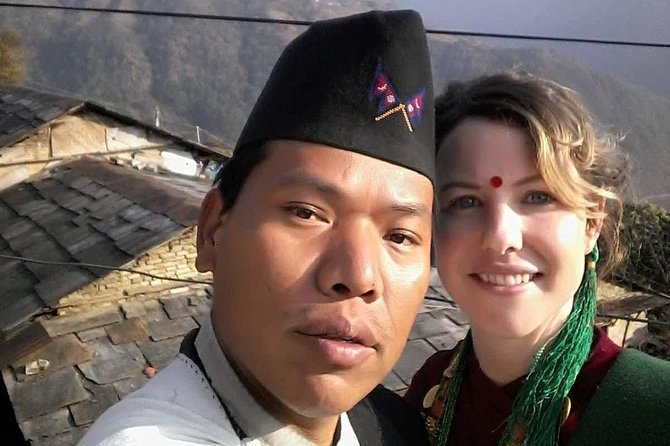
One of the most praised parts in the real-world experience is guidance quality. You may be with guides such as Diwan, Anil (Pai), or Milan, and the common thread is pacing and cultural context. Some guides are especially helpful when you need to slow down on big climbs, and they’ll often share Nepali culture and even simple phrases along the way.
Day 1: Pokhara to Tikhedhunga, then Ulleri Hill steps
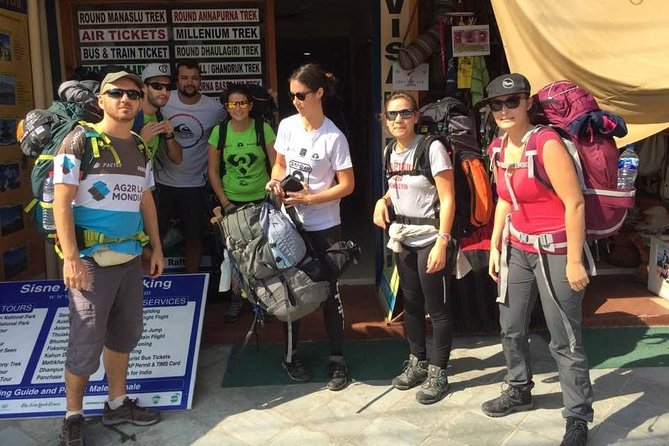
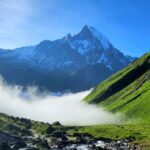
Day 1 starts with an about one-hour drive from Pokhara to Nayapul. From there, you walk through sub-tropical valley forests, crossing the Bhurungdi Khola via a bridge before reaching the village of Tikhedhunga.
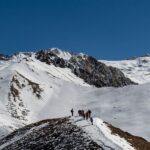
This day includes a climb to Ulleri Hill. Expect many steps. That uphill effort can feel relentless early, especially if you’re not used to stair-style trekking.
Why it still works: it sets your body up for the rhythm you’ll use the next days. And while the very first part can feel more utilitarian than postcard-perfect, the altitude and village transitions build momentum.
Practical consideration: if you’re sensitive to steep steps, ask your guide to manage pacing from the start. The trek is private for your group, so you’re not locked into a single “tour pace.”
Day 2: Ghorepani village, shops, and an acclimation day that matters
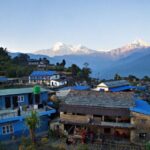
After breakfast on Day 2, you ascend to Ghorepani. Ghorepani is more than a viewpoint stop. It’s a village with small shops and stalls selling local products and crafts, which makes it a good day to breathe, browse, and settle in.
Ghorepani is described as having two parts: one on a saddle and another a few hundred feet away. That layout matters because it affects where teahouses cluster and how your walk feels in and out of the village.
Why you’ll appreciate this day: it’s a transition day. Instead of going straight to the big sunrise event, you climb gradually enough to make the next morning’s early hike more realistic.
A small drawback: village time can feel less scenic than forest trekking, depending on weather and visibility. If clouds hang around, the village portion can feel like a waiting game. Still, it’s also the day when you’ll likely feel most “tied into” the local trekking economy.
Day 3: the 3,210m Poon Hill sunrise push
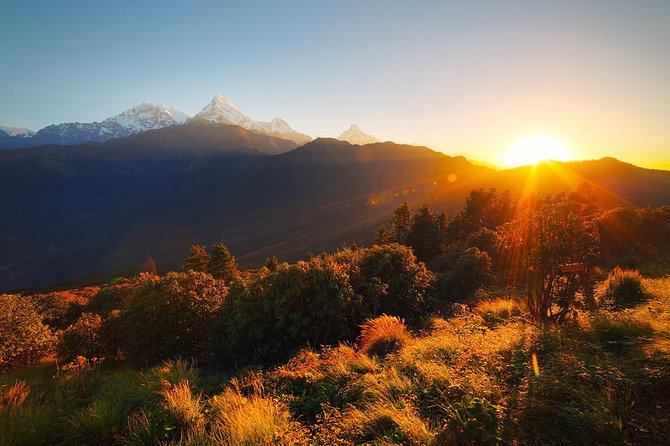
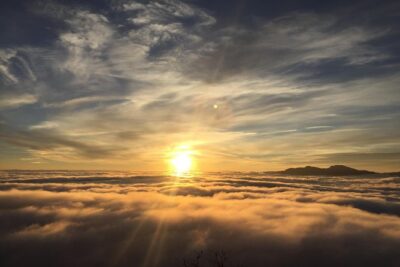
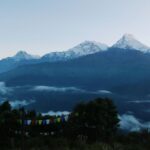
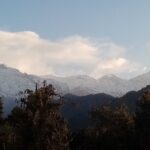
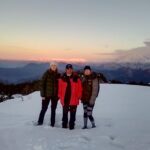
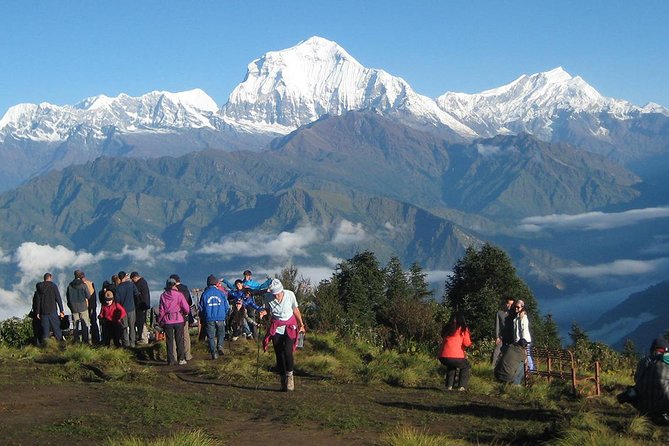
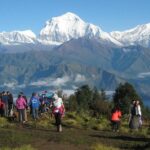
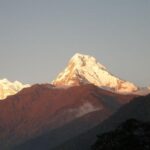
Day 3 is the star. You start with an early morning climb along a steep trail to Poon Hill, at 3,210m. The goal is sunrise over the Annapurna mountain range, with views said to extend as far as Mustang on clear days.
Timing matters here. The climb is steep, and it’s designed to get you to the viewpoint early enough to catch the light. If you’re traveling with anyone who dislikes early starts, this is where you’ll need teamwork: slow and steady wins the race.
How Poon Hill can go right:
- Clear skies can give you big panorama moments.
- The steep walk feels worth it because the pay-off is concentrated in a short window.
How Poon Hill can go sideways:
- Cloudy or rainy weather can hide the peaks. Even then, you still get a structured early-morning trek and the satisfaction of making it to the viewpoint.
A good planning tip: keep your expectations flexible. Sunrise views are the reward, not the guarantee.
Day 4: Tadapani descent through rhododendron forest and darker woods
On Day 4, the route shifts from altitude-building to downhill hiking. From Tadapani, you make a steep descent through dense, dark forest. This section is known for old rhododendron trees, and when they’re in bloom, the forest changes visually.
The trek also includes features like waterfalls along the way. This is the day you’ll often feel the “forest walking” side of the trek, especially if you enjoy shaded trails and changing scenery rather than viewpoint stops.
One consideration: downhill can be just as hard as uphill, but in a different way. Your knees and feet do the talking. If you’re prone to soreness, take short steps and keep your pace controlled.
Why this day matters for the story: it prevents the trek from feeling like a one-view event. You get villages, then a sunrise peak moment, then real forest trekking on the way back.
Guide quality and pace: why people love specific names
This trek’s reputation isn’t only about views. It’s about how the trek feels when your body negotiates the steps.
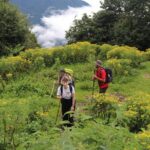
Guides like Diwan are often praised for friendliness and patience when someone needs to take it slow on the many steps. Other guides, like Anil (Pai), are known for mixing trek guidance with Nepali cultural teaching and phrases, which makes the walking time feel more meaningful. And with guides such as Milan (and porter support like Krishnan), the emphasis often comes through as care and encouragement, especially on a first trek.
If you’re the kind of traveler who hates feeling rushed, look for a guide who’s used to slower pacing. With a private trek for your group, you’re more likely to get that supportive, adjust-as-needed approach.
Is the trek hard enough to scare you? (And how to gauge it)
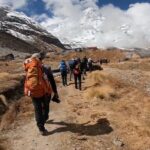
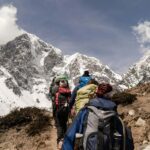
The trek is geared toward travelers with moderate physical fitness. You’ll face steep sections and stairs—especially Day 1 to Ulleri Hill and the steep early push to Poon Hill on Day 3.
So the real question is not whether you can walk. It’s whether you can handle:
- Steady uphill effort
- Stairs and steep trails
- A steep downhill on Day 4
If you’re in good health but not a regular hiker, this route can still work because it’s guided and structured. Your biggest advantage is asking for slower pacing early, then keeping that rhythm through the climbs.
If you’re coming straight from city life, plan for sore calves and tired legs. This is normal for the Annapurna foothills style of trekking.
What weather can do to your Poon Hill plan
This experience is weather-dependent. If poor weather cancels it, you’ll be offered a different date or a full refund. That’s a practical policy because sunrise viewing is the main draw.
My advice is to choose dates with some flexibility and a willingness to adjust expectations. Even when the peaks are hidden, the trekking days still deliver rhythm: forests, village life, and a guided route with meals and teahouse comfort.
Should you book the Ghorepani–Poon Hill 3N–4D trek?
Book it if:
- You want a short, guided trekking experience without tents.
- You care about a structured sunrise hike and don’t mind an early start.
- You prefer having meals, permits, and logistics handled so you can focus on the trail.
- You’d enjoy a guide who brings cultural context and can slow down when needed.
Skip it or think twice if:
- You dislike stair-style hiking and steep walking.
- You have a very tight budget and may struggle with visa, insurance, tips, and personal expenses (these aren’t included).
- You’re traveling at a time when cloud cover is likely and you absolutely need a clear panorama at sunrise.
If you can handle steep walking and you’re open to weather variability, this trek is a solid value because the package covers the stuff that usually creates stress—permits, guide support, meals, and teahouse sleeping.
FAQ
How long is the Ghorepani–Poon Hill trek?
It runs for about 4 days (3 nights to 4 days).
Where does the trek start?
The trek starts in Pokhara and then drives to Nayapul to begin the walking route.
Is there pickup from Pokhara?
Yes, pickup is offered from your Pokhara hotel or guesthouse.
Do I need to bring a tent?
No. You stay in comfortable teahouse rooms each night.
What does the tour include for meals?
Breakfast, lunch, and dinner are included during the trek days.
Are trekking permits included?
Yes. The package includes necessary trekking permits (ACAP and TIMS).
Is the guide English-speaking?
Yes. You’ll have an experienced English-speaking trekking guide who is government-licensed.
What’s included for Poon Hill?
The Poon Hill viewpoint ticket is included, and the climb to the viewpoint is part of the Day 3 schedule.
What is not included in the price?
Not included are the Nepalese visa fee, travel and rescue insurance, tips for guides/porters/drivers, and personal expenses such as laundry and battery recharge.
What happens if weather ruins the trek?
If the experience is canceled due to poor weather, you’ll be offered a different date or a full refund.
If you want, tell me your hiking comfort level (especially on steep stairs) and your travel month, and I’ll help you sanity-check whether this exact 3N–4D timing fits your pace and expectations.