REVIEW · CUSCO
Salkantay 5-Day Trek To Machu Picchu
Book on Viator →Operated by Bamba Travel · Bookable on Viator
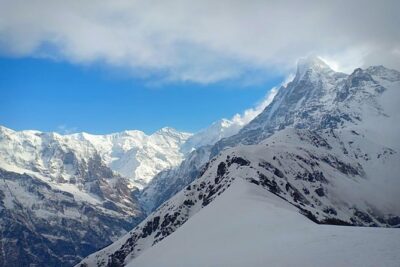
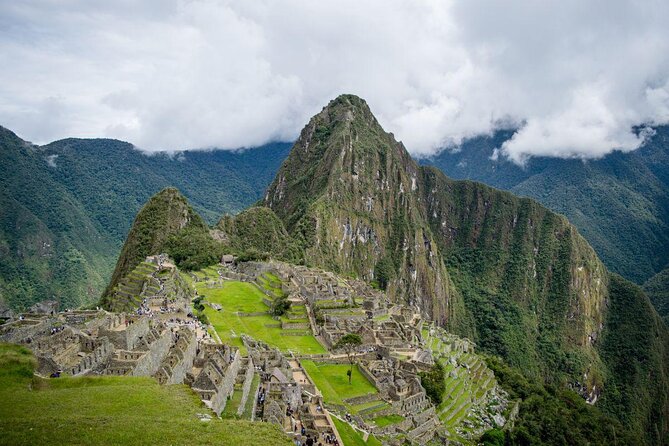
Machu Picchu starts with cold mornings. This 5-day trek follows the rugged Salkantay route with snow-peaked Andean views, then drops into upper jungle country before you reach Machu Picchu in the early light. You’ll also hit a high pass at about 15,200 feet (4,650 meters), which is exactly the kind of challenge that makes the final ruins feel earned.
What I like most is the human support and food. You get a professional bilingual guide for both the trek and the Machu Picchu tour, plus full meal service (with a vegetarian option if you request it ahead of time), so you’re not figuring out trail snacks every hour. I also appreciate the practical details that reduce stress: camping setup for you, plus horsemen and mules that carry a chunk of group gear, with an emergency oxygen bottle for added safety.
One consideration: this is demanding hiking with big altitude swings. The highest campsite is cold, and the schedule asks you to keep moving even when you’re breathing a little harder at elevation—so go in with solid fitness and realistic expectations about pace.
In This Review
- Key takeaways before you commit
- Why the Salkantay Route feels like the real trek to Machu Picchu
- Cusco to the trailhead: pickups, briefing, and what you should not ignore
- Day 1: From Mollepata to Soraypampa and the Laguna Humantay side trip
- Day 2: The 4,650m Salkantay pass and the choice to rent a horse
- Day 3: Upper jungle vibes near Santa Teresa River and the hot springs option
- Day 4: Hydroelectric station to Aguas Calientes, plus hotel night in 3-star comfort
- Day 5: Early bus into Machu Picchu and your guided ruins tour
- Price and logistics: what $797 buys you and what you should budget for
- Packing and fitness: altitude reality and your gear rules
- Who this Salkantay Trek fits best
- Should you book this Salkantay 5-day trek to Machu Picchu?
- FAQ
- What’s the pickup time in Cusco?
- Do I need to bring a sleeping bag?
- Are meals included, and is there a vegetarian option?
- What’s included for Machu Picchu on Day 5?
- Are the hot springs in Santa Teresa included?
- Can I rent a horse for the high pass?
- Is this trek refundable if I cancel?
Key takeaways before you commit
- 4,650m high pass day: dramatic views, plus an optional horse rental if you want help reaching the top.
- Small-group feel: max 16 travelers, average group size around 4, which usually means more guidance attention.
- Trail meals are part of the plan: breakfasts, lunches, dinners, and snacks are built in, including a vegetarian option.
- Logistics handled for you: van, bus, and train transfers are arranged, but you manage your own during train/bus segments.
- Cold nights to warm days: you’ll camp at high altitude, then move toward Santa Teresa’s warmer area.
Why the Salkantay Route feels like the real trek to Machu Picchu
If you’re choosing between the easy-to-market “quick” paths and the classic Andean experience, Salkantay makes the decision for you. You’re hiking through a sequence of environments—glacier-backed mountains, high passes, then river valleys and tropical plants—so the scenery changes often enough to keep your brain engaged when your legs get loud.
This route is also built around timing that matters. The final day includes an early Machu Picchu departure by bus so you can see the ruins while the mist is still clearing. That timing can make a big difference in what you notice—like how the light hits the stone and how the city feels more mysterious before daytime crowds fully settle in.
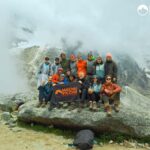
And because this trek is small-group, the pace is more manageable than in huge convoy-style tours. When you’re going uphill at altitude, small adjustments in pace and regrouping are not perks—they’re what keep the day from turning into a race.
You can also read our reviews of more tours and experiences in Cusco.
Cusco to the trailhead: pickups, briefing, and what you should not ignore
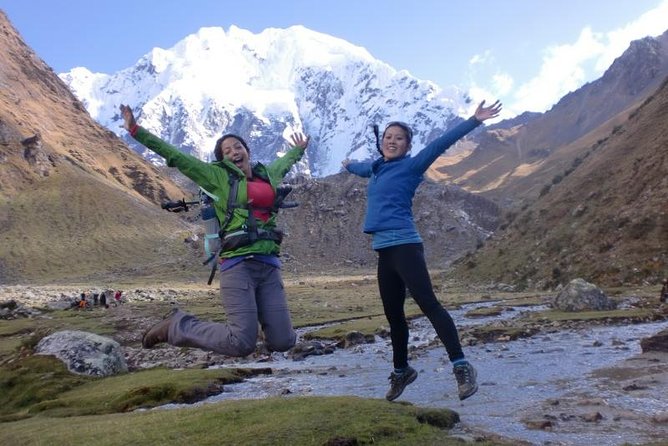
Your trek starts early. Plan for pickup between 5:00 and 6:00 am, followed by transport out of Cusco to the morning staging areas. There’s a mandatory pre-departure briefing held at the operator’s Cuzco headquarters one day before departure (typically at 5pm, 6pm, or 7pm depending on your trek date). It’s not just paperwork; it’s where you confirm departure details and get a clear equipment checklist.
Bamba Travel also provides a few helpful “make life easier” pieces. You’ll get a mobile ticket, and the trek includes hotel pickup in Cusco (not the airport). Accommodation in Cusco is not included, so you’ll want to arrive a day early if your flight timing is tight.
On the day-to-day movement, you’re not alone—but you do have limited hand-holding. You travel with guided support on the trek and during the Machu Picchu tour, while bus and train transfer portions are on your own (no guide walking you through stations and timing). That’s normal for many Peru itineraries, but it’s worth mentally preparing so you don’t expect someone to herd you during transfers.
Day 1: From Mollepata to Soraypampa and the Laguna Humantay side trip
Day 1 is where the altitude story begins. You’ll start with a transfer to Mollepata (about 2,900m), with a chance to stretch your legs and grab snacks before the route continues to Challacancha, where equipment gets a last check.
Then comes the first hiking section: roughly a 3-hour walk to Soraypampa (about 3,920m). You stop for lunch with panoramic views of the snow-capped Andes, which is a good moment to settle your body before the climb that’s still waiting.
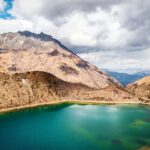
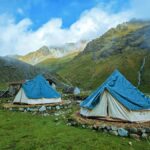
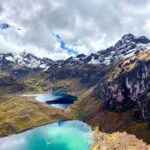
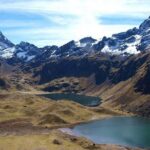
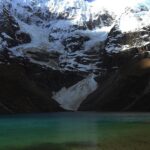
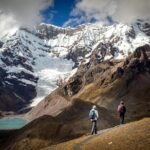
The big scenic pull on Day 1 is the hike to Laguna de Humantay (about 1.5 hours each way, roughly). This is a classic Salkantay highlight because you’re earning it—every step gives you a better view, and the lake area is where the cold air and high altitude really show up. After that, you return to camp at the highest and coldest campsite of the trip (again, around 3,920m), eat dinner, and keep the evening simple.
What could be tricky: Day 1 isn’t the toughest day, but it sets your baseline. If you land in Cusco and try to power through without acclimatizing, you’ll feel it here.
Day 2: The 4,650m Salkantay pass and the choice to rent a horse
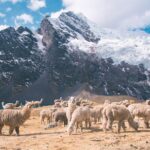
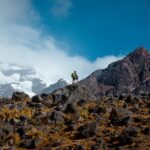
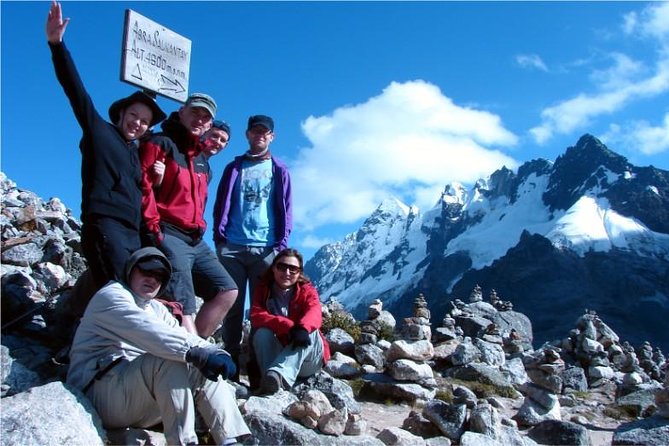
Day 2 is the mental highlight for many people, because it centers on the trek’s highest pass—around 4,650m—between Salkantay (6,267m) and Humantay (5,900m). After breakfast around 6:00 am, you start a hike of about 4 hours to reach the pass. The operator also offers optional horse rental (roughly 100 to 120 soles) if you want help reaching the high point.
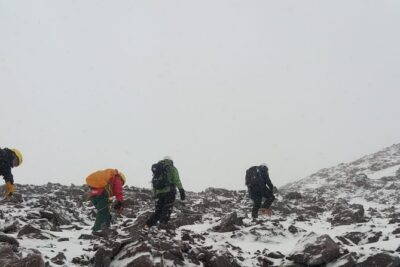
From the pass, the views can be intense, and the chance of snow here is part of what keeps this day dramatic. Then you shift gears into a downhill descent for about 2 hours to lunch at Huayracpampa. Downhill can still burn your legs, so it’s worth using trekking poles if you have them, and keeping your steps controlled instead of eager.
After lunch, you hike another 3 hours toward a campsite around Challhuay or Colcapampa (near the start of the high jungle area at about 2,900m). That drop in elevation is a relief, but it also means your body works differently—less oxygen pressure, more heat and sweat as the vegetation changes.
The Day 2 rhythm is long (about 9–10 hours in the plan), so pace matters more than speed. If you treat it like a steady climb rather than a sprint, the whole trek becomes more doable.
Day 3: Upper jungle vibes near Santa Teresa River and the hot springs option
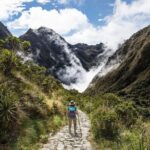
Day 3 drops you deeper into the change of scenery. You start around 6:30 am with a trek through upper jungle terrain, crossing the Santa Teresa River and multiple smaller streams. This is where the trail feels less like a rocky mountain route and more like a living ecosystem route—valleys, waterfalls, tropical fruits, and plants come into view.
Lunch happens at La Playa (about 2,200m). From there, you transfer by car to Santa Teresa town (around 1,700m). This move is not just convenience; it’s what helps you recover after two hard days. Santa Teresa’s warmer climate also makes the evening feel less brutal.
You camp overnight in Santa Teresa for a night that’s often described as a real body reset. After resting, there’s an optional hot springs visit in town (extra cost). If you’re curious, it’s also a nice way to loosen up your calves and feet before the final push.
A consideration here: you’ll be swapping trekking time for driving time, and you might feel more like you’re traveling than hiking. If you love being on your own schedule, that can feel odd; if you want recovery built in, it’s a big plus.
Day 4: Hydroelectric station to Aguas Calientes, plus hotel night in 3-star comfort
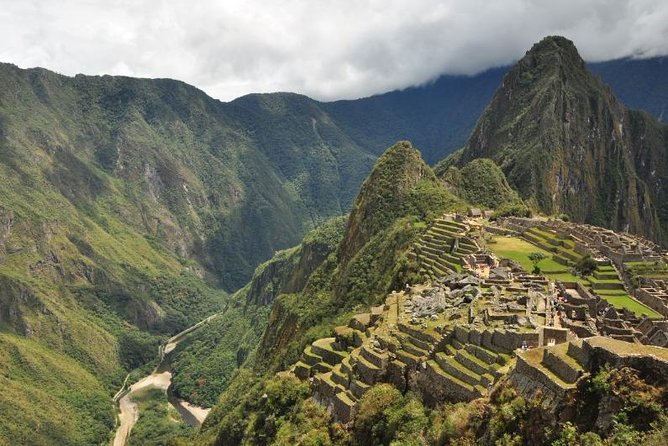
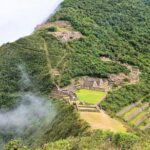
Day 4 is the bridge day from trail life to Machu Picchu life. After breakfast around 8:00 am, you hike a relaxing path for about 3 hours to the hydroelectric station (around 1,880m), where you get a box lunch. From there, another 3-hour walk (slight uphill) brings you to Aguas Calientes at about 2,010m.
This is the day you’ll want to be careful with energy. Even if it feels less intense than Day 2, it’s still time on your feet, and you’re walking with tomorrow’s early departure in mind. Once you arrive, you’ll have time to recharge before dinner at a local traditional restaurant.
Your accommodation is a 3-star hotel in Aguas Calientes for one night. That matters because camping has a certain chill, even when you’re done for the day. A real bed can make tomorrow feel less like a test and more like a reward.
There are a few optional add-ons you might see on the plan. An optional bus can move you from Santa Teresa to the hydroelectric station, and there’s an optional train transfer from the hydroelectric area to Aguas Calientes—extra costs apply. If your knees are already grumbling, these options are worth considering.
Day 5: Early bus into Machu Picchu and your guided ruins tour
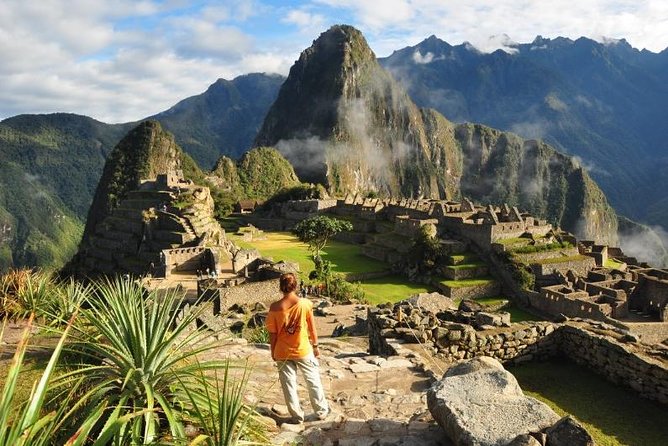
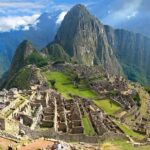
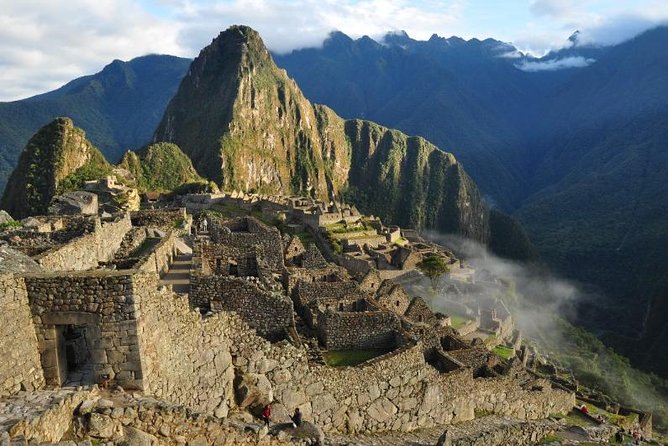
Day 5 is all about timing. You’ll catch one of the first buses to Machu Picchu around 05:30 am. The ride is about 25 minutes, and arriving early gives you the best chance of mist clearing as you start moving.
You’ll have a walking tour inside Machu Picchu of about 2 hours with your guide. That’s the sweet spot if you want to understand what you’re looking at without racing through the ruins. After the guided portion, you can explore on your own.
If you want more hiking within the site, there are optional peaks. Huayna Picchu is available but must be booked in advance at an extra cost. There’s also mention of an optional Machu Picchu mountain hike (also extra, booked at least one week in advance). If you care about these, plan ahead early, because permits can sell out.
After your time at Machu Picchu, you take a bus back down to Aguas Calientes. Then the trip heads home by train to Ollantaytambo and a bus back to Cusco. You’ll be dropped off late in the day at Plaza San Francisco, so make sure your Cusco lodging is reachable without requiring a late-night plan.
Price and logistics: what $797 buys you and what you should budget for
At $797 per person, the value comes from how much the hard part is handled for you. You’re paying for guided trek support, trekking accommodations (camping on multiple nights plus a hotel night in Aguas Calientes), and key transport segments including bus transfers and tourist train access.
Here’s the practical breakdown of what’s likely “included enough” to make a difference:
- Guide on the trek and on Machu Picchu day
- Camping gear: basic sleeping pad and tents (you share based on your booking type)
- Meals: Day 1 through Day 4 includes breakfasts, lunches, dinners, plus snacks (Day 1 breakfast and Day 5 lunch are not included)
- Entrances: included for the Machu Picchu side
- Support crew: horsemen and mules carry cooking/camping equipment and a total of 7 kilos per trekker (with part of that weight allocated to sleeping gear and part for personal items)
What you should budget for separately:
- Sleeping bag (you must bring or rent)
- Optional extras like Santa Teresa hot springs and optional transport shortcuts
- Optional Huayna Picchu or Machu Picchu mountain hikes
- Tips, which are optional but customary in Peru (amounts are listed by the operator in soles)
- Bottled water, plus Day 1 breakfast and Day 5 lunch
One small but important note: permit requirements can change. There’s an item mentioning that government permits may be required and could add a fee (rates are listed in the information). It’s not something you control, but it’s good to know there’s a chance of an extra charge depending on the rules for your travel period.
If you’re comparing costs, don’t just compare the headline number. Compare the total experience: you’re getting multi-day guided trekking plus the infrastructure to reach Machu Picchu without stitching together a dozen separate bookings.
Packing and fitness: altitude reality and your gear rules
This trek is clearly demanding. The plan calls out important temperature changes tied to elevation shifts, with altitude moving roughly from around 4,000m down toward about 2,000m over the trek. That means you’ll feel cold at higher elevations even if afternoons improve.
Your packing list is where people usually trip up. You’re advised to bring or rent in Cusco things like trekking boots, rain pants, a poncho, warm socks, thermals, a hat, gloves, and sun protection. You’ll also want hiking poles if you use them, plus a small personal first aid kit and hand sanitizer.
Two gear points matter most:
- Weight management: horsemen and mules handle cooking and camping equipment and carry your assigned portion, but there’s still a weight limit. Don’t show up expecting to carry everything like a weekend hike.
- Sleeping bag: it’s not included, so plan for it before you arrive.
Also, the operator suggests extra cash for snacks and drinks that can cost more along the trail. You’ll have included meals, but you may still crave extras—especially on longer hiking stretches.
And yes, you’ll be dealing with thin air. If you’re not already comfortable hiking hills at altitude, take acclimatization seriously before you start.
Who this Salkantay Trek fits best
This is a strong match if you:
- Want a challenging trek with a full-service support setup
- Prefer a smaller group (max 16, average around 4)
- Like the idea of mixing high pass views with river-valley jungle hiking
- Appreciate having meals and equipment support instead of planning everything yourself
It’s a less ideal match if you want:
- A purely gentle walk with no cold camp nights
- A super loose schedule with frequent free time (most of the itinerary has set blocks)
- A trip where your guide stays with you during all bus and train transfers (they do not accompany you on transfers)
The minimum age listed is 7 years, which suggests it can work for families who are prepared, but the trek is still demanding and altitude-dependent.
Should you book this Salkantay 5-day trek to Machu Picchu?
If you want Machu Picchu plus a real trek that feels like more than a transfer to a viewpoint, I think this route makes a lot of sense. The combination of a high pass day, jungle valley hiking, and an early guided Machu Picchu entry is a well-balanced formula: challenge now, reward later.
Book it if you’re physically ready for long hiking days and you like the idea of sleeping in a tent part of the way. Pass on it if you’re trying to “test” your fitness right before a big altitude jump, or if you expect effortless hiking with no cold-night discomfort.
In short: if you want the classic Salkantay experience with solid logistics and a guide who keeps you moving, this one is easy to justify.
FAQ
What’s the pickup time in Cusco?
Pickup is offered and you’ll be picked up between 5:00 and 6:00 am for departure to the trek start.
Do I need to bring a sleeping bag?
Yes. The camping accommodation includes tents and basic sleeping pads, but a sleeping bag is not included.
Are meals included, and is there a vegetarian option?
Meals are included for four breakfasts, four lunches, four dinners, plus three snacks. A vegetarian meal option is available if you advise the operator prior to departure.
What’s included for Machu Picchu on Day 5?
You’ll take a tourist bus from Aguas Calientes to Machu Picchu, get a guided walking tour for about 2 hours, and then you can explore on your own before returning by bus and continuing travel by train and bus back to Cusco.
Are the hot springs in Santa Teresa included?
No. Hot springs in Santa Teresa are optional and cost extra (20 soles).
Can I rent a horse for the high pass?
An optional horse rental is available to reach the high pass for about 100 to 120 soles.
Is this trek refundable if I cancel?
No. This experience is non-refundable and cannot be changed for any reason.