REVIEW · KATHMANDU
14 Days Annapurna Circuit Trek
Book on Viator →Operated by Yolo Hike · Bookable on Viator
Thorong La feels like a different planet. This 14-day Annapurna Circuit pairs a Kathmandu warm-up with village trails through Chame, Pisang, and Manang, then delivers the day you came for: the Thorong La pass crossing. I like that acclimatization in Manang is built in, not treated as an afterthought, and the route keeps you moving while still giving your body a chance to adjust.
The main consideration is effort. This trek calls for strong physical fitness, and you’ll face long walking days plus thin air where pacing matters. One more practical point: the package lists the Jomsom to Pokhara flight as not included, so you’ll want to confirm which option your itinerary uses once you reach that stage.
In This Review
- Key things I think are worth your attention
- Annapurna Circuit basics: what makes this route feel complete
- Kathmandu setup days: Thamel and valley sights that make the trek easier
- The long drive to Chame: a calm start before the trail takes over
- Chame to Pisang: first big views and learning the rhythm
- Pisang to Manang: more peaks, Tibetan-influenced village life
- The Manang acclimatization day: the smartest day on the schedule
- Yak Kharka to Thorong Phedi: barren beauty and “near-pass” terrain
- Thorong La pass and Muktinath: the day that turns plans into memories
- Jomsom to Pokhara: apples, calm, then a museum and a waterfall
- Meals, porters, and staffing: what this package handles for you
- Price and logistics: is $900 good value?
- Who this trek suits best (and who should think twice)
- Should you book this 14-day Annapurna Circuit trek?
- FAQ
- What city does the trek start from?
- How long is the Annapurna Circuit itinerary?
- Is airport pickup and drop-off included?
- How many nights are spent trekking?
- Is accommodation included in Kathmandu and Pokhara?
- What kind of guide and porter support is included?
- Are meals included?
- Do you get time to acclimatize?
- Is the flight from Jomsom to Pokhara included?
- Is cancellation free, and how far in advance can you cancel?
Key things I think are worth your attention
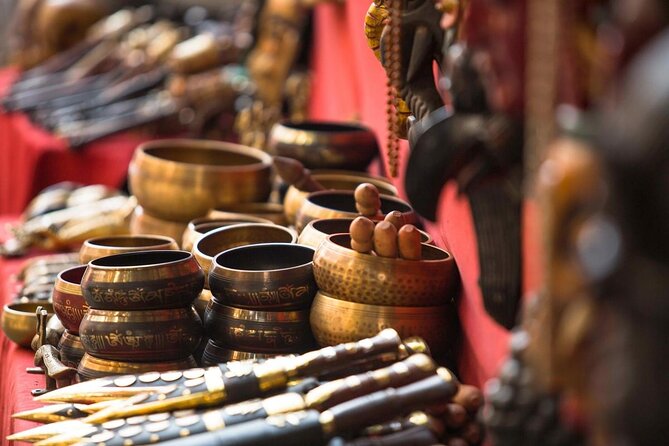
- Manang acclimatization day gives you a real buffer against altitude stress
- Staffing is hands-on: guide plus 1 assistant guide for each 6 trekkers, and porters are included
- Thorong La timing starts early, which matters when conditions can change fast
- Muktinath adds culture right after the pass, not as a random side stop
- Pokhara break time includes time for the International Mountain Museum and Devi’s Fall
- Airport transfers are handled by private vehicle, so you don’t lose energy to logistics on day one
Annapurna Circuit basics: what makes this route feel complete
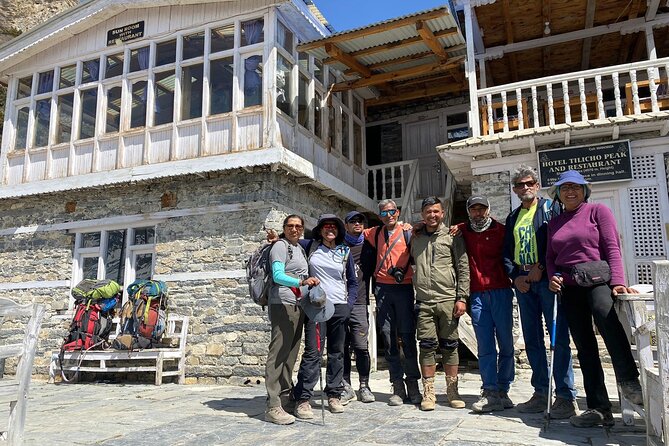
The Annapurna Circuit is famous for a reason. You don’t just walk through mountains—you move through changes: altitude, climate, village styles, and even the way people live. One day you’re dealing with forests and river crossings. The next you’re staring at barren, high-altitude terrain where the air feels thinner and your breathing gets louder.
This specific 14-day plan is set up like a “full arc.” It starts with Kathmandu setup, drives you to the trek gateway, builds toward the big pass day, then transitions into lower-elevation sacred sites and calmer travel in Jomsom and Pokhara. If you want a trip that has clear structure (not just a vague route), this one fits.
You can also read our reviews of more tours and experiences in Kathmandu.



Kathmandu setup days: Thamel and valley sights that make the trek easier
Your trek doesn’t start on the trail. It starts in Kathmandu, where you’re met at the airport and handled straight into the rhythm of the trip.
On arrival, you get airport pickup and drop-off by private vehicle. That’s not glamorous, but it matters. Long flights plus instant traffic stress is a rough combo. You also get help with necessary trip arrangements, which can save time when you’re still getting your bearings.
Then there’s Thamel. You get time for trekking shopping and a walking tour in the area. This is where you handle the practical stuff: what you forgot, what you need to replace, and what you just want to buy because it beats thinking about it later.
Day 2 is a prep day in Kathmandu Valley, and it’s smart that it’s not packed with high expectations. The plan highlights major sites like Pashupatinath Temple and Boudhanath Stupa. Even if you’re not into temples, these stops give you Nepal’s spiritual texture before you move into hiking culture—plus they’re a good way to see big, meaningful places without sprinting around.
Tip from how this itinerary is shaped: use this time to test your shoes around town and get your backpack weight feeling normal. Your first long day on the trail will feel more manageable if day one in Kathmandu doesn’t turn into chaos.
The long drive to Chame: a calm start before the trail takes over
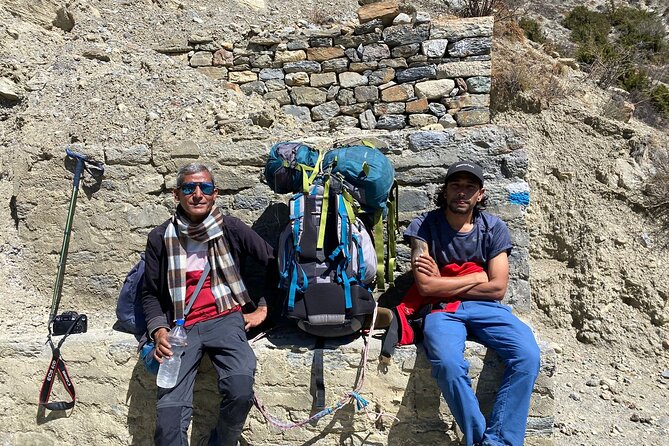
Once you leave Kathmandu, you settle into the overland side of the circuit.
Day 3 is the drive from Kathmandu to Besisahar (about 175 km, typically 6–7 hours, depending on traffic). It’s a transport day, not a sightseeing sprint. You’ll pass through rural Nepal, and you’ll start noticing how scenery shifts as you get farther from the city.
Day 4 continues by sharing Jeep from Besisahar to Chame. Expect around 10–11 hours for that push, depending on road conditions. This kind of long day is where group travel can help. You’re not trying to manage every stop and connection. You just show up, ride, and arrive ready.
Also, if you’re sensitive to motion, this is where you’d want to be prepared with your usual comfort items. The trek portion is physically demanding, but the road portion can also wear you down if you treat it like a casual shuttle ride.
Chame to Pisang: first big views and learning the rhythm
The actual trekking begins from Chame to Pisang.
Day 5 sets the tone. The trail winds through scenery where you’ll get strong views of Annapurna II and Lamjung Himal. That matters because it tells you what kind of day you’re in early—high enough to see big peaks, but still working your way into higher altitude habits.
The trek length listed is around 11 hours, so you’ll likely spend a lot of that day hiking and adjusting your pace. This is also a good stretch to practice your walking routine: steady steps, short breaks, and not burning energy early.
For me, the value of a start like this is psychological. When you get your legs working while the views are already impressive, you build confidence instead of spending the first days feeling discouraged.
Pisang to Manang: more peaks, Tibetan-influenced village life
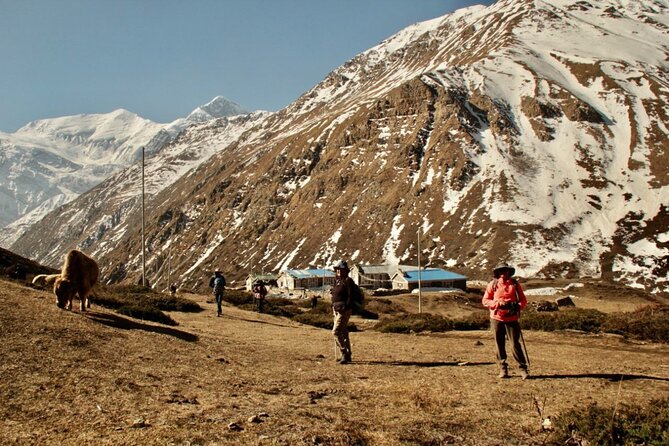
Day 6 moves you from Pisang to Manang.
The trail gradually ascends, and the peaks become more prominent as you near Manang. That gradual build is helpful when you’re not just dealing with climbs, but also with altitude. Your body reacts to both.
Manang is a place you’ll feel as you walk in. It’s described as a Tibetan-influenced village, and that cultural layer is part of why the Annapurna Circuit keeps people coming back. You’re not just passing through “remote places.” You’re stepping into communities that have their own mountain logic.
This is also where the trek shifts from “nice hiking” to “serious trekking with purpose.”




The Manang acclimatization day: the smartest day on the schedule
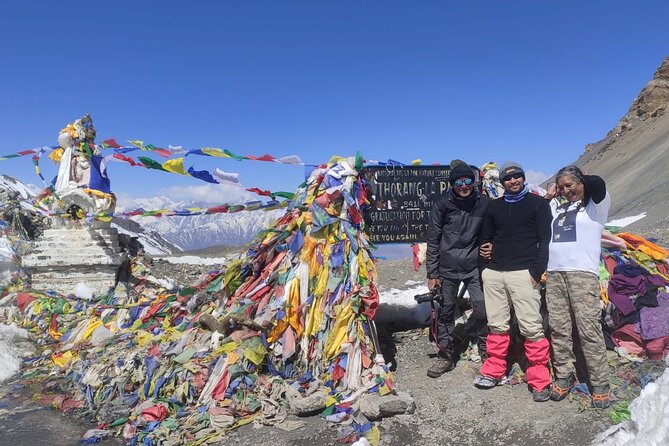
Day 7 is designated for acclimatization in Manang. This is crucial. The plan explicitly flags thin air and the need for adjustment to prevent altitude sickness.
You get time to explore—so it’s not a locked-in rest day where you feel stir-crazy. But the key idea is that you’re not stacking another big altitude jump immediately after arriving. That’s how you reduce risk.
If you’re wondering whether you should treat acclimatization as a suggestion or a rule: take it as the rule. This itinerary is built around the idea that your safety depends on how you handle altitude, and Manang is the built-in moment to do it right.
Yak Kharka to Thorong Phedi: barren beauty and “near-pass” terrain
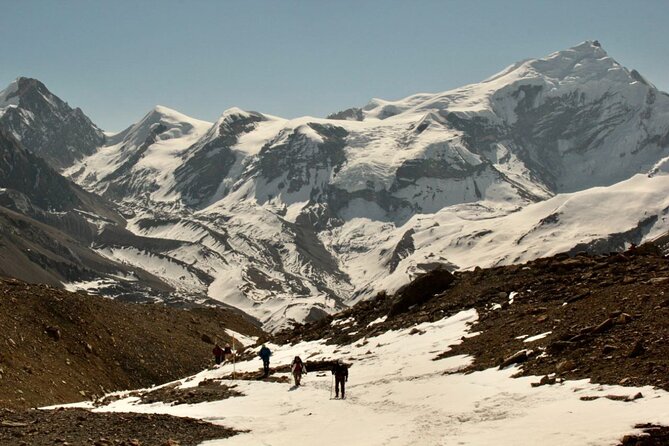
Day 8 takes you from Manang to Yak Kharka.
Expect barren landscapes and more dramatic panoramic views. The trek is listed at around 10 hours, and the descriptions point to how the scenery changes as you climb. You’ll also notice the walk becoming more “high altitude trekking” than “village hopping.”
Day 9 moves you to Thorong Phedi at the foot of Thorong La pass. The trail climbs through rocky terrain and glacial moraines. This is the part of the circuit where the trail starts to feel like a real prelude to a major crossing.
Thorong Phedi matters because it sets you up for Day 10. You’re not trying to add extra goals. Your job is to arrive and be ready.
Thorong La pass and Muktinath: the day that turns plans into memories
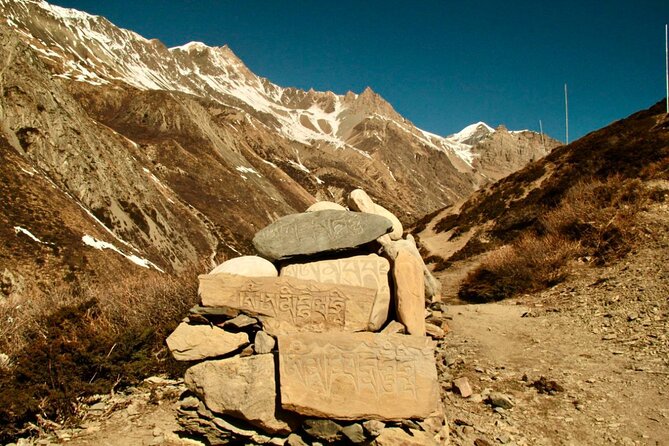
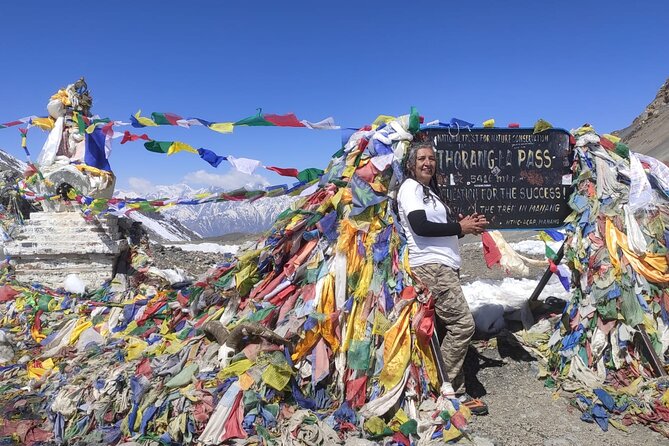
Day 10 is the headline. You cross Thorong La pass starting early, with a steep ascent to reach the pass at a very high altitude. The day is described as exhilarating and challenging, and it’s the kind of trek moment where pacing and focus really matter.
Once you’ve taken in the pass views (and yes, you’ll be wanting to stop for photos), the plan shifts into descent. You continue to Muktinath, a sacred site for both Hindus and Buddhists, known for temples.
Then there’s the move toward Jomsom. After Muktinath, you continue your journey by drive through a windswept valley. The contrast from lush greens earlier to this drier, starker terrain is one of the circuit’s best lessons: Nepal’s mountain regions aren’t one style of nature. They’re a set of climates stacked on top of each other.
Jomsom to Pokhara: apples, calm, then a museum and a waterfall
After Muktinath, you reach Jomsom. The route description calls it quieter and notes apple orchards, which fits the shift toward a more relaxed pace after Thorong La.
From Jomsom, you continue toward Pokhara—described as a scenic drive through Mustang Valley. The idea here is that your final travel day(s) give you a mental exhale before you return to Kathmandu.
In Pokhara, the plan includes time for:
- The International Mountain Museum
- Devi’s Fall (also listed as Davis Fall)
These stops are a good balance with the trek. You’re not only recovering physically—you’re also turning the trip into context. A museum day helps you connect what you saw outside to bigger Himalayan stories. And Devi’s Fall is a simple way to mark the end of the circuit before you re-enter city life.
One practical thing to keep in mind: the package lists the flight from Jomsom to Pokhara as not included. If your route uses flight rather than drive on your final segment, budget time and money accordingly.
Meals, porters, and staffing: what this package handles for you
A trek package is only “easy” if the support is real. Here’s what’s included and why it matters for how your trip feels.
You’re not on your own for logistics. You get:
- Professional certified trekking guide and 1 assistant guide for each 6 trekkers
- 1 porter for each 2 trekkers
- Guide and porter lodging, fooding, insurance, and salary
That porter ratio is meaningful. When your pack is shared, your hike feels less like a burden-test and more like hiking.
Meal support is also built in. The plan includes:
- Breakfast (13)
- Lunch (9)
- Dinner (9)
The breakdown suggests you’ll have food covered on trek days, not just when it’s convenient. Still, tea, coffee, and hot water are listed as not included. That’s common, but it’s worth planning for—especially if you like warm drinks at tea houses while you wait out weather or cooldown after a long walk.
Accommodations are included too:
- 2 nights in Kathmandu and Pokhara on a twin-sharing basis
- 9 nights in the trekking area, also twin sharing
Twin sharing can be a mixed bag if you’re sensitive to noise or sleep habits, but it’s standard for treks in this style and helps keep the overall price reasonable.
Price and logistics: is $900 good value?
At $900 per person, you’re paying for more than a route. You’re paying for staff, most meals, and multiple nights of lodging across different elevations. In a circuit like the Annapurna, those costs add up fast if you try to build it yourself from scratch.
Here’s the value shape I see in this package:
- Guided support and assistant coverage (especially useful for safety and pacing around altitude)
- Porters at a defined ratio, which reduces the load you carry
- Lodging included for Kathmandu, Pokhara, and the trekking period
- Meals included across the majority of trekking days
What’s not included affects your total budget:
- Personal expenses like bar bills and shopping
- Tea, coffee, and hot water
- Other personal expenses
- The flight from Jomsom to Pokhara (listed as not included)
Also, the itinerary notes group discounts and a mobile ticket, which can lower friction if you’re traveling with a group or managing confirmations on your phone.
Bottom line: $900 feels like fair value if you want a structured trek with support and you’re not planning to add lots of extras along the way. If you know you’ll spend heavily on upgrades, hot drinks, and side travel, your final cost will drift upward.
Who this trek suits best (and who should think twice)
This Annapurna Circuit plan is best for people who:
- Have strong physical fitness
- Want a guided trek with porters and set meals
- Like the idea of an acclimatization day rather than rushing upward
- Appreciate a mix of mountain trekking and cultural stops (temples, sacred sites, museum time)
It may be less ideal if you:
- Prefer a lighter, more flexible itinerary with more solo freedom on every day (this one is structured)
- Have concerns about long travel days by road in Nepal before the trek really starts
- Are not comfortable with altitude risk and the need to follow the pacing rules
Should you book this 14-day Annapurna Circuit trek?
I’d tell you to book it if you want the classic Annapurna Circuit experience with the key safety ingredient: a planned acclimatization day in Manang, plus real staffing on the trek.
I’d hesitate only if the Jomsom to Pokhara segment is a deal-breaker for you (because the flight isn’t included) or if your fitness level is still building and you’d struggle with long trekking days in thinner air.
If you do book, ask the operator to clarify your Jomsom-to-Pokhara plan early and confirm how the driving versus flying option works for your dates. That one question can save headaches at the end of an already intense trek.
FAQ
What city does the trek start from?
The trek starts in Kathmandu, Nepal, with the meeting point at Tribhuvan Airport.
How long is the Annapurna Circuit itinerary?
The itinerary is about 14 days.
Is airport pickup and drop-off included?
Yes. Kathmandu airport pick up and drop off are included by private vehicle.
How many nights are spent trekking?
The package includes 9 nights accommodation in the trekking area.
Is accommodation included in Kathmandu and Pokhara?
Yes. It includes 2 nights in Kathmandu and Pokhara respectively on a twin-sharing basis.
What kind of guide and porter support is included?
You’ll travel with a professional certified trekking guide, 1 assistant guide for each 6 trekkers, and 1 porter for each 2 trekkers.
Are meals included?
Yes. Breakfast is included for 13 days, lunch for 9 days, and dinner for 9 days.
Do you get time to acclimatize?
Yes. The itinerary includes a designated acclimatization day in Manang.
Is the flight from Jomsom to Pokhara included?
No. The flight from Jomsom to Pokhara is listed as not included.
Is cancellation free, and how far in advance can you cancel?
The tour offers free cancellation, with a full refund if you cancel up to 24 hours in advance of the experience’s start time.