REVIEW · HANOI
Hanoi-Sapa Trek 2 days 2 nights and Homestay with small group
Book on Viator →Operated by Crossing Vietnam Tour · Bookable on Viator
Rice terraces pull you into Sapa fast. This small-group trek from Hanoi makes Sapa feel close, with visits to Cat Cat and other villages plus a homestay night that shows how people actually live up north. I really like the maximum 9-person group size because the pace feels human, not rushed, and the guide can help when the terrain gets tricky.
I also love how the itinerary mixes big-name spots with local village walks, so you get both views and context for the ethnic communities around Sapa. The one thing to keep in mind: the homestay is not a hotel, and the weather in Sapa can be cold and foggy, so you need to pack for real mountain conditions.
In This Review
- Key highlights I’d plan around
- Hanoi to Sapa by night train: the easiest way to start trekking
- The village route you’ll actually walk: Cat Cat, Lao Chai, Ta Van, Giang Ta Chai, Su Pan
- Homestay in Ta Van Village: what it is, and what it isn’t
- Small group rhythm: less waiting, more help on muddy paths
- Your guide and the pace: English support you can use
- Transportation and handoff: pickup, then a practical end point in Hanoi
- Price and value: why $139 can make sense (or not)
- Packing like a pro: cold, fog, and the stuff you’ll actually need
- Meals and timing: what you get, and how to avoid surprises
- Who this trek suits best
- Should you book this Hanoi–Sapa trek with Ta Van homestay?
- FAQ
- Where does the tour start in Hanoi?
- Where do you end after the tour?
- What’s the end drop-off location in Hanoi?
- Is pickup included?
- How many people are in the group?
- Does the tour include a homestay?
- What meals are included?
- What sightseeing stops are included in Sapa?
- What should I pack for the weather?
- Do I need cash, and what currency is accepted?
- What is the cancellation policy?
Key highlights I’d plan around
- Small group of up to 9 for more attention on the trail
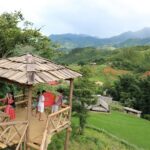
- Homestay in Ta Van Village for a close-up look at daily life
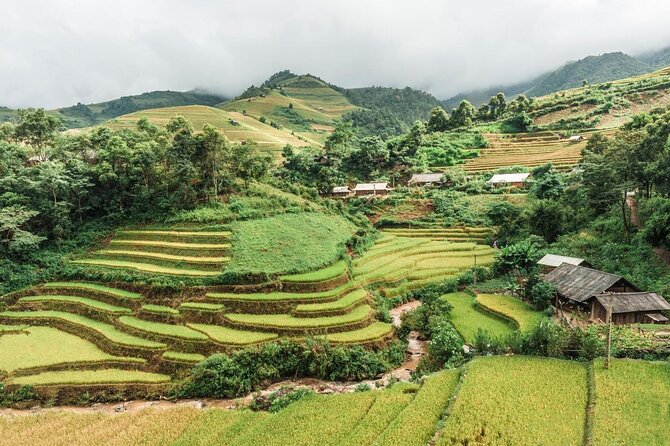
- Village circuit including Cat Cat, Lao Chai, Ta Van, Giang Ta Chai, and Su Pan
- Night travel by train that helps you move from Hanoi to Sapa efficiently
- Local English-speaking guide who handles logistics so you can focus on walking and seeing
Hanoi to Sapa by night train: the easiest way to start trekking

This is a 2 days / 2 nights style trip that starts in Hanoi and gets you to Sapa without wasting a whole day on transit. The idea is simple: you travel at night, then you’re awake and ready for the village walking the next day.
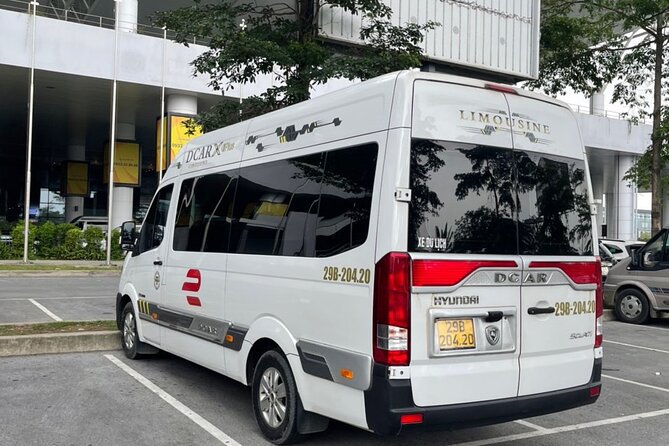
The tour also uses a luxury limousine car for the Hanoi–Sapa legs. That matters more than it sounds. In northern Vietnam, roads can be slow and bumpy, so having comfortable transport helps you arrive less worn out before you start walking.
You can also read our reviews of more tours and experiences in Hanoi.


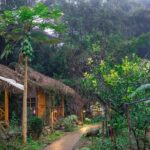
The village route you’ll actually walk: Cat Cat, Lao Chai, Ta Van, Giang Ta Chai, Su Pan

Sapa trekking can become a blur of photos if the stops don’t make sense. Here, the trail is built around well-known village areas: Cat Cat, Lao Chai, Ta Van, Giang Ta Chai, and Su Pan.
Cat Cat is often the first wake-up call. Expect a mix of viewpoints and local village scenery where it’s easy to see how the terrain shapes daily life. Lao Chai and Ta Van are the kind of stops that help you understand the region, not just take pictures. You’ll get that sense of layered communities and stepped valley life as you move between different areas.
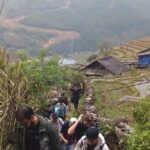
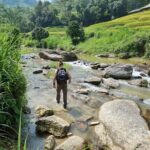
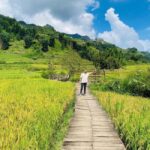
Giang Ta Chai and Su Pan round out the day with more village walking and countryside scenery. One practical note from prior experiences: you should be ready to walk quite a bit. Some people report around 10 km of walking on a day, with sections that can turn muddy depending on conditions.
Homestay in Ta Van Village: what it is, and what it isn’t
The trip includes 1 night at a homestay in Ta Van Village. That’s the heart of why this experience feels different from a straight-day tour. You’re not just passing through; you’re staying with a family-style setup for one evening and morning.
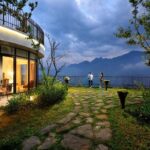
At the same time, the tour is clear about the trade-off: homestay facilities are not like hotel comfort. Expect simpler conditions than what you’d get in central Sapa. Hot water, room size, and bed comfort can be more basic. If you need a very polished, hotel-style setup, you’ll want to think twice.
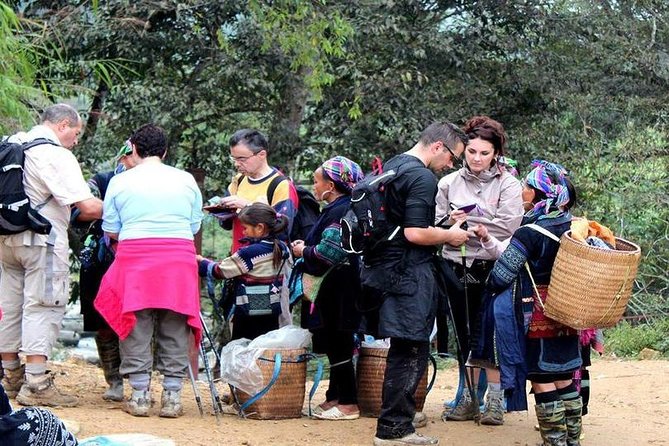
What you gain is real contact with daily rhythms. In past trips with similar group experiences, guides have shared that hosts and local women can help along the tougher parts of the terrain, especially when it’s slick or uneven. That kind of practical support is part of the value here.
Small group rhythm: less waiting, more help on muddy paths
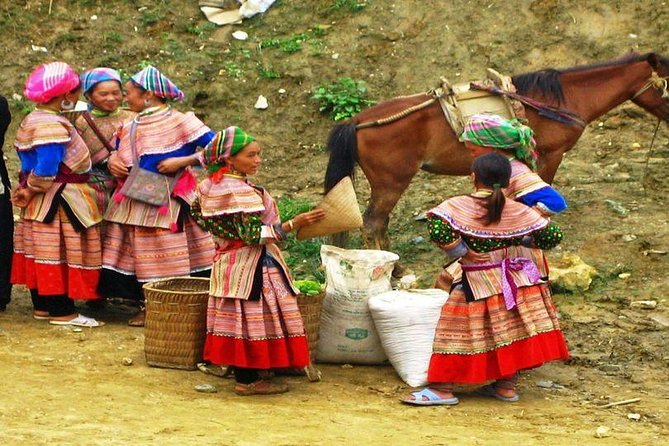
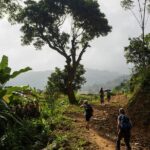
This is limited to a maximum of 9 travelers, and that changes the whole vibe. When a group is small, you’re less likely to get stuck behind people who move slower, and you’ll have more chance to ask questions during the walk.
This also helps with one of the main realities of Sapa trekking: the trail can be uneven and sometimes wet. Even if you’re physically fine, the footing can slow you down. With a small group and a local guide, the pace tends to feel steadier, and you can get quick help when something feels off.
Your guide and the pace: English support you can use
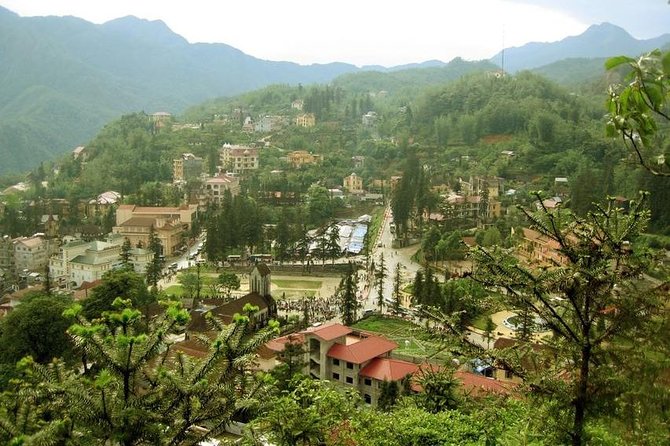
You’ll travel with a local English-speaking tour guide, and the quality of that support shows up in day-to-day moments: explaining what you’re seeing, helping with timing, and keeping the group moving safely.
Guides like Zua and Khu have been known for clear communication and a friendly approach to showing northern Vietnam village culture during the walk. You might also find that the agency staff helps with small logistics so you don’t have to solve problems alone—like assistance on getting to the train station and simple extras such as snacks before the journey. (This kind of help has come up under names like Lucy and Jenny in past experiences.)



Transportation and handoff: pickup, then a practical end point in Hanoi
You’ll get pickup offered in Hanoi for the start of the trip. That’s helpful if you’re staying in the Old Quarter and don’t want to wrestle with figuring out meeting logistics.
At the end, you do not get hotel drop-off included. Instead, the tour returns to an Old Quarter-area meeting point near 160 Tran Quang Khai Street. From there, you can walk back to your place or take a taxi. This is worth planning around. If your hotel is far, add a little time and budget for the final taxi ride.
Also, you’ll receive a mobile ticket, which is usually faster than paper ticket chaos.
Price and value: why $139 can make sense (or not)
The price is $139 per person for a 2-day / 2-night experience that includes several real cost items: round-trip luxury limousine car, homestay lodging, meals (2 breakfasts, 2 lunches, 1 dinner), sightseeing fees, taxes, and a local English-speaking guide.
What makes it feel like value is that it wraps up the hard parts: transport coordination, meal planning, and guiding across multiple village areas. You’re not just paying for a viewpoint bus stop. You’re paying for structured trekking with support.
Where value can drop is if you’re the type who wants total comfort or zero walking. The homestay isn’t hotel-grade, and the terrain can get muddy. If your ideal trip is warm, clean beds and short walks only, you might prefer a different style of Sapa outing.
Packing like a pro: cold, fog, and the stuff you’ll actually need
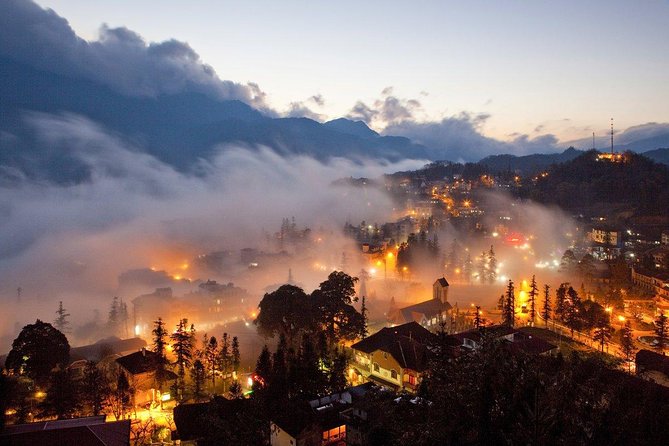
Sapa weather can swing fast. The tour specifically recommends warm clothes such as a scarf plus a hat or cap. It can be cold in many months, and the tour also notes that fog can appear in December, January, February, and March.
Bring trekking shoes because wet and muddy ground can make regular sneakers uncomfortable fast. Add sunglasses and sun cream for daytime brightness, plus insect repellent because bugs can be part of the experience in rural areas.
One small but important money tip: carry cash in Vietnam Dong. The tour notes that banking systems in Sapa sometimes don’t function well. US dollars, euros, and Australian dollars are accepted in Sapa, but still plan to have Dong on hand for day-to-day purchases.
Finally, bring basic medicine. There are chemist shops in Sapa, but having your own essentials keeps you from being stuck if you get a headache, upset stomach, or a cold.
Meals and timing: what you get, and how to avoid surprises
Meals are included: 2 breakfasts, 2 lunches, and 1 dinner. That’s a strong baseline. It reduces the chance you’ll spend trekking time searching for food or negotiating menus with tired legs.
Because the walk days can be longer than you expect, it’s smart to treat each included meal as part of your energy plan. If you’re sensitive to cold, eat a proper breakfast and don’t skip lunch just because you’re not hungry. In cool mountain air, appetite can be weird.
Drinks and personal expenses are not included, so you’ll want to budget for water and any other drinks.
Who this trek suits best
This is a great fit if you want a first-timer-friendly introduction to northern Vietnam culture and scenery without a massive group or a self-planned logistics headache.
It’s also a good match if you’re okay with moderate walking and want the trail to feel like part of the experience, not a chore you rush through.
If you strongly dislike cold weather, don’t handle basic lodging well, or want very short walks, you may feel the friction here. The homestay is meant to be a real cultural experience, and the terrain can be messy.
Should you book this Hanoi–Sapa trek with Ta Van homestay?
I’d book it if you want guided village walking, a small group, and an overnight stay that adds something human beyond a quick sightseeing circuit. The pricing makes sense for what’s bundled, and the maximum 9-person group is a big quality signal for safety and comfort.
I’d hesitate if you hate cold, need hotel-level lodging, or plan to spend most of your time trying to avoid walking. If you do book, pack for real mountain weather, bring cash in Vietnam Dong, and plan for an end point that’s near 160 Tran Quang Khai Street rather than directly at your hotel.
If you’re ready for a slightly rugged, genuinely local Sapa experience, this style of trip is hard to beat.
FAQ
Where does the tour start in Hanoi?
The start point is Hoàn Kiếm, Hanoi, Vietnam.
Where do you end after the tour?
The activity ends back at the meeting point. The tour also notes that drop-off at your hotel is not included.
What’s the end drop-off location in Hanoi?
They drop you off at the last stop at 160 Tran Quang Khai Street in the Old Quarter. From there, you can take a taxi or walk back.
Is pickup included?
Pickup is offered.
How many people are in the group?
The tour has a maximum of 9 travelers.
Does the tour include a homestay?
Yes. It includes 1 night at a homestay in Ta Van Village.
What meals are included?
The tour includes 2 breakfasts, 2 lunches, and 1 dinner.
What sightseeing stops are included in Sapa?
The trek includes Cat Cat, Lao Chai, Ta Van, Giang Ta Chai, and Su Pan.
What should I pack for the weather?
Bring warm clothes like a scarf, hat, and cap. The tour also recommends trekking shoes, sunglasses, sun cream, and insect repellent.
Do I need cash, and what currency is accepted?
Bring cash in Vietnam Dong because banking in Sapa sometimes doesn’t work well. US dollars, euros, and Australian dollars are accepted in Sapa.
What is the cancellation policy?
You can cancel for a full refund up to 24 hours before the experience starts. If you cancel less than 24 hours before, the amount paid is not refunded.