REVIEW · KATHMANDU
14 Day – Everest Base Camp Trek
Book on Viator →Operated by Overland Trek Nepal · Bookable on Viator
Everest feels reachable on this 14-day trek. You fly into Lukla fast, then work your way up through Namche Bazaar and Dingboche with built-in acclimatization before heading toward Everest Base Camp. The route mixes big mountain drama with real village life—prayer flags, monastery stops, and the kind of slow mountain time that makes you feel small in the best way.
I love how much is handled for you: private airport transfers in Kathmandu, park permits, tea house lodging during the trek, and an English-speaking guide plus porter support. I also like that the trek culminates with Kala Pattar early-morning views, the moment you finally understand why people do this trek even when their knees complain.
One thing to consider: this is altitude trekking. You’ll be moving between elevations like Lukla (2,840m), Namche (3,440m), Dingboche (4,410m), and Gorakshep (5,180m) with a long day on cold nights, so you’ll want solid stamina and patience for slow walking.
In This Review
- Key moments that make this EBC trek work
- Everest Base Camp: what you’re really signing up for
- Kathmandu handoff: settling in before thin-air trekking
- Lukla flight and the first trekking day into Phakding
- Phakding to Namche Bazaar: when views turn into motivation
- Namche to Tengboche: monasteries, 3,868m, and a slower pace
- Tengboche to Dingboche: 4,410m and the acclimatization reset
- Dingboche to Lobuche: the high-country feel arrives
- Lobuche to Gorakshep and Everest Base Camp: the payoff is earned
- Kala Pattar sunrise: the view that fixes your altitude math
- Pheriche to Namche and back to Lukla: finishing strong
- Flight home to Kathmandu and a final day of breathing room
- Price and logistics: does $2,000 feel fair for EBC?
- Guide, porters, and “someone is watching out for you” energy
- Tea houses, food, and the reality of cold nights
- Health and fitness: what moderate means on EBC
- Weather and flight uncertainty: plan for surprises
- Who should book this Everest Base Camp trek?
- Should you book this trek?
- FAQ
- Where is the start point for the trek?
- How long is the Everest Base Camp trek?
- Are airport transfers included?
- How do you travel between Kathmandu and Lukla?
- Is the guide English speaking?
- Is the trek using tea houses?
- What permits are included?
- What about meals and lodging during the trek?
- What costs are not included in the $2,000 price?
- Is free cancellation offered?
Key moments that make this EBC trek work
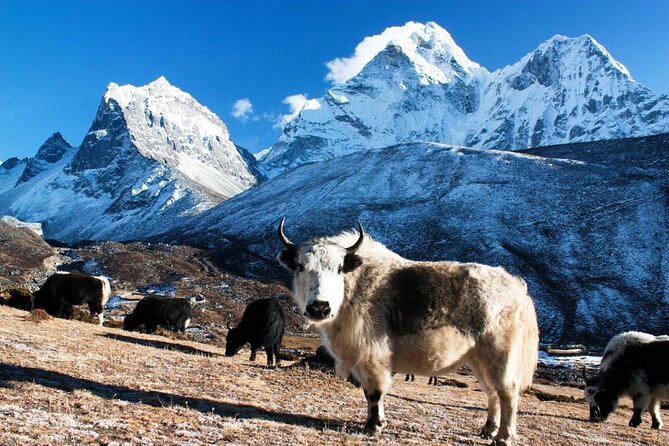
- Lukla flight timing: a short 40-minute hop that drops you onto the trail at 2,840m.
- Acclimatization built in: full rest/exploration days in Namche and Dingboche.
- Tea house comfort (with trade-offs): you get lodging and meals, but expect basic rooms and cold evenings.
- Kala Pattar sunrise plan: an early push to 5,550m for the payoff view.
- Crew support ratio: porter service is listed as 1 porter between 2 people (basic).
- Real contingency help: one past group shared that when a Lukla flight was canceled, the team arranged helicopter support.
Everest Base Camp: what you’re really signing up for
This trek is famous for a reason. Everest Base Camp is the headline, but the real story is the climb you do without a “summit day” in the climbing sense. You hike high, sleep higher than your body would prefer, and then learn how to make altitude your teammate instead of your enemy.
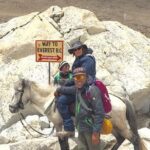
At the same time, you don’t disappear into wilderness with zero human contact. You pass through towns where locals run tea houses and trails are busy enough that you’ll see footprints, horses, and prayer flags all doing their part. The experience feels like a mix of pilgrimage and logistics: you follow a schedule, then you get rewarded with mountain silence.
You can also read our reviews of more tours and experiences in Kathmandu.
Kathmandu handoff: settling in before thin-air trekking
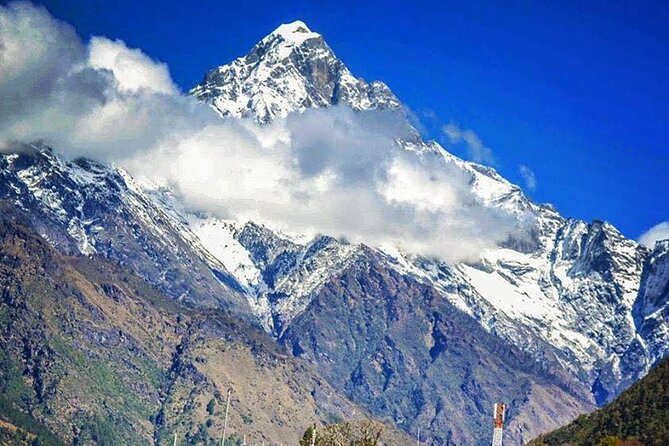
Your trip starts in Kathmandu with a pickup and transfer to a hotel for preparation and an overnight stay. This matters more than people think. EBC is not a “show up and wing it” route; you’re going to want time to get organized, rest up, and handle any small problems before you’re far from phone signal and pharmacies.
The itinerary also includes two nights in Kathmandu. That gives you breathing room for shopping for basics you forgot (warm layers, gloves, batteries), and for getting used to Kathmandu’s traffic and altitude at a lower intensity. Plus, the tour includes airport transfer and local taxes, so you’re not juggling paperwork on day one.
Lukla flight and the first trekking day into Phakding
Day two is your quick jump from Kathmandu into the Khumbu region by flight to Lukla (2,840m). The flight time listed is about 40 minutes, and it’s the classic move that makes this trek different from longer, slower approaches.
Once you land, you start trekking toward Phakding (2,610m). Notice the detail: you don’t climb right away. That’s a smart early approach. Your legs get moving, you start learning how to hike at pace, and you ease into the region before you begin the bigger altitude gains later.
Phakding to Namche Bazaar: when views turn into motivation
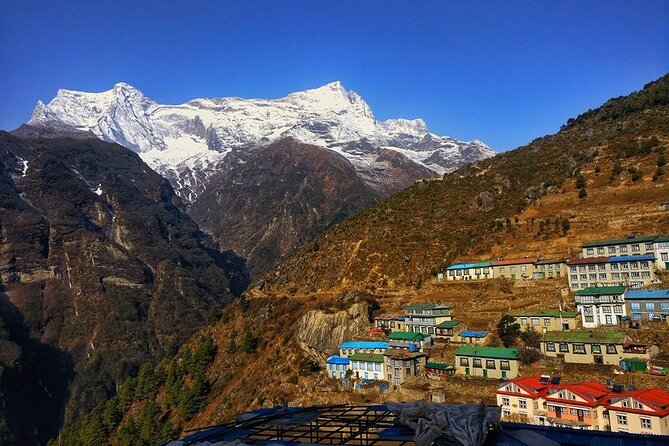
Day three takes you from Phakding up to Namche Bazaar (3,440m). This is where the trip starts to feel real. Namche isn’t just a waypoint; it’s a hub with shops, tea houses, and thick mountain energy. You’ll also notice that walking slows down. That’s normal. Altitude makes your body negotiate every step.
Then comes day four, an acclimatization day in Namche. You get rest plus time to explore and enjoy the surrounding views. This is where the trek becomes kinder to your lungs. You’re not just ticking boxes—you’re giving your body a chance to adapt before the trail climbs toward higher camps.
Namche to Tengboche: monasteries, 3,868m, and a slower pace
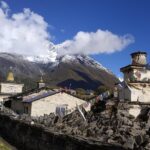
Day five climbs to Tengboche (3,868m). Tengboche is known for its monastery atmosphere, and even if your day is mostly trekking, you’ll feel the difference when the spiritual sites and community rhythm show up along the route.
For you, the practical benefit is pacing. By day five your body has already had a few days of higher elevation hiking, but you’re still far from the hardest days. This section helps you lock in your rhythm: steady steps, fewer sprints, and more time spent breathing on purpose.
Tengboche to Dingboche: 4,410m and the acclimatization reset
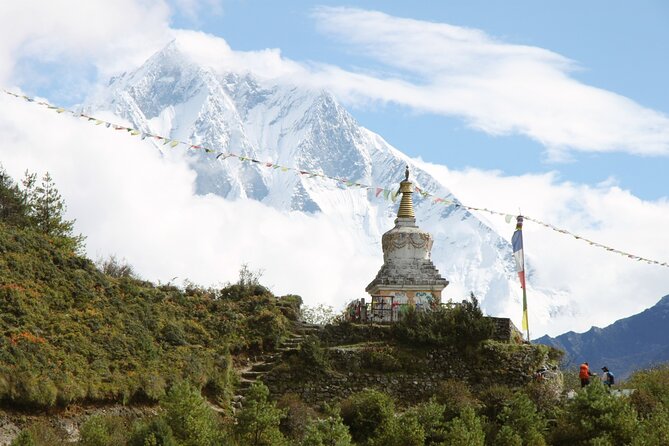
Day six brings you to Dingboche (4,410m). This is a big elevation change, and it’s not the kind of day you can force. The key is staying calm and consistent.
Day seven is another acclimatization day in Dingboche. The trek gives you an extra day to rest and adjust here, which helps a lot as you prepare for higher altitudes like Lobuche (4,910m) and the Gorakshep area (5,180m). This is also a good day for checking your gear and hydration. Cold air dries you out, and if you’re under-fueled, it’s harder to bounce back.
Dingboche to Lobuche: the high-country feel arrives
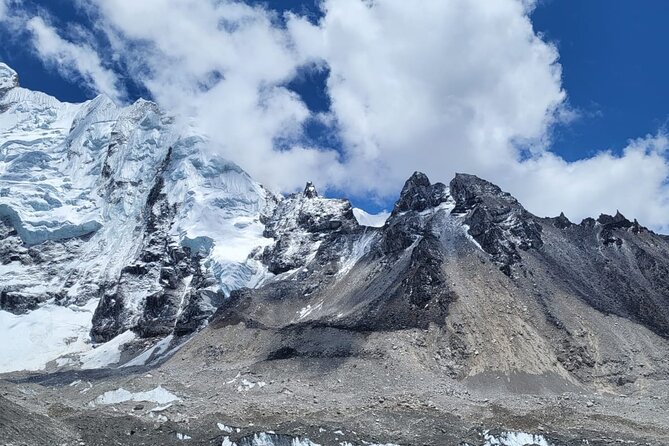
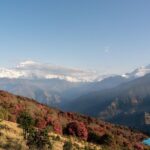
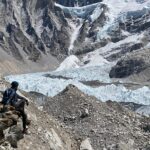
Day eight treks from Dingboche to Lobuche (4,910m). This is where the trail starts to feel more alpine. You’ll likely see fewer trees and more stark terrain. Even if your eyes keep grabbing the mountains, your body’s focus becomes simpler: walk, drink, eat, rest.
This day sets you up for the next phase—Gorakshep and Everest Base Camp. From here forward, you’re hiking in the zone where weather can turn quickly and where every layer you wear becomes a big deal.
Lobuche to Gorakshep and Everest Base Camp: the payoff is earned
Day nine is the big move: you trek from Lobuche to Gorakshep (5,180m) and continue on to Everest Base Camp (listed at 5,364m), then overnight in Gorakshep.
Two things are worth noticing here. First, you’re climbing and then doing the Base Camp visit without a long rest. Second, the night at Gorakshep can feel extra cold at this altitude. Your reward is that Everest Base Camp sits right in your line of sight in a way that makes the whole trek click.
Gorakshep is also where you learn the real meaning of “mountain weather.” You may have sun, wind, and cold in the same morning. Bring layers and use them.
Kala Pattar sunrise: the view that fixes your altitude math
Day ten starts with an early hike to Kala Pattar (5,550m) for sunrise. Then you return to Gorakshep, eat breakfast, and trek down to Pheriche (4,240m).
This day is why people plan this trek even when they worry about time, energy, and cold. Kala Pattar is high enough that you usually get a sweeping mountain panorama. It also forces you to practice the art of slow climbing with discipline: small steps, steady breathing, no sudden bursts.
Then the trek down to Pheriche is your recovery medicine. Dropping from the 5,000m+ zone back toward 4,240m helps your body reset for the next two hiking days.
Pheriche to Namche and back to Lukla: finishing strong
Day eleven takes you from Pheriche down to Namche Bazaar (3,440m). It’s still trekking, but the lower elevation tends to feel easier on your breathing. This is also the day where you’ll notice you’re not just surviving the mountain anymore—you’re processing it.
Day twelve continues down to Lukla (2,840m). By now, you know your walking pace and your routine. You’ll likely feel a mix of relief and sadness. The trail is the same, but your relationship with it changes after you reach Base Camp.
Flight home to Kathmandu and a final day of breathing room
Day thirteen includes a morning flight back to Kathmandu from Lukla (the itinerary lists Lukla to Kathmandu at 1,336m). This is the moment where your brain finally catches up with what your body did for two weeks.
Day fourteen is departure. The tour includes a drop to Tribhuvan International Airport if you have a scheduled flight, and it also leaves room for extra time in Kathmandu for chill time, shopping, and sightseeing if you extend your stay.
Price and logistics: does $2,000 feel fair for EBC?
At $2,000 per person, you’re paying for more than the hiking. This price is backed by a package that includes key costs most independent trekkers end up paying on their own: domestic flights round-trip (Kathmandu–Lukla–Kathmandu), tea house accommodation during the trek, park entry permits, TIMS card, and guided support with insurance.
It also includes a lot of “small but important” items that reduce stress: airport transfers, a medical kit for staff, a porter service (listed as 1 porter between 2 people basic), and Kathmandu lodging for two nights.
What’s not included is equally important:
- Nepal entry visa fee and international air fare
- Tips for guide and porter (tipping is expected)
- Personal equipment and personal expenses like charging batteries, hot shower water, cold drinks, and alcohol
My take: if you’re booking this level of trek without wanting to handle flights, permits, and daily logistics yourself, $2,000 starts to look reasonable. If you’re the kind of traveler who enjoys DIY planning, you might find cheaper paths. But you’ll still face the same altitude and weather uncertainty that this trek deals with on the ground.
Guide, porters, and “someone is watching out for you” energy
You’re getting an English-speaking guide and porter service, plus insurance coverage for the staff. That matters because EBC isn’t just a hiking route—it’s a system. When conditions change, you need someone who knows what to do next.
The reviews you provided highlight this support vibe again and again. People called out professionalism and care from guides, and a strong management style from the company contact. Names that came up in past groups include Nick (organizer/point of contact) and guides such as Tenjing, Lopsang, and Pramish. You won’t know who you’ll get until your specific booking, but the pattern is consistent: the team focuses on keeping the trek organized and people safe.
The porter setup is also practical. With the listing of 1 porter between 2 people (basic), you can plan to carry less than you might assume for a high-altitude trek. That can be the difference between finishing tired and finishing miserable.
Tea houses, food, and the reality of cold nights
This trek uses tea house accommodation, and meals are included (breakfast and dinner counts are listed, plus lunch). In practice, tea houses are basic but workable. You’ll have a warm-ish room depending on the season, communal areas with stoves, and meals designed for hikers who need calories more than fine dining.
Pack for cold. Even on clear days, wind and altitude cool you fast. Your best strategy is layering: wear your warmth where you need it, then manage it while hiking so you don’t arrive soaked and chilled.
Also, the included small snacks listed—like Snickers, Oreo cookie, and peanut—are the kind of energy boost that feels silly until you’re halfway through a tough section and you realize you’d rather have sugar than philosophy.
Health and fitness: what moderate means on EBC
The tour states you should have moderate physical fitness. That’s fair, but “moderate” needs translation. You don’t need to be an elite athlete, yet you do need to be comfortable hiking multiple days with altitude. You also need a mindset that accepts slow walking and frequent pauses.
Altitude adds two challenges you can’t out-stubborn:
1) Shortness of breath even on easy terrain
2) Slower recovery after long climbs
That’s why the itinerary includes acclimatization days in Namche and Dingboche. If you treat those days like optional rest instead of part of the plan, your body may not play along.
Weather and flight uncertainty: plan for surprises
A trek like this depends on conditions. The tour’s policy notes that the experience requires good weather. That’s not just legal language; it’s because flights and safe hiking can shift with storms or visibility.
One past group shared that when a Lukla flight was canceled, the team handled alternate arrangements, including helicopter support. You should still expect some uncertainty with mountain air schedules. The best defense is flexibility and calm communication with your guide.
Who should book this Everest Base Camp trek?
Book it if you want:
- A guided route with permits and key logistics handled
- Acclimatization days that reduce your chances of rushing altitude
- An itinerary designed around tea houses and steady progression up to Everest Base Camp
You might want to skip or choose a different version if you:
- Hate early mornings (Kala Pattar sunrise starts early)
- Struggle with cold and basic lodging
- Don’t want to deal with altitude pacing and slower walking
This is also a good fit for private groups since the tour is described as private, with only your group participating.
Should you book this trek?
If your dream is Everest Base Camp and you want the trip run with structure—flights, permits, meals, lodging, and support—this package looks like a solid value. The standout strengths are the guided organization, the acclimatization planning, and the practical porter support that can keep you moving through the hard days.
If you’re on the fence, do this: be honest about your altitude tolerance, plan for cold nights, and treat acclimatization days as part of the trek’s engine, not extra time. If you do that, you’ll likely come away with the memory that makes all the paperwork and training feel worth it.
FAQ
Where is the start point for the trek?
The start is listed at Alpine Hotel & Apartment, Chaksibari Marg, Kathmandu. Start time is 6:15 am.
How long is the Everest Base Camp trek?
The duration is listed as 14 days approximately, with an extra day in Kathmandu included for departure or extra time.
Are airport transfers included?
Yes. Airport pick up and drop in Kathmandu are included, plus airport transfers and local taxes are included.
How do you travel between Kathmandu and Lukla?
Domestic flights are included round trip between Kathmandu and Lukla, with a flight time listed as about 40 minutes from Kathmandu to Lukla.
Is the guide English speaking?
Yes. The included details say an English speaking guide.
Is the trek using tea houses?
Yes. Tea house accommodation is included during the trek.
What permits are included?
The included list states Everest National park entry permits and a TIMS Card.
What about meals and lodging during the trek?
Lodging is included via tea houses, and the tour includes breakfasts, lunches, and dinners (counts are listed in the included section).
What costs are not included in the $2,000 price?
Not included are Nepal entry visa fee and international air fare, personal equipment, tips for guide and porter, and personal expenses like hot shower water, battery charging, cold drinks, and similar items.
Is free cancellation offered?
Yes, free cancellation is offered up to 24 hours in advance for a full refund. The experience also requires good weather, and if canceled due to poor weather you’ll be offered a different date or a full refund.