REVIEW · KATHMANDU
Everest Base Camp Yoga Trek – 15 Days
Book on Viator →Operated by Trekking Planner Nepal · Bookable on Viator
Yoga on the Everest trail changes your pace. This trek pairs serious mountain effort with morning yoga led by a dedicated instructor who travels with you, turning the day’s breathing and balance practice into a real rhythm for high altitude. Before you ever see Khumbu, you also get grounded in Kathmandu’s major spiritual stops—Swayambhunath (Monkey Temple), Boudhanath Stupa, and Durbar Square—so the whole trip starts with meaning, not just a checklist.
Two things I really like: the small group size (up to 8), which keeps logistics calm on a route that can otherwise feel crowded, and the way the program builds in altitude awareness with rest and short hikes instead of pushing you uphill every day. One drawback to consider is that you’re dealing with real mountain conditions: cold, altitude, and a Lukla flight that can be affected by weather, so you’ll want mental flexibility if timing shifts.
In This Review
- Key highlights you’ll feel on this trek
- Yoga every morning: not a gimmick, a tool for altitude
- Kathmandu starts the story: Durbar Square, Swayambhu, and Boudhanath
- Lukla flight and the early trail rhythm to Phakding
- Following the Dudh Koshi to Namche: bridges, forests, and first peak glimpses
- Namche acclimatization: the smartest day on the whole trip
- Climbing higher toward Tengboche and Dingboche: views with a cost
- Short hikes at Dingboche: a controlled way to gain altitude
- Lobuche to Gorakshep: the serious Everest approach
- Kala Patthar sunrise: the view you’ll remember for years
- Returning to Namche: downhill is work, too
- Exiting the park and looping back to Namche, then Kathmandu
- Price and logistics: what $1,699 buys you (and what it doesn’t)
- Who this Everest Base Camp yoga trek fits best
- Should you book this trek?
- FAQ
- How long is the Everest Base Camp Yoga Trek?
- What does the trek cost?
- What meals are included?
- Do I get airport support in Kathmandu?
- Does yoga happen every day on the trek?
- Do you fly to Lukla and back?
- Is there time to acclimatize?
- What group size and age requirements are there?
- Is cancellation free?
Key highlights you’ll feel on this trek
- Yoga every morning with an instructor traveling alongside you for the full journey
- Kathmandu UNESCO touring first, so you understand the culture before the altitude
- Acclimatization days in Namche and Dingboche that help your body catch up
- Kala Patthar sunrise for big views of Everest and the surrounding peaks
- Tea house style nights in villages along the Khumbu route
- Tight group control (max 8) that makes the trek feel less chaotic
Yoga every morning: not a gimmick, a tool for altitude
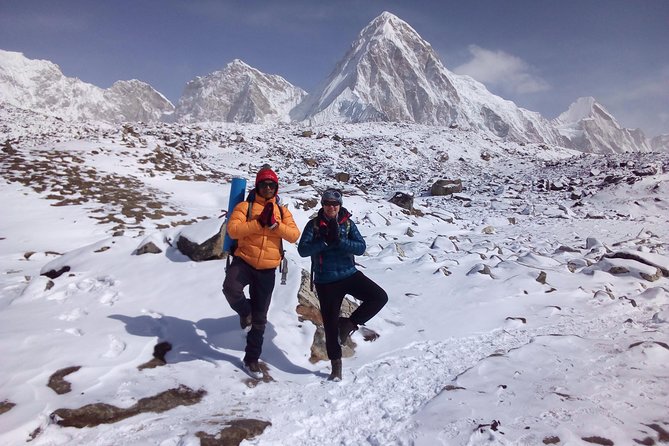
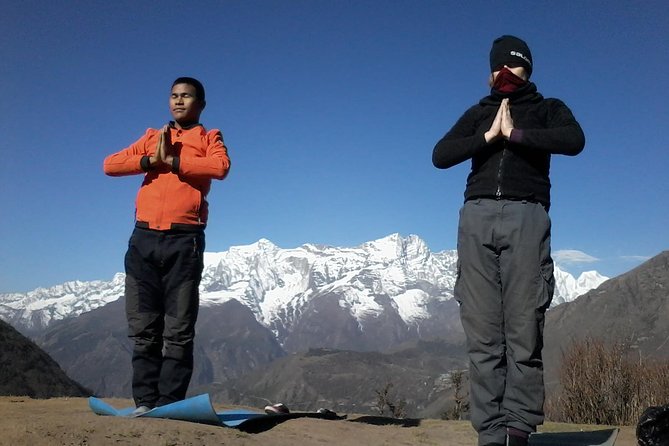
The coolest part of this trek is also the most practical: each day starts with yoga. You’ll practice under the guidance of an instructor who stays with you throughout the trek, so you’re not guessing at timing or trying to fit yoga into a chaotic schedule. The goal isn’t fancy poses. It’s centering—breath, body awareness, and staying present—exactly what you need when your legs are tired and your breathing feels different at altitude.
If you’re worried that yoga will slow you down, think again. A good mountain yoga routine should make the rest of your day smoother: gentler warm-up, better posture on steep climbs, and a calmer reset when you reach camp. The daily spiritual framing also helps when days feel long or the sky goes cloudy and you can’t see what you want to see.
You can also read our reviews of more tours and experiences in Kathmandu.
Kathmandu starts the story: Durbar Square, Swayambhu, and Boudhanath
You begin in Kathmandu with airport handling and a hotel night, then you jump into sightseeing before any trekking boots hit the trail. Day 2 is built around major religious sites: Swayambhunath for its mix of Hindu and Buddhist symbolism and its famous city views, plus Boudhanath Stupa, where Tibetan Buddhist life is visible in everyday circling and mantra rhythms.
You also visit Durbar Square, which matters because Everest Base Camp isn’t just a physical destination—it’s a region tied to living faith and long-standing mountaineering culture. In practical terms, Kathmandu days help you get your bearings: where to store gear, how transportation works, and what to expect from local schedules.
One thing to plan for: Kathmandu walking can be busy and uneven. Wear shoes you trust, and don’t save your best footwear for the trek. You’ll thank yourself later.
Lukla flight and the early trail rhythm to Phakding
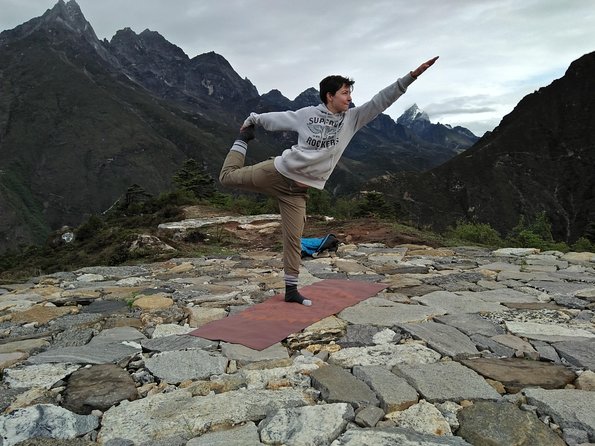
Once your gear is organized, you leave early toward Lukla, the gateway to Everest. The flight is described as a scenic one on a twin otter, and you’ll land at Lukla’s airport area (Tenzing–Hillary Airport). After you meet your trekking group, you begin with an easy introductory walk to Phakding.
This first trekking segment is where your body learns the daily pattern: steady walking, short breaks, and getting used to the altitude step-by-step. It’s also the point where you learn how your pace works with a group. On a trek like this, the “right pace” is less about speed and more about avoiding the early burn that makes the later climbs miserable.
Following the Dudh Koshi to Namche: bridges, forests, and first peak glimpses
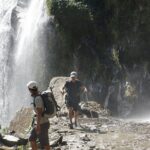
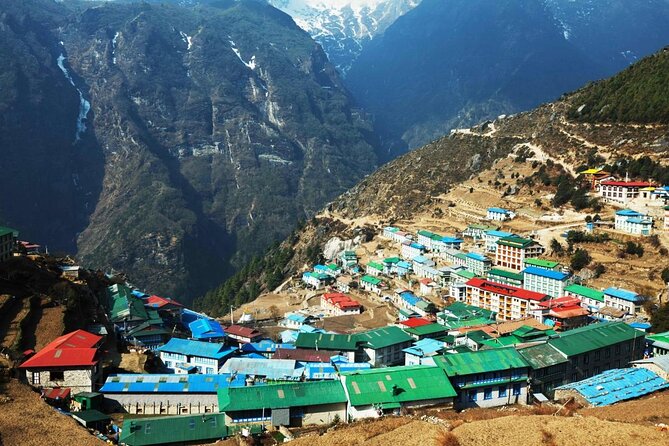
The route to Namche Bazaar follows the Dudh Koshi River, which means lots of water scenery and a trail that keeps moving. You’ll cross suspension bridges and pass waterfalls, gompas, and forested stretches—so even when the climbs feel steady, the walk isn’t monotonous.
You’ll also get early glimpses of big names from the region. The trail notes views of Kongde Ri Peak, plus stops that connect you to Sagarmatha National Park entry points (Monjo is mentioned as the gateway). At Benkar, you can pause for views of Thamserku and Khumbila Peak, which is a nice way to start recognizing the skyline as you gain altitude.
The main consideration here: watch how you feel on river trails and bridge crossings. With tired calves, uneven ground and sudden gusty bridge sections can make you move stiff. Save energy for the climb days ahead.
Namche acclimatization: the smartest day on the whole trip
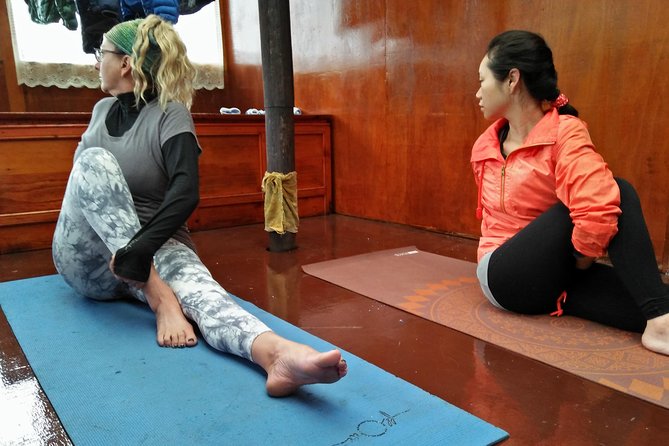
Day 5 is a true rest-and-adjust day in Namche Bazaar, and it’s not filler. Namche is one of the places where your body can start adapting, and the program builds in time to do it right: shopping for supplies, eating well locally, and then an early day hike when the weather allows.
You’ll also visit the Sherpa cultural museum, which gives context for the mountaineering region—flora and fauna, geography, and local traditions. That’s not academic fluff. Understanding how people live and work around these mountains makes the trek feel less like a remote hike and more like a cultural exchange.
A practical tip: use Namche to fix small issues. Things like layering problems, blister spots, or hydration habits show up fast at altitude. If you handle them early, your later days get easier.
Climbing higher toward Tengboche and Dingboche: views with a cost
After Namche, the trek climbs again toward higher settlements through dense forest and vegetation, with stops including Kenjoma and Sanasa. The route passes junctions that connect to the Everest base camp/Gokyo direction, then continues down toward the Dudh Koshi riverbed before moving up again via Phunke Tenga toward Teng.
On the way, you’ll see water-powered prayer wheels and pass through hamlets marked by the region’s spiritual details. Day 7 includes dramatic timing: leaving Tengboche after sunrise/sunset experiences and heading toward Dingboche via places like Deboche and Panchboche. The notes also point to a chance to spot wildlife—musk deer, monal, and blue sheep—which can make the climb feel like a real journey instead of a grind.
The cost of higher altitude is simple: fatigue comes sooner. Your breathing might feel heavier and your sleep can be broken in colder air. This trek’s pacing helps, but you still need to listen to your body and keep your effort steady.
Short hikes at Dingboche: a controlled way to gain altitude
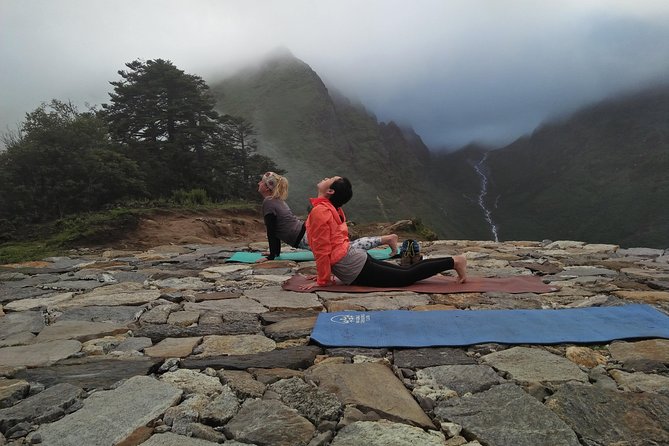
Day 8 is another acclimatization day in Dingboche with options like a hike to Nangkartshang Gompa for views and cultural sights (including Thangka-style artwork details and references to local mountain folklore). The program also offers smaller hike choices, like short climbs behind Dingboche for a wider peak view.
This is where the yoga rhythm matters again. A morning practice can help you focus on slow breathing while your legs do the work. If you treat the day hike as a “test,” it can make you anxious. Instead, use it as training: you’re learning how your body handles altitude without forcing speed.
Lobuche to Gorakshep: the serious Everest approach
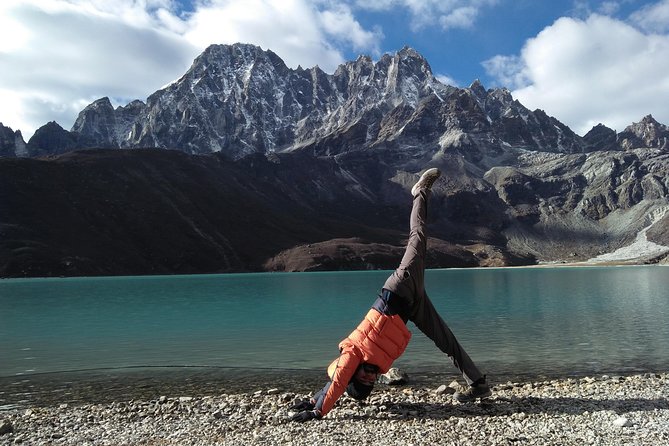
From Dingboche, the trek continues with gradual ascent, passing grazing areas and moving through features like chortens, mani walls, and stupas. The day includes views of major peaks such as Taboche and Ama Dablam, plus glacial valley scenery that makes the scale of the Khumbu region feel real.
The route moves toward Dughla, described as the last settlement before pushing further toward the base camp area. You’ll also reach Chukpo Lari, where monuments are built in remembrance of mountaineering history. This kind of stop isn’t just respectful. It also reminds you that this is a route where risk exists and preparation matters.
Day 10 is the day you’ve been training for: reaching the Everest Base Camp area. The plan includes an early start from Lobuche and a route through lateral moraines of the Khumbu Glacier, past the Italian research center, and onward to Gorakshep for lunch and overnight stay. If you’re the type who likes to understand what you’re walking on, moraines and glacier features are a big part of why this section feels so different.
Kala Patthar sunrise: the view you’ll remember for years
Day 11 focuses on Kala Patthar, and it’s built around sunrise. You’ll start before daybreak, get yourself ready in layers, and hike from Gorakshep toward the small hill that gives you some of the most direct drama of the Everest wall.
This is one of those mornings where the reward is visible immediately: views of Everest (especially the southeast face), plus Pumori, Lhotse, Nuptse, and Changtse, and a close look at the Khumbu Glacier. The guidance notes also emphasize that this is ideal for photography, which makes sense—light changes fast and you want to be positioned when it does.
Reality check: sunrise hikes in cold air are no joke. A calm morning yoga routine doesn’t replace gloves and warm layers; it supports them. If you’ve only packed for “comfortable outdoors,” you’ll want to upgrade your cold gear. One past trekker specifically flagged January cold as manageable with proper equipment, so don’t gamble.
Returning to Namche: downhill is work, too
After the Everest region, you’ll leave the base camp vicinity and trek back toward Namche Bazaar through mostly downhill travel. The plan mentions Periche and then a descent following the Dudh Koshi River, where the trail can still feel tough even when it isn’t climbing.
Day 12 includes the busy hub energy returning: more people, porters, locals, and animals like yaks used for transporting goods. Your job is to stay alert and give room. Downhill days can be where ankles get cranky, so take your time on steep sections and don’t rush just because you feel like you’ve “made it.”
You’ll pass forests, waterfalls, and suspension bridges decorated with prayer flags, plus rural settlements and gompas. It’s a good day for appreciating the route in both directions. The land looks different from below.
Exiting the park and looping back to Namche, then Kathmandu
On Day 13, you exit Sagarmatha National Park at Monjo after descending from the Namche area and moving along the confluence region of Dudh Koshi and Bhote Koshi, including crossing a high suspension bridge. Then you travel back toward Namche again, passing places like Benkar and returning through popular villages such as Phakdng and Ghat.
Day 14 brings you back to Kathmandu by flight from Lukla, with the plan noting about 35 minutes in the air. Weather can cause disturbances, so the timing of the day’s flight matters. Once you land, you’ll be transferred to your Kathmandu hotel, and you get time to stroll around Thamel in the evening.
Day 15 is the finish: an airport escort at least three hours before your scheduled departure, with extra time in Kathmandu if you want last-minute souvenirs.
Price and logistics: what $1,699 buys you (and what it doesn’t)
At $1,699 per person, this isn’t a budget trek. The value is in the structure: accommodations are included as per the itinerary, national park fees are covered, and daily meals are built into the schedule (breakfast for 15 days, lunch for 12, dinner for 12). You also get coffee and/or tea, plus a local guide and airport/departure tax handling.
The inclusion that feels especially relevant for this kind of trip is the guiding package. A trekking guide keeps the route safe and organized, and the yoga instructor adds a consistent daily element that’s hard to recreate on your own. Add in the small group size (max 8) and you’re paying for less chaos, more attention, and smoother pacing.
What you should budget separately is straightforward: alcoholic drinks and drinks are not included. Also, don’t forget you may need extra spending for personal items along the way, especially in Kathmandu where you’ll likely do some shopping before Lukla.
Who this Everest Base Camp yoga trek fits best
This trek fits best if you want Everest Base Camp without treating it like a raw challenge where you ignore your body. The daily yoga component is a great match if you like routines and want something steady to do each morning, even when the day gets hard.
It also makes sense for solo travelers who want support. Past experiences with this operator include help for solo women, and the Kathmandu team is described as responsive and reachable, even for early airport handling. If you have specific needs—like dietary preferences—raise them during planning so they can prepare.
You should think twice if you’re uncomfortable with cold mornings, long trekking days, or altitude risk. The route includes deliberate acclimatization stops, but you still climb high enough that mountain sickness is a real concern. Keep your effort conservative, and follow your guide’s advice on pace and rest.
Should you book this trek?
If you’re choosing between a standard Everest trek and one with a daily yoga practice built in, this is the cleaner choice. You’re paying extra for structure: a consistent morning routine, organized acclimatization days, and a small-group feel that matters on a route like Khumbu.
Book it if you want meaningful daily rhythm as much as big views. Book it if you like guided culture in Kathmandu and want the trip to start with context. Skip it if you’re only chasing the fastest summit-style approach or you dislike yoga-style routines in outdoor cold.
FAQ
How long is the Everest Base Camp Yoga Trek?
The trek is listed as 15 days (approx.).
What does the trek cost?
It costs $1,699.00 per person.
What meals are included?
Breakfast is included for 15 days. Lunch is included for 12 days, and dinner is included for 12 days. Coffee and/or tea are also included.
Do I get airport support in Kathmandu?
Yes. You’ll be received at Tribhuvan International Airport in Kathmandu and escorted to your hotel after customs.
Does yoga happen every day on the trek?
Yes. Each day begins with yoga practice led by an instructor who travels with you for the duration of the trek.
Do you fly to Lukla and back?
Yes. You fly early to Lukla after preparing your equipment, and later you fly from Lukla back to Kathmandu. The Lukla-to-Kathmandu flight is described as around 35 minutes.
Is there time to acclimatize?
Yes. There are rest and acclimatization days in Namche Bazaar and Dingboche, with additional short hikes to help adjust to altitude.
What group size and age requirements are there?
The group has a maximum of 8 travelers, and the minimum age is 18. The trek is suited for people with moderate physical fitness.
Is cancellation free?
Cancellation is free up to 24 hours in advance. If you cancel less than 24 hours before the experience starts, there’s no refund.