REVIEW · SAPA
Sapa 3 Days Trek with 2 Nights Homestay
Book on Viator →Operated by Asia Travel Legend · Bookable on Viator
Sapa feels a world away by day three. This trek is interesting because it mixes village walks with a real homestay stay, guided start to finish in Sapa’s mountain valleys. I like that it’s built as a private experience, not a shuffle through tourist stops.
I love the way you get to set your own pace and customize villages once you meet your guide. I also really like that most meals and the key fees are handled, so you spend less time worrying and more time looking at rice terraces and talking with people along the way.
One drawback: you’re on foot for multiple days and the trails can be steep, muddy, and long on tougher route options. And like most treks, drinks and private expenses are on you.
In This Review
- Key points before you go
- Why this 3-day Sapa trek stays practical
- Meeting your guide and setting your pace
- Day 1: Y Linh Ho to Ta Van Village, then homestay night
- Day 2: Ta Van to Giang Ta Chai, Su Pan, and Ban Ho
- Day 3: Ban Ho to Nam Toong and Thank Phu, then back to Sapa
- Homestays in Sapa: what you can realistically expect
- Food, fees, and what you’re actually paying for
- Fitness, weather, and footwear: the real test
- How the itinerary hits both scenery and real village life
- Who should book this trek, and who might not love it
- Should you book Sapa 3 Days Trek with 2 Nights Homestay?
- FAQ
- What does the trek include?
- How long is the Sapa trek?
- What time does the tour start, and where does it end?
- Is this a group tour or private?
- What is not included in the price?
- Is it refundable if I cancel?
Key points before you go
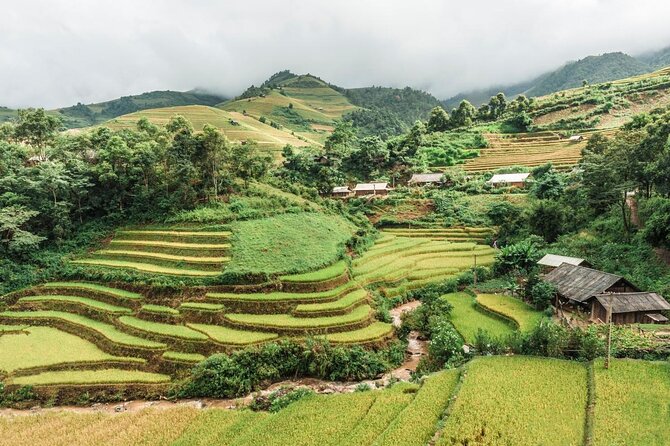
- Private tour with an English-speaking guide, tailored to your group
- Homestay for 2 nights plus most meals included across the 3 days
- Entrance fees included for the valley and key areas you visit
- Return transport to Sapa Town included after the trek
- Village variety across Ta Van, Giang Ta Chai, Su Pan, and Ban Ho
Why this 3-day Sapa trek stays practical
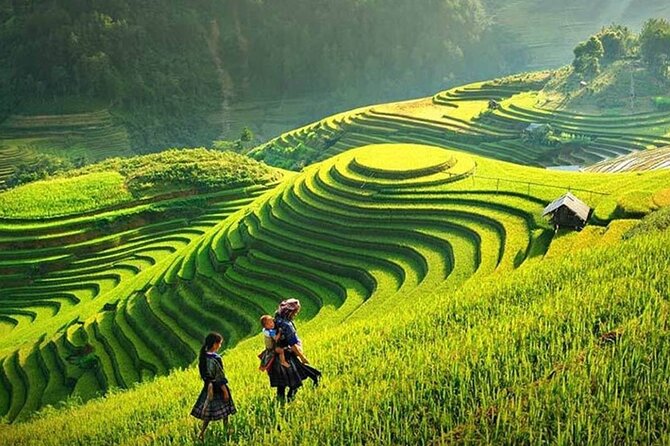
Sapa can be a little overwhelming at first. You look at the mountains, the rice terraces, the hillsides, and you think: how do I even fit this into a few days? This trek solves that by packaging the walking days, meals, and sleeping arrangements into a tight 3-day plan with a guide.
You also get a route that moves through several different villages, not just one quick photo stop. The big benefit is rhythm: you walk in the morning, settle in at a homestay at night, and keep moving through village life and valley views the next day. If you’ve ever done a “day tour” where you barely change scenery, this feels different because you’re actually traveling through the area.
Another practical win: the schedule starts at 9:00 am and ends back at your meeting point in Sapa. That matters in Sapa, where timing and transportation can get messy.
Meeting your guide and setting your pace
This is a private tour, so your guide can adjust the walking pace and the village mix after you meet. That flexibility is a big part of why people rate this so highly. One review named guides like Py Chi, Pen, Mao, Lang, Little Zo, and Khu, and that hints at the style: friendly, talkative, and focused on sharing daily life rather than just racing you to viewpoints.
You can also match the trek difficulty to your comfort level. In other words, you’re not locked into one level of effort. Some people choose easier routes; others add harder options for longer distances and bigger elevation. If you’re even slightly unsure about your fitness, this is exactly the kind of trek where your guide can help you choose a route that makes sense for you.
Day 1: Y Linh Ho to Ta Van Village, then homestay night
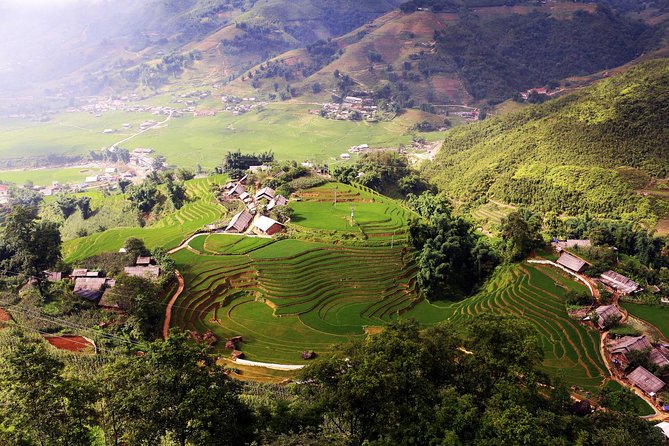
Day 1 begins at 9:00 am. The first walking segment goes to Y Linh Ho, with an entrance fee included and a block of time that’s long enough to feel like you’re traveling through the valleys, not just stretching your legs. Expect a mix of hills and steps as you move along paths that connect viewpoints and hamlets.
Then you head toward Ta Van Village, where you’ll stay at a homestay for the night. This is where the trek stops feeling like a sightseeing circuit and starts feeling personal. Homestays generally mean you’re sharing daily rhythms with a local family, and the included meals remove a lot of guesswork.
Practical tip: on the first day, start steady. You’ll think you’re fine early on, then you’ll hit the “oh, this is real walking” moment later. If you go too hard on day one, day two becomes a battle.
Day 2: Ta Van to Giang Ta Chai, Su Pan, and Ban Ho
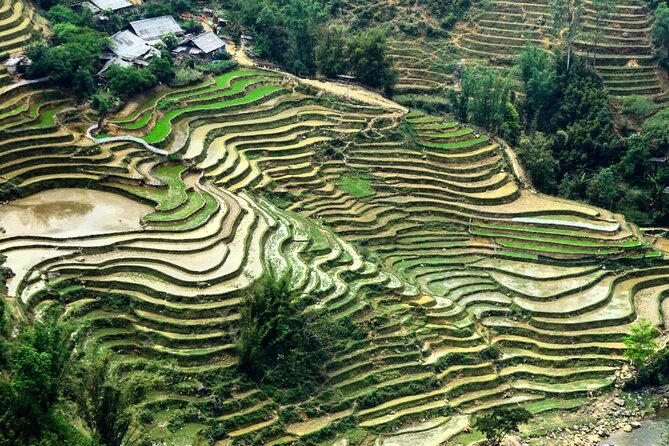
Day 2 is all about movement between villages. You start from Ta Van and trek through Giang Ta Chai, then Su Pan, and finish at Ban Ho, where you stay for the second homestay night.
What makes this day worth it is contrast. These villages aren’t carbon copies of each other. You’ll get different patterns of daily life, different village layouts, and different ways the communities interact with the terrain. One of the reasons this trek gets praised is that it doesn’t treat the countryside as a backdrop. You’re walking through places where people live and work, so the culture shows up naturally in conversation and everyday activity.
Food and timing help here too. You’re not trekking with an empty stomach. The package includes multiple meals across the three days (including breakfasts and dinners), which keeps the day from turning into a scavenger hunt for food.
If you’re prone to getting cold, plan for it. Even when it’s not freezing, higher valleys can feel cooler on the move. Bring layers you can add or remove without turning your trekking day into a clothing ceremony.
Day 3: Ban Ho to Nam Toong and Thank Phu, then back to Sapa
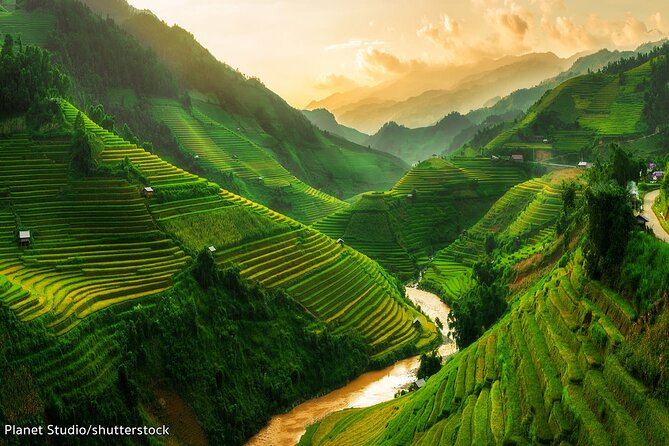
Day 3 starts at Ban Ho and includes stops through Nam Toong and Thank Phu. After that, you return to Sapa. This is the day that often feels like both victory and fatigue.
The win: you’ve already experienced the homestay nights and village rhythm, so the final walking hours feel like the payoff—another chance to see how the terrain shapes daily routines. The fatigue: it’s still uphill and downhill trekking, and you’ll feel it in your legs more than you expect.
This is also where choosing a realistic difficulty level pays off. Reviews include examples of people taking tougher options—one person mentioned being the only tourist most of the time on a quieter trail and another described very steep, mud-heavy sections. You don’t have to go that hard to have a great experience, and your guide can help you balance effort and enjoyment.
When you get back to Sapa, you’ll likely feel the difference between just visiting and actually passing through. That’s the key value of a trek like this: you earn the views.
Homestays in Sapa: what you can realistically expect
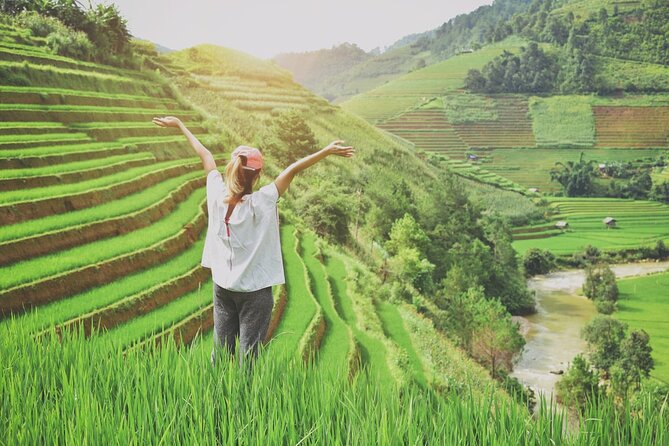
A homestay can mean different things depending on the family and the area. In this kind of trek, you’re looking at 2 nights in a local home with most of your meals included. Reviews mention experiences like getting a good welcome, delicious food, and staying in private rooms in some cases.
Here’s what you should plan for, without overpromising: it’s not a hotel. Expect basic comforts, family routines, and a more informal setup than you’d find in Sapa Town. That said, the main point is the relationship and the meals. When it works, it feels like you’re being hosted, not processed.
A small practical mindset shift helps: treat the homestay as part of the itinerary, not just a place to sleep. If you’re curious, you’ll get more out of it. If you’re uncomfortable with unfamiliar routines, it might feel like work.
Food, fees, and what you’re actually paying for
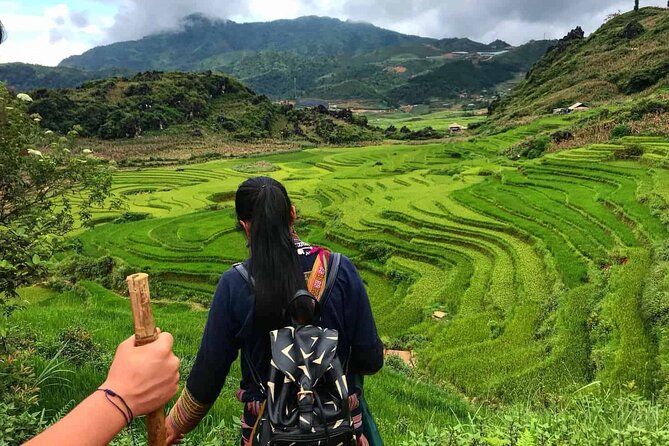
At $196.16 per person, it’s fair to ask if this is good value. Here’s the value picture based on what’s included:
- English-speaking guide
- Entrance fees for the areas you visit
- Homestay for 2 nights
- Food across 3 days (including 3 lunches, 2 dinners, and 2 breakfasts)
- Transport back to Sapa
- Private tour setup
- Pickup offered and a mobile ticket
What’s not included is also important: drinks and private expenses.
For a trek, the “hidden” costs usually come from lodging, guide time, entry fees, and coordinating food. This package reduces those headaches by bundling them together. It also gives you predictability, which is worth something when you’re hiking in a remote area.
If you’re the type who likes to control every detail, this may feel a bit packaged. But if you want a smooth experience, it’s built for that.
One extra clue: it tends to sell fairly well. If you want a specific guide style or route, booking earlier is smart.
Fitness, weather, and footwear: the real test
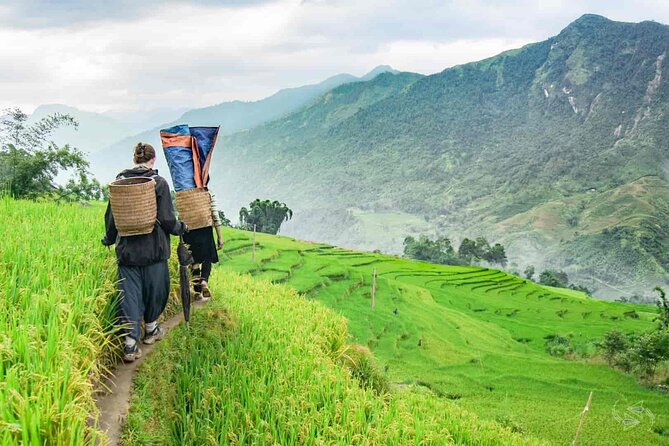
Sapa trekking is rarely a flat stroll. You’re moving through valleys, between villages, and along paths that can be steep. Reviews mention people choosing harder routes, including one where a trek reached about 2500m elevation and a very long distance over the 3 days. Another review described a brutal day with steep ascent and muddy conditions.
You don’t need to choose the hardest option to have an amazing time. But you should assume you’ll be walking more than you think you will—especially if you’re not used to uneven ground.
Practical checklist:
- Sturdy footwear with grip (mud happens)
- Layered clothing for cool starts and warmer afternoons
- A way to keep essentials accessible while walking
- An honest pace—your guide can scale the day, but you still control your effort
Weather can change quickly in the mountains, so bring rain gear. Not because it always rains, but because when it does, you’ll be glad you packed smart.
How the itinerary hits both scenery and real village life
This trek’s best strength is balance: you get views and you also get context. It’s not just standing at a viewpoint for 10 minutes. The walking connects the stops: Y Linh Ho, Ta Van, Giang Ta Chai, Su Pan, Ban Ho, Nam Toong, Thank Phu. That sequence matters because it mirrors how people move through the area in their daily world.
It also helps that the guide is part storyteller, part route manager. Names like Py Chi, Pen, Mao, Lang, Little Zo, and Khu show up across experiences, and that points to a consistent guide culture: friendly, talkative, and focused on local life and history.
If you care about authenticity, this is the style to choose. The trek format naturally puts you closer to daily life than a bus tour ever could.
Who should book this trek, and who might not love it
You’ll probably love this if you:
- Want a private guided trek with less logistical stress
- Like village visits that feel connected to real life
- Are okay with basic homestay comfort in exchange for experience
You might want to choose an easier route—or consider a gentler day plan—if you:
- Want mostly flat walking
- Have limited mobility or balance on uneven ground
- Plan to rely on a very delicate pair of shoes
Also, if you hate the idea of spending money on food/drinks outside the included meals, remember that drinks and private expenses are not covered.
Should you book Sapa 3 Days Trek with 2 Nights Homestay?
I’d book this if you want the Sapa experience in a way that feels lived-in: walking between villages, eating included meals, and sleeping in a homestay for two nights instead of treating the area like a drive-by.
Skip it only if you want zero physical effort or you need hotel-level comfort. Otherwise, this is the kind of trip that turns Sapa from a picture into a memory you can talk about for years.
If you do book, message or ask your guide about route difficulty right away. Choose a pace you can enjoy, not one you have to survive. In a trek, your attitude matters almost as much as the elevation.
FAQ
What does the trek include?
The package includes an English-speaking guide, entrance fees, food for 3 days, homestay accommodations for 2 nights, and transportation back to Sapa.
How long is the Sapa trek?
It’s a 3-day trek (about 3 days), including 2 nights in a homestay.
What time does the tour start, and where does it end?
The tour starts at 9:00 am in Sa Pa, Lao Cai, Vietnam, and it ends back at the meeting point.
Is this a group tour or private?
This is a private tour/activity, so only your group participates.
What is not included in the price?
Drinks and beverages, plus any private expenses, are not included.
Is it refundable if I cancel?
No. This experience is non-refundable and cannot be changed for any reason.