REVIEW · STEPANTSMINDA
Kazbegi – One Day Trekking Private Tour to Chaukhi Pass 3341 m
Book on Viator →Operated by Mountain Freaks · Bookable on Viator
One pass, three colors of lakes. Chaukhi Pass is one of the highest and most scenic walks in Georgia, and this one-day route links Kazbegi with Khevsureti while treating you to Chaukhi Pass views and the colorful Abudelauri lakes on the far side.
I really like how much is packed into the day without feeling rushed. You get private 4×4 transportation from Stepantsminda to Juta (and back), plus guided stops that add story to the scenery, including the mysterious statues locals call the Georgian Easter Island and the important village of Sno (with the Georgian Patriarch connection).
One drawback to plan around: it’s not technically hard, but it is a long day. You’ll spend roughly 8–9 hours trekking and you’re high enough to feel changeable mountain weather, so bring proper gear and don’t treat this like an easy stroll.
In This Review
- Key Things I’d Focus On Before You Go
- Entering the Chaukhi Pass Zone: Why This One-Day Trek Works
- Stepantsminda to Juta by 4×4: Time on Wheels, Less Time Suffering
- Sno and the Georgian Easter Island: Quick Stops That Add Meaning
- Trekking Under the Chauchi Massif: The Georgian Dolomites Walk
- Reaching Chaukhi Pass (3341 m): The Divide You Can Feel
- Roshka Stones and Abudelauri Lakes: Green, Blue, White
- Pace, Fitness, and Weather: What You Should Actually Prepare
- Private Guide Value: Why the Right Person Matters Here
- Price and Logistics: Is $310.67 Per Group Good Value?
- Who This Trek Is Best For (and Who Might Want a Different Option)
- Should You Book This Chaukhi Pass One-Day Trek?
- FAQ
- Where do I meet for the Chaukhi Pass trek?
- How long is the tour from start to finish?
- Is this trek technically difficult?
- What altitude is Chaukhi Pass?
- Is this a private tour or shared?
- What’s included in the price?
- What should I bring since it’s not included?
- How does weather factor into planning?
- When does the tour run?
- Can I cancel for free?
Key Things I’d Focus On Before You Go
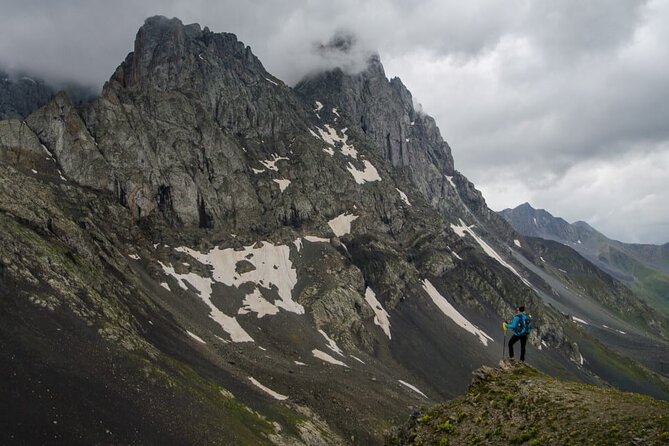
- Chaukhi Pass (around mid-3300 m): a real mountain objective that divides Kazbegi and Khevsureti.
- Start in Juta village: Juta is the highest situated village in the region, so you begin already at altitude.
- Georgian Easter Island statues and Sno: short stops that make the route feel grounded in local culture.
- Georgian Dolomites under the Chauchi massif: a distinctive walk beneath sharp peaks and dramatic rock angles.
- Roshka stones + Abudelauri Lakes: three alpine lakes with different colors—green, blue, and white.
- Guide and trekking poles included: helpful for a long 8–9 hour trek, especially on uneven ground.
Entering the Chaukhi Pass Zone: Why This One-Day Trek Works
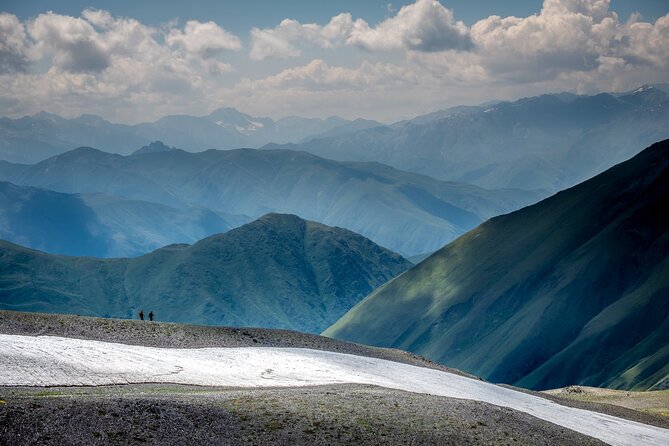
This is the kind of route that makes sense if you’re short on time but still want a big payoff. Chaukhi Pass sits over the divide between Kazbegi and Khevsureti, and that matters because the scenery changes as you move through the pass area—massive peaks on one side, open meadows and lake views on the other.
What I like best is the “two worlds” feeling. First you walk under the Chauchi massif—known locally as the Georgian Dolomites—where the rock shapes and sharp angles make every turn feel like a new scene. Then you shift toward the Abudelauri lakes side, where the colors (green, blue, white) give you that wow factor without needing a long multi-day itinerary.
The other smart piece: it’s presented as a long but manageable effort. The trek is not described as technically difficult, but the time on foot is real. If you’re the type who plans your day around pace and snacks, you’ll do well here.
You can also read our reviews of more tours and experiences in Stepantsminda.
Stepantsminda to Juta by 4×4: Time on Wheels, Less Time Suffering
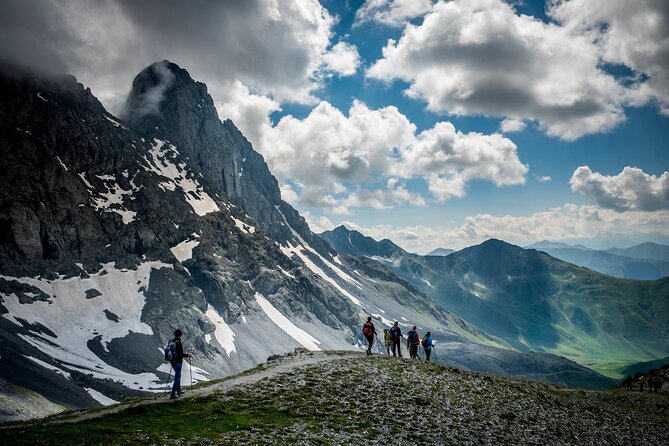
The day starts with a private ride from the Stepantsminda area to Juta village, about 20 km away. That matters more than it sounds. Instead of wasting your energy on a long approach, you get dropped close to the start point, and you’ll only spend about 1 hour in the car.
Because it’s private transportation, your timing is cleaner. You meet at Mountain Freaks Kazbegi in Stepantsminda, and the activity ends back at the same meeting point. That loop design is ideal if you don’t want to figure out rides, backups, or where to regroup while you’re tired and high up in the mountains.
Pro tip for the ride: if weather looks iffy, use that car hour to get your jacket accessible. Mountain days often change fast, and you’ll appreciate not having to dig for rain layers once you’re out on the trail.
Sno and the Georgian Easter Island: Quick Stops That Add Meaning
Before you hit the main trekking part, you’ll make a few stops that break up the drive and add local context. One is the stop at the so-called Georgian Easter Island—mysterious statues along the way that give the route a strange, memorable feel. Even if you don’t know the backstory on arrival, it makes you slow down and look at details while you’re still fresh.
You’ll also stop in Sno, described as the most important village in the region because the Georgian Patriarch comes from there. It’s not a long detour, but it turns the day from just walking into something more connected to place.
This is also where I think a guide earns their pay. A good guide doesn’t just point the way on steep terrain. They help you connect what you see—rock forms, villages, and named locations—into one coherent day.
Trekking Under the Chauchi Massif: The Georgian Dolomites Walk
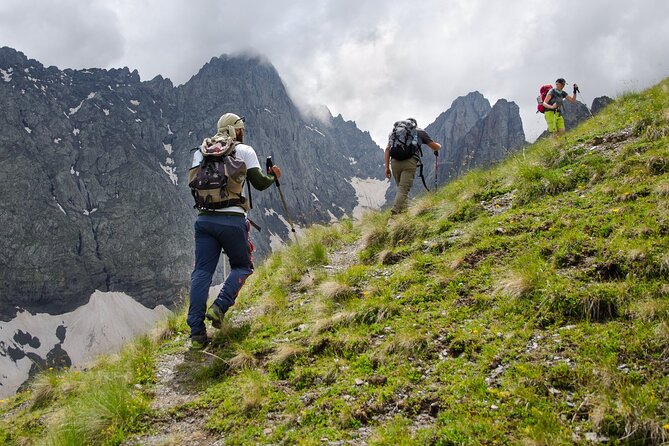
Once you reach Juta, your trek begins from the village level. Juta is the highest situated village in the region, so you’re already climbing into the day even before the steep parts (which helps explain why a “not technically difficult” trek still feels like a mountain outing).
The route runs under the Chauchi massif, called the Georgian Dolomites. That name isn’t just marketing flavor. It points you toward a terrain style where rock structure and angles matter—so even when you’re walking at a steady pace, the ground around you keeps changing. Expect uneven paths, mountain air, and the kind of views that make you check your footing more often than you normally would.
At this stage of the day, pace is everything. Your goal isn’t to race up. Your goal is to arrive at Chaukhi Pass with enough energy to enjoy the pass area and the next section toward the lakes.
I’d treat this as a “stamina hike,” not a “speed hike.” Water and snacks matter here because you’ll have about 8–9 hours of trekking total for the day.
Reaching Chaukhi Pass (3341 m): The Divide You Can Feel
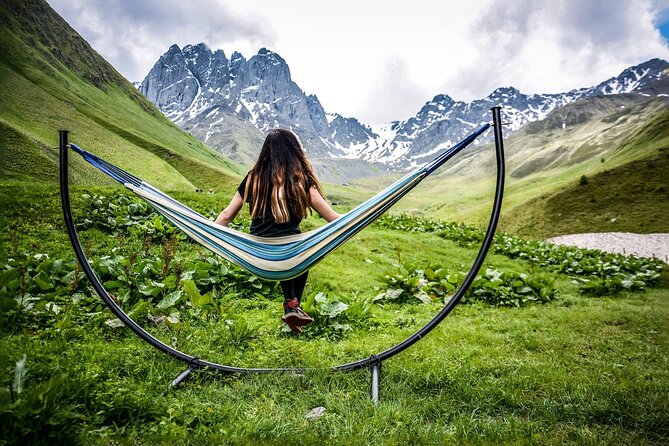
Chaukhi Pass is compelling in a very literal way—it divides the Kazbegi region from Khevsureti. When you’re near the pass, you can feel the transition in the terrain and the openness of the views. It’s also one of the highest and most beautiful passes in Georgia, so the goal is clear: you’re not just walking to a viewpoint; you’re reaching a high point that changes the whole perspective of the region.
This is where having a guide really helps. Guides manage route choice, keep you aware of conditions, and help you move efficiently on a long day. People specifically mention guides like David as fantastic and note that having guides such as Dato and Keti can make the difference on a hard day with great views.
If you get even a little sun, this is also the spot to slow down. Take a moment, breathe, and look around. The pass area gives you a sense of scale—sharp peaks nearby and open areas beyond—so don’t rush your photos or your rest breaks.
Roshka Stones and Abudelauri Lakes: Green, Blue, White
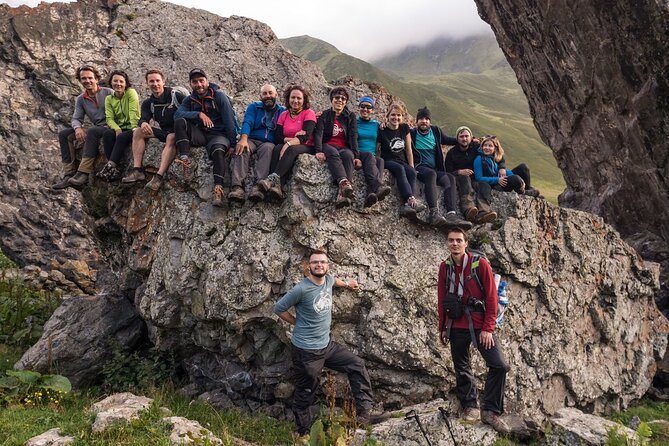
On the far side of the pass, the scenery shifts into a more open, alpine feel. You’ll pass through meadows with intriguing rock formations known as Roshka stones. This section is visually fun because it breaks up the “straight mountain wall” feel and adds quirky shapes that look different from one step to the next.
Then come the Abudelauri lakes. You’re looking at three alpine lakes with different colors: green, blue, and white. That color sequence gives you something to track through your hike. Instead of only watching for distant views, you get to anticipate how the next lake might look in the light.
This is also a good moment to remember the practical side of a long trek: conditions can change. If it turns damp or windy, the pass area and the lake area can feel colder than you expected. That’s why a jacket and rain-ready layer is not optional gear trivia—it’s comfort and safety.
Pace, Fitness, and Weather: What You Should Actually Prepare
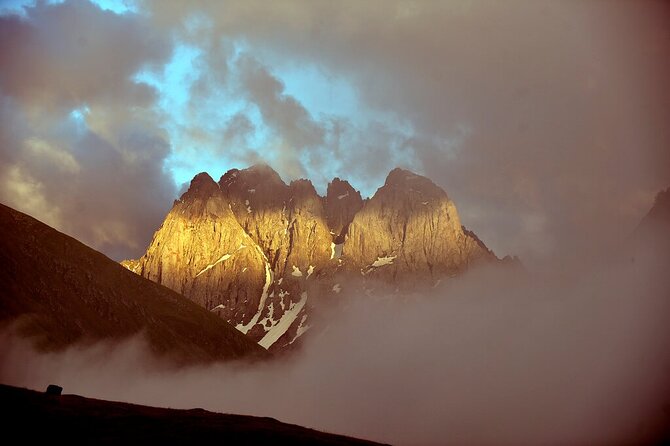
Even though the trek is not described as technically difficult, it’s a long day. You’ll be trekking about 8–9 hours, and the total experience is around 10 hours including the car transfer.
Here’s what that means for you:
- If you’re moderately fit and used to walking for hours, you’ll likely be fine.
- If you’re hoping for a short, casual stroll, you’ll probably feel it by mid-day.
Weather in the mountains can shift quickly. The tour info specifically calls for preparation for changeable weather: bring a jacket and something for rain. I also strongly recommend wearing layers you can adjust on the climb and on the cooler pass side.
Gear basics from the tour details:
- Bring trekking shoes (not included)
- Bring your own water and snacks (not included)
- Wear trekking clothes you already trust in cold or wet conditions
- If you don’t normally use poles, you’ll still be happy—trekking poles are included, and they help on descents and uneven ground
If you tend to get cold when you stop moving, plan for that. The walk is long, but your rest breaks at altitude can feel noticeably cooler.
Private Guide Value: Why the Right Person Matters Here
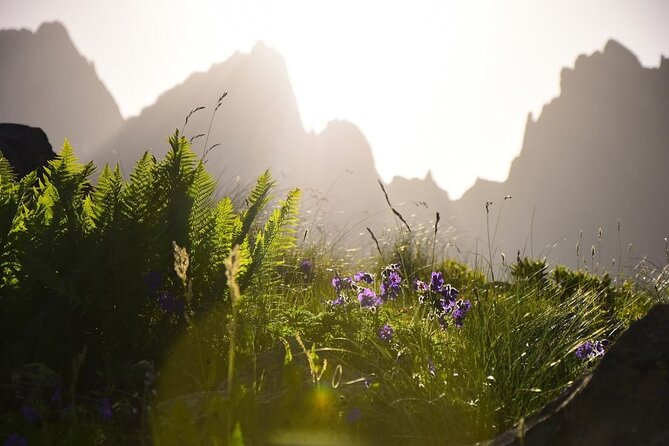
This is a private tour for up to 6 people. That one detail changes the whole feel. Instead of moving at a pace forced by a larger group, you get more attention to your speed and comfort level. On a route with a long trekking day, that matters.
The tour includes a trekking guide, and the reviews highlight how helpful guides can be for a hard day with great views. Names that come up include David, plus guide teams like Dato and Keti. The common thread is confidence: when you have someone who can manage the route and keep you steady, you spend more energy enjoying the scenery instead of worrying about logistics.
Also included: trekking poles. You might be tempted to skip poles if you usually don’t use them, but for a long day with uneven trails, poles can reduce strain in your legs and improve balance.
Price and Logistics: Is $310.67 Per Group Good Value?
The price is $310.67 per group (up to 6). That setup changes the math: you’re not paying per person like many small-group tours. Instead, the price depends on how many people you bring.
To judge value, look at what’s included:
- Guide
- Trekking poles
- Private transportation (4×4 to Juta and back)
What’s on you:
- Trekking shoes and clothes
- Bottled water and snacks
So yes, you’re paying for more than a generic walk. You’re paying for a guide-led, private 4×4-supported day that gets you to a high pass objective and connects it to the Roshka stones and the Abudelauri lakes. If you’re traveling as a small group—friends, family, or a couple who wants privacy—the cost feels more fair than a per-person hike.
One more logistics detail that affects comfort: this runs with a morning window (opening hours show 7:00 AM–8:00 AM). A morning start gives you more stable daylight for a long trek. If you want photos and relaxed pacing, mornings are your friend.
Who This Trek Is Best For (and Who Might Want a Different Option)
This trek suits you if:
- you have moderate fitness
- you want a one-day high pass adventure without technical climbing
- you care about views plus named stops (statues, village significance, rock formations, lake colors)
- you like the idea of a private guide who helps you manage a long day
It might not suit you if:
- you’re looking for a short, easy outing
- you don’t walk for hours as a normal routine
- you’re unprepared for mountain weather and need a fully gentle, predictable experience
Should You Book This Chaukhi Pass One-Day Trek?
I’d book it if your goal for Kazbegi is a memorable mountain day with real scenery variety: pass views, dolomite-style terrain under sharp peaks, then Roshka stones and the three Abudelauri lakes with green/blue/white coloring. The private 4×4 to Juta saves energy, the guide makes the long route feel more doable, and trekking poles help you handle the day without feeling wrecked.
Don’t book it if you want minimal effort or you can’t commit to 8–9 hours of hiking in changeable mountain conditions. For everyone else—especially groups of up to 6 sharing the private cost—this is a solid, value-driven way to see Chaukhi Pass properly in one day.
FAQ
Where do I meet for the Chaukhi Pass trek?
You meet at Mountain Freaks Kazbegi, address listed as 44, Stepantsminda 4700, Georgia. The tour also ends back at this same meeting point.
How long is the tour from start to finish?
The total duration is about 10 hours (approx.), including about 1 hour in the car and 8–9 hours trekking.
Is this trek technically difficult?
The trek is described as not technically difficult. The main challenge is the long hiking time, so you need moderate fitness.
What altitude is Chaukhi Pass?
Chaukhi Pass is listed in the tour title as 3341 m.
Is this a private tour or shared?
This is a private tour/activity, meaning only your group participates.
What’s included in the price?
Included items are trekking poles, a trekking guide, and private transportation.
What should I bring since it’s not included?
You should bring trekking shoes and trekking clothes, plus your own bottled water and snacks.
How does weather factor into planning?
The route can have changeable weather. Bring a jacket and something in case it rains.
When does the tour run?
The opening hours listed run daily (Monday–Sunday) from 7:00 AM to 8:00 AM, during 06/01/2025–10/31/2025.
Can I cancel for free?
Yes. Free cancellation is offered, with a full refund if you cancel at least 24 hours before the experience’s start time.