REVIEW · LEH
8 Days Markha Valley Trek: Shared Tour with Meals Included
Book on Viator →Operated by Travel With Susmita · Bookable on Viator
Four mountain names: Markha, Nimaling, Kongmaru La. This 8-day shared trek strings together classic Ladakh culture in Leh with real hiking days that build toward a high pass moment. I like how the plan starts with a guided Leh warm-up instead of throwing you straight onto thin air.
I also like the practical side: meals and support are handled. You get breakfasts, lunches, and dinners, plus help carrying camping gear and one bag per client—so you can hike with a day pack instead of hauling your whole life.
One consideration: monastery/monument entry fees are typically extra (plan for about $20 per person), and you still need your own travel insurance and personal trekking/camping gear.
In This Review
- Key things that make this Markha Valley trek work
- Leh first, then the trail: how this plan sets you up
- Day 1 and Day 2 in Leh: Thiksey, Stakna, Leh Palace, Shanti Stupa, and the market
- Thiksey area: calm orientation in the evening
- Stakna Monastery: a hilltop viewpoint day
- Leh Palace: a quick hit of regal Ladakh
- Shanti Stupa: built as peace, used as a viewpoint
- Leh Market: what people actually buy and carry
- Who this Leh section is best for
- Chilling (Day 3): using the Zanskar River drive to reset
- Sara to Markha Village (Day 4): the trail vibe changes fast
- Markha to Thachungtse (Day 5): the 15 km endurance day
- Nimaling campground (Day 6): the 4900m climb checkpoint
- Kongmaru La Pass (Day 7 at 5260m) and Hemis Monastery: the payoff day
- Day 8 in Leh: a quiet landing after the pass
- Meals, gear hauling, and what you truly carry
- Price and logistics: is $1,298.86 worth it?
- Who should choose this trek (and who should think twice)
- Practical tips to make the trek feel easier
- Start early, slow down on climbs
- Hydrate like it’s part of the route
- Pack snacks you genuinely enjoy
- Keep your personal bag light
- Don’t skip monastery entry fees in your budget
- Should you book this Markha Valley trek with Travel With Susmita?
- FAQ
- What’s included in the meals on this Markha Valley trek?
- Does the tour include airport pickup in Leh?
- Are monastery and monument entry fees included?
- What safety and medical support is included?
- How big is the group?
- Can I cancel and get a full refund?
Key things that make this Markha Valley trek work
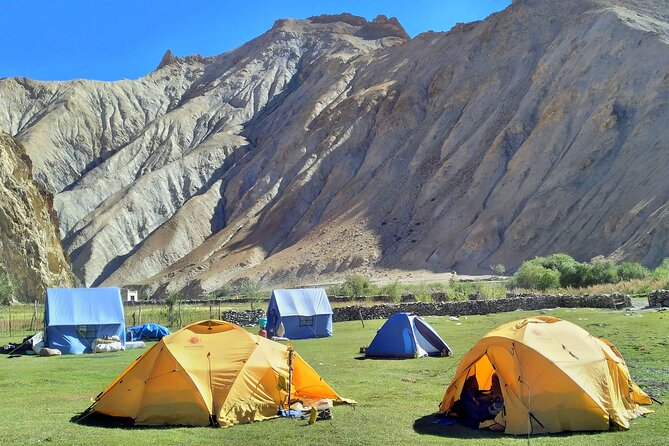
- Small-group feel (max 10 travelers), which usually means smoother pacing and easier guide attention on steep or high-altitude moments.
- Acclimatization + safety in the plan, with an oxygen cylinder and first-aid kit traveling with the guide.
- Permits and environmental fees included, so you’re not stuck doing paperwork mid-trip.
- Meals are covered (7 breakfasts, 6 lunches, 7 dinners), plus trekking support with camping gear.
- Big views at the finish via Kongmaru La Pass (5260m) and a Hemis Monastery stop on Day 7.
- Culture starts immediately with Ladakh sights around Leh before you even step onto the trekking route.
Leh first, then the trail: how this plan sets you up
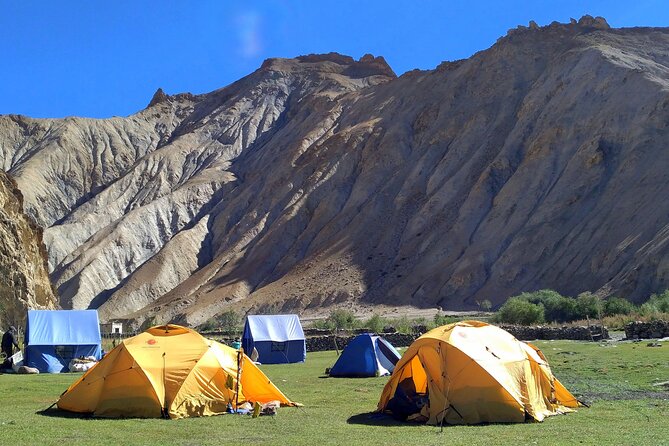
This trek has one smart trick: it doesn’t only sell you “mountains.” It gives you a few hours (then a few days) to get oriented in Leh, adjust to the altitude, and see what Ladakh feels like before you’re walking all day.
On arrival day, you’re met at Kushok Bakula Rimpochee Airport. You’ll also get transport for sightseeing later, and your trekking guide meets you and briefs you on the days ahead. That matters more than it sounds. When you arrive jet-lagged or still processing altitude, a clear rundown—what to wear, when to hydrate, what the trek expects of you—usually makes everything feel calmer once you start hiking.
If you’re the type who likes to know the “why” behind a plan, this one gives it. You get monasteries and town time first, then the trail. That keeps the trek from turning into one long grind with no context.
The trek is pitched for people with moderate physical fitness. It’s not an endurance-only athlete test, but it isn’t a casual stroll either. You should expect day-long trekking effort and higher-altitude climbs toward 4900m (Nimaling) and 5260m (Kongmaru La).
You can also read our reviews of more tours and experiences in Leh.
Day 1 and Day 2 in Leh: Thiksey, Stakna, Leh Palace, Shanti Stupa, and the market
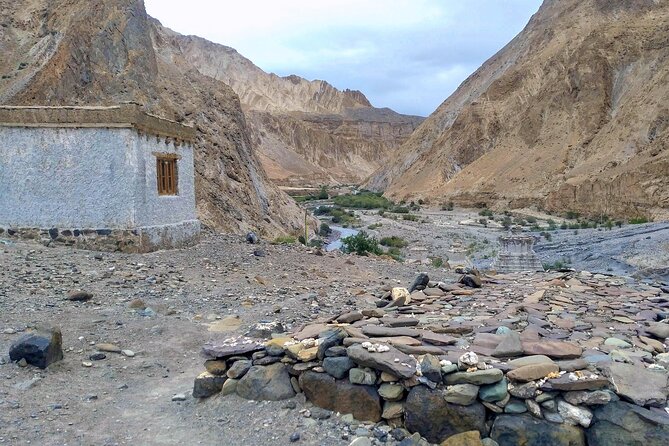
Before the trekking boots hit the ground, you get a classic Ladakh circuit around Leh. It’s not just sightseeing for the sake of sightseeing—these stops act like your “settling in” period.
Thiksey area: calm orientation in the evening
After landing, the plan includes a stroll around Thiksey in the evening. Even without a long museum-style stop, this helps you:
- get your bearings fast,
- see the mountainous setting you’ll be trekking through,
- and learn what kind of walking days come next.
Think of it as a gentle landing.
Stakna Monastery: a hilltop viewpoint day
Next comes Stakna Monastery, on a hill near Leh. The appeal here is both spiritual and practical: when a monastery sits high, you usually get an easy “wow” view with less effort than a full hike.
This one is known for its architectural details—murals and statues—so you’re not only looking outside. You get a sense of Ladakh’s Buddhist artistic language before you head out on trails.
Leh Palace: a quick hit of regal Ladakh
Then you visit Leh Palace, a 17th-century royal palace. The standout detail is its nine stories, which gives you an immediate sense of scale. You don’t need a long lecture for this one. Just looking at how the building is laid out helps you understand why Leh became the kind of place travelers and traders kept returning to.
Shanti Stupa: built as peace, used as a viewpoint
Shanti Stupa is next—the white-domed stupa that’s become an icon for views over Leh. It was built in 1991 by Japanese Buddhists and, per the tour description, it holds relics of the Buddha. Even if you’re not into religious sites, the panoramic payoff usually makes it worth your time.
Leh Market: what people actually buy and carry
Finally, you have time at Leh Market. This isn’t just shopping. It’s your reality check on what’s available locally—snacks, basic supplies, and everyday items. If you like keeping a little buffer for trekking, this is where you can grab personal favorites you’ll want later (snacks/chocolates/non-alcoholic drinks, since those aren’t included as trekking fuel).
Who this Leh section is best for
If you want a trek that feels like a trip to Ladakh—not just a hiking event—this two-day Leh intro is a big part of the value.
Chilling (Day 3): using the Zanskar River drive to reset
On the third day, you do an early breakfast and then a 2.5-hour drive along the Zanskar River to reach Chilling Village. This is one of those “boring on paper, good in real life” moments.
Why it helps:
- It breaks up the arrival-to-trek jump.
- You see the corridor of valleys and river life that this region runs on.
- It gives your body time to acclimatize before the first serious walking day.
Also, by the time you reach Chilling, you’re psychologically ready to start. The day has a beginning that feels like a start, not just a transfer.
Sara to Markha Village (Day 4): the trail vibe changes fast
Your first true trekking day goes from Sara toward Markha Village. One detail I really like here is the emphasis on pack horses loaded with trekking gear. You get to see a working piece of Ladakh life—how goods and camp needs move through the valley.
That creates an important mental shift:
- You stop viewing the trek as a “tour route.”
- You start viewing it as an actual travel system locals use to connect villages and manage supplies.
As you walk, expect the day to feel like a transition from “city Ladakh” to “valley Ladakh.” Markha Village is where the trek starts to feel more human-scale and communal—more like an ongoing journey than a distant spectacle.
Markha to Thachungtse (Day 5): the 15 km endurance day
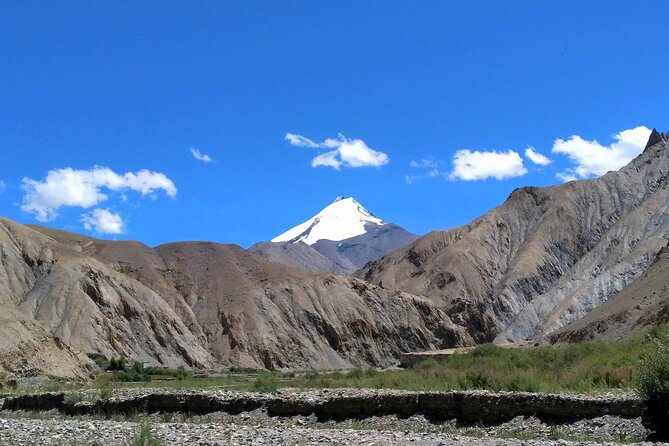
Day five is a 15 km trek from Markha to Thachungtse. The description calls out that you follow the river along the way and watch the terrain shift as you go. In practice, river-side days can be both a blessing and a trap.
- Blessing: you often get a steadier feel to the route and more consistent walking conditions.
- Trap: 15 km at altitude still adds up, and you’ll feel it if you start too fast.
This is also a day where pacing matters. If you keep your effort smooth early, you’ll enjoy the changing views and not just count down minutes. If you go hard at the start, you can turn the day into a march.
A simple rule for days like this: take breaks before you’re tired, not when you’re already struggling.
Nimaling campground (Day 6): the 4900m climb checkpoint
Day six takes you to Nimaling, a campground reached via a climb to 4900 meters. The trek is about 10 km and usually 4–5 hours, so it’s not a huge distance—but altitude makes it feel bigger.
This day is your acclimatization checkpoint in a very literal way. Higher camps and higher passes mean you’ll likely feel:
- shorter breaths during climbs,
- a slower pace (which is normal),
- and a need to drink and snack more regularly.
I like that the plan doesn’t hide this. It gives you the numbers (4900m) and a reasonable time window, so you can manage expectations. You’re not being sold a “short but easy” day.
Kongmaru La Pass (Day 7 at 5260m) and Hemis Monastery: the payoff day
Day seven is the big challenge. You climb to Kongmaru La Pass (5260m), the highest point of this trek. Expect an exhilarating, tough ascent. At this altitude, the pass isn’t just the scenic feature. It’s the physical test.
After the pass moment, you visit Hemis Monastery, known as the largest monastery in Ladakh and founded in the 17th century. It’s especially famous for the annual Hemis Festival, including vibrant masked dances (the tour calls these out as a highlight).
This pairing—hardest hike plus major monastery visit—works well because it changes your body’s mood. After the strenuous climb, a cultural stop gives you something calming to focus on. You also end the trek with a sense of place: you’re not just high up in the sky. You’re connected to the stories and traditions that shaped these valleys.
Day 8 in Leh: a quiet landing after the pass
The final day is a reflective morning in Leh. After breakfast, you pack and get time for a final stroll. It’s a good finish style because it doesn’t rush you straight into travel chaos.
You’ll likely feel a mix of:
- relief your legs have slowed down,
- and that slightly unreal feeling after reaching a high pass.
If you want one last practical thing, this is where you can pick up any personal items you didn’t grab on Day 2, and you can also use the time to mentally reset before heading home.
Meals, gear hauling, and what you truly carry
This trek is set up as a shared, supported camping experience. The included meals are substantial: 7 breakfasts, 6 lunches, and 7 dinners. That matters because it reduces the “where do I eat today?” stress while you’re walking.
Then there’s the gear support:
- a support system for carrying camping gear, and
- one bag per client carried for you.
Translation for your planning: you still need to carry your essentials, but you’re not turning the trek into a full backpacking load-haul.
For your daypack, bring what you’ll reach for constantly:
- water and a way to drink consistently,
- layers for cold mornings and warmer afternoons,
- snacks you like (the tour specifically suggests personal favorites like chocolates and non-alcoholic beverages),
- and your personal medications/toiletries.
Also note: the tour information says you should bring personal hiking and camping gear. So even though meals and some gear carriage are included, you’re still responsible for your own trekking kit.
Price and logistics: is $1,298.86 worth it?
At $1,298.86 per person, you’re not buying a DIY trek. You’re paying for a lot of “invisible” work that can make the trip smoother—especially if you’re new to high-altitude trekking.
Here’s what you’re paying for, based on what’s included:
- airport pickup and drop plus transport for Leh sightseeing (car/minivan),
- a professional guide with trekking and acclimatization experience,
- permits and environmental fees,
- an emergency oxygen cylinder and first aid kit accompanying the guide,
- trekking support for camping gear and one bag per client,
- and a full meal plan (breakfast/lunch/dinner totals covered).
Not included items are also clearly stated:
- flights/train tickets,
- travel insurance,
- monument/monastery entry fees (around $20 per person),
- and basic things like WiFi and onboard restroom.
So the value question comes down to this: if you want someone to handle permits, safety gear logistics, and camp/meal planning, this package is easier to justify. If you already know the region well and prefer total control, you might see it as pricier than a DIY option. But for most first-timers to Ladakh and Markha Valley, the “someone else handled it” factor is exactly what you’re paying for.
Who should choose this trek (and who should think twice)
This is a strong fit if:
- you want a guided experience with meals and permits handled,
- you like structure (a set plan with cultural stops and planned walking days),
- you’re comfortable with moderate fitness and the idea of altitude challenges,
- and you want a small group (max 10) rather than a huge crowd.
Based on the tour’s focus on acclimatization support and first-aid readiness, it also suits people who are serious about seeing Ladakh but maybe don’t have years of trekking experience.
Think twice if:
- you hate walking at altitude or you’re not ready to manage slower pace days,
- you’re trying to travel with a very light budget and don’t want any extra fees for monastery entry,
- or you don’t want to carry your personal trekking and camping gear.
Practical tips to make the trek feel easier
A high pass trek is a body game. A guided plan helps, but your habits still matter.
Start early, slow down on climbs
Even if a day feels short on paper, altitude changes everything. For Kongmaru La and the Nimaling climb, you’ll do better by keeping your effort steady instead of chasing speed.
Hydrate like it’s part of the route
At 4900m and 5260m, thirst can get weird. You’ll get more comfortable if you treat hydration as a schedule, not an impulse.
Pack snacks you genuinely enjoy
The tour suggests bringing personal favorites. I agree with that idea. When your energy dips, it’s easier to keep moving with the food you like, not whatever is available.
Keep your personal bag light
Because only one bag is carried for you, use packing discipline. Your day-to-day comfort will improve if you’re not constantly shifting weight in your pack.
Don’t skip monastery entry fees in your budget
Even though the tour includes many stops, entry fees for monasteries/monuments are not included (about $20 per person). Build that into your cash plan so the trip doesn’t feel like it’s collecting surprises.
Should you book this Markha Valley trek with Travel With Susmita?
I’d book it if you want an 8-day Markha Valley trek that feels organized, safe, and culturally grounded. The combination of Leh orientation, guided acclimatization support, meals included, and a small group size makes it a solid choice for first-timers and for people who want a worry-light experience on tough walking days.
You might skip it if you’re determined to do everything DIY, you dislike paying extra for monastery entry, or you’re not ready to bring your own trekking/camping gear and manage altitude responsibly.
If your goal is a guided Markha Valley itinerary with the logistics handled—so you can focus on walking, views, and the Ladakh rhythm—this is a good match.
FAQ
What’s included in the meals on this Markha Valley trek?
The package includes 7 breakfasts, 6 lunches, and 7 dinners during the 8-day trek.
Does the tour include airport pickup in Leh?
Yes. The tour includes airport pickup and drop, plus transportation for sightseeing in Leh by car or minivan.
Are monastery and monument entry fees included?
No. Monastery and monument entry fees are not included and are listed as approximately $20 per person.
What safety and medical support is included?
A professional guide travels with an emergency oxygen cylinder and a first aid kit.
How big is the group?
This shared tour has a maximum of 10 travelers.
Can I cancel and get a full refund?
You can cancel up to 6 days in advance for a full refund. If you cancel 2–6 days before, you may receive a 50% refund. Within 2 days of the start time, it states the amount paid won’t be refunded.