REVIEW · KATHMANDU
Everest Base Camp Trek and Kathmandu Tour: 15 Days
Book on Viator →Operated by Attractive Travels and Tours Pvt. Ltd. · Bookable on Viator
Altitude, temples, and Everest views in one loop. I love the way this trip builds in Namche acclimatization before pushing higher, and I love the planned Kathmandu culture with stops like Swayambhunath and Boudhanath. One consideration: the whole schedule depends on weather, especially the flights into and out of Lukla.
What makes the experience feel smoother is how much is handled for you: airport transfers, a licensed guide, and porter support. In the feedback I’ve seen for this operator, the trekking leadership stands out, including guide Mr. Rajan for mountain-side expertise, plus a porter described as kind and strong.
In This Review
- Key Things That Make This Everest + Kathmandu Combo Worth It
- Kathmandu Starts With Big Spiritual Hits (Day 1 and 2)
- Entering the Everest Trek: The Lukla Flight Day (Day 3)
- Namche Bazaar: Where You Earn the Right to Go Higher (Days 4 and 5)
- Tengboche to Dingboche: Monastery Views and Big-Mountain Vistas (Days 6 and 7)
- Lobuche: When the Trek Turns More Serious (Day 8)
- Gorak Shep and Everest Base Camp: Rugged Walking and Real Glacier Terrain (Days 9 and 10)
- Kala Patthar at Sunrise and the Return Downhill (Days 11 to 12)
- Lukla and Kathmandu: Finishing the Circuit (Days 13 to 15)
- Price and Logistics: What You’re Really Paying For ($1,799)
- Is This the Right Trek for You?
- Should You Book This Everest Base Camp Trek + Kathmandu Tour?
- FAQ
- What’s included in the Everest Base Camp trek price?
- Are Kathmandu UNESCO World Heritage site entrance fees included?
- Do I need to arrange travel insurance and a Nepal visa?
- What flights are part of the itinerary?
- Do I need my own trekking equipment?
- What fitness level do I need?
Key Things That Make This Everest + Kathmandu Combo Worth It
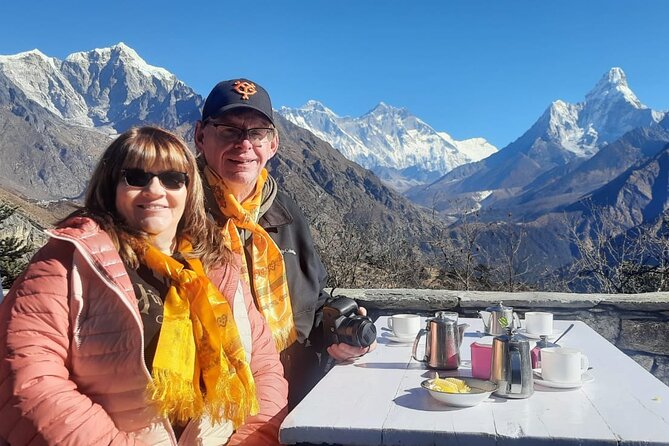
- Lukla flights with dramatic takeoffs and landings built into the itinerary timing
- Two Namche days (including a true rest/acclimatization day) before the hike gets serious
- Tengboche monastery visit in the Everest region for a culture-and-mountain break
- Kala Patthar at 5,644m plus a second morning push for sunrise views
- Everest Base Camp via glacier terrain with real rugged walking days
- Small group size (up to 15) and a porter plan designed around comfort and pacing
Kathmandu Starts With Big Spiritual Hits (Day 1 and 2)
Your trip begins in Kathmandu right after landing at Tribhuvan International Airport. You’ll be met by a representative, taken to your hotel, and given time to check in and recover before the sightseeing starts.
Day 2 is a strong run through Kathmandu Valley’s religious landmarks. Swayambhunath, also called the Monkey Temple, is your first stop, and it’s the kind of place where your eyes keep moving: terraces, shrines, and that constant sense of motion around the hilltop.
Then you continue to Patan Durbar Square, known for fine arts and packed with temples and monuments. After that comes Pashupatinath Temple, dedicated to Lord Shiva, with the Bagmati River close by. If you want a deeper read on what you’re seeing, this is one of the clearest places in the city to understand the spiritual role of life and death in Hindu tradition, since you can view Hindu cremation ceremonies along the riverbank area.
The day finishes at Boudhanath Stupa, described as the biggest Buddhist temple of Nepal and the second biggest in the world. It’s a very different mood from the Shiva-focused stop earlier in the day, and it helps you feel how Nepal’s faiths share the same skyline.
Practical note: the Kathmandu UNESCO entrance fees are not included (listed as $20 per person). You’ll still enjoy the full route, but budget for those tickets in advance so you’re not surprised later.
You can also read our reviews of more tours and experiences in Kathmandu.
Entering the Everest Trek: The Lukla Flight Day (Day 3)
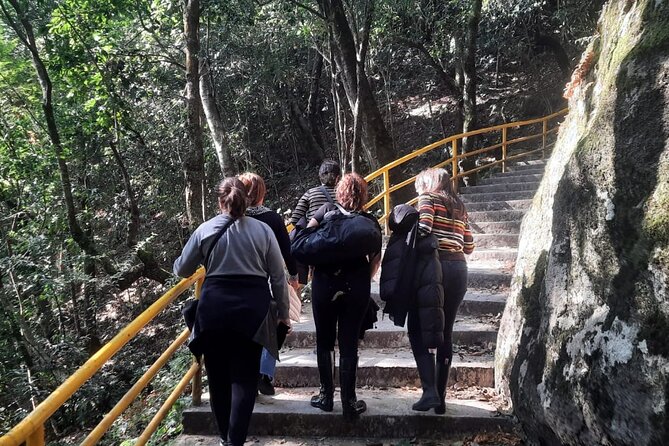
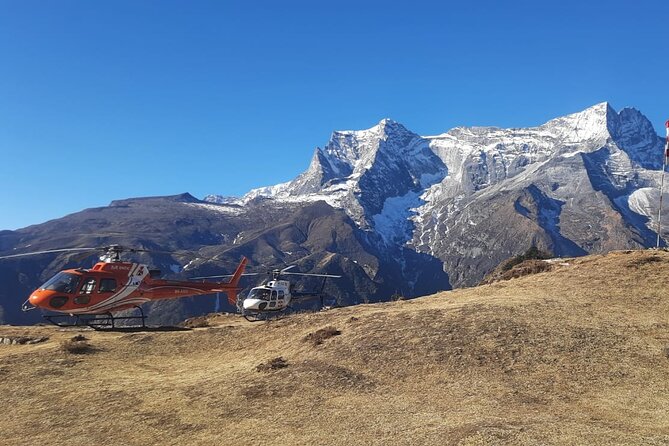
On day 3, you fly from Kathmandu (or Ramechhap) to Lukla. The program specifically calls out the roller-coaster feel of the mountain flight and the dramatic landing, and that matters because it sets expectations for how the first day will feel: alert, a bit noisy, and mentally focused.
After landing, you begin the trek toward Manjo. The walking time isn’t spelled out in detail here, but the idea is clear: use day 3 to get your boots moving and start building stamina before you hit higher villages.
This day is also when good group logistics start paying off. Since airport arrival and departure are part of the package, you’re not left guessing about timing, transfers, or last-minute details while you’re already in travel mode.
Namche Bazaar: Where You Earn the Right to Go Higher (Days 4 and 5)
Namche Bazaar is where most Everest trips either feel smooth or start feeling stressful—and this plan tries to make it smooth.
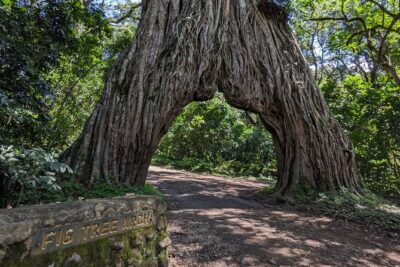
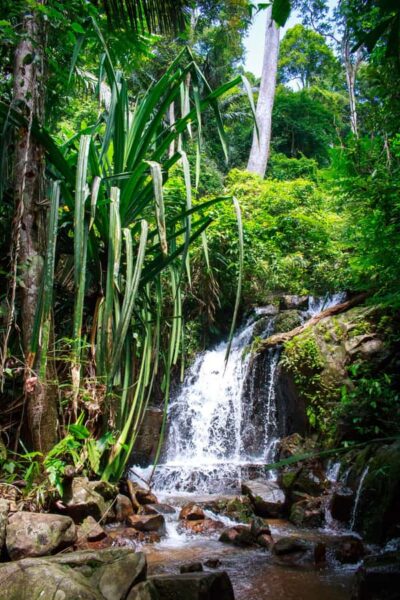
Day 4 treks toward Namche (about 4 hours), including bridges and forests. The route is described with rhododendron, magnolia, and large fir trees, which is a real plus. It’s not only scenic. Forest walking tends to feel cooler and steadier underfoot than the more exposed upper sections, so it’s a kinder warm-up.
Day 5 is the payoff: you rest at Namche to acclimatize. The itinerary calls out the village sitting in a bowl-shaped area, and that’s exactly the kind of geography that affects how you breathe at altitude. This rest day matters because it’s designed to help your body adjust before you climb toward places like Tengboche and beyond.
If you’re choosing between Everest itineraries, this is one of the reasons to like this one. A rest day isn’t just comfort—it’s risk management in plain language. Even if you feel good, taking the day helps you keep the trip enjoyable rather than punishing.
Tengboche to Dingboche: Monastery Views and Big-Mountain Vistas (Days 6 and 7)
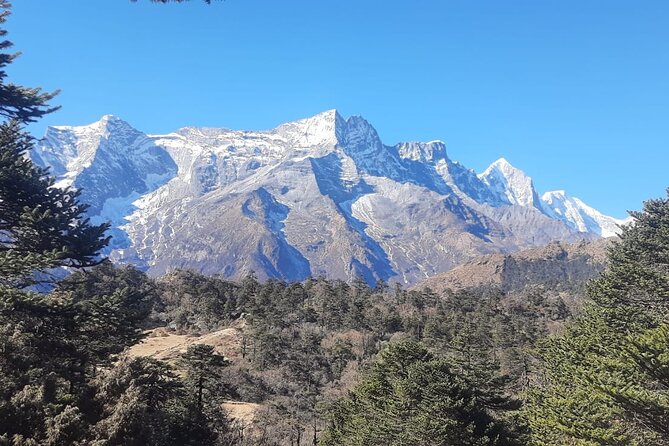
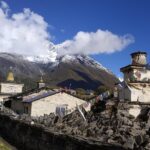
By day 6, you head toward Tyangboche (with a focus on Tengboche village). The walking plan describes an easier section until Phunki, then a climb to Tengboche where you can visit the famous Tengboche monastery—identified here as the biggest monastery in the Everest region.
This is a great cultural pause inside a mountain day. It also gives you a mental reset, because after days at higher altitude, it’s easy to think only about the next hill. A monastery stop puts the whole trip back into perspective: you’re not just walking through terrain; you’re moving through a living place with long-standing traditions.
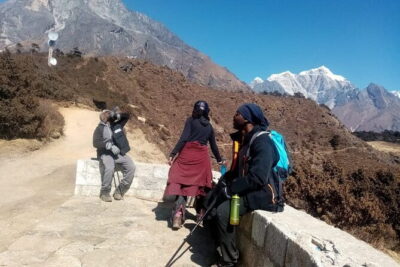
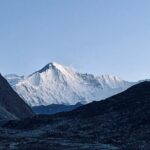
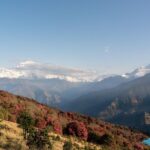
Day 7 continues toward Dingboche (about 5 hours). The route descends through birch forests and rhododendron trees, and you’re also in a zone where the views become a major feature. The plan highlights sightlines for Mt. Everest, Lhotse, and Ama Dablam. That combination is one of the reasons people love the Everest region: it’s not one peak you chase. It’s a whole wall of mountains.
Lobuche: When the Trek Turns More Serious (Day 8)
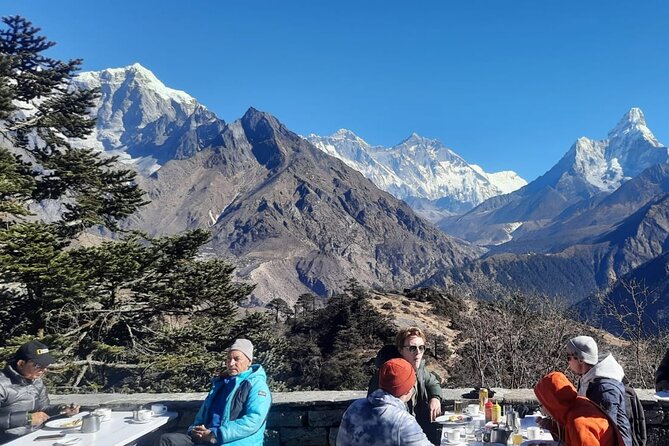
Day 8 moves into Lobuche (about 5 hours) and it’s explicitly described as harder from here onward due to altitude. That’s a useful signal for you as a reader: don’t treat this day like a casual continuation.
The route is said to pass Dungla after a hard, sheer walk to the top of a steep hill. You’ll also see memorial stupas—a reminder that this trek is famous for both achievement and loss. In my view, that kind of stop changes how you walk. You get more careful. You move with more respect for conditions.
If you tend to rush when you’re excited, this is the day to slow down. The plan’s structure (rest at Namche, gradual village progression) sets you up, but Lobuche is where your pace discipline matters most.
Gorak Shep and Everest Base Camp: Rugged Walking and Real Glacier Terrain (Days 9 and 10)
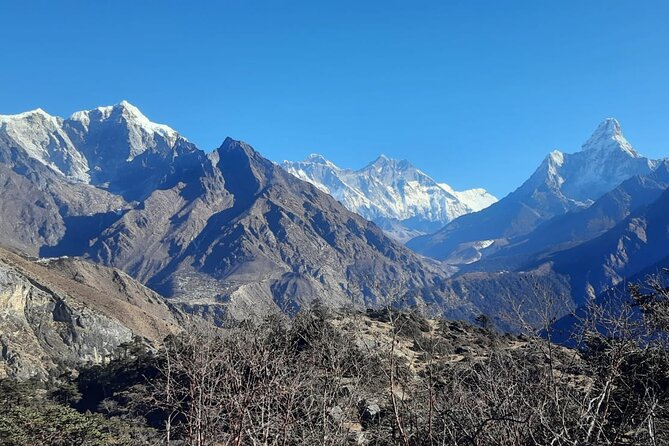
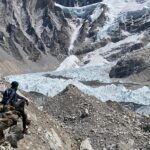
Day 9 takes you toward Gorak Shep, and the itinerary points out glacier-path walking and rough terrain. That description is important because it tells you what kind of day you’re buying: less “gentle valley stroll,” more “workmanlike mountain trekking.”
The trek includes ascent and descent, plus meandering over uneven ground. Even without extra technical detail here, the takeaway is clear: the base camp section isn’t just about reaching a postcard point. It’s about moving efficiently across challenging trail surfaces.
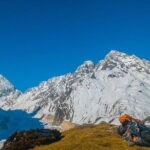
Day 10 focuses on Everest Base Camp and then pushes to Kala Patthar. The plan describes a fairly steep trail to Kala Patthar at a comfortable pace. It also calls out nearby peaks you’ll be able to see from the hilltop: Lingtren, Khumbutse, and Changtse. The view is described as outstanding, and that matches why Kala Patthar is the star of many Everest days.
Also, day 10 notes an admission ticket included. The listing doesn’t explain what ticket specifically covers, so you should treat this as part of the organized package rather than something you need to figure out on your own.
Kala Patthar at Sunrise and the Return Downhill (Days 11 to 12)
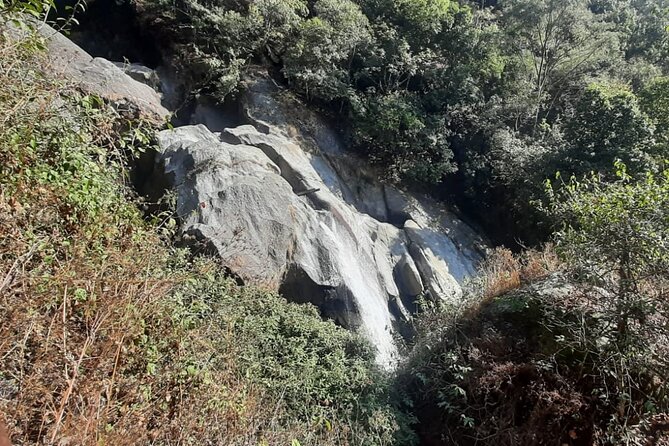
Day 11 is another Kala Patthar morning—this time with a focus on sunrise. The itinerary describes the sun rising from behind the Mount Everest massif, turning peaks golden. That’s the kind of moment you remember long after the rest of the trek blurs together.
Day 11 then shifts to Pheriche (about 5 hours). The contrast here is useful. You get the drama of sunrise at a big elevation, then you move back through a trekking rhythm that feels more manageable than the highest point pushes.
Day 12 is the first real “we’re coming home” day. You trek back to Namche Bazaar, and the plan says you’ll lose nearly 2,000 feet of altitude, with a bridge over the Dudh Koshi River and rhododendron-filled descending sections. The trail is still an up-and-down mix, but it’s designed as a confident return rather than another grinding ascent.
Lukla and Kathmandu: Finishing the Circuit (Days 13 to 15)
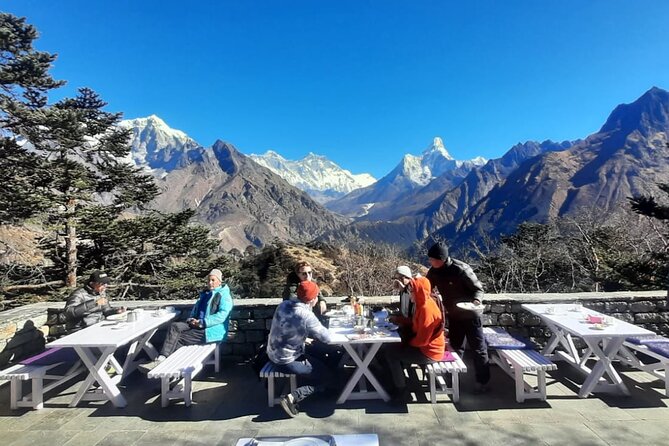
Day 13 is trekking back to Lukla (about 4 hours). The itinerary mentions rocky path sections and many suspension bridges, then a surfaced path that makes it feel like the air is warmer. That’s a nice psychological boost: once you start finishing the loop, the body often feels lighter.
Day 14 includes an early morning flight from Lukla to Kathmandu, then a transfer to your hotel with time to rest. There’s also mention of a farewell dinner, but even if that’s brief, the point is the same: you get a structured landing back into city life instead of a chaotic scramble.
Day 15 is your Kathmandu goodbye. You’ll be dropped off at the airport, with guidance to be at least 3 hours prior to your scheduled flight time.
Price and Logistics: What You’re Really Paying For ($1,799)
This price is $1,799 per person for a 15-day Everest Base Camp trek plus Kathmandu sightseeing. The biggest value is that the major costs tied to the Everest region are handled for you: flights to Lukla and back, an Everest National Park permit, and a government license holder trek guide.
You also get 3 nights hotel in Kathmandu with breakfast, plus meals during the trek period (the listing includes 13 breakfasts, 11 lunches, and 11 dinners). On many self-arranged trips, this is where the time and stress add up: meal planning, transport scheduling, and coordinating permits.
You’ll also have porter support: the itinerary says a porter to carry baggage for 2 guest (1 porter). That arrangement matters because your pack weight can make or break how enjoyable the later days feel, especially when you’re walking over rough glacier-path terrain.
What’s not included is equally important:
- Travel insurance
- Visa for Nepal
- Trekking equipment (you need to bring your own)
- Kathmandu UNESCO entrance fees at $20 per person
- Alcoholic beverages beyond a cup of tea a day
If you want a clear mental checklist, this tour is best seen as a guided, organized package where you supply the gear and coverage. You supply the body and the boots. The rest is mostly managed.
Is This the Right Trek for You?
This trip is built for people with at least moderate physical fitness, which fits the typical rhythm of Everest Base Camp travel. The itinerary includes acclimatization time, plus big view days, plus higher-altitude tougher days like Lobuche and the glacier-path walk toward Gorak Shep.
You’ll probably love it most if you want:
- A classic Everest Base Camp route with Kala Patthar sunrise
- A meaningful Kathmandu start, not just a quick stop
- A small group setting (max 15) where logistics feel controlled
You might want to rethink it if you hate flight day risk. The program runs on Lukla flights (from Kathmandu or Ramechhap), and mountain weather can change plans fast. The listing also says this experience requires good weather, and if it’s canceled due to poor weather, you’ll be offered a different date or a full refund—but it’s still something to weigh.
Also, if you’re expecting gear to be provided, plan on bringing your own trekking equipment. That’s explicitly not included.
Should You Book This Everest Base Camp Trek + Kathmandu Tour?
I’d book this if you want a well-organized Everest Base Camp trek paired with a real Kathmandu Valley introduction. The combination of licensed guiding, porter support, solid acclimatization pacing (especially Namche), and two Kala Patthar mornings is the kind of structure that keeps the trip from turning into nonstop survival.
But I wouldn’t book it on impulse if you’re unprepared for altitude hikes or if you haven’t lined up insurance and equipment. Everest is still Everest, even with excellent planning.
If you’re the type who likes clear schedules, small group travel, and big payoff views earned the hard way, this is a strong fit.
FAQ
What’s included in the Everest Base Camp trek price?
The package includes airport arrival and departure, the Everest National Park permit, flights from Kathmandu or Ramechhap to Lukla and return, a government license holder trek guide, porter support (for 2 guests: 1 porter), 3 nights hotel in Kathmandu with breakfast, the Kathmandu UNESCO World Heritage Sites tour, and meals (13 breakfasts, 11 lunches, 11 dinners).
Are Kathmandu UNESCO World Heritage site entrance fees included?
No. Entrance fees for the Kathmandu UNESCO World Heritage sites are not included, listed at $20.00 per person.
Do I need to arrange travel insurance and a Nepal visa?
Yes. Travel insurance and the Nepal visa are not included, so you’ll need to arrange them yourself.
What flights are part of the itinerary?
You fly from Kathmandu or Ramechhap to Lukla, then return from Lukla to Kathmandu. The itinerary also specifies that the Lukla-to-Kathmandu flight departs early on day 14.
Do I need my own trekking equipment?
Yes. Trekking equipment is not included, and the plan specifically says you should bring your own.
What fitness level do I need?
The tour information says travelers should have a moderate physical fitness level.
If you want, tell me your trekking experience level and when you’re traveling, and I’ll help you sanity-check whether the pace and altitude profile feel realistic for you.