REVIEW · KATHMANDU
12 Days Everest Base Camp Trek from Kathmandu
Book on Viator →Operated by CAN Travels · Bookable on Viator
Everest starts with a small flight. This 12-day trek strings together Sherpa villages, monastery culture, and big Himalayan viewpoints, with a finish at Everest Base Camp and Kala Patthar.
I like the clear “day-by-day rhythm” of the route, especially the way the plan builds in altitude adjustment. I also like the government-licensed English-speaking guide setup, plus an emergency first aid kit that stays with your group.
The one trade-off to plan for is money beyond the base price: food and drinks are extra (about US$25 per day), so your total trip cost will run higher than the tour fee.
In This Review
- Key things that make this trek work well
- Everest Base Camp in 12 days: pacing you can actually manage
- Kathmandu to Lukla: the flight that sets expectations
- Days 1–2: Phakding to Namche Bazaar through river valleys
- Day 3 in Namche Bazaar: acclimatize without wasting the day
- Day 4 to Tengboche: rhododendron paths and a monastery backdrop
- Day 5: Dingboche arrives after bridges, stupas, and slow climbing
- Day 6 rest day at Dingboche: Nagarjun Hill for peak views
- Day 7 to Lobuche: the trail gets tougher, but the scenery turns sharper
- Day 8 to Everest Base Camp: early start, last settlements, real focus
- Day 9: Kala Patthar for 360-degree views above EBC
- Days 10–11: retracing your steps to Namche and Lukla
- Day 12 back to Kathmandu: flight, hotel, and a proper send-off
- Price and value: what you’re paying for at $1,380 per person
- What to pack and how to get through the tough days
- Who should book this Everest Base Camp trek
- Should you book CAN Travels for this 12-day Everest Base Camp trek?
- FAQ
- What is included in the $1,380 price?
- Are meals included?
- Does the trek include flights to Lukla?
- What type of accommodation will I have during the trek?
- Is the guide English speaking?
- Is this tour private or shared?
- How does the itinerary handle acclimatization?
- How far in advance can I cancel for a full refund?
Key things that make this trek work well
- Lukla flights included: Kathmandu–Lukla–Kathmandu airfare is part of the package.
- Two acclimatization anchors: you get a dedicated Namche Bazaar day and a full rest day at Dingboche.
- Historic Sherpa stops: Tengboche Monastery and iconic hub villages like Namche and Dingboche.
- Guest house stays: accommodation is included along the trekking route.
- Guide quality stands out: names showing up with strong praise include Prakash, Milan, and Dev—each noted for professionalism and keeping people safe and comfortable.
- Mobile ticket feature: helpful if you like having your trip info on your phone.
Everest Base Camp in 12 days: pacing you can actually manage
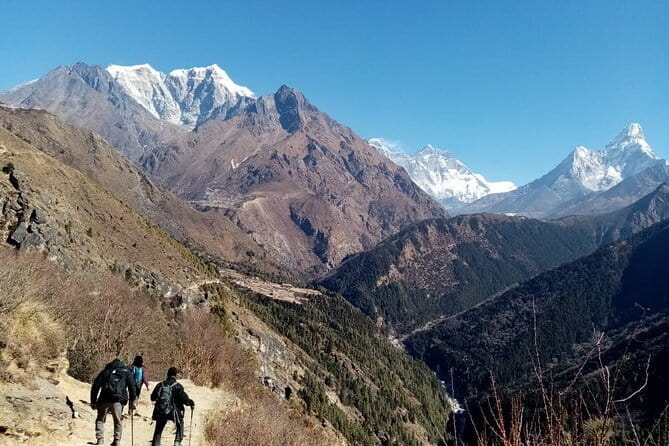
This trek is often sold as a “big summit dream” run, but the best part is the in-between. You’re not just chasing altitude. You’re walking through rhododendron forests, Sherpa settlements, and stone-and-chants monasteries, with mountain panoramas stacking up day by day.
What makes this 12-day format feel more doable is the built-in altitude strategy. You don’t rush straight upward every single day. Instead, the schedule includes a real acclimatization day in Namche Bazaar and another adjustment/rest day at Dingboche. Those breaks matter because you’ll feel the altitude whether you want to or not. The goal is to help your body cope while keeping you moving enough to stay mentally fresh.
You’ll also be trekking with a group structure that’s calm and controlled. This is a private tour, meaning you’re not pulled into someone else’s pace. That tends to make a huge difference on days with slower weather, tight trail sections, or anyone in the group needing more time to breathe.
You can also read our reviews of more tours and experiences in Kathmandu.
Kathmandu to Lukla: the flight that sets expectations
Most first-time Everest trekkers get nervous about what happens on day one. Here’s the truth: the trip begins with a short scenic flight from Kathmandu to Lukla. That’s included in the price, along with hotel pickup and drop-off in Kathmandu.
Once you land, you’ll meet your guide and the rest of the crew. Then it’s immediate transition from city life to trekking reality: you start moving along the Dudh Koshi River system and head toward your first overnight stop.
Practical tip: treat day one like a warm-up, not a fitness test. Your legs will feel fine at first. Your body still has to adjust to the rhythm of altitude and movement. A good guide helps keep you from turning the first day into a “hero day.”
Days 1–2: Phakding to Namche Bazaar through river valleys
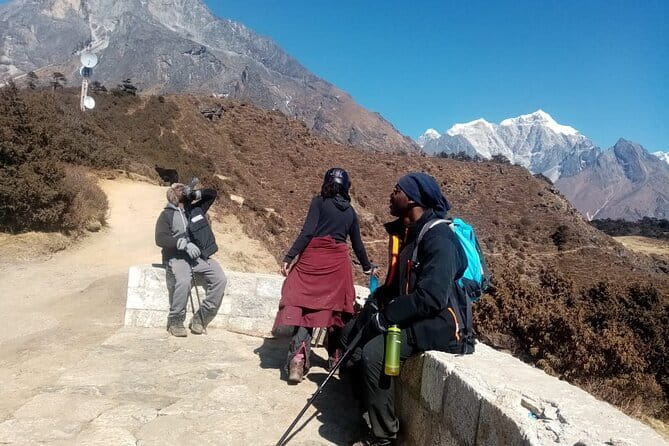
On the first full trekking day, you follow the Dudh Koshi River and descend into the Phakding area. That’s a classic start: you’re moving, but the terrain is usually friendlier than what comes later. Expect trail time spent on suspension bridges, village sections, and that steady hum of life that’s different from the busier Kathmandu streets.
By day two, you climb toward Namche Bazaar, passing through Monjo and entering Sagarmatha National Park. This is where the trek becomes more “Himalaya,” not just “mountains in the distance.” You’ll cross streams, pass small villages, and keep walking through park terrain where wildlife and flowers are part of the experience.
Namche is more than a viewpoint stop. It’s a real hub: a place where you can reset your gear, watch the rhythm of Sherpa life, and feel the culture shift as you head deeper into the Everest region.
Possible drawback to keep in mind: Namche is a momentum town. It’s tempting to rush around sightseeing. Don’t. Use the next day wisely.
Day 3 in Namche Bazaar: acclimatize without wasting the day
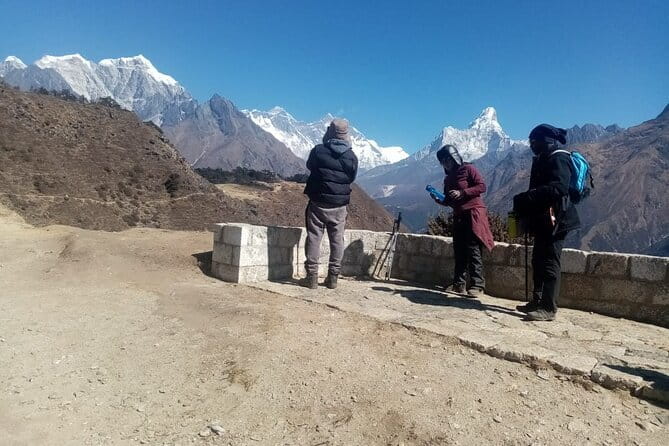
This day is built for altitude success. Instead of trekking higher again, you spend time in Namche Bazaar to acclimatize. You’ll also have a short excursion option such as Syangboche Airstrip or the Everest View Hotel area.
The key idea here is “go up a little, then come back.” Your body learns how it feels at higher altitude without forcing a full push to the next settlement level. It’s also a chance to get your breathing pattern sorted—slow and steady wins here.
I like that the plan gives you choice. If you want a quick viewpoint-style outing, you can do that. If you’d rather take it easy and let your body settle, you can do that too. A good guide will read the group and nudge you toward the right effort level.
Day 4 to Tengboche: rhododendron paths and a monastery backdrop
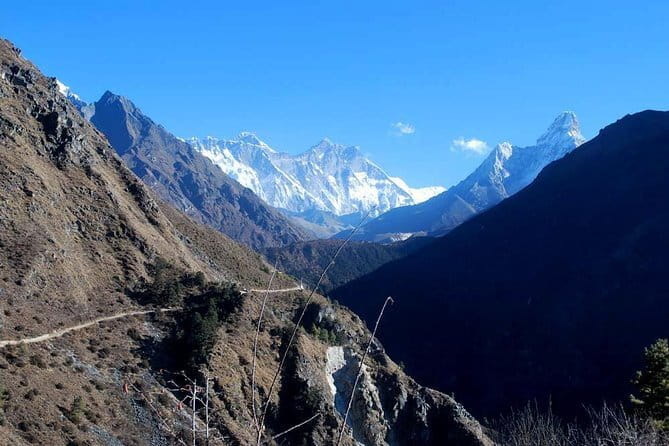
On day four, the trek turns more scenic-and-spiritual. You’ll gradually ascend through dense rhododendron forests, then pass Imja Khola before reaching Tengboche.
This is also the day you get to explore Tengboche Monastery—described as the oldest monastery in the Khumbu region. Around places like this, you’ll see prayer wheels and Buddhist ritual traditions tied closely to daily mountain life. Even if you’re not a “temple person,” it’s worth paying attention here because the setting makes it real. The chants and routines sit beneath huge peaks, not in an empty museum space.
One more practical note: monastery visits often come with small time buffers—slow walking, short breaks, sometimes extra photos. Plan to keep your schedule flexible. Your guide should help you pace it so nobody gets cold or rushed.
Day 5: Dingboche arrives after bridges, stupas, and slow climbing
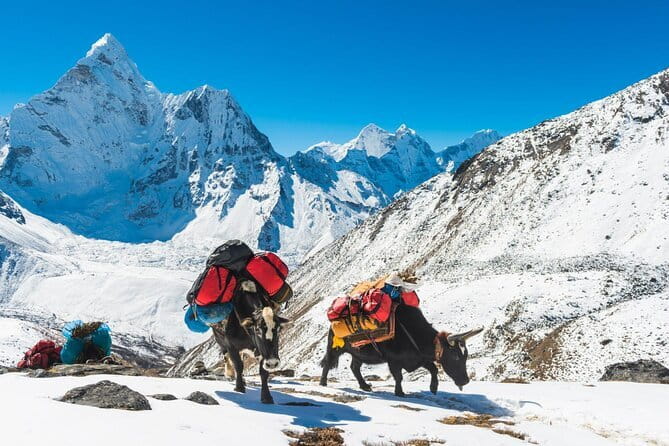
By day five, you’re headed toward Dingboche. The route ascends and you’ll cross many suspension bridges—some of the most “Everest region” walking you can experience. Between bridges, you’ll pass through smaller settlements like Pangboche and Orsho.
Along the way, you’ll see religious markers such as stupas and chortens, along with other signs of Buddhist practice. This is the part where the trek stops being only about distance and starts being about observation. You can read the trail like a timeline of culture, not just altitude.
Dingboche itself is where the trek starts to feel more high-altitude and open. Trees thin out. The walking gets quieter. You’re also close enough to the next day’s rest plan that you can settle in mentally.
Day 6 rest day at Dingboche: Nagarjun Hill for peak views
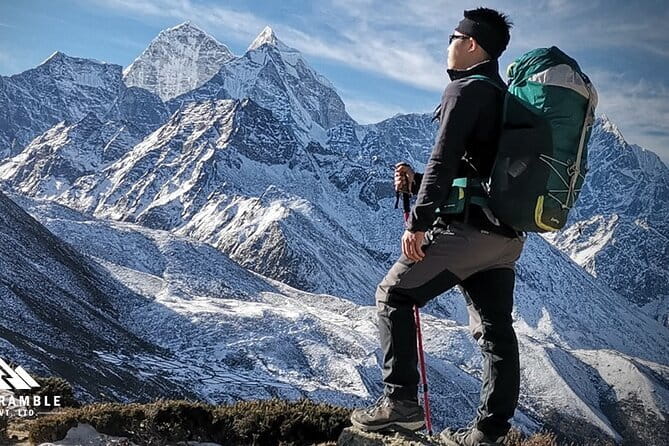
Day six is another make-or-break day for comfort. You take a break and adjust to the elevation, then hike up to Nagarjun Hill.
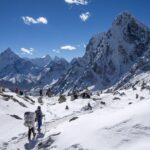
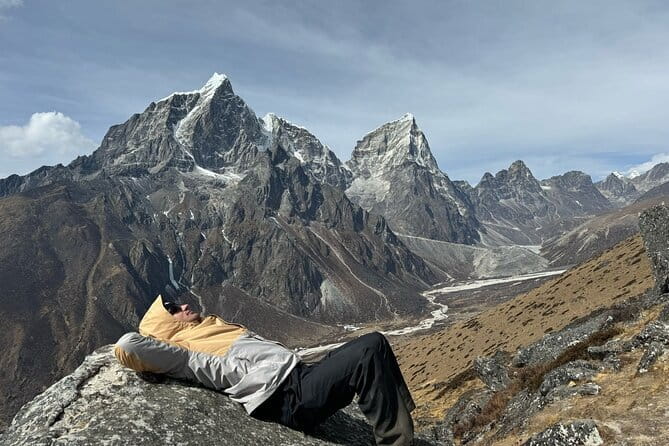
From there, you can get strong views of Everest, Lhotse, Ama Dablam, Nuptse, Thamserku, and Pumori. That’s a serious skyline. It’s also the kind of viewpoint that helps you understand the geography of the region—where the big names sit relative to one another.
I love that this rest day doesn’t feel like “sit in a room and suffer.” It’s active enough to keep energy moving, but structured enough to avoid blowing your acclimatization plan.
If you feel wiped out, tell your guide early. A good guide will keep you safe and adjust. In some past groups, guides such as Dev were praised for making the trek easier through attentive care and constant monitoring.
Day 7 to Lobuche: the trail gets tougher, but the scenery turns sharper
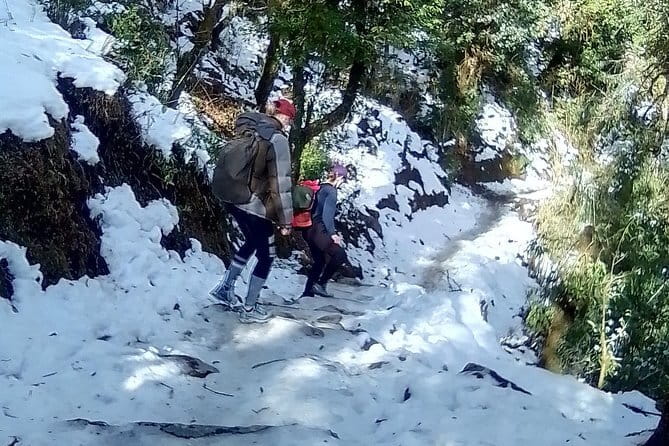
Leaving Dingboche, you gradually ascend through small villages. The terrain shifts from forested feeling to a more sparse, high-altitude look with shrubs. Then you reach Lobuche.
This is where the trek often starts demanding more from your legs. You’ll notice the air feels thinner, and every ascent becomes a little more deliberate. Don’t try to “outpace the altitude.” The smart move is to slow your pace until it feels like you can keep breathing steadily.
This is also a great day to double-check small things: hydration, warm layers, and how your stomach feels. A tiny fix early prevents a bigger problem later.
Day 8 to Everest Base Camp: early start, last settlements, real focus
Day eight starts early and moves toward Everest Base Camp. You pass through Gorakshep (often written as Gorka Shep), which is described as the last human settlement area on the trail.
That detail matters. It reminds you you’re far from “easy access” country. Once you’re past the last settlement area, the environment gets harsher and your planning needs to be cleaner: keep your schedule tight, don’t gamble with daylight, and follow your guide’s instructions.
Reaching Everest Base Camp is emotional for a reason. It’s not a peak climb. It’s the place where climbers prepare, and it carries a special weight even for people who never plan to summit.
Bring extra attention to your footing. This isn’t a day for sloppy steps. The reward is worth it: huge views, crisp air, and that sense of being very small in a very big place.
Day 9: Kala Patthar for 360-degree views above EBC
The day after base camp is when many people feel the payoff in full. Today you hike up to Kala Patthar, a famous viewpoint above Everest Base Camp.
The highlight is the promise of 360-degree views of the Everest region. This is the kind of viewpoint where you spend time looking more than taking photos. You’ll see how ridgelines connect, how glaciers cut the terrain, and where the major peaks sit in relation to each other.
Practical tip: keep your expectations realistic. Wind can be strong on exposed ridges, and temperatures can drop fast. A good guide helps you time breaks so you don’t lose heat—or wind up rushing when you should be taking in the view.
Days 10–11: retracing your steps to Namche and Lukla
On day ten, you head back down the route you came from: after breakfast you move through forests and small villages, reach Tengboche, and descend to Phungki Thanka, then continue down to Namche Bazaar.
Day eleven continues the descent pattern. You retrace toward Lukla, descending through dense forests, crossing streams, and passing small villages. You’ll end at Phakding before the final flight day.
This return section can feel surprisingly good. Your body already knows the route. That makes walking feel smoother and gives you time to slow down and notice details you missed earlier: prayer markers, village life, and changing terrain colors across the day.
It’s also a time to keep good habits. Just because it’s downhill doesn’t mean it’s easy on the body. Your knees will ask for respect.
Day 12 back to Kathmandu: flight, hotel, and a proper send-off
On the last day, you fly back from Lukla to Kathmandu. After landing, you move to your hotel.
You’ll also have a farewell moment with a group dinner in the evening, then you’re ready to leave. It’s a nice closure because most of what you experience on this trek is shared effort—early mornings, cold nights, and long hours on trails.
If you like your travel plans tidy, this final-day structure helps a lot. It gives your legs time to recover while still keeping the trip organized.
Price and value: what you’re paying for at $1,380 per person
The price is $1,380 per person, and it includes more than you might expect for a trek of this length:
- Kathmandu hotel pickup and drop-off
- A government-licensed English-speaking guide (plus a normal emergency first aid kit)
- Kathmandu to Lukla and back flights
- Trekking permits and official documents
- Guest house accommodation
- A private tour (your group only)
- Mobile ticket
That’s the value side of the math. Paying for flights, permits, and a licensed guide yourself would usually take serious time and coordination. Here, it’s bundled.
The big things not included are practical: food and drinks, roughly US$25 per day, and gratuities, which are optional. If you calculate a 12-day stretch, this can add up fast, especially if your group tends to eat more than the minimum.
So I’d frame it like this: the tour fee covers logistics and guiding, and you cover daily calories and personal spending. That’s normal for Everest region treks. Just don’t treat the listed tour price as your full budget.
One more value angle: guide quality seems to be a big deal here. Multiple past groups gave strong praise to guides by name—Prakash for professionalism and safety focus, Milan for patience and upbeat support, and Dev for caring attention and helping a family make the challenge feel more manageable.
What to pack and how to get through the tough days
The data here says you should have a strong physical fitness level. That’s fair. This is not a casual walk.
I’d pack with comfort and layers as your priority:
- Warm layers for cold mornings and evenings
- A reliable rain layer (weather can shift quickly in the mountains)
- Trekking poles if you use them (they can help on descents)
- Gloves and a hat for wind exposure near viewpoints
- Water and snacks you can tolerate when altitude appetite changes
Also, match your effort to the plan. With acclimatization days built in, you’ll do best by not turning every trek day into a personal record attempt. The best guides keep you moving steadily, not hero-ing your way into exhaustion.
Who should book this Everest Base Camp trek
This is a strong fit if you:
- Want an organized, guide-led Everest Base Camp experience without having to manage permits and flights alone
- Prefer private pacing rather than a mixed group scramble
- Like cultural moments as much as the summit-level views, including monastery visits and prayer-wheel culture
It may be less ideal if you:
- Have very limited trekking stamina and aren’t ready for altitude and a multi-day walking schedule
- Hate extra costs for daily meals and drinks (since food isn’t included)
Should you book CAN Travels for this 12-day Everest Base Camp trek?
If you want a serious Everest trek that still feels structured and human, this package makes sense. The included flights, permits, guide, and guest house stays remove a lot of hassle. The acclimatization rhythm—Namche Bazaar, then Dingboche—helps you aim for success instead of luck.
My nudge: if you’re choosing between different EBC options, compare what’s actually included. Here, the “whole machine” is covered: licensed guide, documents, flights, and lodging. Then budget for food and plan your packing well. Do that, and you’ll spend more energy on what you came for—walking through Sherpa culture and standing in the presence of Everest’s scale.
FAQ
What is included in the $1,380 price?
The price includes Kathmandu pickup and drop-off, a government-licensed English speaking trekking guide, Kathmandu to Lukla to Kathmandu flight tickets, trekking permits and official documents, guest house accommodation during the trek, a private tour, and an emergency normal first aid kit with the guide.
Are meals included?
No. Food and drinks are not included, but you can buy them along the way. The estimate given is about US$25 per day.
Does the trek include flights to Lukla?
Yes. Flights from Kathmandu to Lukla and back to Kathmandu are included.
What type of accommodation will I have during the trek?
You’ll stay in guest houses during the trekking days.
Is the guide English speaking?
Yes. The tour includes a government-licensed English speaking trekking guide.
Is this tour private or shared?
This is private. Only your group will participate.
How does the itinerary handle acclimatization?
There’s an acclimatization day in Namche Bazaar and a rest and adjustment day in Dingboche, including a hike to Nagarjun Hill for views.
How far in advance can I cancel for a full refund?
You can cancel up to 3 days in advance for a full refund. If you cancel less than 3 days before the start time, the amount paid is not refunded.