REVIEW · LAO CHAI VILLAGE
Half Day Visit Y Linh Ho,Lao Chai,Ta Van Trekking With Lunch
Book on GetYourGuide →Operated by Vietnam Wonder Travel and Trading Company Limited · Bookable on GetYourGuide
A trek with terrace views beats a bus-only day. This route through rice terraces and two ethnic villages feels real, not staged, and you’ll learn the everyday rhythm of northern Vietnam. I love how the small group format (max 15) keeps your questions answered, and how guides like Hung, Xoa, and Soso help you connect the scenery to village life. One drawback: the trail can turn muddy and slippy if it rained the day before, so you need proper shoes.
You’ll start early, walk for about 4 hours, then warm up with a real lunch in Ta Van. The timing is tight but workable if you’re comfortable with uphill paths and some basic steps. If you’re trying to stay fully flat-footed or you use a wheelchair, this one is not a match.
In This Review
- Key Things You’ll Notice on This Sapa Trek
- Why This Half-Day Sapa Trek Works So Well
- Meeting Times, Pickup, and the 330 Minutes Reality Check
- Bản Ý Linh Hồ: Terrace Views, Photos, and Village Time
- Lao Chải and the Muong Hoa Stream Route to the Black Hmong Village
- Ta Van Village: Dzay Culture and Lunch Without the Rush
- Terrain, Weather, and Your Footwear Plan
- Guides, Language, and What Makes the Conversation Work
- Price and Logistics: Is $23 Good Value?
- Packing Like You Actually Mean It
- Who Should Book This Trek (and Who Should Skip It)
- Should You Book This Half-Day Y Linh Ho, Lao Chai, Ta Van Trek?
- FAQ
- FAQ
- How long is the whole tour?
- How long do I trek and how far do I walk?
- Which villages will I visit during the walk?
- Is lunch included?
- What does the tour include besides the guide and lunch?
- What should I bring for this trek?
- Is this tour suitable for wheelchair users?
- How many people are in the group?
- Is the guide available in English?
Key Things You’ll Notice on This Sapa Trek
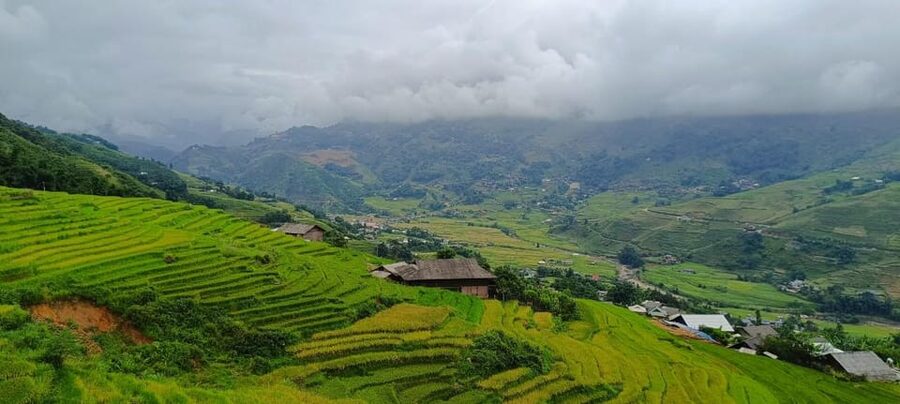
- 9 km of walking (about 4 hours), with breaks built into the village stops
- Y Linh Ho, Lao Chai, and Ta Van as the core route, with time to chat and browse
- Muong Hoa Stream scenery on the way between villages
- English-speaking local guidance that answers practical questions in plain language
- Lunch included at a local restaurant so you’re not hunting food mid-trek
- Small group size (15 max), which makes the experience feel more personal
Why This Half-Day Sapa Trek Works So Well
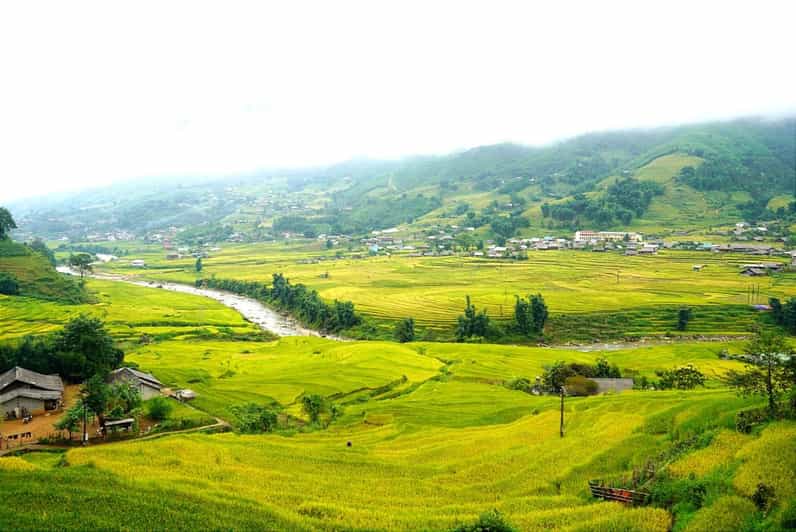
Sapa days can blur together fast. If you only do a short sightseeing loop, you’ll miss the slow details that make this place feel alive. This trek gives you exactly what most people want in northern Vietnam: walking through the hills, then meeting people at village level.
What I like most is the balance. You get big views from the terrace paths, but you also get time in Y Linh Ho, Lao Chai, and Ta Van to understand how daily life looks up close. The stops include guided moments and also free time, so you can move at your pace without feeling herded.
The route also respects your time. It’s half-day style, not an all-day grind, and it fits neatly between morning plans and lunch. You’ll end the trip back in Sapa just before your afternoon gets going.
You can also read our reviews of more tours and experiences in Lao Chai Village.

Meeting Times, Pickup, and the 330 Minutes Reality Check
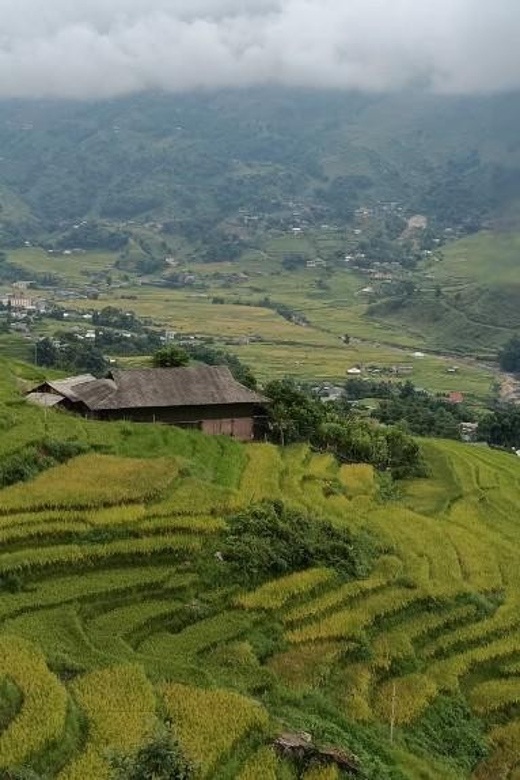
You’ll typically be picked up around 7:45 to 8:00 from your hotel area in Sa Pa (near Stone Church is a common pickup zone). The best move here is to travel light. Bring a small daypack, and keep the heavy stuff at your accommodation.
The walk starts in the morning with a mix of terrace paths and village pathways. The total walking time is about 4 hours, covering roughly 9 km overall. Then a bus picks you up at Ta Van Bridge around 11:30, and lunch lands around 12:00 at a local restaurant.
So, what does 330 minutes feel like? It’s early start, steady walking, short breaks, then food and a clean finish. If you’re the type who gets cranky when the schedule is too long, this time box helps. If you’re the type who wants maximum hiking time, you might wish you had another few hours—especially when the weather clears and the views get better.
Bản Ý Linh Hồ: Terrace Views, Photos, and Village Time
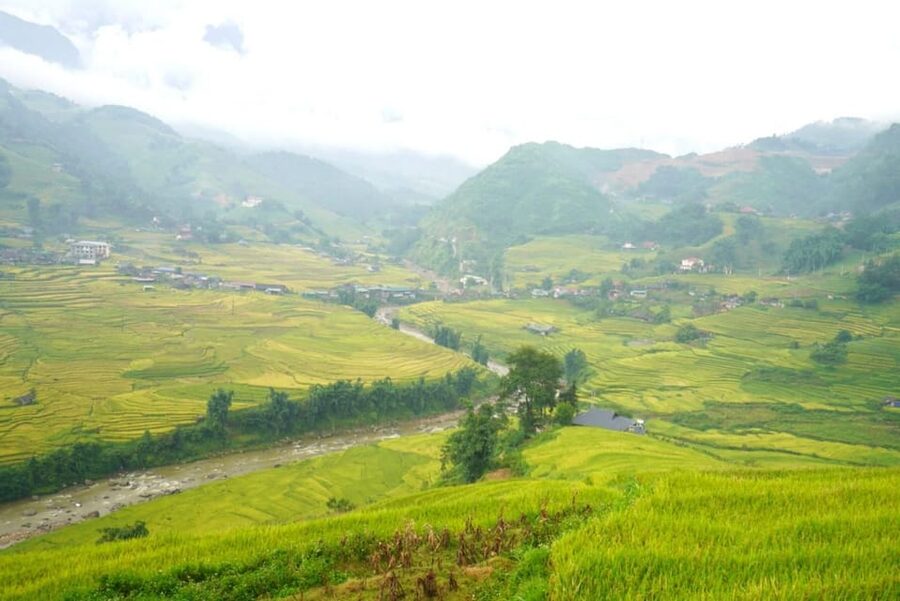
The first village stop is Bản Ý Linh Hồ for about 45 minutes. This is where the day sets its tone. You’ll likely get a guided introduction, a photo stop, and some time to wander and shop.
Why this stop matters: it’s one of the easiest places to see the terrace system as something people actually live with. Instead of just looking from a viewpoint, you’re moving along the working paths. That makes the scenery feel practical, not just scenic.
Expect a mix of short walks, breaks, and guided context. There’s also free time, so you can take photos without feeling like you’re on a strict timeline. On cloudy mornings, you may not catch the full punch of the mountain views right away. If you’ve got patience, the sky can clear later in the trek and you’ll get a stronger payoff as you move onward.
Lao Chải and the Muong Hoa Stream Route to the Black Hmong Village
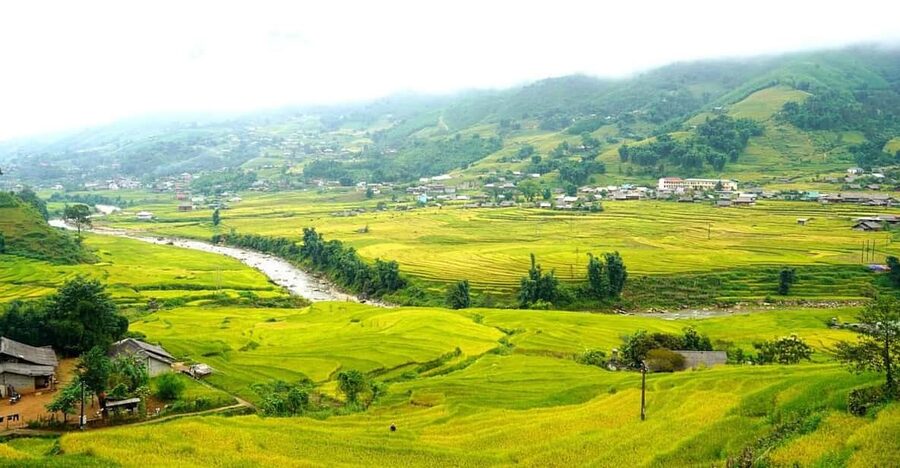
Next comes Lao Chai for about 1 hour. The trekking route follows along the Muong Hoa Stream and heads toward the Black Hmong village of Lao Chai. This is where you start seeing the broader valley rhythm—water nearby, terraces around, and homes dotted across the slopes.
You’ll usually have time for guided touring, photo stops, shopping, and a walk through the village area. One practical note: this section includes paths that can be tricky after rain. Keep your footing calm and slow. A walking pace that feels slightly boring will save you from slips.
This stop is also one of the best places for conversation. You’ll have a chance to talk with local people and get a clearer picture of how the ethnic communities live day to day. If you enjoy asking simple questions—daily routines, school, farming, how people use the land—Lao Chai is where those conversations tend to feel natural.
Ta Van Village: Dzay Culture and Lunch Without the Rush
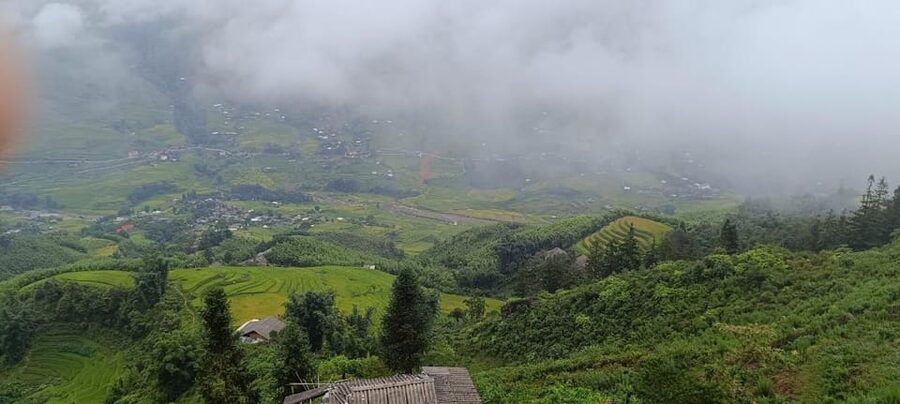
Ta Van is the final village block, with about 2 hours on the ground. Lunch is included here at a local restaurant, and you’ll get a guided tour plus free time after eating.
This part of the day is where you slow down. The trekking is still active, but the Ta Van window gives your body a reset. You’ll likely find it easier to chat after lunch too, since people are more relaxed and you’re not constantly managing wet ground and altitude.
Why Ta Van is a highlight: it’s home to the Dzay ethnic people, and the day’s story shifts from terrace scenery to community life. You’ll also have time to shop and look around. Even if you don’t buy anything, browsing helps you understand local crafts and daily needs.
One heads-up about timing: the bus pickup from Ta Van Bridge happens around 11:30, and lunch is listed around 12:00. That means the day has a built-in rhythm where your last village time is coordinated with the return. Plan your pacing so you don’t feel rushed when it’s time to move.
Terrain, Weather, and Your Footwear Plan
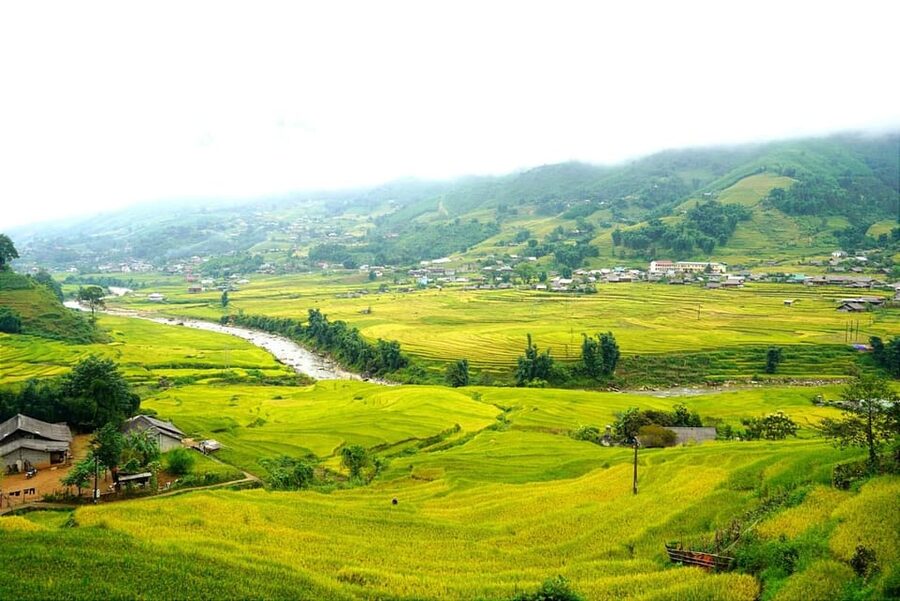
This is not a flat stroll. You’re walking through terrace paths and village routes, and the ground can be uneven. If the day before was rainy, expect sections to become muddy and slippy.
You’ll get the best results with:
- Hiking shoes you’ve already worn in
- Socks you don’t mind getting dirty
- A jacket even if mornings feel mild
- An umbrella (good for mist and light rain)
- Sunscreen and sunglasses because clear breaks can happen
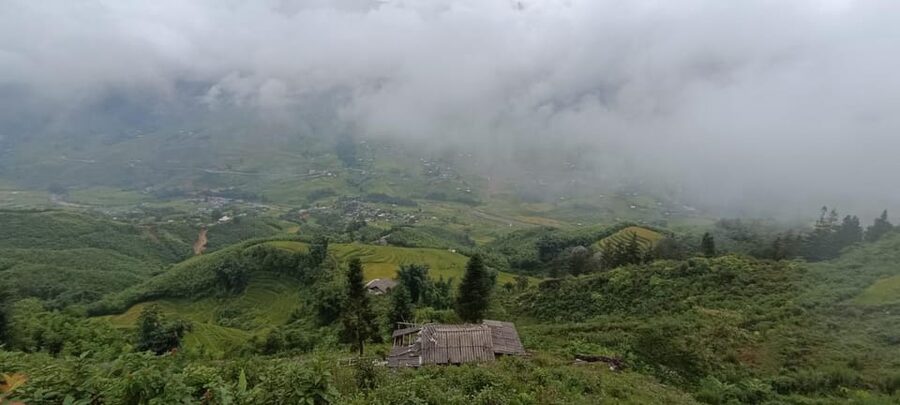
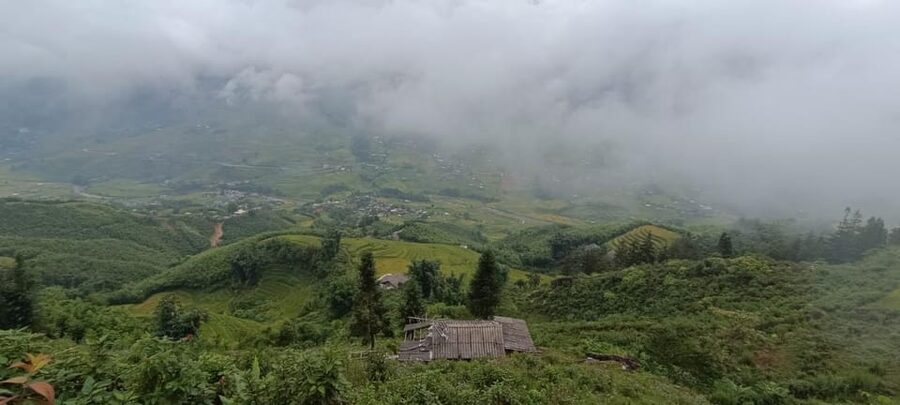
A bit of weather reality: on some days, you might start with cloudy conditions and see fewer mountain views during the first hour. Then the sky opens up and the scenery improves dramatically as you go. If you’re only chasing perfect photos, that can be frustrating. If you’re there to walk and learn, the changing conditions are part of the experience.
And yes, bring extra care for the tricky bits. Some paths can feel narrow. A steady pace beats sprinting for better shots.
Guides, Language, and What Makes the Conversation Work
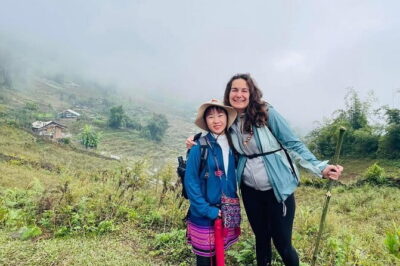
The trip runs with a live guide in English and Vietnamese, and you’ll travel with an experienced local person who can explain what you’re seeing and answer questions. In short: you’re not just walking; you’re getting context.
The guide names from recent experiences you might encounter—Hung, Xoa, and Soso—are a good signal that the team is used to making things understandable. When you ask about terrace work, village life, or daily routines, the guide can connect your questions to what’s around you.
Small group size matters here. With a limit of 15 participants, you’re more likely to get a real back-and-forth conversation rather than listening to someone talk over everyone. It also keeps the pacing more human, especially on uneven trail sections.
Price and Logistics: Is $23 Good Value?
At about $23 per person, this is priced like a real half-day activity, not a luxury tour. You’re paying for more than the walking route.
Here’s what’s included based on the provided details:
- AC bus transport from Lao Chai to Sapa with experienced drivers
- English-speaking local guide in Sapa
- Lunch (meal 1)
- Entrance tickets for the indicated sites
What’s not included:
- Beverages, travel insurance, VAT, personal expenses
So the value question becomes simple: if you were to build your own day, you’d still need transport, a guide (or you’d spend time figuring out the route), and lunch. With lunch already covered, you avoid the mid-trek scramble.
Just remember the small but important gaps: bring cash, and plan to buy drinks separately if you need them. The tour also doesn’t include travel insurance, so if you’re trekking with a bit of risk on muddy ground, make sure you’re covered.
Packing Like You Actually Mean It
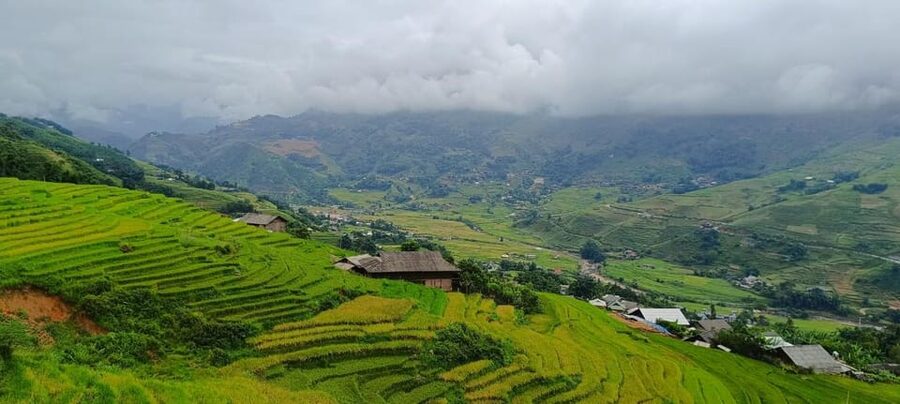
You’ll move from cool morning air to warmer sun once clouds lift. That means your comfort depends on layering.
Bring:
- Hiking shoes
- Sun hat and sunglasses
- Umbrella
- Jacket
- Sunscreen
- Camera
- Drinks
- Cash
Also follow the basic rules: no alcohol and no drugs. Keep it respectful and it makes the day easier for everyone.
One small practical tip: keep your “must grab fast” items accessible. When you stop for photos or quick village looks, you don’t want to be digging through a deep bag.
Who Should Book This Trek (and Who Should Skip It)
This works best for you if:
- You want a culture-meets-views day in Sapa
- You’re comfortable walking about 4 hours on uneven paths
- You like asking questions and talking with local people
- You want a small group experience (15 max)
Skip it if:
- You need wheelchair access (it’s not suitable)
- You don’t handle muddy trails well, even with proper shoes
- You prefer purely paved walking or very short effort days
It’s also a good choice if you’re limited on time. In half a day, you’ll cover the core villages and leave with a more grounded understanding of how people live in this mountain region.
Should You Book This Half-Day Y Linh Ho, Lao Chai, Ta Van Trek?
I think you should book it if you want the Sapa experience that feels like more than a photo stop. The combination of terrace walking, village conversation time, and an included lunch makes the day feel complete without stretching into a full-day commitment.
If you’re prepared for uneven ground and you pack smart (especially shoes, rain gear, and sunscreen), this becomes one of those trips that sticks with you for the right reasons: not just scenery, but people and daily life along the way.
FAQ
FAQ
How long is the whole tour?
The total duration is about 330 minutes, including pickup, trekking, village stops, and lunch.
How long do I trek and how far do I walk?
The trek is about 4 hours and covers roughly 9 km overall.
Which villages will I visit during the walk?
You’ll visit Bản Ý Linh Hồ, Lao Chai, and Ta Van.
Is lunch included?
Yes. Lunch is included at a local restaurant (meal 1).
What does the tour include besides the guide and lunch?
It includes an AC bus from Lao Chai to Sapa, an English-speaking local guide in Sapa, and all entrance tickets to indicated sites.
What should I bring for this trek?
Bring hiking shoes, sunglasses, a sun hat, sunscreen, a jacket, an umbrella, a camera, drinks, and cash.
Is this tour suitable for wheelchair users?
No, it is not suitable for wheelchair users.
How many people are in the group?
The group is limited to 15 participants.
Is the guide available in English?
Yes. The guide speaks English and Vietnamese.