REVIEW · KATHMANDU
Everest Base Camp Luxury Lodge Trek
Book on Viator →Operated by Peregrine Treks and Tours · Bookable on Viator
Everest Base Camp with “luxury” can sound like marketing. Then you see the plan: you fly to Lukla, walk a classic Everest route, and come home with Kalapathar sunrise views plus a softer landing in Kathmandu and lodges along the way. I love the way the operator handles the Kathmandu-to-trek logistics (permits, transfers, flights) and the practical 2:1 porter setup that keeps the weight off your body. The one real consideration is altitude and flight timing—this route climbs fast enough that you still need to take acclimatization seriously.
If you want your Everest trip to feel organized and comfortable without turning it into a theme park, this package makes sense. You’ll also get a full UNESCO day in Kathmandu before you head uphill, so the adventure starts with temples, squares, and stupa time—not just paperwork. Still, you should confirm what “best available lodge” means for your dates and ask about shower and room heating expectations, since warm water and hot showers aren’t listed as included.
In This Review
- Key things I’d book for with this Everest Base Camp Luxury Lodge Trek
- Luxury Everest isn’t about comfort—it’s about removing friction
- What I like about the style of trip you’re getting
- The one drawback to keep in mind
- Price and value: what $3,840 covers (and what it doesn’t)
- What’s included that changes the math
- What’s not included (the stuff you should budget for)
- Flying to Lukla: Ramechhap in peak months and the helicopter add-on
- Kathmandu, then up the mountain: UNESCO day that actually earns its place
- Day 1: arrival, documents, permits, and a welcome dinner
- Day 2: UNESCO Kathmandu + Bhaktapur + big spiritual centers
- The trek route: a day-by-day guide to what each stop feels like
- Day 3: Kathmandu to Lukla, then Phakding (first altitude reality check)
- Day 4: Phakding to Namche Bazaar (pine forest + the Hillary Suspension Bridge)
- Day 5: Namche “buffer day” (short hikes that pay off later)
- Day 6: Namche to Tengboche Monastery (timed for the doors to open)
- Day 7: Tengboche to Dingboche (alpine forest + Sherpa villages)
- Day 8: Dingboche acclimatization hike (views day with a planned downshift)
- Day 9: Dingboche to Lobuche via Thukla Pass (memorial stupas and effort)
- Day 10: Lobuche to Gorakshep + Everest Base Camp day (glacier views, slow pace)
- Day 11: Kalapathar sunrise, then back down to Pheriche
- Day 12: Pheriche to Namche Bazaar (descent that still counts)
- Day 13: Namche to Lukla (last day in the Everest region)
- Day 14: Lukla to Kathmandu (free time that helps your brain reset)
- Day 15: final airport transfer
- Lodges, meals, and the porter system: where “luxury” shows up day to day
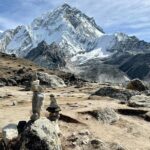
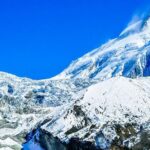
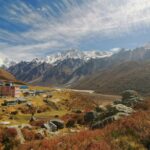
- Peaks, parks, monasteries: what you’ll likely remember most
- Who should choose this trek, and who should adjust expectations
- Practical planning tips before you go
- Should you book the Everest Base Camp Luxury Lodge Trek?
- FAQ
- What does airport pickup and drop include?
- How long is the Everest Base Camp Luxury Lodge Trek?
- Is the Kathmandu city tour included?
- Are permits included?
- What flights are included?
- Do I need travel insurance?
- What trekking support is provided?
- Are meals included during the trek?
- Do I need a Nepal visa?
- Can I cancel and get a refund?
Key things I’d book for with this Everest Base Camp Luxury Lodge Trek
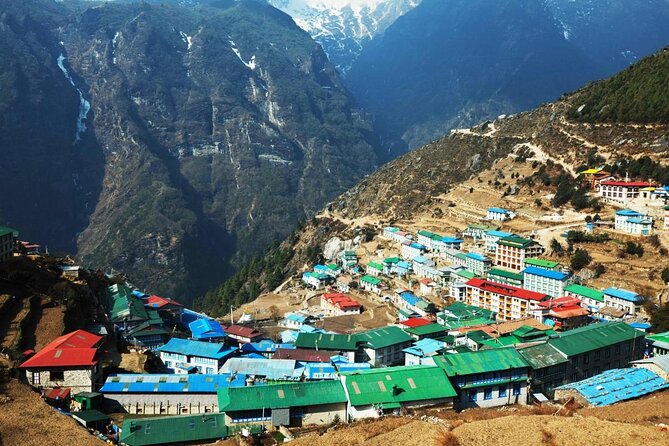
- Comfort-forward trekking: solid lodge stays during the trek plus an upscale hotel base in Kathmandu.
- Real acclimatization rhythm: rest days and short hikes at Namche and Dingboche to reduce altitude risk.
- Kalapathar sunrise day: a moderately steep hike timed for early views over Everest’s big neighbors.
- Kathmandu UNESCO full day: Durbar Square, Pashupatinath, Swayambhu, Boudhanath, plus Bhaktapur.
- Lukla flight realities handled: you route through Ramechhap in peak seasons when direct flights aren’t available.
- Paperwork and permits covered: TIMS and trekking permits are included, so you spend less time chasing forms.
Luxury Everest isn’t about comfort—it’s about removing friction
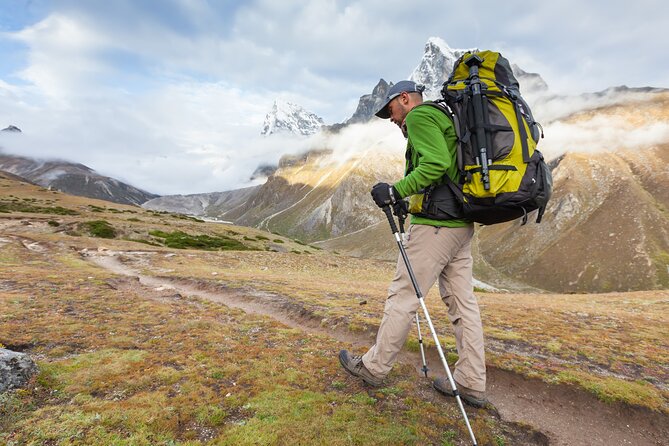
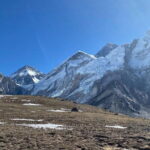
The big promise of the Everest Base Camp Luxury Lodge Trek is simple: you still do the breathing-in-at-altitude work, but you don’t have to run the logistics. Your days are built around the classic Everest trail—Phakding, Namche Bazaar, Tengboche, Dingboche, Lobuche, Gorakshep, Everest Base Camp, and Kalapathar—then you descend the same way.
Where “luxury” shows up is in the setup. You’re not stuck in hostel-style scramble mode. The trek includes “best available lodge” during your hiking days, and Kathmandu has 3 nights at The Everest Hotel. Add in airport transfers in a private air-conditioned vehicle, a guide on hand, and a porter system, and the trip feels smoother from Day 1 to touchdown in Kathmandu.
You can also read our reviews of more tours and experiences in Kathmandu.
What I like about the style of trip you’re getting
Two parts feel especially well thought out for real humans, not just fit hikers:
1) The porter ratio is practical.
A 2:1 porter-to-trekker arrangement means your daypack can stay focused on essentials while someone else handles most of the weight.
2) You get structured acclimatization, not “good luck.”
Namche and Dingboche get planned breathing space. That matters because this route reaches high elevations quickly, and altitude isn’t something you can power through with determination alone.
The one drawback to keep in mind
This plan includes flights to Lukla (or Ramechhap-to-Lukla in certain seasons). Weather can affect Himalayan flying schedules, and the trek still depends on getting to Lukla on time. You’ll want to treat the itinerary as a plan, not a guarantee, even though the operator clearly tries to keep things organized.
Price and value: what $3,840 covers (and what it doesn’t)
At $3,840 per person for about 15 days, you’re paying for more than just walking. What’s included is the expensive stuff and the stuff that usually creates headaches.
What’s included that changes the math
From the included list, the value comes from coverage like:
- Airport pickup and drop in a private air-conditioned vehicle
- Kathmandu (Ramechhap) – Lukla – Kathmandu (Ramechhap) flights
- A full day guided UNESCO Kathmandu tour in a comfortable private vehicle
- An experienced English (or other language) guide
- Porters in a 2:1 ratio
- All necessary permits and TIMS
- First-aid medical kit or necessary normal medicine
- Trek staff salaries, insurance, accommodation, and food (so you’re not paying hidden extras for labor)
- A few tangible trek extras: a trekking bag/duffel, t-shirt, achievement certificate, and a trekking map
On top of that, the trek meal coverage is straightforward: breakfasts, lunches, and dinners in standard restaurants during the trek, with seasonal fruits included.
What’s not included (the stuff you should budget for)
The not-included list is also important because it affects your comfort budget on the trail:
- Nepal entry visa fee
- International airfare and airport taxes
- Alcoholic drinks and other personal drinks
- Hot and cold showers and charging costs aren’t included (camera battery charging is mentioned as personal expense)
- Travel insurance is called out as essential, especially with emergency evacuation coverage up to 5500+ meters
- Personal trekking gears
If you price this out for yourself, the deal gets better when you already know you want guide + permits + flights + porter support. If you’re a DIY budget trekker, this price will feel high—but if you want Everest with fewer moving parts, it starts to look fair.
Flying to Lukla: Ramechhap in peak months and the helicopter add-on
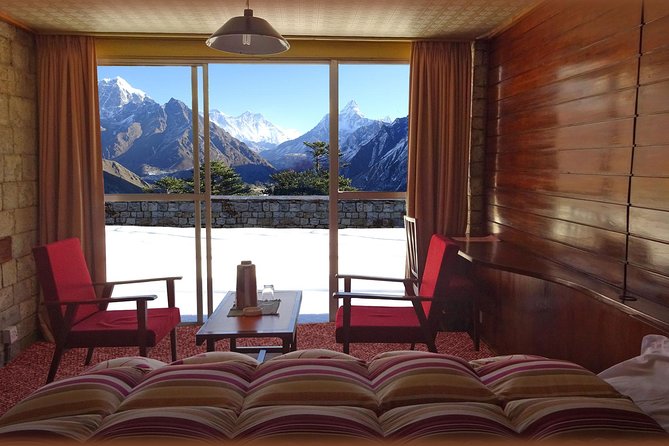
Day 3 and Day 14/15 revolve around getting in and out of Lukla. That’s where a lot of Everest trips go sideways.
Here’s the key logistical detail: during peak seasons like April, May, October, and November, flights to Lukla may depart from Ramechhap because direct flights aren’t available in those months. The itinerary also notes a 5-hour drive from Kathmandu to Ramechhap.
If weather or schedule becomes a problem, the plan lists helicopter services as an add-on for USD 300. That doesn’t erase risk, but it signals they’ve thought about contingency options.
Practical tip for you: when booking, keep your “margin days” mindset. Even with planning, Himalayan flights can shift. If your calendar is tight, it’s worth asking how they handle flight delays in your specific travel window.
Kathmandu, then up the mountain: UNESCO day that actually earns its place
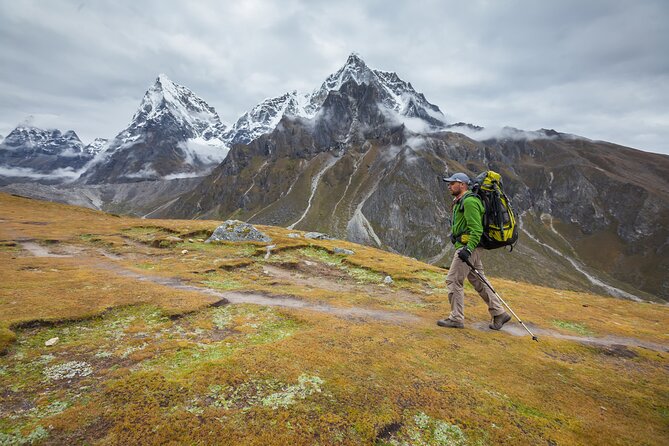
Before the trekking starts, you spend real time in Kathmandu’s major spiritual sites. This isn’t just a quick photo stop run.
Day 1: arrival, documents, permits, and a welcome dinner
On arrival, you’ll get escorted to your hotel, and the operator collects documents and manages permits and tickets. You can also browse the market area and pick up any gear you forgot. The day ends with a welcome dinner and an introduction to your guide, including an overview of how the trek will run.
Day 2: UNESCO Kathmandu + Bhaktapur + big spiritual centers
Your full guided day includes:
- Bhaktapur Durbar Square (with the Palace of 55 Windows)
- Pashupatinath Temple on the Bagmati River
- Boudhanath Stupa and its surrounding Tibetan Buddhist hub vibe
- Plus Kathmandu stops like Durbar Square, Swayambhunath (Monkey Temple), and Buddhanath (Boudhanath area is already included, but the plan lists the stupa as a major part)
A useful note: the main Pashupatinath temple area is off-limits to non-Hindus, but you can still observe the compound from afar. That helps you avoid the awkward “do we go in?” moment.
This UNESCO day matters because it sets context. When you’re later walking Sherpa villages and monasteries, you’ll already understand why the religious architecture is so central to daily life in this region.
The trek route: a day-by-day guide to what each stop feels like
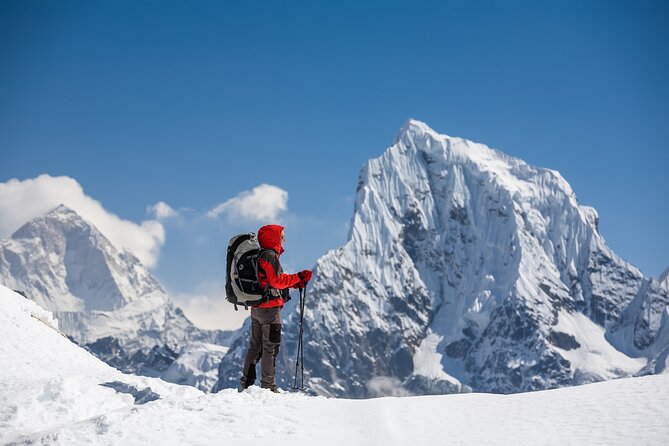
Let’s walk through the journey in a way that helps you picture the workload and why each day exists.
Day 3: Kathmandu to Lukla, then Phakding (first altitude reality check)
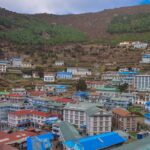
The trek begins with an early flight to Lukla, then a walk toward Dudhkoshi Ghat. You pass through Chaurikharkha village and reach Phakding (2,652m/8,300ft).
This day is long on travel time but often manageable on foot. You get your first big Himalayan silhouettes, including a view of Mt. Khumbila, described as revered and unconquered. Your lodging is planned at Sherpa Shangrila Resort or a similar upscale hotel.
Day 4: Phakding to Namche Bazaar (pine forest + the Hillary Suspension Bridge)
Today you walk through pine forest and follow the Dudh Koshi riverbank. You cross the Hillary Suspension Bridge, and as you enter Sagarmatha National Park, the plan mentions chances to see wildlife like red panda, Himalayan bear, and Himalayan thar.
Then comes the big Namche climb: steep enough to make your legs talk, but paired with views and places to catch your breath. You sleep at Namche Hotel or a similar hotel.
Day 5: Namche “buffer day” (short hikes that pay off later)
Instead of pushing higher every single day, you get flexibility. You can choose a short village exploration day, an early sunrise stroll, or a side trip to Khumjung village.
The Khumjung option includes a stop at the Edmund Hillary School and a monastery rumored to house a yeti scalp. Even if you’re skeptical about that legend, it’s still a meaningful cultural stop because it shows how stories and identities travel alongside religion.
You stay at Khumbu Lodge or a similar accommodation option.
Day 6: Namche to Tengboche Monastery (timed for the doors to open)
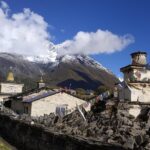
This is an uphill day through steep terrain, riverbanks, and forest paths. Your destination is Tengboche Monastery, described as the largest monastery in the Everest region.
The schedule detail you’ll want to remember: the monastery typically opens at 3:00 PM, and the plan aims for you to arrive around that time. That timing can make a difference if you care about entering the compound and seeing it lit up later in the day.
Overnight: Rivendell Lodge.
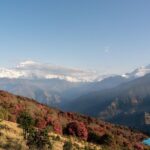
You’ll also get wide views—Ama Dablam and Thamserku are specifically called out.
Day 7: Tengboche to Dingboche (alpine forest + Sherpa villages)
The trail moves through conifer and rhododendron. You pass Sherpa villages like Debuche and Pangboche, with a short hike to Pangboche Monastery, one of the region’s older monasteries.
Then you cross the Imja and Lobuche rivers and reach Dingboche (4,360m/14,300ft). The area is known for barley, potato, and buckwheat fields, plus grazing animals.
Overnight: Good Luck Hotel.
Day 8: Dingboche acclimatization hike (views day with a planned downshift)
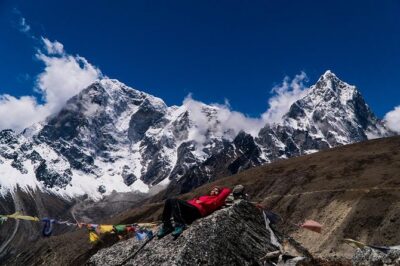
This is the big “your body needs this” day. You hike up to the ridge behind the village for views of Mt. Lhotse, Mt. Makalu, Mt. Cho Oyu, and other peaks like Cholatse and Taboche. Lobuche West, Lobuche East, and Lhotse dominate the Khumbu Khola valley in that direction.
Then you walk back down slowly to Dingboche. That rhythm—go up, then return—helps reduce altitude stress for the days that follow.
Day 9: Dingboche to Lobuche via Thukla Pass (memorial stupas and effort)
You start with breakfast, then move gently toward the Pheriche valley. The route includes alpine vegetation and views of Tawoche and Cholotse peaks.
After reaching Thukla for lunch, you tackle the hardest segment: ascending to the top of Thukla pass. This pass includes memorial stupas honoring climbers and trekkers who lost their lives. It’s one of the moments that brings the Everest story into focus—especially if you’ve been treating it like an Instagram checklist.
Then you continue a few hours to Lobuche, staying at New EBC Lodge or similar.
Day 10: Lobuche to Gorakshep + Everest Base Camp day (glacier views, slow pace)
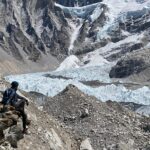
From Lobuche, you hike toward Gorakshep, dropping backpacks and switching to day-hike packs. You then slowly ascend toward Everest Base Camp and pass the top of the Khumbu Glacier, catching an early glimpse of the Khumbu Icefall.
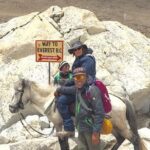
The plan puts you at the foot of Mt. Everest at 5,364m. This is a big altitude jump day, so the itinerary emphasizes steady pacing to reduce risk of Acute Mountain Sickness. That advice matters: in this kind of luxury trek, the “luxury” isn’t that you feel better—it’s that you have the support to keep your pace smart.
Day 11: Kalapathar sunrise, then back down to Pheriche
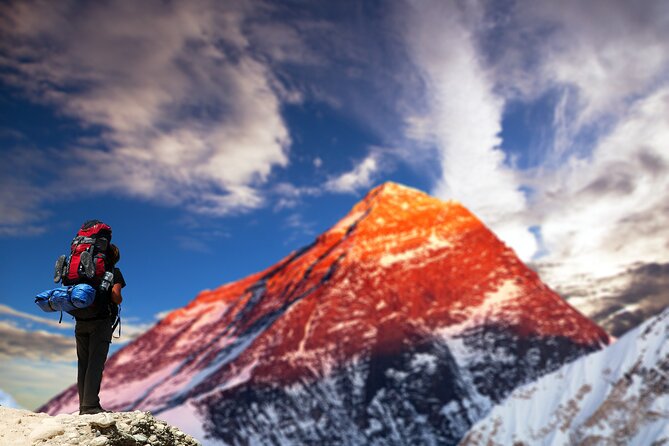
This day is all about the early payoff. You wake up to hike for Kalapathar sunrise, a viewpoint famous for views of Mt. Everest and neighboring peaks.
After sunrise, you return to Gorakshep for lunch, then descend gradually to Pheriche for the night.
If you’re the type who hates waking up early even in hotels, you’ll still have to do it. The good part is that the hike is planned as a “moderately steep” path for sunrise timing, not a chaotic scramble.
Day 12: Pheriche to Namche Bazaar (descent that still counts)
You walk back through rhododendron, juniper, and pine forests, crossing the Dudh Koshi River again. Wildlife might show up again—mountain goats and pheasants are specifically mentioned.
Then you reach Namche Bazaar and celebrate the win. You stay at Khumbu Lodge for the night.
Day 13: Namche to Lukla (last day in the Everest region)
You retrace familiar steps past the Hillary Suspension Bridge, Sherpa villages, and monasteries to reach Lukla. Your final night in the Everest region includes a mini party to mark the end of the trek.
Day 14: Lukla to Kathmandu (free time that helps your brain reset)
You fly early from Lukla to Kathmandu. Then you have time to explore at your own pace while your guide remains available for short day trips or shopping.
You end with a farewell dinner, so you can compare notes with your guide and team.
Day 15: final airport transfer
After you touch base on your flight details, staff accompany you to Tribhuwan International Airport.
Lodges, meals, and the porter system: where “luxury” shows up day to day
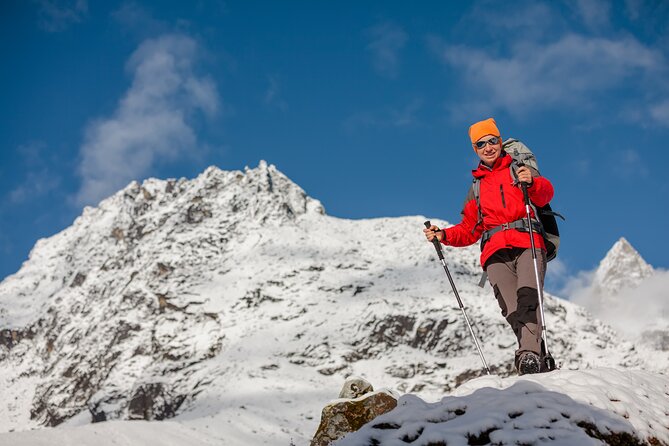
On the trek, you’re dealing with small rooms, cold air, and simple food by mountain standards. This package doesn’t promise five-star mattresses, but it does aim for “good lodges” and standard restaurant meals you can count on.
A few details you’ll want to know:
- Meals are included during the trek: breakfast, lunch, dinner (listed as included)
- You can expect seasonal fruits
- Hot water and showers are listed as not included, so plan for basic facilities
- Alcohol and drinks are personal expenses
The porter setup is a major value lever. With porter support in a 2:1 ratio, you can keep a small daypack for water, layers, snacks, and your camera. That’s where comfort actually matters on a mountain: less carry weight, less fatigue, better ability to enjoy views instead of fighting your bag.
Peaks, parks, monasteries: what you’ll likely remember most
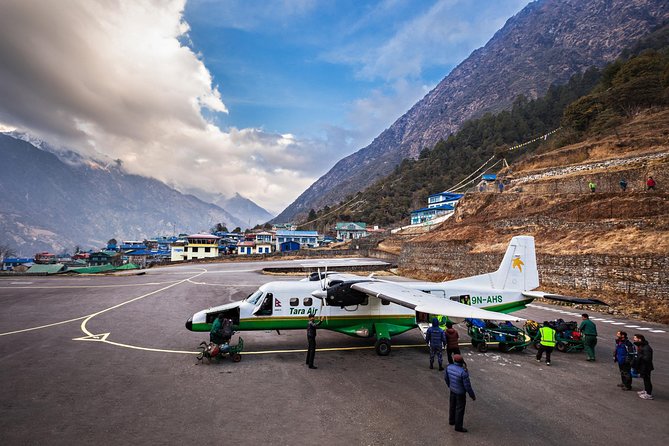
This route is built to keep the big views coming, even if clouds roll in. The plan calls out:
- Big Everest neighbors you’ll see across the trek: Mt. Everest, Mt. Lhotse, Mt. Cho Oyu, Mt. Makalu
- Other major peaks: Ama Dablam, Thamserku, Khumbila, Taboche, Cholatse, and Lobuche East/West
- The protected Sagarmatha National Park with mentions of wildlife chances as you enter
Then you have the spiritual anchors. Monasteries at Tengboche and Pangboche give you a break from the physical effort and a chance to notice the Sherpa rhythm of daily life—prayer flags, stone walls, and quiet religious space. Even if your main goal is Everest Base Camp, these moments help the trek feel human.
Who should choose this trek, and who should adjust expectations
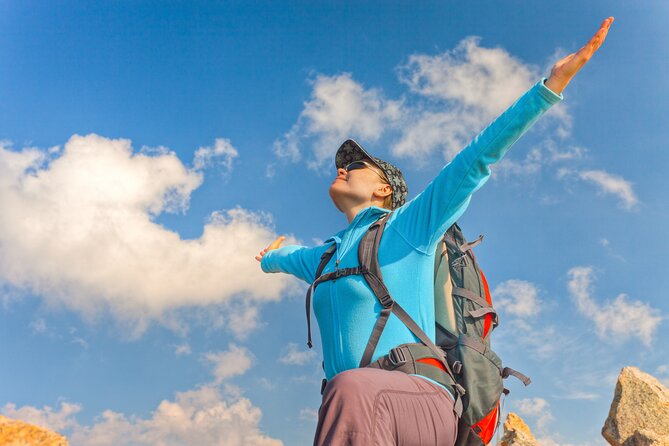
This trek lists “moderate physical fitness” and is paced with acclimatization days. It fits people who want the standard EBC route with more support and better overnight comfort.
From the trip’s own track record, it also seems friendly to mixed-age groups; one example described a group with an average age around 55, with some members doing the full trek and others shortening it. That hints at a flexible mix of abilities as long as you’re realistic about the day lengths and altitude.
If you’re extremely budget-minded, you might not feel the “luxury” difference worth the cost. If you’re a first-time Everest trekker, or you just want the operator to handle permits, flights, and guides so you can focus on breathing and walking, this is the right style.
Practical planning tips before you go
A few last things you can control that will make the trek smoother:
- Buy real travel insurance with emergency evacuation coverage for high altitude. The itinerary explicitly flags it as essential for trekking up to 5500+ meters.
- Plan for cold: hot showers aren’t included, so pack for mountain hygiene and warmth.
- Go slow on altitude days. The itinerary already calls out steady pacing for sickness prevention; treat that as non-negotiable.
- Bring some Kathmandu-to-trek supplies after your arrival day. The plan gives you time to buy needed equipment in the local market.
- Keep your camera charging simple. Charging is listed as personal expense, so bring what you need and manage your power.
Should you book the Everest Base Camp Luxury Lodge Trek?
I’d book it if you want Everest Base Camp and Kalapathar but you prefer an organized, comfort-forward plan. The best reasons are the things that reduce friction: permits handled, guide included, porter support, private transfers, and a Kathmandu setup that doesn’t feel like a scramble.
I’d hesitate if your biggest priority is saving money, or if you have a schedule that can’t bend at all due to Lukla flight timing. This trek still lives in the real world of mountains and weather, even when logistics are handled well.
If you’re balancing comfort with authenticity, this one hits a sweet spot: classic Everest trail, real monasteries and national park walking, and just enough lodge comfort to keep your energy for the views.
FAQ
What does airport pickup and drop include?
The package includes airport pickups and drops in a fully air-conditioned private vehicle.
How long is the Everest Base Camp Luxury Lodge Trek?
It’s listed as 15 days (approx.).
Is the Kathmandu city tour included?
Yes. A full day guided Kathmandu city tour is included, using a comfortable private vehicle, with UNESCO World Heritage sites on the itinerary.
Are permits included?
Yes. All necessary permits and TIMS are included.
What flights are included?
The package includes Kathmandu (Ramechhap) – Lukla – Kathmandu (Ramechhap) flights.
Do I need travel insurance?
Yes, travel insurance is listed as essential, and it should include emergency evacuation coverage while trekking up to 5500+ meters.
What trekking support is provided?
An experienced guide is included, and there is porter support in a 2:1 ratio. A first-aid medical kit or necessary normal medicine is also included.
Are meals included during the trek?
Yes. Breakfast, lunch, and dinner are included during the trekking days in standard restaurants as per your choice.
Do I need a Nepal visa?
Nepal entry visa fee is not included. The data says you can get a Nepal visa upon arrival at the airport.
Can I cancel and get a refund?
You can cancel up to 6 days in advance of the experience for a full refund.