REVIEW · ANCHORAGE
From Anchorage: Chugach State Park Guided Alpine Trek
Book on GetYourGuide →Operated by Go Hike Alaska · Bookable on GetYourGuide
Five hours in the Chugach feels like another world. I love the expert guide who points out alpine plants and explains how this tundra-and-ridge world works, and I love the sweeping views back toward Anchorage and Cook Inlet from the ridgeline. One consideration: this is not a casual stroll, with steep, hilly sections and a pace that expects you to be comfortable on uneven terrain.
You’ll meet your group in downtown Anchorage, ride out by minivan, then spend the day hiking through treeless tundra. The best part is the balance: big scenery plus small details, from “watch your footing” ridgeline hiking to learning what you’re seeing with guides like Eli, Brit, and Rebecca—each bringing a clear mix of safety, plants, and nature talk.
In This Review
- Key Things to Know Before You Go
- How This Guided Chugach Alpine Trek Plays Out in 5 Hours
- Ridgelines, U-Shaped Valleys, and the Anchorage-to-Cook-Inlet Views
- Naturalist Lessons: Alpine Forest and Tundra Plants You Can Touch
- Wildlife Spotting: Bears, Dall Sheep, Marmots, and Bald Eagles
- Gear, Pace, and Fitness: What You Need to Bring
- Price and What $179 Really Buys You in Anchorage
- What You’ll Learn That Stays With You After the Hike
- Who Should Book This Trek and Who Should Skip It
- Should You Book This Guided Alpine Trek from Anchorage?
- FAQ
- How long is the Chugach State Park Guided Alpine Trek?
- Where do I meet for the Anchorage trek?
- Does the price include transportation?
- What group size should I expect?
- Is the hike guided by a naturalist or expert?
- What wildlife might we see?
- What should I bring?
- Are backpacks and trekking poles provided?
- What is the cancellation policy?
- Is this tour suitable for people with mobility or respiratory issues?
Key Things to Know Before You Go
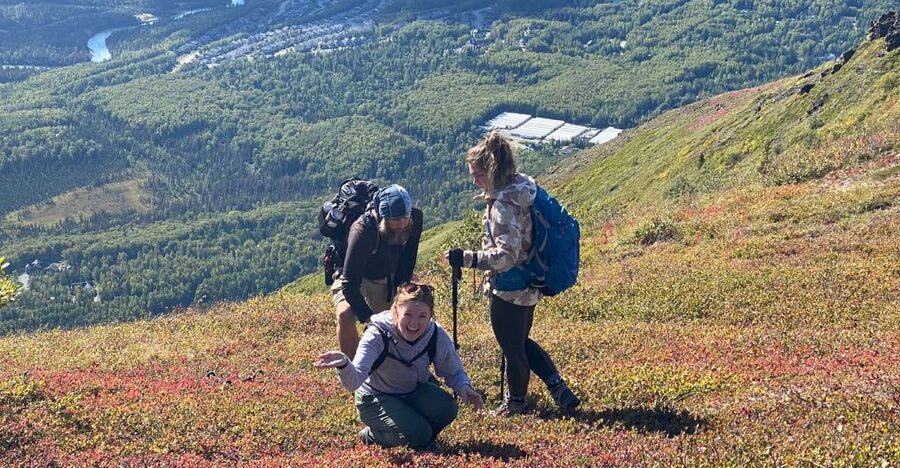
- Treeless tundra hiking: You’ll walk through a vegetation-rich alpine environment you can touch and observe up close.
- Panoramic Anchorage-and-tnterland views: Expect deep glaciated valleys and giant ridgelines, with a shot at seeing Mt. Denali on a clear day.
- Small group pace (up to 12): Easier to hear explanations and keep together without feeling rushed.
- Wildlife spotting focus: You’ll look for bear, Dall sheep, marmots, and bald eagles, plus other local mammals and birds.
- Optional gear support: Backpack and trekking poles are available on request, and water plus snacks are included.
How This Guided Chugach Alpine Trek Plays Out in 5 Hours
This is a classic guided alpine hike designed to feel efficient and rewarding. You start with a simple rhythm: meet in town, ride out together, hike as a group with frequent stops for views and learning, then return for an easy transfer back.
Here’s the typical flow you can expect:
First, you’ll meet at the William A Egan Civic & Convention Center area in Anchorage. This is a practical setup because you can drive in and use nearby parking garages if you need them. Then you’ll hop into a minivan for the transfer to the trailhead. That ride matters because it gets you from city to alpine fast, without burning energy before you even start walking.
Once you’re on the trail, the day becomes the point. You’ll hike through treeless terrain in Chugach State Park, moving over rolling ground that can be steep and hilly in parts. The guide keeps the outing active but not chaotic, with “stop and look” moments built in so the scenery doesn’t turn into a blur.
As you go, you’ll get naturalist-style interpretation, not just directions. That means you’ll learn what kind of alpine forest and tundra environment you’re walking through, and you’ll hear why plants and animals thrive here even when conditions look harsh.
Then, after the hiking portion, you head back to the bus for the transfer into central Anchorage. It’s the kind of day structure that works well if you don’t want to plan logistics, route-finding, and timing on your own.
You can also read our reviews of more tours and experiences in Anchorage.
Ridgelines, U-Shaped Valleys, and the Anchorage-to-Cook-Inlet Views
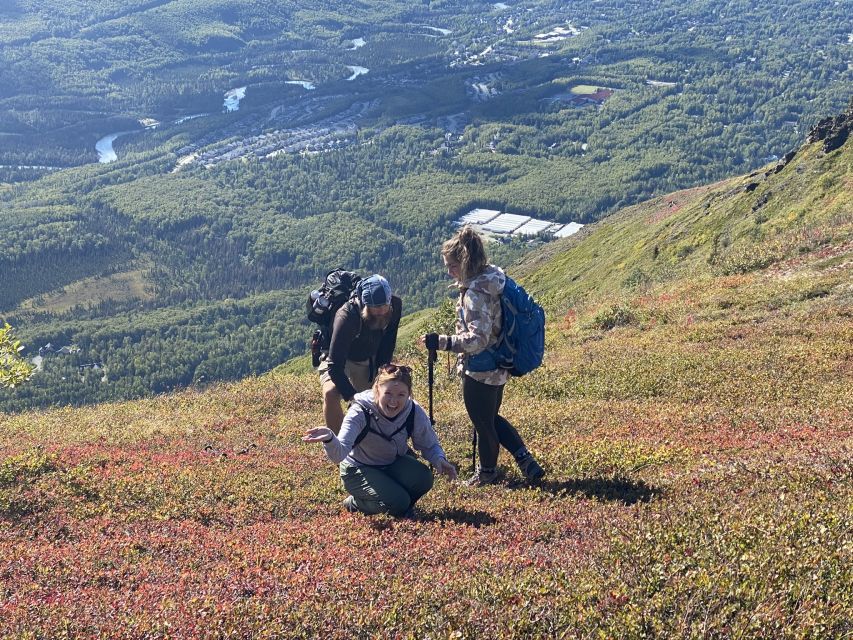
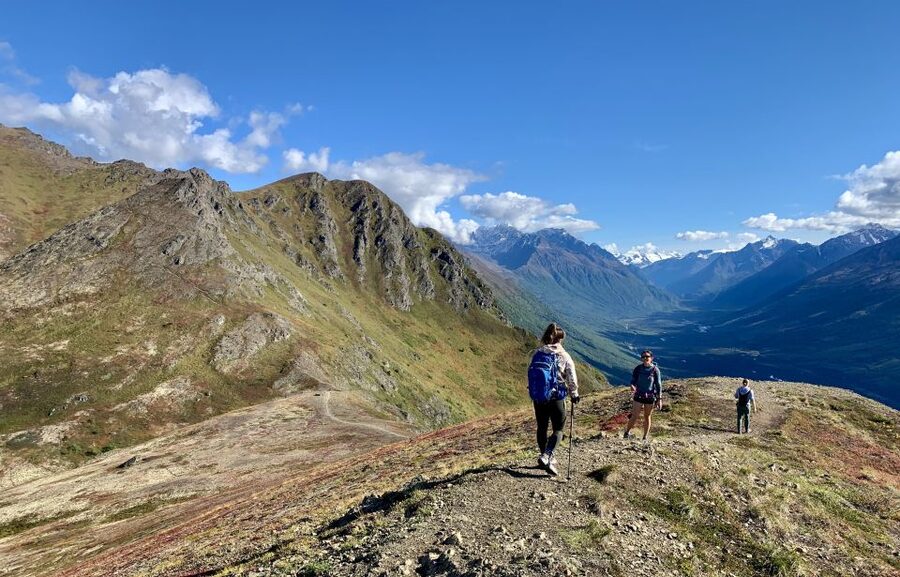
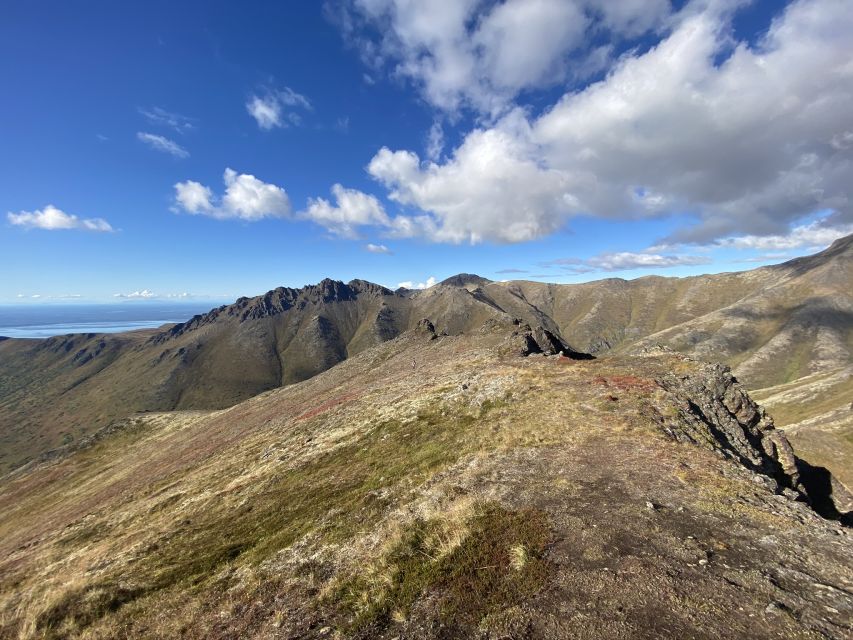
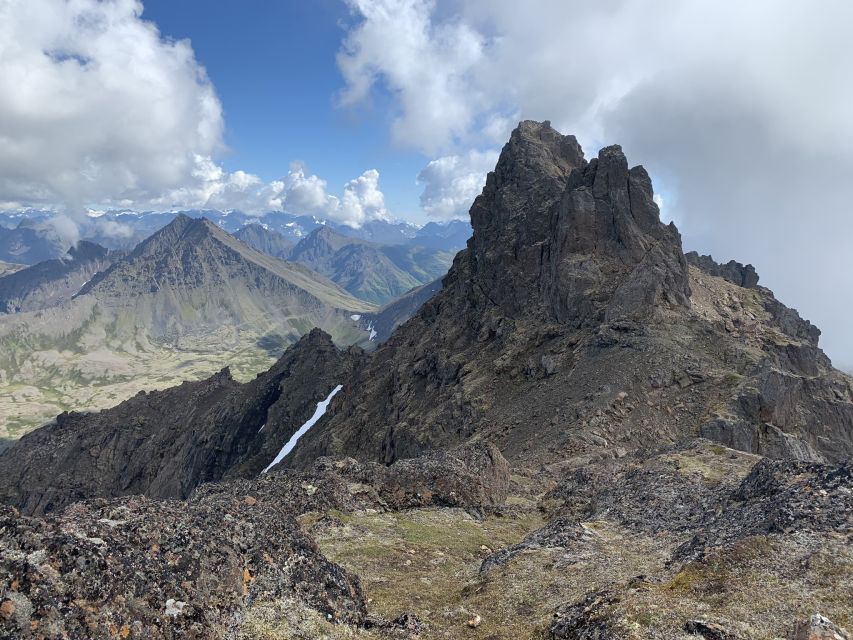
The Chugach is famous for dramatic shape, and this trek uses it well. You’ll be trekking one of the park’s finest ridgelines with big payoff views—back toward Anchorage and out toward Cook Inlet, plus the interior of the Chugach Mountains.
One of the standout things to look for is the way glaciers carved the region. Your guide will point out deep glaciated, U-shaped valleys and giant ridgelines. Even if you’ve never studied glacial geology, you’ll feel it in your legs and your eyes: wide valleys, steep walls, and terrain that keeps funneling your sightline toward the next bend.
On clear days, you may also catch sight of Mt. Denali from far away—hundreds of miles, according to the tour’s description. You don’t control weather, of course. But you can control your readiness: camera handy, sun protection on, and a little patience for the clouds to break.
If you’re wondering what “one of the finest ridgelines” feels like in real life, reviews give you a hint. Some routes include viewpoint areas like O’Malley Peak or similar “Baldy”-type summits, depending on conditions and group pace. Either way, the goal is the same: put you on a ridge where the terrain opens up and the views stay panoramic, not just scenic.
Naturalist Lessons: Alpine Forest and Tundra Plants You Can Touch
This is where the tour gives you more than photos. You’re not only walking through Alaska—you’re learning how this environment works at your level.
The guide teaches about Alaska’s alpine forest and tundra environment, with a focus on flora and how plants survive. You’ll have plenty of stops to enjoy the scenery while the guide explains what you’re looking at in practical terms.
A couple things stand out from the way guides teach on this trek:
- They point out plants as you walk, so you don’t feel stuck listening the entire time.
- They focus on what matters outdoors—how plants relate to the land and season, not just names.
- In reviews, guides like Eli have shared explanations that include geology and even tectonic-plate context, which helps you understand why the ridges and valleys look the way they do.
There’s also a specific touch factor. The tour description says you’ll move through tundra loaded with vegetation you can touch, taste, and feel. That’s rare in many hikes, where you’re told to keep your distance from everything. Here, you’re learning in a hands-on way—so you’ll want to listen carefully to the guide’s cues and safety instructions, especially if anything seems new or unusual to you.
If you like nature interpretation that feels grounded rather than academic, this is likely your style.
Wildlife Spotting: Bears, Dall Sheep, Marmots, and Bald Eagles
Wildlife is part of the pitch here, but it’s handled realistically: you’ll be on the lookout, not expecting guarantees. The tour description highlights the chance to see bear, Dall sheep, marmots, and bald eagles, and it also lists other possibilities like moose and mountain goats. Birds you might see soaring overhead include thrushes, chickadees, and jays.
What I like about a guided approach is that you’re not guessing where to look or how to react. Reviews underline that the guides are prepared and focused on safety. One guest specifically called out that Eli was prepared about bear situations and helped the group feel safe.
That safety mindset is important because wildlife sightings often come with uncertainty. You might see tracks, you might hear something first, and the animal might be far away and still moving. Having a guide who knows how to interpret the environment reduces stress and keeps you out of trouble.
Also, note the small-animal angle. The tour description calls out reclusive small mammals like arctic squirrels and marmots. On a ridge hike, those sightings can be fleeting—sometimes just a quick movement—so the guide’s habit of pointing out “look right here” moments can make a real difference.
Practical tip: bring sunglasses and keep your attention wide. On a ridgeline, the best signs can be overhead (raptors) or at the edges of vegetation.
Gear, Pace, and Fitness: What You Need to Bring
Let’s talk effort. This is rated best for people who have some hiking experience or are already in good physical condition. The tour also sets an expectation for walking ability: participants should be able to walk at least 8 miles on flat pavement, or 5 miles of uneven rolling terrain over the course of 4 hours.
And even if the trail sounds doable, the description also warns that parts are steep and hilly, which adds stress in areas that level paths don’t hit as much. If you’ve only done easy trails lately, consider this a “build-up” hike rather than a first try.
What to bring is straightforward and very Alaska-ready:
- hiking shoes
- sunglasses and sun hat
- sunscreen
- insect repellent
- camera
- weather-appropriate clothing
You’ll also benefit from thinking like an Alaskan: even on a great day, conditions can change fast. The tour emphasizes weather-appropriate clothing, and that’s the right call because ridgelines can be exposed.
Gear you might get help with:
- A backpack is available upon request.
- Trekking poles are available upon request.
If you’re not sure about poles, you can still hike without them, but poles can help on uneven or steep sections. Ask when you’re preparing for the tour so you’re not improvising halfway through.
Finally, don’t ignore the “not suitable for” notes if they apply to you. People with back problems, mobility impairments, heart problems, respiratory issues, wheelchair users, or low level of fitness are advised not to take this hike. If that’s you, you’ll be happier choosing an easier option or a different activity designed for your needs.
Price and What $179 Really Buys You in Anchorage
At $179 per person for a 5-hour outing, the headline cost is not “cheap.” But the value is in what’s included and what you’re paying to avoid.
Here’s what you get:
- transportation from downtown Anchorage
- an expert hiking guide
- water and snacks
- small group size (limited to 12)
- optional backpack and trekking poles
Also, you get the convenience of starting from a central meeting point (in front of the William A Egan Civic & Convention Center). That means you’re not coordinating shuttles or figuring out trail access after you arrive in town.
So what are you really paying for? In plain terms, you’re paying for:
- a competent guide who manages pace and safety
- interpretation (plants, tundra environment, wildlife awareness, and sometimes geology context)
- a “route guided” experience where you can focus on walking and looking instead of navigating
If you like outdoor days where you learn something and you don’t feel like you’re taking all the risk yourself, this price starts to make sense quickly. If you’re already a confident navigator, don’t need instruction, and just want a self-led walk, you might compare alternatives. But for most visitors, paying for local expertise is what turns a hike into an experience.
One more value point: the group size. With a cap of 12, you’re less likely to be stuck behind someone slowing down or separated from the guide when wildlife or views matter.
What You’ll Learn That Stays With You After the Hike
A good guided hike changes how you see a place afterward. This one leans hard on interpretation, so you’ll likely take home a few clear mental images: ridgelines shaped by glaciation, tundra plants adapted to cold and exposure, and wildlife that uses the terrain in specific ways.
From the guide styles described in reviews, you can also expect a mix of topics. Eli is described as bringing lots of fun facts, with special interest in geology, local plants, and wildlife. Rebecca is noted for slowing pace when needed and teaching about vegetation without turning it into a race. Brit is praised for being great on the hike and adjusting the day when timing allowed an extra stop like Barbara Falls.
That kind of guiding matters because it means the hike adapts to you, not just the schedule. It also means you’re getting context while you’re physically moving through the setting, not afterward in a classroom.
Who Should Book This Trek and Who Should Skip It
Book it if you want:
- a guided alpine day in Chugach State Park from Anchorage
- ridgeline views with lots of stops (not a “power through and go home” hike)
- a naturalist-style explanation of alpine plants and the tundra environment
- help with wildlife awareness and safety mindset
- a small-group feel (up to 12)
Skip it if:
- your fitness isn’t ready for steep, hilly terrain or uneven rolling sections
- you have back problems, mobility limits, heart or respiratory issues, or you use a wheelchair
- you can’t comfortably meet the walking baseline (the tour asks for 8 miles flat or 5 miles uneven over 4 hours)
Also, note what’s not allowed: pets, weapons or sharp objects, and drones. If you’re traveling with a pet, plan a different day. If you’re hoping for drone footage, you’ll need a different plan.
Should You Book This Guided Alpine Trek from Anchorage?
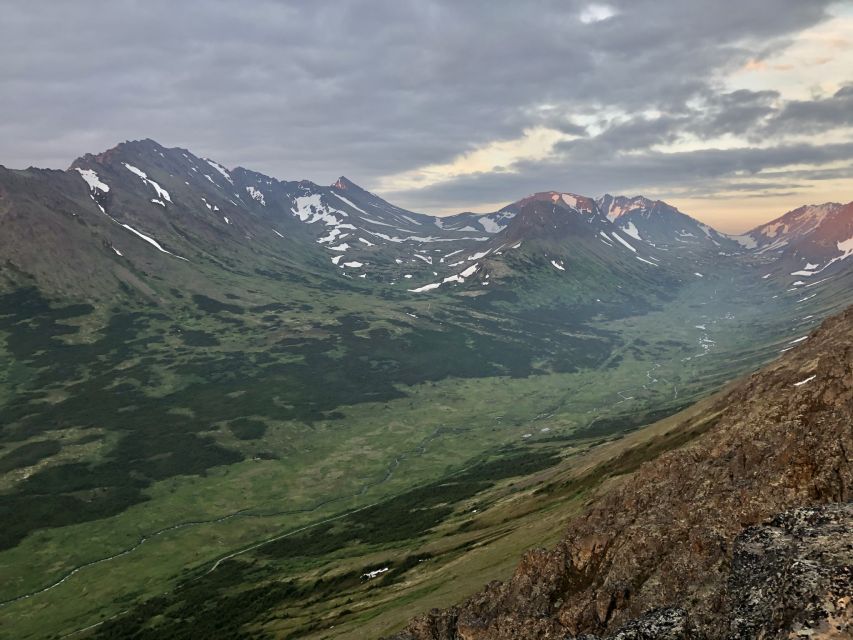
I think this is a smart choice for visitors who want to see real Chugach terrain without turning the day into logistics. The mix is strong: big views, tundra interpretation you can touch and observe, and wildlife spotting guided with a safety mindset.
If you’re physically prepared for uneven ground and steep sections, you’ll likely love how the day balances effort with frequent payoffs. If you’re newer to hiking or unsure about fitness, use the tour’s walking guidance as your checkpoint. Better to pick a trail that matches you than to spend the hike worried you’ll fall behind.
If you want an Alaskan ridge day that teaches as much as it shows, book it—and bring your sunglasses, your insect repellent, and the attitude that this hike is meant to slow down and look up.
FAQ
How long is the Chugach State Park Guided Alpine Trek?
The tour runs for 5 hours.
Where do I meet for the Anchorage trek?
You meet in front of the William A Egan Civic & Convention Center. Parking garages are available nearby.
Does the price include transportation?
Yes. Transportation from downtown Anchorage is included. Hotel or accommodation pickup is not included.
What group size should I expect?
It’s a small group with a limit of 12 participants.
Is the hike guided by a naturalist or expert?
Yes. You’ll have a live English-speaking hiking guide who provides information about the alpine environment.
What wildlife might we see?
You’ll be on the lookout for animals including bear, Dall sheep, marmot, and bald eagles, and you may also see moose, mountain goats, and other birds like thrushes, chickadees, and jays.
What should I bring?
Bring hiking shoes, sunglasses, sun hat, sunscreen, insect repellent, a camera, and weather-appropriate clothing.
Are backpacks and trekking poles provided?
A backpack is available upon request, and trekking poles are also available upon request.
What is the cancellation policy?
Free cancellation is available up to 4 days in advance for a full refund.
Is this tour suitable for people with mobility or respiratory issues?
It’s not suitable for wheelchair users and it’s also listed as not suitable for people with mobility impairments, heart problems, respiratory issues, back problems, or low level of fitness.