REVIEW · CHIANG MAI
Chiang Mai: 3-Day Karen Hill Tribe Immersion with Trekking
Book on GetYourGuide →Operated by Maewin and Family Trekking Tour · Bookable on GetYourGuide
Forget city hikes; this feels human. This 3-day, 2-night walk in Doi Inthanon gives you time with Karen hill tribe families on land they own and manage, and guides like Jungle Boy show you what most people miss—fruits, herbs, and jungle animals—right on the trail.
What I like most is the hands-on side: you help cook with herbs you find, and you learn how locals use native plants. The other big win is the scenery with built-in breaks: you’ll visit waterfalls suitable for swimming and actually have time to cool off and hang out by the water. The main drawback is that it can be more strenuous than you expect, especially Day 1, which can include steep uphill sections.
In This Review
- Key things you’ll notice
- Why Doi Inthanon feels different on this trek
- Day 1: Market start, steep forest trails, and a waterfall campfire
- Day 2: Wildlife forests, two village visits, and real daily-life lessons
- Day 3: Cloud forest paths and up to five waterfall swim breaks
- Food, water, and the cash question you should not ignore
- Comfort level: basic camps, cold showers, and limited connectivity
- Guides and group size: why small groups feel personal
- Price and value: does $158 make sense for 3 days?
- What to pack for the jungle (and what to leave behind)
- Who this Karen hill tribe trek is best for
- Should you book this trek?
- FAQ
- How long is the trekking experience?
- What’s included in the price?
- Is there swimming during the trek?
- What language will the guide speak?
- How fit do I need to be?
- What kind of accommodations are provided?
- Do I need cash during the trek?
- Who is this tour not suitable for?
- Is there free cancellation or a pay-later option?
Key things you’ll notice
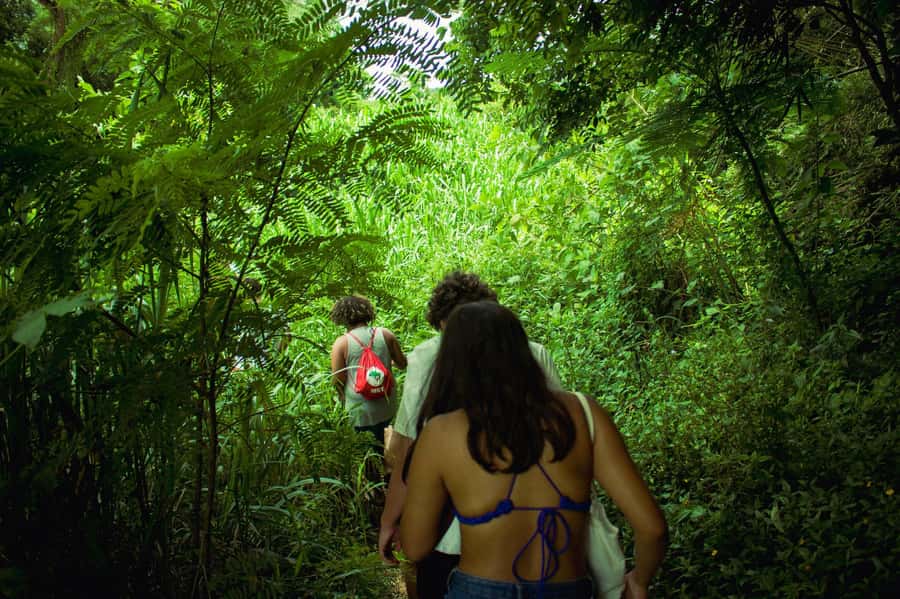
- Community-owned trails and campsites mean you’re walking on land run by the families, not just visiting it
- Jungle-guided plant and animal spotting (often guided by folks like Jungle Boy) makes the forest feel readable
- Waterfall swimming stops are a real highlight, not just a quick photo break
- Village stays with daily-life lessons, from clothing to cooking, not a staged show
- Basic camps, cold showers at times, and limited connectivity are part of the deal
Why Doi Inthanon feels different on this trek
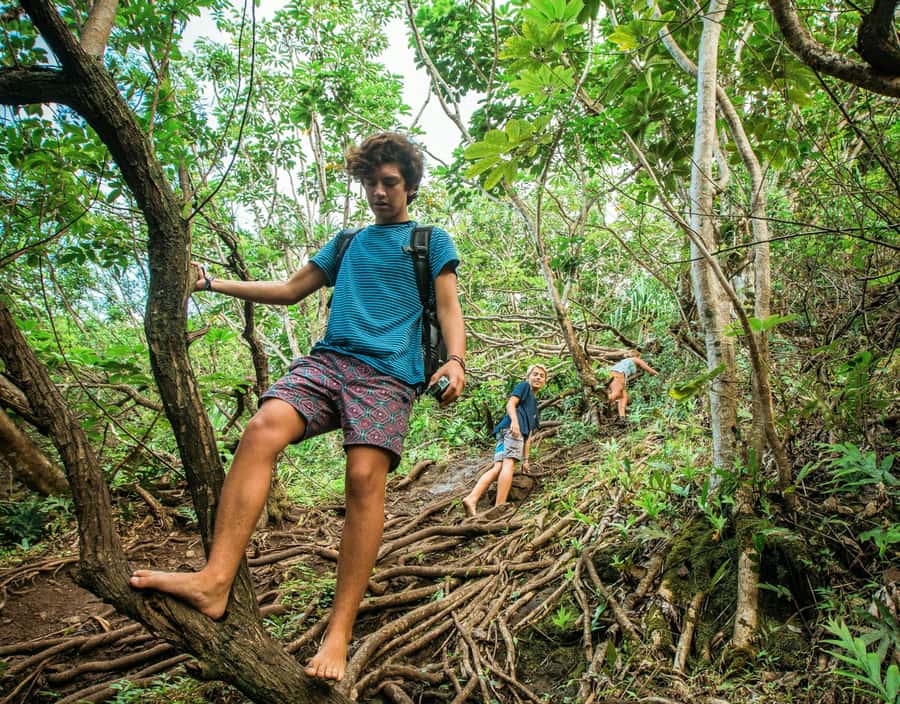
Chiang Mai is full of nature tours. This one stands apart because it isn’t built around a single viewpoint or a checklist. You spend your days walking through private farmland, bamboo groves, and jungle paths in Doi Inthanon, then you sleep in Karen village camps connected to ancestral land.
That changes the tone of the trip. You’re not just passing through. You’re sharing meals, hearing stories, and doing simple tasks like cooking dinner together. The best moments aren’t the loud ones. They’re the quiet ones: listening at a campfire, watching the forest settle down, then waking up to birds and trekking boots.
And yes, the scenery is good. But the real payoff is how you start understanding the land—what grows here, what it’s used for, and how people live with it.
You can also read our reviews of more tours and experiences in Chiang Mai.

Day 1: Market start, steep forest trails, and a waterfall campfire
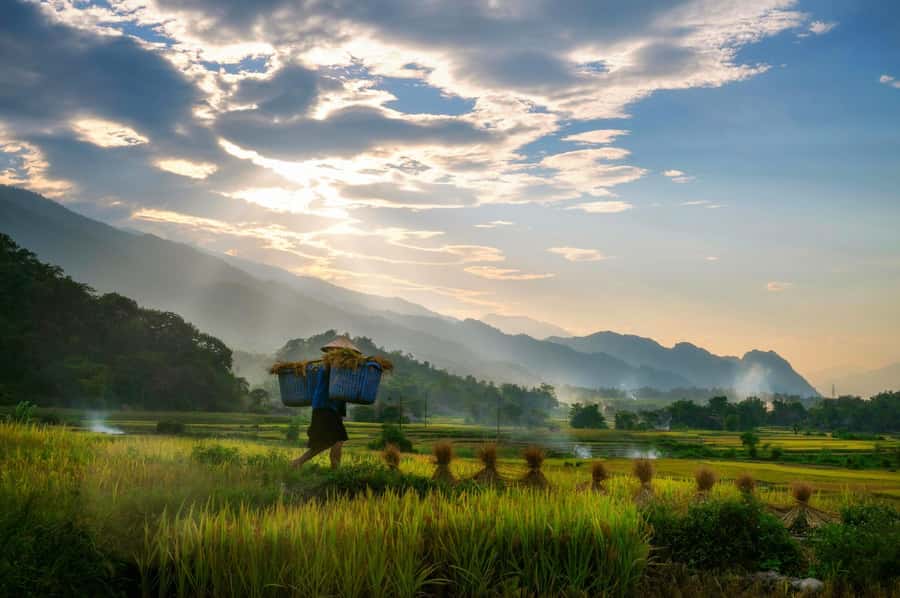
Day 1 begins with pickup from your Chiang Mai hotel and a quick stop at a local market. It’s not a museum stop; it’s a chance to see everyday life before you head uphill into the hills.
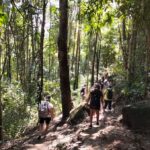
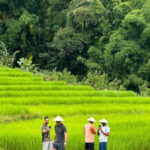
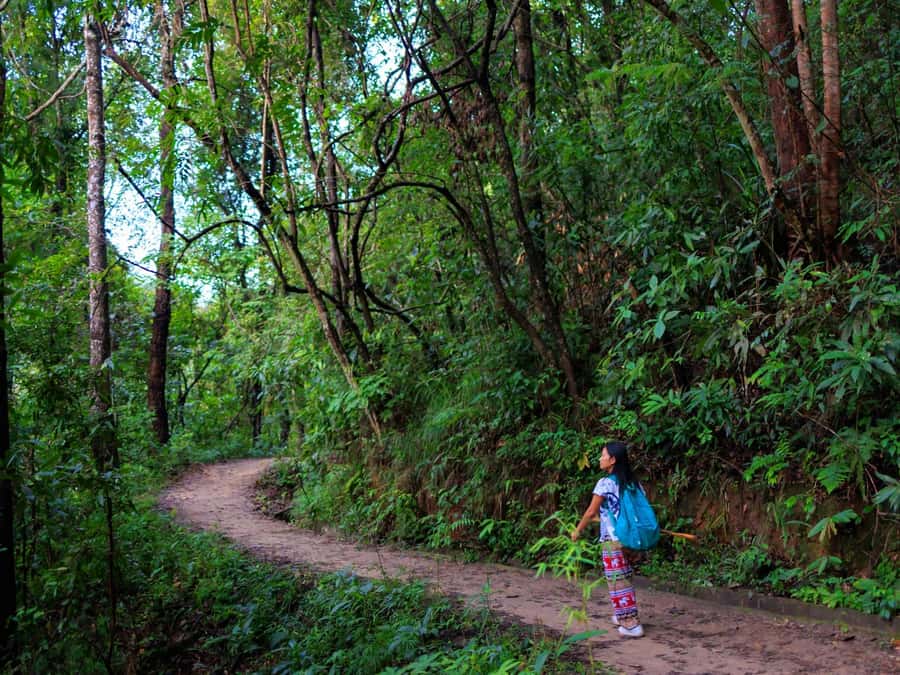
From there, you drive to the host family’s mountain village. The trek starts on private farmland and then shifts into dense forest trails. Along the way you’ll pass through bamboo groves and rice paddies. Your guide talks about native plants and what they’re used for—practical knowledge that doesn’t come from a signboard.
Lunch is taken by a waterfall, and it’s served in a wrapped style (banana leaves). That matters because you’re fueled for real hiking, not just snack-treading through the afternoon.
Then comes the part that catches people off guard: Day 1 is often the toughest. One past trekker noted steep climbing on a steep mountain and said it was the hardest day. Even if you’re prepared, expect uneven ground and uphill effort. Small groups help here; your pace stays more human.
You finish at a forest camp near a remote waterfall. After dinner, you’ll help cook using hand-picked herbs, then relax by the campfire under the stars. This is the first night when the “off-grid” feeling becomes real—no internet, limited signal, and you’re living close to nature.
Day 2: Wildlife forests, two village visits, and real daily-life lessons
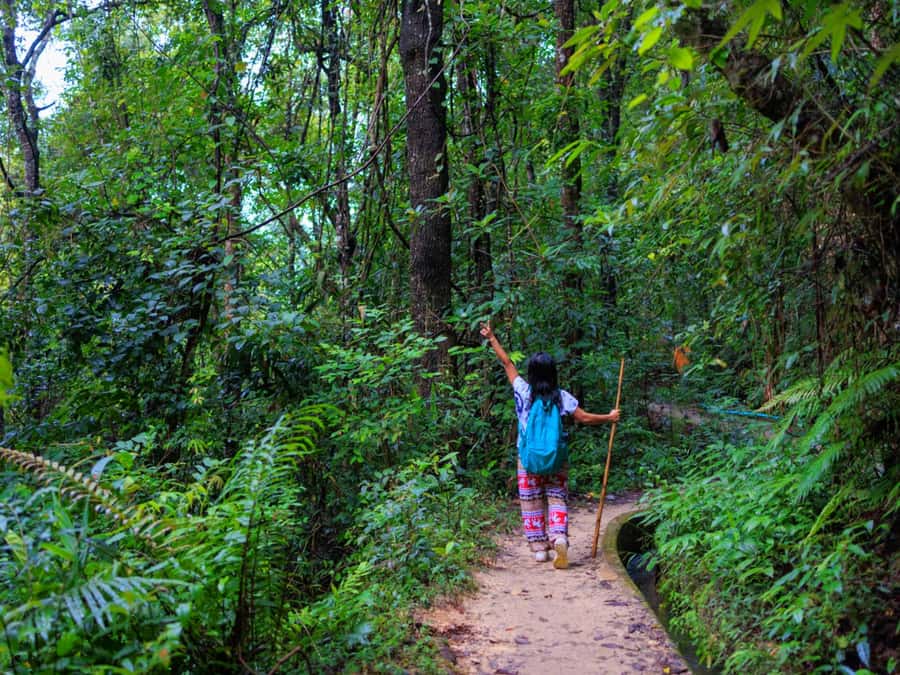
After a simple breakfast, you head into wildlife-rich forest. The route is known for gibbons, macaques, and Asiatic black bears. You won’t be tracking animals like a nature documentary, but you will move through terrain where wildlife is part of the background. It makes the walk feel alive instead of routine.
You hike about 3 hours to a Karen village for lunch and cultural exchange. This is where you slow down. Expect conversations about daily life and community traditions, not just a few scripted words and then off you go.
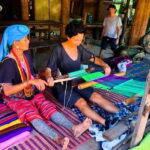
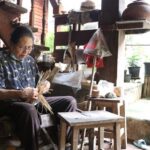
In the afternoon, the trek continues deeper into the hills—around 4 hours—to reach a second village for the overnight stay. This is full-on village time. You learn about traditional clothing and cooking techniques, and you see how day-to-day life works in the hills. In some cases, hosts may include the guide’s own family members, which tends to make the experience feel more natural and less performative.
That evening usually includes another fireside moment. It’s often when the group gels: different countries, different stories, and the same shared fatigue from hiking.
If you’re hoping for “comfortable the whole way,” set expectations now. Camps are basic. Bedding is provided. One review mentioned mosquito nets and said bed mats were comfortable enough, but showers can be cold. The good news: once you settle in, your body adapts faster than you think.
Day 3: Cloud forest paths and up to five waterfall swim breaks
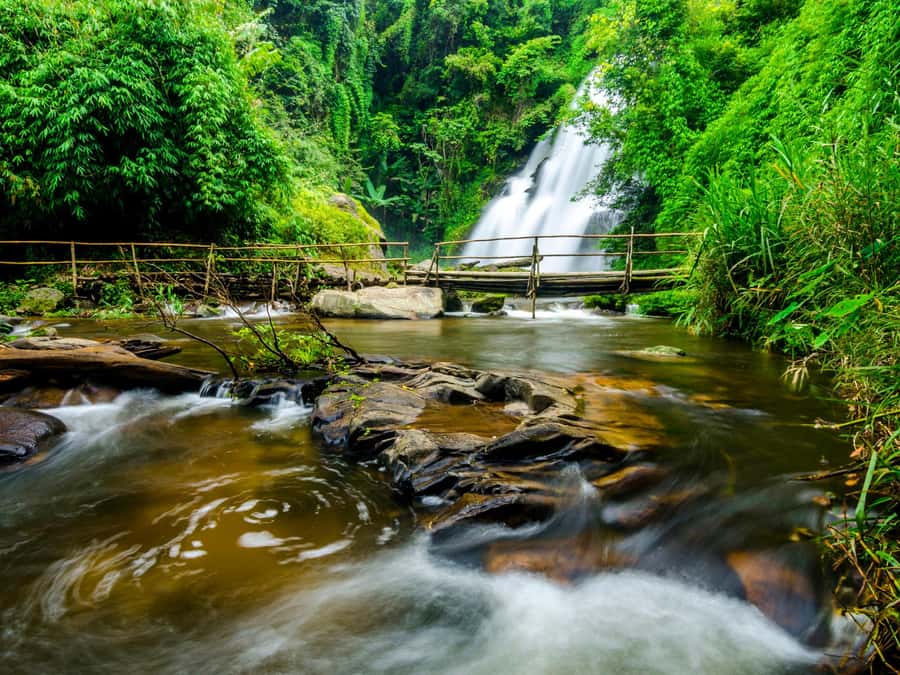
Day 3 is the long scenic day. You’ll trek about 6–7 hours across gentle farmland and rugged paths. The route can include cloud forest and local farms, so the air and feel of the hike shift as you go.
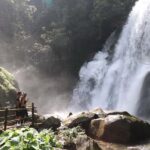
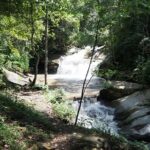
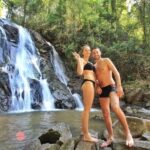
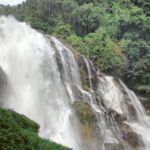
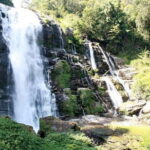
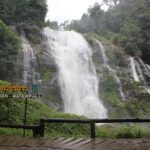
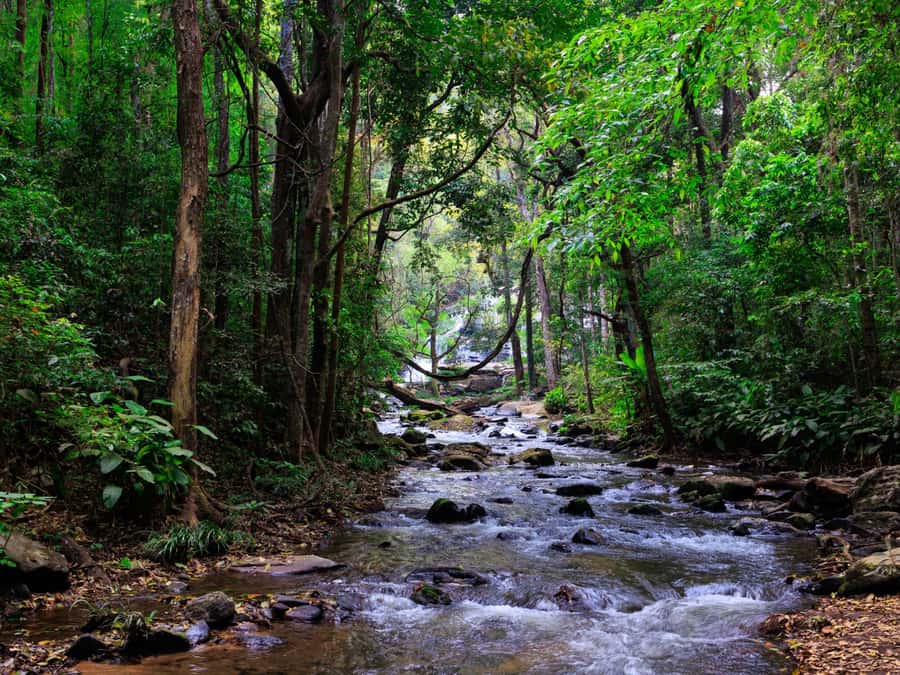
This is also the day built around water. Along the route, you may visit up to five natural waterfalls, and they’re described as suitable for swimming. That’s why swimwear is on your packing list. You don’t just look at the waterfall and move on; you get breaks where you can actually cool off.
After the walking, there’s a peaceful final meal by the water. Then it’s pickup back to Chiang Mai.
Plan for the day to feel both satisfying and tiring. Even if Day 1 was your hardest uphill climb, Day 3 usually asks for steadiness—long hours, uneven steps, and the kind of tired that shows up in your calves.
Food, water, and the cash question you should not ignore
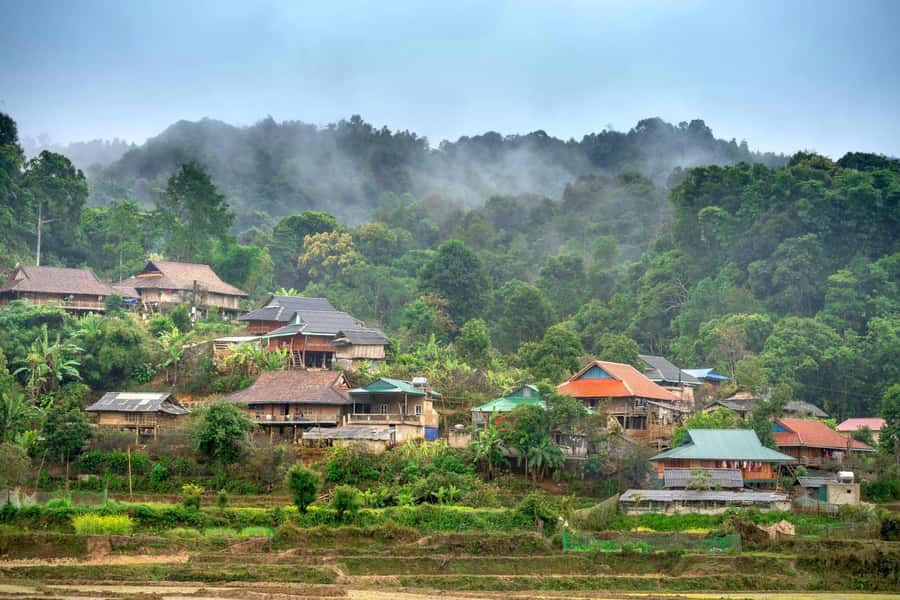
Food is a big part of the experience here. You’ll get 7 freshly prepared meals across the 3 days, including Day 1 lunch, Day 3 lunch, and dinners plus breakfasts. Lunch is by waterfalls on the days you’re out, which makes meal time feel like a highlight rather than a refuel stop.
Dinner cooking is also part of the show. You’ll help cook using hand-picked herbs, which gives you more respect for the work that goes into simple meals in remote areas.
One practical issue: bring cash. A past trekker specifically said cash is a must because villagers only accept cash for things like water. That detail isn’t glamorous, but it can save you an awkward moment. Pack some small bills so you’re not stuck.
Also remember drinks aren’t included. Water is provided as part of the tour logistics, but you may want extra depending on how hot or humid it is when you go. Stick to what’s organized, and top up as needed.
Dietary preferences can be accommodated if you give advance notice, which is helpful if you have restrictions. If you do, communicate early so the kitchen can plan.

Comfort level: basic camps, cold showers, and limited connectivity
The tour is designed to be off-grid. Official guidance says there’s no electricity and no internet, with limited mobile signal—so you’re meant to unplug. That fits the vibe: no constant screen checking, just walking, eating, and talking.
At the same time, a few people reported electricity at both village places. That suggests there may be small differences by site or by season. Bottom line: don’t count on charging your phone. But you might find some electricity. Treat it as a bonus, not a guarantee.
Camps are basic but comfortable enough for sleeping. Bedding is provided. Mosquito nets may be available, and that’s a good sign for nighttime comfort in the rainy or jungle season.
Shower conditions are the big “reality check.” Reviews mention cold showers. That matters for comfort, especially if you’re not used to it. If you hate cold water, you’ll want to mentally prepare and keep the overall tone light.
Also bring a towel and consider toilet paper. One review specifically advised packing toilet paper and a towel, and that’s smart for any remote trek.
Guides and group size: why small groups feel personal
This is a small group trek limited to 15 participants. That’s not just a comfort perk. It changes how the hike feels. You’re not stretched out across the forest, and your guide can slow down at the moments that matter—plants, animals, and the stories behind village routines.
You’ll also have an experienced English-speaking local Karen guide (English and Thai). Names that stood out from past groups include Jungle Boy, plus guides Pepe and Bobo (brothers, in one account). Even when you don’t know the guide’s background, you’ll feel the difference: they’re not rushing. They’re showing you how to see the trail.
There’s also an accident insurance component included during the trek. That’s reassuring for a jungle route where you’re far from the city.
Price and value: does $158 make sense for 3 days?
At $158 per person for 3 days and 2 nights, this isn’t a bargain price like a city day tour. It’s more like a fair price for a community-run trekking experience with real logistics: hotel pickup and drop-off, an English-speaking guide, 7 meals, two different overnight village camps, cultural activities, hands-on cooking, plus accident insurance.
Where the value shows up for you:
- You’re getting two nights in Karen village camps, not a single camp and backtracking
- You’re getting multiple meals and meals are prepared during the trek, including waterfall lunches
- You’re paying for access to privately owned community land and village time, which adds a lot of cost and responsibility compared to public trails
- You’re paying for the work of local guides who know how to interpret the forest and the community expectations
If you compare it to a trip that only includes a guide for a day and leaves you to manage the rest, this is still strong value. The “cost” is in effort and simplicity, not in the money you spend.
What to pack for the jungle (and what to leave behind)
The packing list is solid, but here’s how I’d think about it so you’re not hauling the wrong stuff.
Bring:
- Swimwear, towel for the waterfall swimming days
- Hiking shoes and a daypack (a small, proper backpack)
- Hat, sunglasses, sunscreen, and insect repellent
- Long pants and a long-sleeved shirt for protection on uneven trails
- A jacket (and a rain layer if you’re going in wetter months)
- Change of clothes, socks, toiletries, and personal medication
- Snacks if you want extra insurance between meals
Also:
- Cash (small bills) for water or small village needs
- Toilet paper if you want extra comfort
Not allowed:
- Smoking
- Intoxication
- Alcohol and drugs
That matters because the experience is partly about respecting community spaces. You’ll have a better time if you treat rules as part of the respect, not as annoying limitations.
Who this Karen hill tribe trek is best for
This trek fits best if you enjoy nature, don’t mind basic accommodations, and want more than photos. You should like walking 5–7 hours a day on uneven jungle terrain.
It’s especially good for:
- People who want village time and hands-on cultural learning
- Nature lovers who enjoy guides pointing out plants and animals
- Travelers comfortable with cold showers and limited connectivity
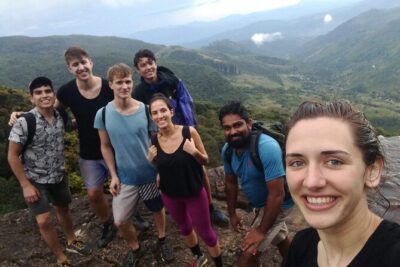
- Couples or small friend groups who want a calmer pace than big tour buses
It’s not suitable for children under 12, and it’s also not recommended for people with back problems, mobility impairments, or heart problems. If you’re unsure about your fitness, be honest with yourself. This is not a gentle stroll.
Should you book this trek?
I’d book it if you want a community-run trekking experience in Doi Inthanon where you can swim at waterfalls, cook with herbs, learn about native plants, and spend real time with Karen families. The price makes sense for the meals, the overnight stays, and the access you get to land that’s not just open to random visitors.
I wouldn’t book it if you need warm showers, smooth footing, or a low-effort hike. Day 1 can be steep, and cold showers and basic camps are part of the deal. If you can handle that, you’ll likely walk away feeling like you saw more than the jungle—you saw how people live with it.
FAQ
How long is the trekking experience?
It’s 3 days with 2 nights, starting with pickup in Chiang Mai and trekking through Doi Inthanon before returning to Chiang Mai.
What’s included in the price?
The tour includes hotel pickup and drop-off in Chiang Mai city, a guided trekking experience, two overnight stays in village camps, 7 freshly prepared meals, an English-speaking local Karen guide, cultural activities and cooking sessions, and accident insurance coverage during the trek.
Is there swimming during the trek?
Yes. You’ll visit up to five natural waterfalls along the route, and they’re suitable for swimming.
What language will the guide speak?
The guide provides English and Thai.
How fit do I need to be?
A moderate fitness level is required. Expect about 5–7 hours of trekking per day on uneven jungle terrain, with uneven climbs and descents.
What kind of accommodations are provided?
The camps are basic but comfortable, with bedding provided. There’s no electricity and no internet, and mobile signal is limited.
Do I need cash during the trek?
You should bring cash. One practical note is that villagers may only accept cash for things like water.
Who is this tour not suitable for?
It’s not suitable for children under 12, or for people with back problems, mobility impairments, or heart problems.
Is there free cancellation or a pay-later option?
The tour offers free cancellation up to 24 hours in advance for a full refund, and it also has a reserve now & pay later option.