REVIEW · ST KITTS
Volcano Caldera (Mt. Liamuiga) Trek / Hike
Book on Viator →Operated by Rogers Eco Tours · Bookable on Viator
A crater view over the Caribbean is the goal. On this Volcano Caldera hike on Mt. Liamuiga, you’ll gain big sea views while learning why this island’s past includes both tragedy and triumph. The route builds toward the UNESCO Brimstone Hill Fortress National Park, with a volcanic viewpoint that’s the star of the day.
I really like two things here: the small group size, and the smooth pickup and drop-off option (including port-area starts). I also enjoy how the walk mixes scenery with context, so you’re not just hiking for the sake of hiking.
The main consideration is fitness. This trek reaches more than 2,500 ft above the sea, and the activity is aimed at travelers with a strong physical fitness level.
In This Review
- Key highlights worth planning for
- Mt. Liamuiga crater views and the real reason this hike hits
- Value for $90: what you’re really paying for
- Getting to Newton Ground and how the day flows
- What you’ll feel during the climb (and why pacing matters)
- Stop 1: Bloody River and the Carib massacre context
- Stop 2: Challengers and early free-slave land history
- The volcanic cone moment: crater opening near the rim
- Brimstone Hill Fortress: finishing at a UNESCO World Heritage site
- Time on your feet: what a 7-hour day really means
- Who this trek suits best (and who should think twice)
- Quick planning checklist for a smoother day
- Should you book Rogers Eco Tours’ Mt. Liamuiga Volcano Caldera trek?
- FAQ
- How long is the Volcano Caldera (Mt. Liamuiga) trek?
- Where does the tour start and end?
- Is pickup offered?
- What are the main stops during the tour?
- How physically demanding is it?
- How big is the group?
- What if the weather is bad or I need to cancel?
Key highlights worth planning for
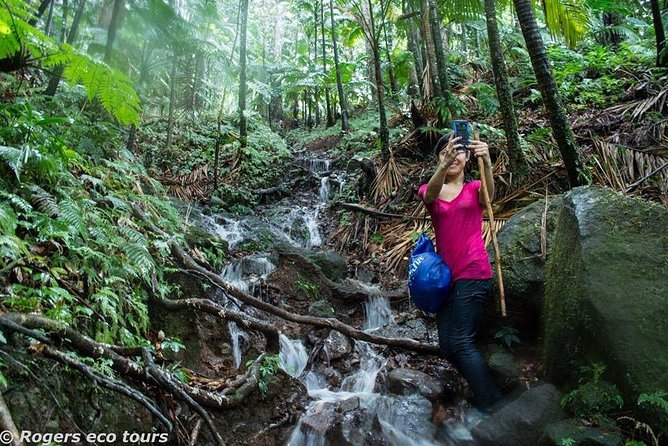
- Crater-near views: you’ll admire the opening of a volcanic crater close to the rim
- Bloody River stop: learn about the Carib massacre as you pass by the river
- Challengers stop: hear about early lands owned by free slaves
- UNESCO finish: end at Brimstone Hill Fortress National Park
- 7-hour day: plan on a full morning/afternoon of walking and touring
Mt. Liamuiga crater views and the real reason this hike hits
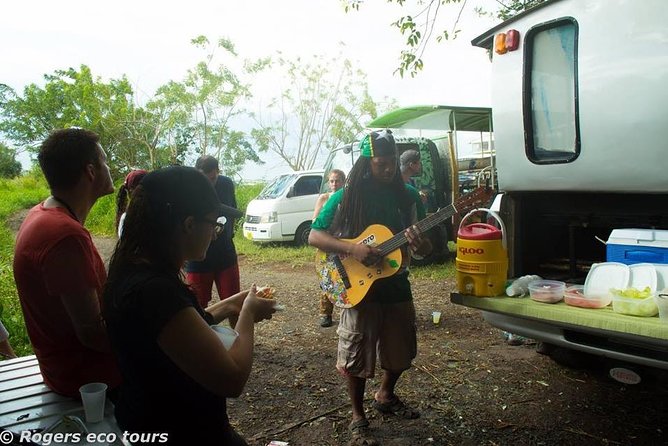
If you like volcanoes, you’ll understand why this one works. You’re not just getting a photo at a distance. You climb to a point where the volcanic story feels close, then you get ocean views from above the coast.
I also like that the experience doesn’t treat history like filler. You’ll pass Bloody River and Challengers, then finish at Brimstone Hill, a UNESCO World Heritage fortress site. That mix makes the day feel like more than a workout.
And yes, the altitude matters. Reaching heights of more than 2,500 ft above the sea is no joke, even if you’re a regular hiker. The payoff is wide-open views out over the Caribbean.
You can also read our reviews of more tours and experiences in St Kitts.
Value for $90: what you’re really paying for
At $90 per person for a tour that runs about 7 hours, the value comes from combining four things in one block: transport support, guided interpretation, a substantial climb, and a major end-stop at a UNESCO site.
This isn’t a quick bus tour where you step out for five minutes and leave. You’re doing a real hike, and you’re also getting context at Bloody River and Challengers. Admission at those two stops is listed as free, so you’re not hit with extra entry fees just to understand what you’re seeing.
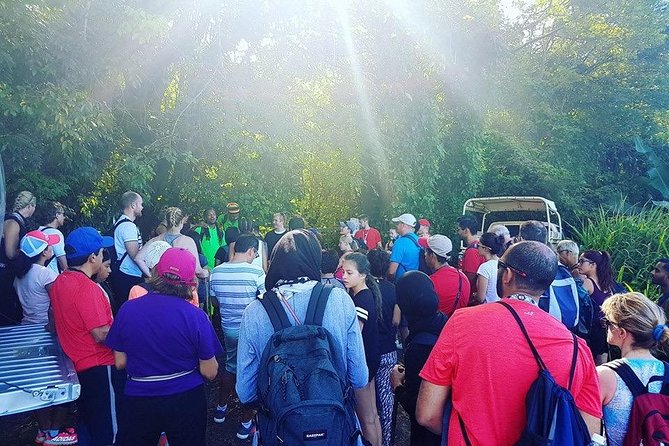
The group size cap is also a quiet selling point. With a maximum of 30 travelers, the day is more likely to feel manageable than crowded. That matters on a climb where pacing and attention to the route can make the experience smoother.
Getting to Newton Ground and how the day flows
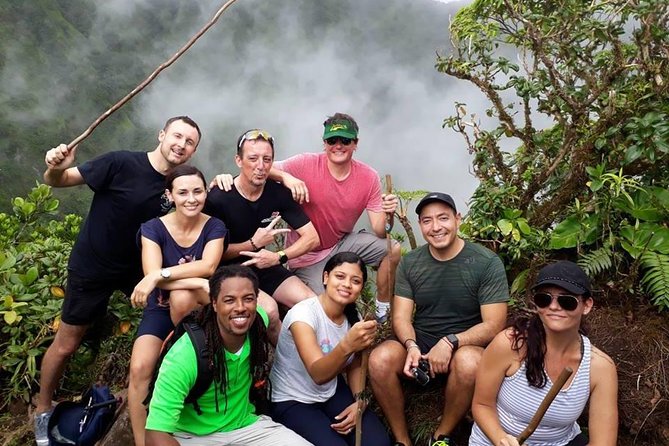
The tour starts at Newton Ground in St. Kitts and ends back at the same meeting point. If you’re staying on the island, you’ll want to think about how you’ll arrive by the start time, since you’re doing a full trek day.
Pickup is offered, and in practice that can be a big win for anyone who doesn’t want to coordinate two separate rides. One of the most common practical compliments is that port-area pickup and drop-off feels smooth, with less last-minute scrambling.
You should also know there can be confusion with meeting points on maps or apps. If you plan to drive yourself, double-check you’re heading to Newton Ground and not an incorrect or oddly named pin. The tour provider has worked on clearer directions, but you’ll save stress by taking control early.
What you’ll feel during the climb (and why pacing matters)
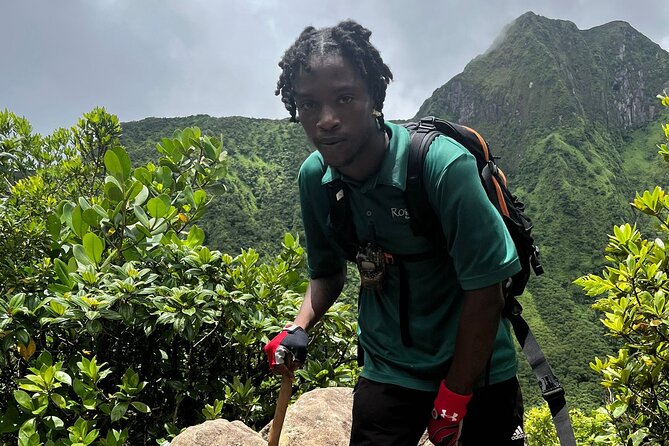
This hike is built around going up a volcanic cone along the Volcano Caldera trek. That means your energy use rises fast as you gain elevation, even if the path is straightforward.
Because you’re aiming for more than 2,500 ft above the sea, you’ll want to pace like you’re saving your legs for a long day. I’d treat this as a steady effort hike, not a sprint. If you arrive feeling energetic, it’s still worth going slow at the start so you don’t blow out before the main viewpoint.
Staying comfortable also comes down to basic planning. Bring water, wear sturdy footwear, and dress for changing conditions near higher ground. The tour itself notes it requires good weather, so you’ll want to bring the same mindset: if the day feels unstable, you follow your guide’s lead.
Stop 1: Bloody River and the Carib massacre context
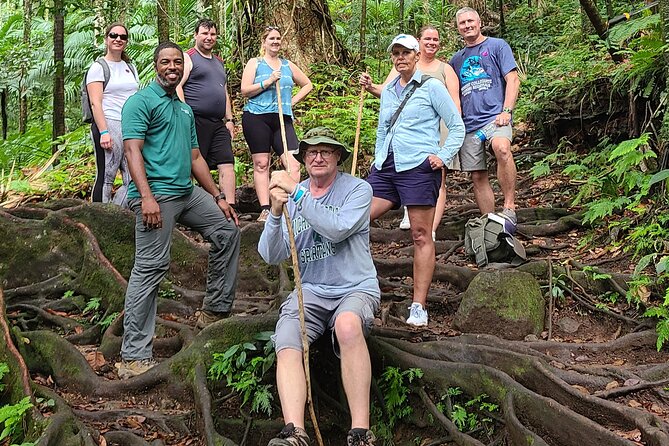
Bloody River is the first meaning-heavy stop. You’ll pass by the river as your guide explains a brief history connected to the Carib massacre.
Even if you’re not a history obsessive, this stop helps frame the island beyond scenic postcards. You see a natural feature, then you understand why it carries a painful human story. That contrast gives the later parts of the day more weight.
There’s no admission ticket required for this stop. That keeps the schedule flowing, and you don’t feel like you’re adding extra logistics just to get the context.
One more thing to keep in mind: this is sensitive history. You don’t need to read between the lines. You just need to be ready for a serious topic during an active day outdoors.
Stop 2: Challengers and early free-slave land history
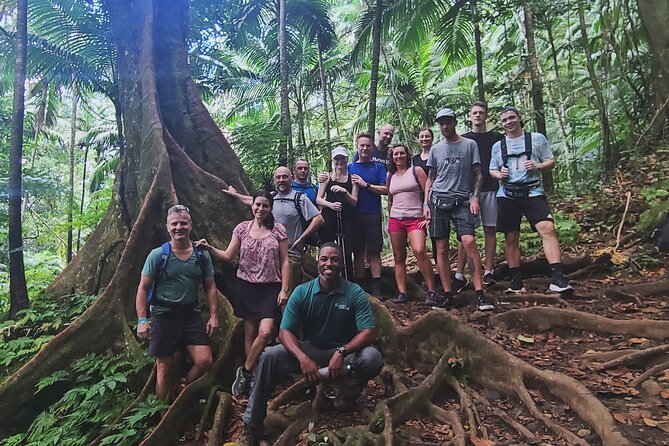
Next up is Challengers, another short but significant history stop. Here, the guide shares a brief overview of the first lands owned by free slaves.
This matters because it gives you a fuller picture of St. Kitts history. Instead of only focusing on conflict and loss, you get a thread of agency and new beginnings. It helps balance the day so it doesn’t feel like tragedy only.
Like Bloody River, there’s no admission ticket listed here. That means you can focus on the story without worrying about an entry process.
This stop also sets you up mentally for the rest of the day. As the hike gets harder and the views open up, you’ll have more context for what you’re seeing around you and who lived there.
The volcanic cone moment: crater opening near the rim
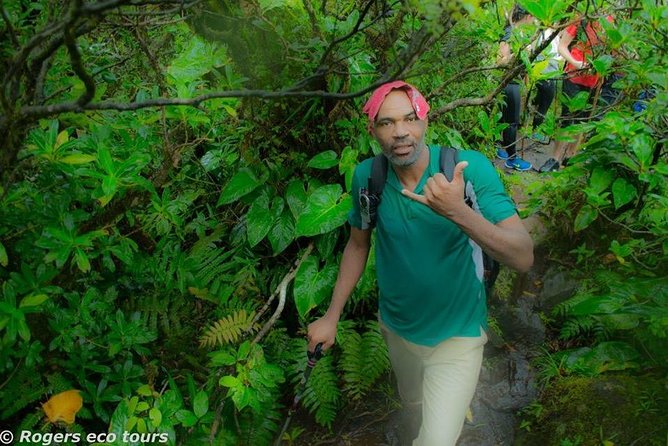
The big scenic payoff is built into the hike itself. You’ll admire the opening of a volcanic crater close to the rim, with sweeping views that stretch across the Caribbean.
This is the part where the day turns from effort into reward. The climb puts you in the right place, and then the volcanic feature makes everything feel more real than a diagram ever could.
It also helps you understand the geography of St. Kitts. You start high above the sea, then you experience the island as a place shaped by volcanic forces. If you love geology, you’ll appreciate how the hike brings you close to the evidence.
Just remember: you’re still doing a long day. Take your time at the crater viewpoint, but don’t get stuck there so long you lose your momentum for the next segments.
Brimstone Hill Fortress: finishing at a UNESCO World Heritage site
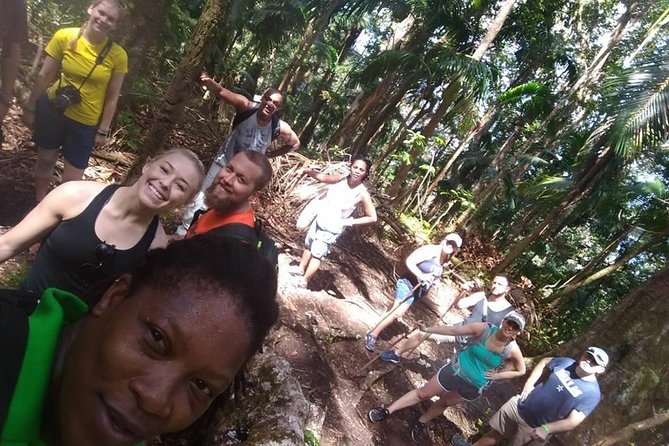
The day ends at Brimstone Hill Fortress National Park, a UNESCO World Heritage site. It’s described as a well-preserved fortress on a hill on St. Kitts.
Finishing here changes the tone of the trek. After history stops by rivers and village-era land stories, you shift into a defensive architecture experience—again linked to people, power, and survival, but in a different form.
A fortress finish also makes practical sense. It’s a natural capstone after the steep climbing. You’re still sightseeing, but you’re not starting another major ascent from scratch.
Because this is a UNESCO site, it’s also one of those places that tends to reward your attention. When you’re already tired from the climb, you’ll want to lean into the guide’s explanation and focus on what makes the fortification well-preserved, not just the view from the hill.
Time on your feet: what a 7-hour day really means
The tour is listed at about 7 hours. That’s enough time for real hiking, plus multiple stops for stories and a UNESCO visit.
A day like this is about rhythm. You’ll have active moments climbing, then shorter pauses where your guide gives you context. Then you get another stretch of walking and viewpoints.
If you’re balancing this with other activities on St. Kitts, don’t overschedule the day before. You’ll enjoy it more if you’re not already carrying fatigue from a beach morning or late-night plans.
Who this trek suits best (and who should think twice)
This hike is best for travelers who want a mix of physical effort and interpretation. If you like volcano scenery and you also want to understand what happened here historically, this fits nicely.
You should also feel comfortable with the stated requirement of strong physical fitness. If you know your limits, you can still enjoy it by pacing carefully. But if steep climbs are usually hard for you, this probably won’t feel fun.
On the positive side, service animals are allowed, and the tour is near public transportation. So you’re not locked into one narrow way of getting to the meeting point.
Quick planning checklist for a smoother day
- Wear footwear you trust on uneven ground
- Bring water and dress for changing weather since the trek needs good conditions
- Give yourself extra margin for finding Newton Ground if you’re driving
- Plan to keep your energy steady for a climb to over 2,500 ft
Should you book Rogers Eco Tours’ Mt. Liamuiga Volcano Caldera trek?
I’d book this if you want one of the best “St. Kitts in a day” combinations: volcanic views, history stops at Bloody River and Challengers, and a UNESCO finish at Brimstone Hill Fortress. The $90 price feels fair when you consider you’re getting a full 7-hour guided experience plus the end-stop at a major heritage site.
I’d pause before booking if you’re not ready for a strenuous hike with a strong fitness requirement. Also, if meeting-point stress is your weak spot, plan ahead so you arrive at Newton Ground without relying on a possibly confusing map pin.
If you’re a capable hiker who likes your travel with stories attached, this is a strong choice.
FAQ
How long is the Volcano Caldera (Mt. Liamuiga) trek?
The duration is listed as approximately 7 hours.
Where does the tour start and end?
It starts at Newton Ground in St. Kitts and ends back at the same meeting point.
Is pickup offered?
Yes, pickup is offered.
What are the main stops during the tour?
You’ll stop at Bloody River, Challengers, and then visit Brimstone Hill Fortress National Park.
How physically demanding is it?
The tour notes that travelers should have a strong physical fitness level, and the hike reaches more than 2,500 ft above the sea.
How big is the group?
The tour has a maximum of 30 travelers.
What if the weather is bad or I need to cancel?
The experience requires good weather. If it’s canceled due to poor weather, you’ll be offered a different date or a full refund. You can cancel up to 24 hours in advance for a full refund.