REVIEW · KATHMANDU
Everest Base Camp trek with Helicopter return 9 days
Book on Viator →Operated by Adventure Master Trek · Bookable on Viator
Everest in nine days is a bold idea. This trek brings you to Everest Base Camp country, then uses a helicopter return to save you from the longest walk back.
I especially like the tight, well-managed flow: a Kathmandu-to-Lukla flight, guided days on the trail, and altitude monitoring with an oximeter check twice daily. I also like the practical pacing—7 full days in the mountains with time for acclimatization around Namche and Khumjung.
One consideration: you’re moving fast by Everest standards. Even with a moderate difficulty and expert support, you’ll still be dealing with steep sections above Dingboche and the big day up to Kala Patthar.
Key things I’d bet on before booking
- Helicopter return from Gorakshep to Lukla for a faster finish
- Lukla flights plus private car airport transfers, so you’re not juggling logistics
- Oximeter checks twice a day and a first aid kit for high-altitude reality
- Acclimatization stops in Namche Bazaar and Khumjung before going higher
- Guides and porters (one porter for two people) to keep you moving safely
- Permits, fees, and taxes covered, so fewer surprises before you start walking
In This Review
- Why this 9-day Everest Base Camp trek feels different
- Price and Logistics: what your $3,888 really covers
- Day-by-day: from Kathmandu pickup to Kala Patthar sunrise
- Day 1: Kathmandu arrival and a real start
- Day 2: Flight to Lukla and your first trekking legs
- Day 3: Into the Namche Bazaar corridor
- Day 4: Acclimatization day in Namche and Khumjung
- Day 5: Higher foothills and the move toward Tengboche
- Day 6: Tengboche day with sunrise energy
- Day 7: Khumbu Glacier route after Dingboche
- Day 8: Gorakshep and the long, rocky push
- Day 9: Kala Patthar first, then helicopter return
- Altitude reality: moderate trek, serious numbers
- What the guide support is likely to feel like
- Helicopter return: the value move, with a catch
- Budgeting on the ground: meals, charging, and tips
- Who this trek is best for
- Should you book this Everest Base Camp with helicopter return trek?
- FAQ
- What is the duration of this Everest Base Camp trek with helicopter return?
- How difficult is the trek?
- Where do the flights and helicopter operate?
- What does the itinerary include during trekking?
- Are meals included?
- Are permits and official fees included?
- Is airport pickup included?
- Do I need travel insurance?
- Is there a refund if I cancel?
Why this 9-day Everest Base Camp trek feels different
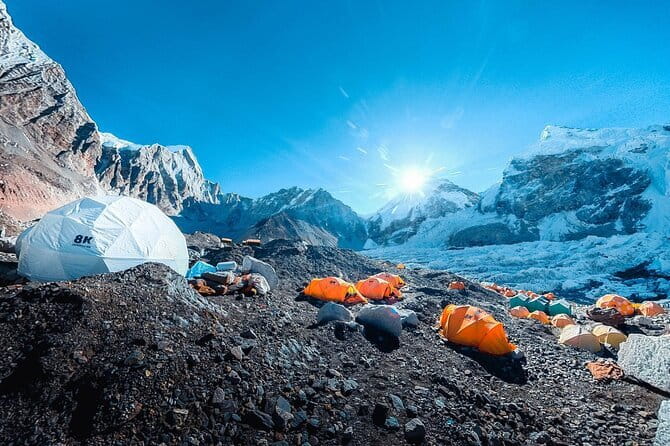
Most Everest trips are measured in weeks. This one is built for people with less time, without pretending the mountains are easy.
The big idea is simple: you trek upward toward Kala Patthar (5,644 m / 18,519 ft), reach the Everest Base Camp area, then take a helicopter back so your last day isn’t a grind. That trade is the heart of the value here.
If you’ve got dreams of Everest views but not the weeks for a slower round-trip, this format can make the experience doable. Just remember: helicopter return doesn’t cancel altitude, and it doesn’t remove the steep, remote sections once you’re past Dingboche.
Price and Logistics: what your $3,888 really covers
At $3,888 per person, this isn’t a budget trek. You’re paying for the shortcuts that cost real money in Nepal—especially the helicopter flight and the flights to Lukla.
What you do get for that price is pretty concrete:
- Private car transfers in Kathmandu (to/from the airport)
- Kathmandu ↔ Lukla flights
- Guide with salary, food, drinks, lodging, transportation, and insurance covered
- Helicopter flight from Gorakshep to Lukla
- Permits/fees and official taxes covered for the trekking area
- Oximeter + first aid kit, with oxygen saturation and pulse checked twice daily
- Porter support (one porter for two people)
- Meals included on trek: 8 breakfasts, 8 lunches, 8 dinners
- A trip completion certificate
What isn’t included matters because it affects your day-to-day cost:
- Visa and your own travel/medical insurance
- Meals in Kathmandu (lunch/dinner)
- Tea house extras like hot showers and charging (often about $2–$5)
- Alcohol and other drinks on the trail
- Tips (expected for guide, porter, and driver)
- International flights to Nepal
So the “value” comes from reducing the expensive overhead of time and transit. You’re not just buying walking days—you’re buying a planned system that gets you from Kathmandu to the Khumbu and back with less uncertainty.
You can also read our reviews of more tours and experiences in Kathmandu.
Day-by-day: from Kathmandu pickup to Kala Patthar sunrise
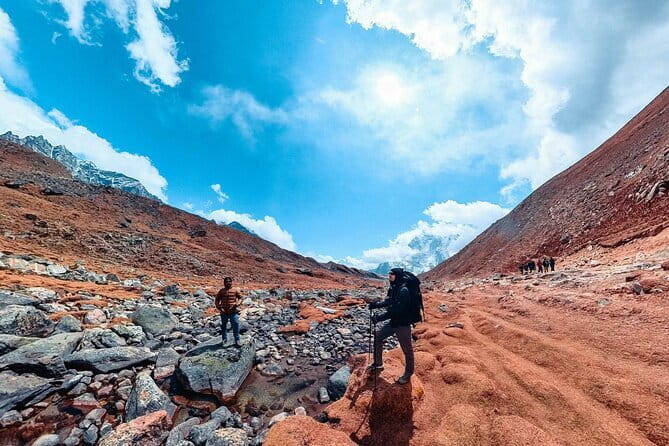
This is a 9-day program with about 7 full days on the mountain route. The rhythm is “move smart, rest when it counts, and keep the group safe.”
Day 1: Kathmandu arrival and a real start
You get an airport team waiting for you. They handle hotel check-in help and luggage support, then you meet the core team.
For a trek like this, I like starting clean. Kathmandu day one can go wrong fast if you’re trying to figure out transport or timing after a flight.
Day 2: Flight to Lukla and your first trekking legs
Day two is about the famous Lukla jump. You fly from Kathmandu to Lukla (Tenzing Hillary Airport), enjoy the views, then link up with porters and begin the trek.
You’re not trying to smash miles on day two. The goal is to settle in, get moving, and start stacking altitude gradually.
Day 3: Into the Namche Bazaar corridor
Today centers on reaching Namche Bazaar. The route trends through forests and crosses key bridges before climbing up toward Monjo and then the Namche area.
This is one of those days where the scenery is part of the training. You’ll feel the climb, but the path also gives you natural breaks and rhythm.
Day 4: Acclimatization day in Namche and Khumjung
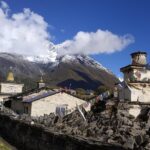
You rest in Namche Bazaar so your body can adjust. Then you take a short hop via Syangboche Airstrip to the Everest View Hotel area, and continue toward Khumjung.
This is the day I’d call “quietly important.” You’re buying safety and comfort later by not rushing here.
Day 5: Higher foothills and the move toward Tengboche
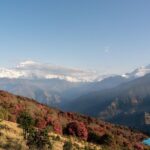
The trail goes up through green foothills to Kyangjuma (3,550 m), with strong mountain views. From there, the plan continues toward the next overnight zone, keeping you trending upward.
This day tends to feel like a transition: you’re still walking, but you’re clearly moving into the more Everest-specific scenery.
Day 6: Tengboche day with sunrise energy
You rise early for sunrise, then head down through rhododendron forests toward Deboche (3,320 m). Wildlife may appear—musk deer and blue sheep are on the possible list—and you keep working toward Tengboche as your focal stop.
I like sunrise days because the mind wakes up faster than the legs. Even if you’re tired, you’ll remember the early mountain light long after the day is over.
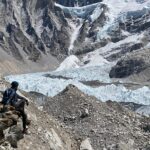
Day 7: Khumbu Glacier route after Dingboche
Now you walk along the Khumbu Glacier for much of the day. Leaving Dingboche, you climb through a ridge and continue upward gradually.
The day is described with big viewpoint potential, including views of Cholatse and Tawache. Glacier walking is one of those things you don’t forget—it’s stark, open, and a reminder that the terrain is real, not a postcard.
Day 8: Gorakshep and the long, rocky push
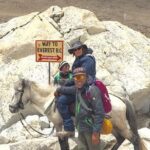
It’s a big day. You leave Lobuche and follow the wide valley up to Gorakshep. The route becomes steeper as you gain elevation, and you’ll likely do a mix of walking and short climbs up and down along a rocky path.
This is where a lot of trekkers feel the “Everest tax.” The effort isn’t just in distance—it’s in how relentlessly your body is responding to altitude.
Day 9: Kala Patthar first, then helicopter return
You don’t leave the Everest area until you get the view from Kala Patthar. The trail is well-used and easy to follow, starting above Gorakshep.
You’ll go early, aiming for that first golden light on the peaks. Then, after the main viewpoint time, the tour uses the key feature: the helicopter flight from Gorakshep to Lukla to speed up the return.
Even with a helicopter, day nine still asks for energy. It’s a classic Everest trade: more effort early, less effort later.
Altitude reality: moderate trek, serious numbers
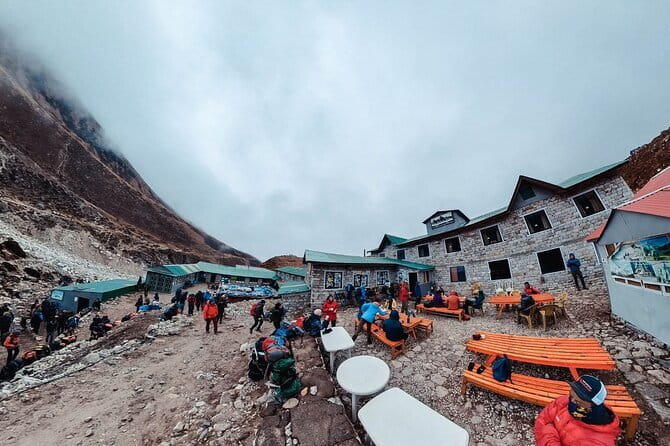
This trek is labeled moderate, and that’s fair—because the itinerary doesn’t demand technical climbing. But “moderate” on Everest still means altitude pressure, fatigue, and steep moments.
Two things in your favor:
- Acclimatization time around Namche Bazaar and Khumjung.
- Oximeter checks twice a day to monitor pulse and oxygen saturation.
Those checks aren’t just paperwork. They give your guide real information to adjust pacing and watch for trouble early.
One thing to keep in mind: once you go above Dingboche, the trail gets more remote and steep. You may feel it in your breathing more than your legs, especially on days that stretch toward the higher settlements.
What the guide support is likely to feel like
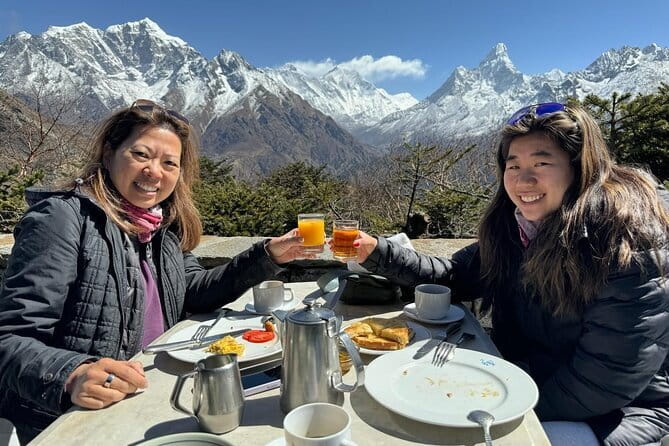
This trip is guided by expert mountain guides, and the structure is designed around keeping the group together and moving with purpose.
In the feedback you provided, guides get praised for making the process easier and more efficient. Names like Raj, Ramesh, and Sital show up in connection with strong organization and helpful guidance across Nepal treks, which is a good sign that the operator invests in people who can manage both logistics and morale.
I also like that you have clear support roles:
- One porter for two people helps distribute the load
- A first aid kit is included
- Your guide’s food, lodging, and insurance are handled, which usually signals a professional setup
None of this removes risk, but it lowers the chance that a small problem becomes a big one.
Helicopter return: the value move, with a catch
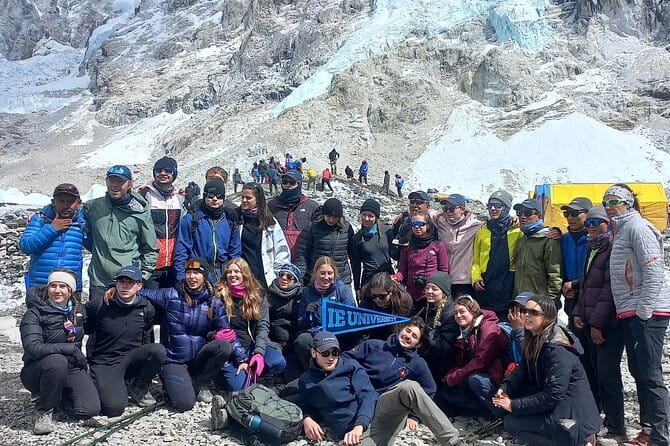
The helicopter return is the reason this itinerary works for many first-time Everest trekkers. It turns the hardest part of the return journey into something more time-efficient.
However, the catch is timing and mindset. You’re still doing a major viewpoint push on day nine. The helicopter doesn’t turn the day into a free day. It just changes what happens after your key Everest moment.
If your goal is photos, high-altitude awe, and a real base camp experience without weeks on the trail, this format fits that goal well.
Budgeting on the ground: meals, charging, and tips
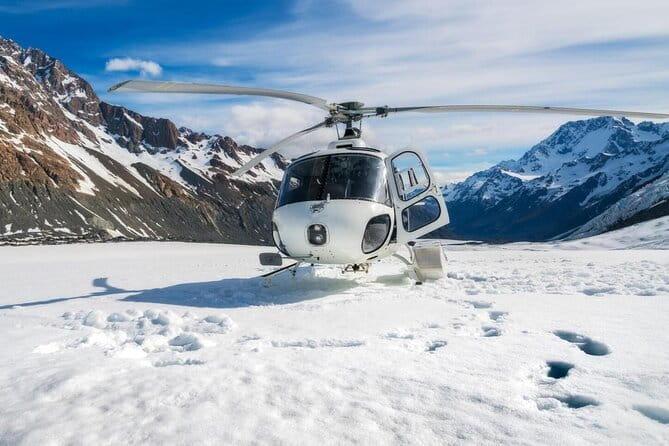
Your trek meals are largely covered, which helps. You’ll have 8 breakfasts, 8 lunches, and 8 dinners during the trekking days.
But tea house life has extras you’ll want to plan for. Hot showers and charging can cost around $2–$5. Also, sweet desserts and drinks aren’t included, and tea house menus can add up if you snack like a mountain squirrel.
Tips are expected for the guide, porter, and driver. The exact amount isn’t stated here, so you’ll want to budget something and keep it in mind when comparing trip costs.
And in Kathmandu, remember: lunch and dinner are not included. A day or two in the city can get expensive if you eat fancy every night.
Who this trek is best for
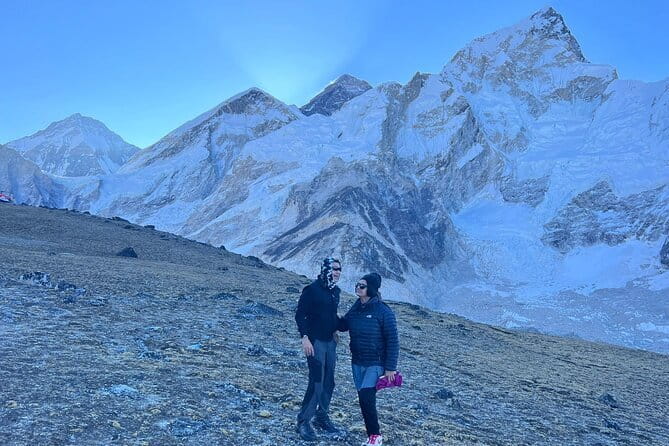
This is a great match if you:
- Want Everest Base Camp area in 9 days instead of longer timelines
- Have moderate fitness and can handle altitude but don’t want a technical climb
- Value safety structure: guide support, oximeter checks, and a planned pace
- Appreciate the “get the payoff, lose less time” style of travel
It may not be the best fit if you:
- Want a slow, wandering trek with lots of extra buffer days
- Prefer learning the mountain through long, gradual walks rather than a concentrated itinerary
- Expect to rest fully after day seven or eight—those days are still demanding
Should you book this Everest Base Camp with helicopter return trek?
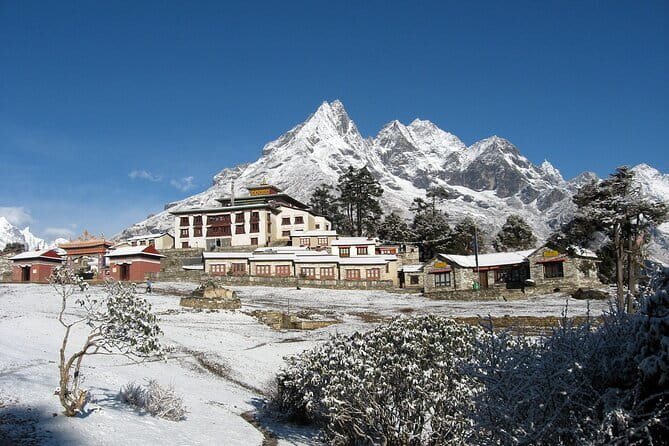
If your priority is to experience Everest Base Camp country and still get back in a tight time window, I think this one is worth considering. The helicopter return is the obvious selling point, but the real value is that the trip includes the systems that usually make Everest feel complicated: flights, permits, guided support, porter help, and altitude monitoring.
My call: book it if you want a structured, safe-feeling Everest adventure that respects time. Reconsider if you’re the type who needs lots of extra slack days to breathe, sleep, and recover.
If you’re unsure, do this quick self-check before you commit:
- Can you handle steep sections above Dingboche without panicking about breath?
- Are you okay doing a big viewpoint day (Kala Patthar) even with a helicopter later?
- Do you have travel/medical insurance and a visa plan ready?
FAQ
What is the duration of this Everest Base Camp trek with helicopter return?
It runs for about 9 days. You spend around 7 full days trekking in the mountains, then return to Kathmandu by helicopter on the final day.
How difficult is the trek?
The trek is described as moderate and suited to travelers with a moderate physical fitness level.
Where do the flights and helicopter operate?
You fly between Kathmandu and Lukla. On the return, the included helicopter flight goes from Gorakshep to Lukla.
What does the itinerary include during trekking?
You’ll follow a guided route that gradually ascends toward Kala Patthar, with stops including Namche Bazaar, Khumjung, Tengboche, Khumbu Glacier area, Gorakshep, and Kala Patthar.
Are meals included?
Yes. The trek includes 8 breakfasts, 8 lunches, and 8 dinners. Meals in Kathmandu (lunch and dinner) are not included.
Are permits and official fees included?
Yes. Permits/fees and taxes and official costs needed for the trekking area are included.
Is airport pickup included?
Yes. You get ground travel by private car, including help from an airport team for transfers and check-in support.
Do I need travel insurance?
Yes. Your travel/medical insurance is not included, so you’ll need to arrange it yourself.
Is there a refund if I cancel?
There is free cancellation up to 24 hours in advance for a full refund. If you cancel less than 24 hours before the start time, the payment is not refunded.