REVIEW · KATHMANDU
Private Manaslu Circuit Trek at Himalayas
Book on Viator →Operated by Himalayas On Foot - Day Tours · Bookable on Viator
This trek feels serious in a good way. You get the Manaslu Circuit route with the kind of planning that matters once you’re climbing toward Larkya La and Manaslu Base Camp.
What makes it interesting is the mix of long Himalayan walking days, real acclimatization time, and a quieter feel than the more crowded trails, all wrapped in a private setup from Kathmandu.
I especially like two things: the licensed guide support (including insurance and a well-equipped first aid kit with an oximeter), and the fact that key permits are handled for you. In reviews tied to this trek, guides such as Yaka and Raj are praised for matching pace and caring guidance, with Laxman noted for helping carry bags.
One consideration: you’re in a restricted trekking area, so this isn’t the kind of trip where you can easily improvise last-minute. Also, while the hike is doable with moderate fitness, the altitude climbs fast enough that you’ll want to follow the slow-and-steady plan and take the acclimatization days seriously.
In This Review
- Key Points I Think Matter Most
- Manaslu Circuit: Why the Restricted-Route Trek Feels Different
- Price and Value: What $1,500 Covers (and What It Doesn’t)
- What you get for the money
- What’s not included (budget for these)
- Guide and Organization: When Teamwork Actually Helps on Altitude
- Day 1: Kathmandu to Machha Khola (Getting Started the Right Way)
- Day 2: Jagat via Khorlabesi, Hot Springs, and Narrow Trail Crossings
- Day 3: Upward to Pewa (1,860 m) and That First Real Altitude Shift
- Day 4: Namrung at 2,630 m (Scenic Trek Time, No Room for Ego)
- Day 5: Lho (3,180 m) and a Shorter Day That Still Counts
- Day 6: Sama Gaon (3,530 m) and the Calm Before Base Camp
- Day 7: Manaslu Base Camp Acclimatization Day (Around 4,400 m)
- Days 8–9: Samdo at 3,690 m, Plus Time for Views and Trade-Pass History
- Day 10: Dharamshala at 4,460 m, With Bridges and Stream Crossings
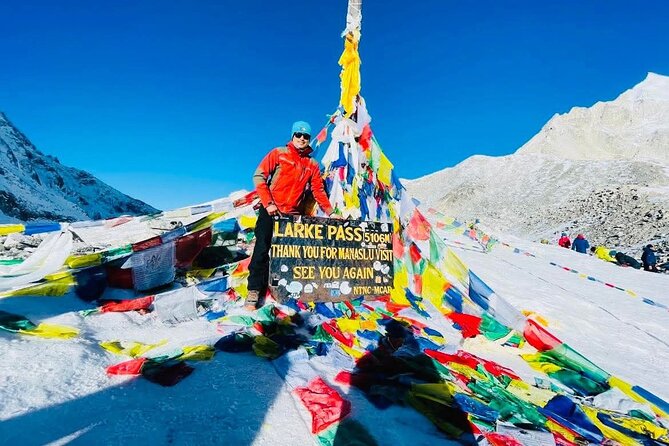
- Day 11: The Larkya La Pass Push (5,160 m) and Glacial Terrain
- Day 12: Bimthang (3,720 m) and the Long Descend Feeling
- Day 13: Dharapani (1,963 m) and the End of the Circuit Loop
- What Tea Houses and Lodge Stays Actually Mean for You
- Who This Trek Suits Best
- Should You Book This Manaslu Circuit Trek?
- FAQ
- What is the trek duration and highest altitude on the Manaslu Circuit?
- What permits and access are included for the trek?
- Are meals included during the trek?
- Do I get a porter with this private trek?
- Is the trek private, and how many people are required?
- What about drinks during the trek and emergency coverage?
Key Points I Think Matter Most
- Manaslu Restricted Permit + conservation permits included: less admin stress for you, more time to focus on walking and scenery.
- Private trek setup for your group: you’re not crammed into someone else’s rhythm.
- Acclimatization built into the itinerary at Manaslu Base Camp and Samdo: useful when altitude gets real.
- Larkya La is the high-water mark at about 5,160 m, with a long day to reach it.
- Tea house/lodge stays during the trek keep logistics simpler on the trail.
- Drinks cost extra while walking: tea houses are convenient, but your budget should assume you’ll pay for bottled drinks and snacks.
Manaslu Circuit: Why the Restricted-Route Trek Feels Different
The Manaslu Circuit is a restricted area, and that matters in two practical ways. First, it changes the vibe. You’re not in the type of crush you get on some famous routes. Second, it forces planning. You can’t just wing it; permits and timing are part of the experience, and that generally leads to smoother day-to-day movement.
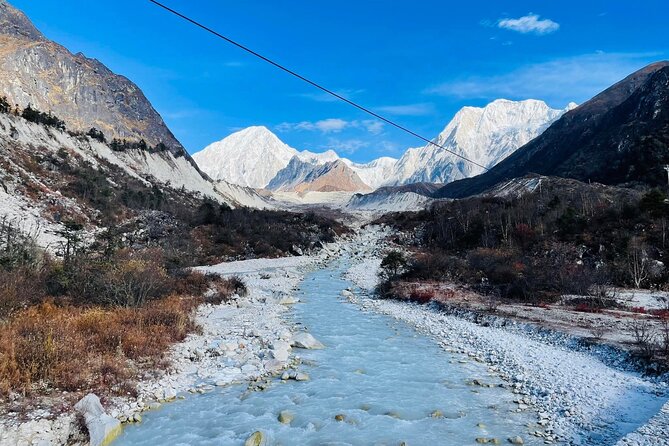
I also like that this trek leans into the real rhythm of the region: crossing rivers, moving between small settlements, and spending time at key altitude checkpoints rather than sprinting up and hoping your body cooperates.
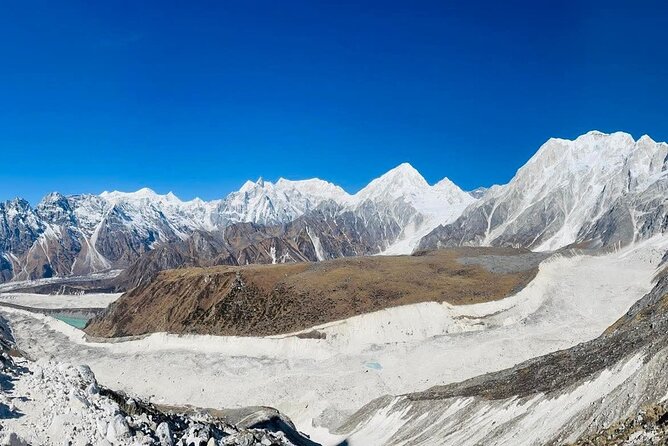
And yes, the big numbers are a draw—Manaslu is listed at 8,163 m—but you don’t just see the peak from one dramatic viewpoint. You experience the whole approach: changing vegetation, colder air, glacial-looking terrain, and a gradual shift from village life to high-altitude trekking country.
You can also read our reviews of more tours and experiences in Kathmandu.



Price and Value: What $1,500 Covers (and What It Doesn’t)
At $1,500 per person for a private trek, the value comes from what’s already built in.
What you get for the money
You’re covered for the heavy logistics:
- Kathmandu to Machha Khola by bus and Dharapani back to Kathmandu by bus
- A professional trekking guide with government license, plus his insurance and food
- Tea house/lodge accommodation during the trek
- Manaslu Restricted Permit and conservation permits (MCAP and ACAP)
- Meals included on the trail: 13 breakfasts, 13 lunches, and 12 dinners
- A farewell dinner in Kathmandu
- Basic safety support: well-equipped first aid kit and an oximeter
- Emergency planning: helicopter service can be arranged and paid through your travel insurance
Private trekking also means you’re not sharing decisions with a bigger crowd, and that can be a big deal on a long route where pace and altitude choices matter.
What’s not included (budget for these)
A few items can surprise people:
- Porter is not included
- All drinks during trekking (hard and soft drinks)
- Your personal travel insurance (important with high altitude)
- International airfare and visa fees/taxes
- Tipping the guide and porters
- Upgraded Kathmandu accommodation
If you’re the type who hates nickel-and-diming yourself on a trek, plan ahead for drinks and tips. Also, if you want a porter, you’ll need to arrange it outside what’s listed.
Guide and Organization: When Teamwork Actually Helps on Altitude
This trek’s quality shows up in details that keep you safer and less stressed. The guide is described as government-licensed with insurance and food provided. There’s also a first aid kit and an oximeter included, which is exactly what you want when weather shifts or someone in the group starts feeling the effects of altitude.
In reviews linked to this trek experience, guides like Yaka are described as knowledgeable, caring, and kind, with Raj praised for pace-matching and keeping the journey comfortable and safe. Laxman is specifically mentioned for being great company and for carrying bags.
That’s the kind of teamwork that matters most when the trail gets quieter and your body starts negotiating.




Day 1: Kathmandu to Machha Khola (Getting Started the Right Way)
Your Day 1 begins with a 7–8 hour drive from Kathmandu toward Machha Khola, which is the trekking starting point. The altitude listed for this day is about 1,400 m.
Why I like this approach: you’re not doing a long first hike while your body is still getting used to Nepal time, road dust, and early altitude changes. A driving start lets you begin Day 2 walking with more energy and fewer mistakes.
One drawback to consider: road time is still road time. Expect to feel a bit stiff even if the day isn’t physically hard.
Day 2: Jagat via Khorlabesi, Hot Springs, and Narrow Trail Crossings
On Day 2, you walk about 6–7 hours and reach Jagat (around 1,410 m listed). The route is described as narrow, crossing the Tharo Khola, then heading to Khorlabesi.
Two details stand out:
- A hot spring is mentioned along the way. That’s the kind of payoff that can feel extra nice after a narrower trail segment.
- The river crossing and trail narrowness suggest you should stay focused. This is not a day to chat through every step.
If you’re easy on your pace here, it pays off later.
Day 3: Upward to Pewa (1,860 m) and That First Real Altitude Shift
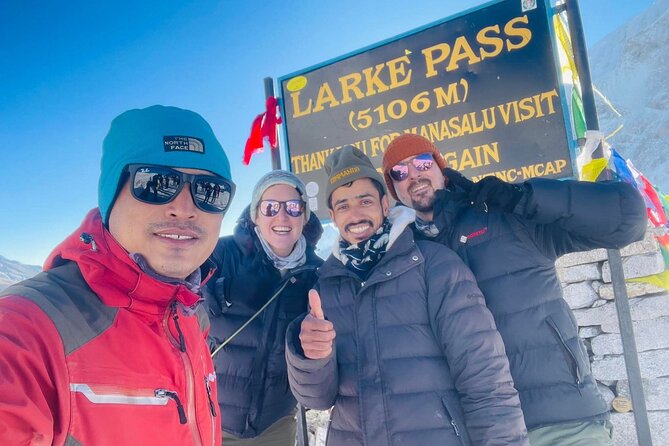
Day 3 includes about 7 hours of travel and tops out around 1,860 m at Pewa. The trek starts to feel more Himalayan: cooler air, fewer trees, and a noticeable difference in how your legs react.
The big tip for this kind of day: don’t treat altitude like distance. Even if walking feels manageable, breathing changes. Keep your effort steady.
Day 4: Namrung at 2,630 m (Scenic Trek Time, No Room for Ego)
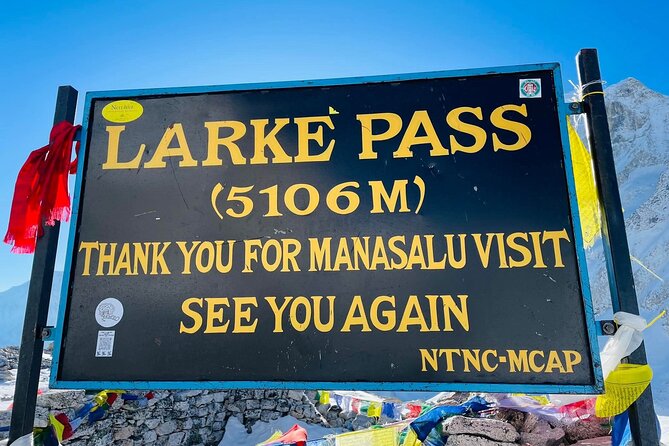
Day 4 lists 6 hours of travel and an altitude around 2,630 m at Namrung.
This day is often where people want to prove something, especially if they feel good after the first two days. The smarter move is to treat Namrung as part of a system: every higher step increases your risk if you rush. Keep your rhythm smooth.
Day 5: Lho (3,180 m) and a Shorter Day That Still Counts
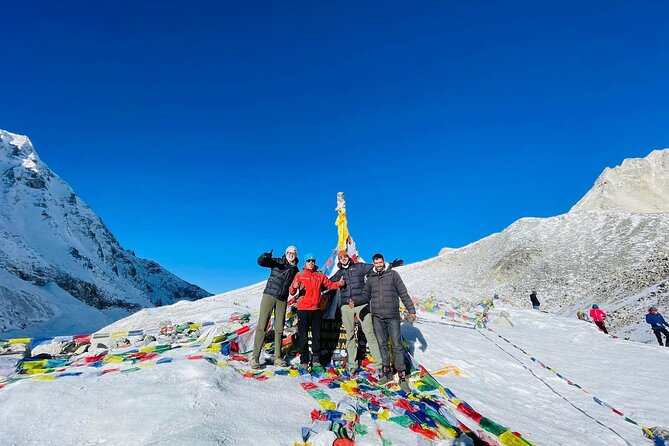
Day 5 is described as a rather short trekking adventure, with about 4 hours of travel, reaching Lho around 3,180 m.
Shorter doesn’t mean easy. It still advances you into thinner air, and it sets up your body for the coming acclimatization days. I’d rather have you arrive feeling steady than arrive feeling shattered.
Day 6: Sama Gaon (3,530 m) and the Calm Before Base Camp
Day 6 includes about 7 hours of travel and reaches Sama Gaon at 3,530 m.
This is one of those “you can actually feel altitude now” days. The trail shifts toward higher terrain and village life becomes more Tibetan-influenced in feel, with prayer wheels and mani walls in the larger region described for this trek.
If you like cultural details, this is a good day to slow down at settlements, not to rush through them.
Day 7: Manaslu Base Camp Acclimatization Day (Around 4,400 m)
Day 7 is an acclimatization day at Manaslu Base Camp (about 4,400 m).
This is where the itinerary shows its maturity. You’re high, you rest, and you give your body a chance to adjust instead of stacking another huge climbing day immediately after arrival.
A practical way to use an acclimatization day:
- keep walking easy or take short hikes if the guide suggests it
- hydrate and eat what’s offered
- avoid overexertion just because you’re feeling fine
If altitude is new to you, this day will teach you more than any map.
Days 8–9: Samdo at 3,690 m, Plus Time for Views and Trade-Pass History
Day 8 is listed as a 4–5 hour trek to Samdo at about 3,690 m, including a route that descends to the Budhi Gandaki River and then heads toward the Manaslu Base Camp area. The Larkya La trail is mentioned as passing through.
Day 9 is spent in Samdo for another acclimatization block. You can explore the village and there’s an option to hike up the valley to one of the trade passes to Tibet, with excellent views mentioned.
This is a great two-day stretch if you like mixing physical effort with context. You’re not just climbing; you’re learning what the route historically meant for movement and trade.
The only caution: spending two days around 3,690 m can tempt you to do too much because it’s not your highest altitude. Stay smart. Your body still needs consistency.
Day 10: Dharamshala at 4,460 m, With Bridges and Stream Crossings
Day 10 lists a 4–5 hour trek toward Dharamshala, reaching about 4,460 m. You cross a wooden bridge over the Budhi Gandaki and cross two streams along the way.
Why this matters: bridge and stream crossings can slow you down and make footing more important. It’s not just about legs; it’s about concentration.
If you wear footwear that’s stable and you keep your steps deliberate, you’ll feel calmer here.
Day 11: The Larkya La Pass Push (5,160 m) and Glacial Terrain
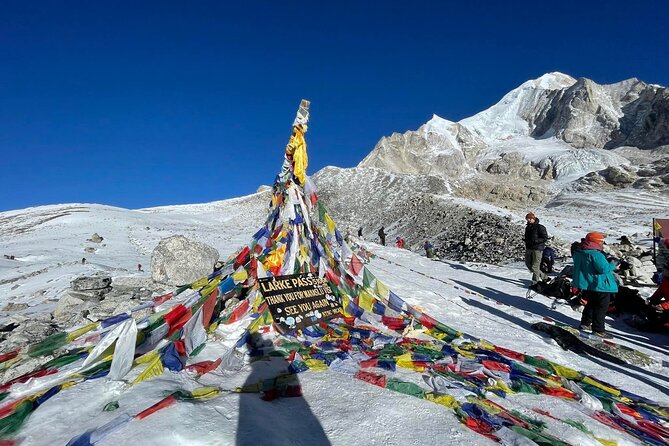
Day 11 is the long one: 7–8 hours to reach Larkya La Pass at about 5,160 m.
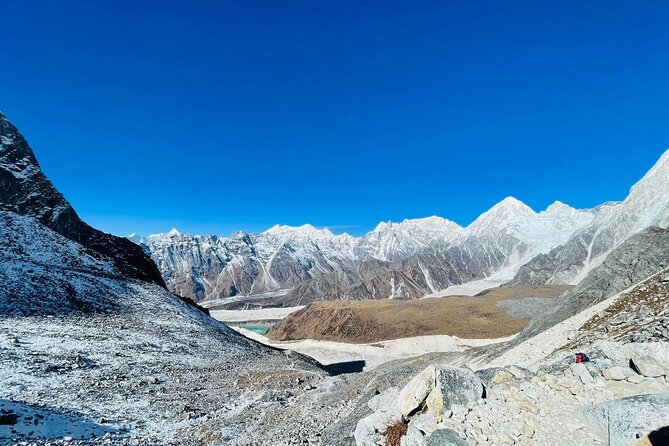
You reach a valley after a short walk, with views of Cho Danda and Larkya Peak mentioned. The trail then heads through moraines of the glacier (the text cuts off, but the key point is glacial remnants and uneven ground).
This is the day where pace discipline matters most. High passes don’t care if you feel strong at the start. Keep breathing controlled, move steadily, and follow your guide’s choices.
Day 12: Bimthang (3,720 m) and the Long Descend Feeling
Day 12 is listed as 9 hours of travel with an altitude around 3,720 m at Bimthang.
Descending days can feel easier, but they often hit your knees and feet. Also, your body is still recovering from the high pass day. In other words: treat it as a real trekking day, not a victory lap.
Day 13: Dharapani (1,963 m) and the End of the Circuit Loop
Day 13 finishes with 8–10 hours of travel to Dharapani at about 1,963 m. It’s described as the final day of the trek, where you spend the whole day and then return onward to Kathmandu by bus on the itinerary.
After 13 days, you’ll likely feel a strange mix of tired and emptied-out. That’s normal. A farewell dinner back in Kathmandu is included, which is a nice chance to decompress and talk through what you remember most.
What Tea Houses and Lodge Stays Actually Mean for You
This trek uses tea house/lodge accommodation, which is exactly what you want on a route like this. It means you’re not trying to solve camp logistics while your altitude is climbing.
Meal coverage is also strong: breakfast and lunch are included throughout, with dinners included on 12 nights during the trek. That coverage helps keep energy up without you constantly negotiating food on the trail.
Only note: drinks aren’t included, including both hard and soft drinks. Tea house life is convenient, but you’ll pay for what you drink.
Who This Trek Suits Best
This trek fits best if:
- you have moderate physical fitness
- you like a route that mixes nature with Tibetan-influenced village culture (prayer wheels, mani walls, monasteries described for the region)
- you want a private experience without a packed herd vibe
- you respect acclimatization and don’t treat altitude like a game
If you want a highly social experience with huge crowds, this might not be your match. If you want quieter walking and serious mountain time, it fits well.
Should You Book This Manaslu Circuit Trek?
I’d book it if you want a well-managed restricted-area trek where permits, guide support, and basic safety tools are included, and where the itinerary makes room for altitude adjustment instead of squeezing everything into a daily grind. The big selling points for me are the licensed guide, the included permits, and the way the route builds in acclimatization at Manaslu Base Camp and Samdo—that’s the stuff that helps you finish feeling proud, not wrecked.
Skip it (or ask more questions) if you hate long travel days in a bus or you’re expecting drinks and a porter to be included automatically. Also, because this is restricted and needs at least two people to book, it’s not always a “solo spur-of-the-moment” trip.
If you’re the type who likes calm adventure, consistent pacing, and mountain days with real planning behind them, this is a strong choice.
FAQ
What is the trek duration and highest altitude on the Manaslu Circuit?
The trek is listed as 13 days (approx.). The highest altitude shown is Larkya La Pass at 5,160 m (Day 11).
What permits and access are included for the trek?
The package includes a Manaslu Restricted Permit, plus Manaslu Conservation Area Permit (MCAP) and Annapurna Conservation Area Permit (ACAP).
Are meals included during the trek?
Yes. The tour includes 13 breakfasts, 13 lunches, and 12 dinners during the trekking portion. Meals in Kathmandu are not included.
Do I get a porter with this private trek?
No. A porter for your bag is not included. Tipping the guide and porters is also noted as not included.
Is the trek private, and how many people are required?
It’s a private tour/activity where only your group participates. Because it’s a restricted trekking area, there is a requirement of at least two people to book.
What about drinks during the trek and emergency coverage?
All drinks during trekking (hard and soft) are not included. In an emergency, a helicopter service can be arranged and paid through your travel insurance. Personal travel insurance is not included.