REVIEW · KATHMANDU
14 Days Everest Base Camp Trek
Book on Viator →Operated by Chamlang Expeditions · Bookable on Viator
Everest shows up fast on this trek. You’re moving through classic Khumbu villages, with Sherpa culture front and center, and then pushing all the way to Everest Base Camp without having to bring mountaineering gear. I love the all-inclusive setup that lines up domestic flights, permits, a trekking guide, porters, and meals. I also like the smart altitude rhythm, including a rest day in Namche that gives your body a better shot at adjusting.
One possible drawback: the trek lives on mountain weather. Flights to Lukla can get delayed, and you’ll want to be mentally flexible if clouds roll in or visibility drops.
In This Review
- Key highlights you’ll feel on the trail
- Everest Base Camp, simplified (and supported) from Kathmandu
- Day 1 to Day 2: landing in Kathmandu, then jumping into Khumbu mode
- Namche Bazaar: where altitude meets Sherpa culture
- The Namche rest day: why it’s worth doing nothing
- Tengboche Gompa: monasteries, mountain views, and a slower pace
- Dingboche and Nangkartseng: acclimatization with big payoff
- Lobuche and the Khumbu Glacier day: the most demanding stretch
- Kala Pattar and the return to Pheriche: when the sky opens
- The descent route: Namche again, then Lukla and the flight back
- Price and value: is $1,499 a fair deal for this kind of trek?
- Food, sleep, and the teahouse reality at altitude
- Who this trek suits best (and who should rethink it)
- Guide support: Bishal and Abhishek as examples of the care you’re likely to see
- Quick check: what to pack (without overthinking it)
- Should you book this Everest Base Camp trek?
- FAQ
- How long is the Everest Base Camp trek?
- What’s included in the trek price?
- Are meals included?
- Do I need a Nepal entry visa?
- What about travel insurance and medical coverage?
- Is water included?
- What if bad weather affects the trek?
Key highlights you’ll feel on the trail
- Small-group, private setup: it’s just your group, not a mixed crowd wandering at different speeds
- Flight to Lukla included: you skip the long approach and spend more days where the views matter
- Altitude support is built in: a rest day in Namche and quieter hikes give your acclimatization time
- Real in-the-mountains safety basics: oxygen cylinder, emergency medicine, and a first-aid kit are included
- Guide/porter attention: an English-speaking guide with a porter who carries up to 15 kg per person
Everest Base Camp, simplified (and supported) from Kathmandu
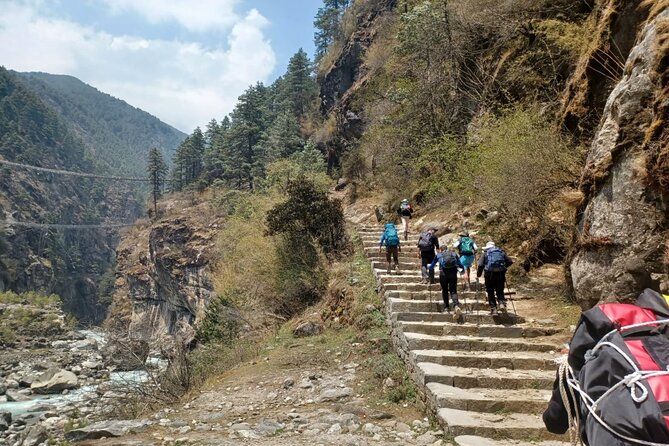
The big question for most people is simple: how do you go from Kathmandu traffic and coffee shops to Everest Base Camp without turning the trip into a logistics project?
This trek answers that by bundling the things that usually trip travelers up. You get the airport and hotel transfers in Kathmandu by private vehicle, then you’re set up for the most important hinge point of the whole journey: the short mountain flight to Lukla. From there, your days are built around staying in teahouses, eating well at altitude, and keeping your pace steady.
The other big value is that you’re not doing this alone. You have an English-speaking local trekking guide, and porters handle up to 15 kg per person. That doesn’t mean you avoid hills or breathing hard. It just means you’re not carrying your whole life on your back while trying to climb at higher altitude.
You can also read our reviews of more tours and experiences in Kathmandu.
Day 1 to Day 2: landing in Kathmandu, then jumping into Khumbu mode
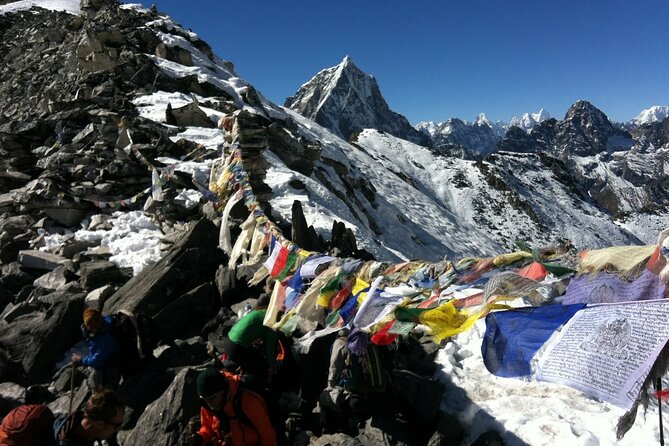
In Kathmandu, the trip starts with a simple pickup process at Tribhuvan International Airport, based on your flight details. Then it’s a transfer into the city for a shared hotel room—triple or double depending on what you book.
You’re also given a storeroom option in Kathmandu for extra luggage you don’t need for the trek. That’s helpful because you don’t want to lug extra bags around just to feel guilty for bringing them.
The first taste of the Khumbu world comes quickly. After pickup from your Kathmandu hotel, you fly from Kathmandu to Lukla. This flight is famously dramatic because the landing zone sits in the mountains. Even if you’ve seen videos, being in the plane is a different experience—watch your footing once you get out; your legs will feel it.
From Lukla, you start trekking toward Cheplung and then down to Phakding for an overnight stay. You’ll pass through pine and cedar forest and along trails dotted with prayer stones, suspension bridges, and river valleys. This is not the hardest day of the trek. It’s the day that teaches your body the basics: hike steadily, take breaks before you’re exhausted, and remember that thin air makes a slow pace feel like fast work.
Namche Bazaar: where altitude meets Sherpa culture
Namche Bazaar is one of those places you hear about before you ever step into it. Here, it’s not just a checkbox. It’s the main hub of the Everest region, historically tied to trading routes between Nepal and Tibet.
On the way in, you hike through Sagarmatha National Park terrain with old mani stone walls and suspension bridges. Expect the climb to feel more demanding than the distance suggests. Even if you’re fit, your body is still learning the altitude math.
When you reach Namche, you sleep in a trekking teahouse. These teahouses tend to be simple but functional, and they’re also where the whole trek’s rhythm comes from: eat, rest, hydrate, and watch the weather. If you’re the type who gets nervous about unknowns, this is where having a guide helps you read what’s changing around you.
The Namche rest day: why it’s worth doing nothing
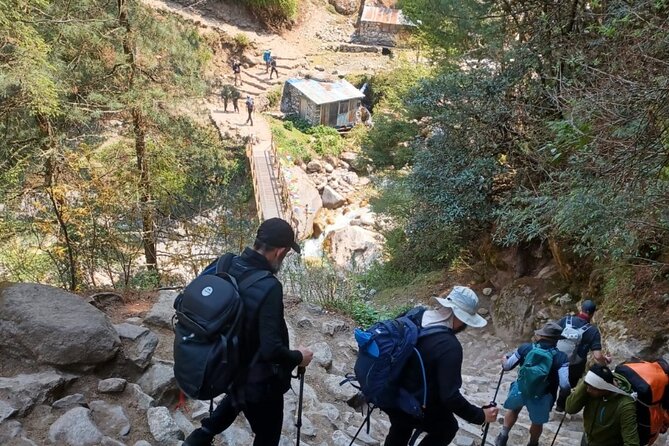
Day 4 includes a built-in rest day, and it’s one of the most useful parts of the entire itinerary. You don’t just stop because it’s convenient. You stop because altitude is the enemy of momentum.
The rest day includes a short sightseeing loop around the area, plus a trip to Syanboche Airport at about 3,700 meters. You’ll also get views of Mt. Everest when the weather is clear enough, along with visits like the Sherpa Culture Museum and an Everest photo gallery.
This day is where you’ll either feel better for the rest of the trek… or you’ll realize you need to slow down more. Take it seriously. If you need frequent breaks, take them. If you want to pace the day like it’s a warm-up rather than a hike, do that. It’s not weak. It’s smart.
Tengboche Gompa: monasteries, mountain views, and a slower pace
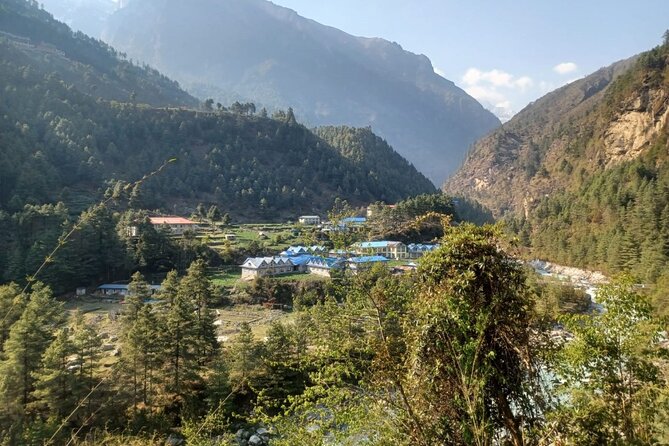
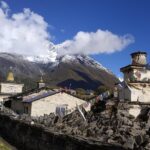
From Namche, the route moves toward the Dudh Koshi valley and then up toward Tengboche Gompa. You’re hiking in a region where religious sites and daily life overlap. Tengboche Gompa sits at about 3,860 meters and is set with big mountain backdrops, including Everest and Ama Dablam on clear days.
Practically speaking, this day tends to feel like a transition: you go from the busier Namche area into a quieter, more spiritual stretch of the trail. You’ll spend time at the monastery, and then you’ll settle into another teahouse overnight.
The drawback to keep in mind: at altitude, your energy can drop faster than you expect. If you’re behind schedule on earlier days, you may feel it here. On the flip side, if you’ve stayed calm and steady, Tengboche can feel like the moment the trek turns from effort into awe.
Dingboche and Nangkartseng: acclimatization with big payoff
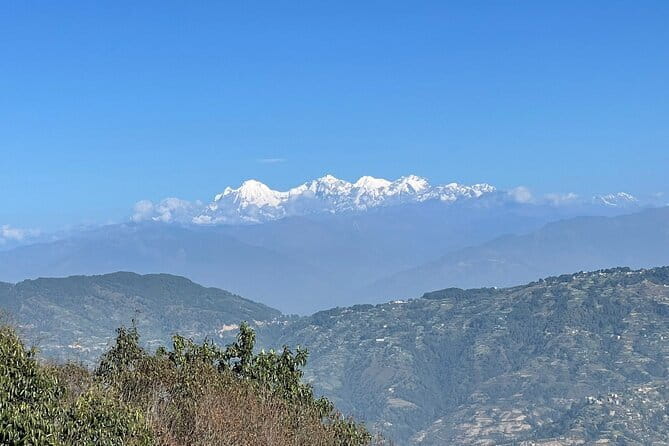
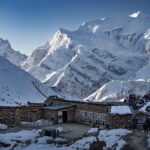
Dingboche is your next major high-altitude stop, sitting around 4,410 meters. The trail passes mani stones and climbs through what’s often called the summer valley area.
This is also where you’ll appreciate having a plan. Your itinerary includes a day focused on acclimatization rather than “just pushing forward.” There’s a hike to Nangkartseng Hill with panoramic views that can include Lobuche East, Lobuche West, Kangtega, Taboche Peak, Thamserku, and Ama Dablam—depending on conditions. You’ll also likely see Makalu in favorable weather.
After you hike up, there’s time to relax—sunbath included in the schedule, which sounds funny until you’ve been chilled at altitude. The air gets thinner, and warmth can turn into a reward.
Lobuche and the Khumbu Glacier day: the most demanding stretch
From Dingboche, you continue to Lobuche, crossing toward the Khumbu Glacier zone. This part of the trek is where the altitude and the footing both become more serious.
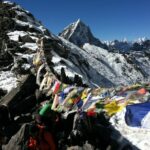
You’ll walk past places with chortens and prayer flags, and your route eventually brings you to a point where the glacier environment becomes the main focus. When you arrive at Lobuche, you’ll spend the night in a teahouse and refuel.
Then comes the big day: Everest Base Camp.
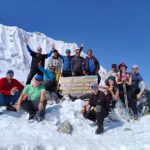
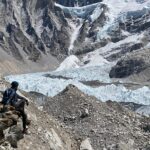
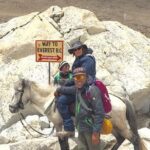
The hike to Everest Base Camp is a long day that follows the Khumbu Glacier and climbs up to reach Base Camp at about 5,365 meters. This is the closest you can get to Everest’s lower world without mountaineering equipment. The view of the Khumbu Icefall from Base Camp can be spectacular, and it’s the kind of moment that makes the previous days feel like one continuous build.
Real talk: this is a difficult day walk. You’ll want to keep your pace slow and consistent. Don’t try to “win” the distance. At altitude, going fast usually costs you twice.
Kala Pattar and the return to Pheriche: when the sky opens
After reaching Base Camp and sleeping back in Gorak Shep, you go to Kala Pattar. This is one of the most famous viewpoint hikes in the region, and the itinerary’s timing makes sense: you’re going early and positioning for clearer light and visibility.
From Kala Pattar, you can get sweeping views that may include Everest, Nuptse, Chagatse, Lhotse, and Pumori, among others. Then the schedule takes you down toward Pheriche for the night.
This down day matters. Descending can still feel hard, but it generally helps your body recover. And since you’re already high, recovery becomes part of how you finish strong.
The descent route: Namche again, then Lukla and the flight back
From Pheriche, the trek works its way back down through the villages. The plan includes a descent to Pangboche and a loop back via Phungki Thanka and Kyangjuma to reach Namche Bazaar again.
That return route is useful because it gives you a different perspective. You’re not seeing these places for the first time—you’re walking them again with more context. The trail feels familiar, even if your legs aren’t.
After you reach Namche, you keep walking down toward Lukla. The schedule includes crossing suspension bridges above the Dudh Koshi and ending the day in Lukla. Then your trip wraps with the scenic flight back to Kathmandu—around 35 minutes—and a transfer back to your starting hotel.
Price and value: is $1,499 a fair deal for this kind of trek?
At $1,499 per person, the price can look steep until you map what’s actually included.
You’re getting:
- domestic return flights between Kathmandu and Lukla
- an English-speaking local guide
- a porter carrying up to 15 kg per person
- teahouse accommodations throughout the trek (plus shared hotel rooms in Kathmandu)
- most meals (breakfast, lunch, and dinner as listed)
- trekking permits and TIMS card
- a cleaned high-altitude sub-zero sleeping bag
- oxygen cylinder, emergency medicine, and a first-aid kit
That’s a lot of logistics handled for you, especially the flights and the permit side, which are often annoying to manage on your own. The big thing to remember is what’s not included: water or drinks, and your Nepal entry visa if you need one (listed as $40 for foreign trekkers; not needed for Indian citizens). Travel insurance is also not included, even though porter and guide insurance is.
For most trekkers, this kind of included support is the real value: fewer stressful decisions, less gear wrangling, and more time spent on the mountains.
Food, sleep, and the teahouse reality at altitude
Teahouse travel works because it’s consistent: you arrive, you eat, you sleep, and you repeat. You’ll be in teahouse accommodation Day 2 through Day 12, with meals included as scheduled.
Still, it helps to be realistic. Teahouses at altitude are basic by default. Warm rooms and hot drinks depend on the day, and the higher you go, the more you’ll notice how cold the evenings can get. This is where the provided sleeping bag matters. It’s high-altitude sub-zero rated and hygienically cleaned, which reduces one of the most common trekking headaches: packing the right gear without ending up with the wrong temperatures in your bag.
Who this trek suits best (and who should rethink it)
This is for you if you want a guided Everest Base Camp trek with a steady plan for acclimatization, and you’d rather spend your energy on walking than spreadsheets. The trip also leans toward travelers with strong physical fitness, because the days are long and altitude adds difficulty even when you’re not trying to race.
It may not be a great match if:
- you’re not comfortable with long days of hiking at high altitude
- you get thrown off easily by weather delays (Lukla flights are weather-dependent)
- you prefer fully independent travel with no guide/porter structure
If you’re a first-time EBC trekker, the presence of guide support and porter help is especially reassuring.
Guide support: Bishal and Abhishek as examples of the care you’re likely to see
One of the most positive threads in the trip’s feedback is the human side—how guides show up when things get hard.
For example, a reviewer thanked Bishal for taking care of everything, calling him brilliant and supportive. Another solo trekker mentioned Abhishek as a young, enthusiastic guide who did a great job. The common theme is encouragement and practical help during the climb and decision moments.
Even if you don’t know who you’ll be paired with, this kind of record usually points to a team culture built around making the trek feel manageable, not just possible.
Quick check: what to pack (without overthinking it)
You’re provided a high-altitude sleeping bag, so you don’t need to bring one. You’ll still want to pack smart for cold nights and long days.
Given that water and drinks are not included, plan for hydration costs. And because porters carry up to 15 kg per person, you’ll want to keep your main luggage light so you don’t hand your porter a suitcase from your last vacation.
If you bring layers, you’ll be happier. Altitude can shift your temperature fast, and trekking often means you warm up, then cool down hard.
Should you book this Everest Base Camp trek?
If you want the classic Everest Base Camp experience but prefer to have most of the heavy lifting handled—flights, permits, guide, porter, meals, and teahouse stays—this is a strong option. The route’s built-in acclimatization days are a real plus, not just a schedule filler.
I’d book it if you’re comfortable hiking long days, you’re ready for altitude challenges, and you’re okay with weather-driven changes around Lukla. If that sounds like you, this trip gives you a clean path to one of the most iconic trekking destinations on earth—without turning the journey into a test of your organizational skills.
FAQ
How long is the Everest Base Camp trek?
The trek runs for 14 days (approx.).
What’s included in the trek price?
Your package includes airport/hotel transfers in Kathmandu, shared accommodation in Kathmandu and teahouses during the trek, return flights Kathmandu–Lukla, an English-speaking trekking guide, a porter (up to 15 kg per person), TIMS card, trekking permit, most meals as listed, a cleaned high-altitude sub-zero sleeping bag, and basic safety items like oxygen cylinder, emergency medicine, and a first-aid kit (as provided in the inclusions).
Are meals included?
Yes. Breakfast is listed for 14 days, and dinner/lunch are listed for 12 days during the trek.
Do I need a Nepal entry visa?
The data says the Nepal entry visa is $40 for foreign trekkers and is not needed for Indian citizens.
What about travel insurance and medical coverage?
Travel insurance for you is not included. The data notes medical and life insurance for porters and guides, but your own travel insurance and potential evacuation expenses are not covered in the package.
Is water included?
No. Water or any kind of drinks are not included.
What if bad weather affects the trek?
The experience requires good weather. If it’s canceled due to poor weather, you’ll be offered a different date or a full refund. There’s also free cancellation up to 24 hours before the experience start time for a full refund.