REVIEW · KAMPALA
3 -Day Private Gorilla Trekking Safari in Bwindi Forest
Book on Viator →Operated by Lifetime Experience Safaris - Private Day Tours · Bookable on Viator
Gorilla trekking in Bwindi is the rare kind of trip that feels real. I love the private setup and the smooth, full-service feel from Lifetime Experience Safaris, and I also love the practical details—bottled water in the vehicle and extra bottled water for the trek. One thing to plan for: the hike can take 3 to 5 hours, and if you’ve got a cold, cough, flu, or other infectious symptoms, you won’t be allowed to track the gorillas.
What makes this safari work is the balance: enough structure to take the stress out of logistics, plus real time in the forest and a calm payoff afterward at Lake Bunyonyi. The only real drawback is timing—Day 2 starts early, and Day 3 is a long 8-hour drive back toward Entebbe, so you’ll want to keep your energy for the trek.
In This Review
- Key Details That Make This Safari Click
- A Scenic, Early-Morning Start From Kampala To Bwindi
- Ruhija And Bakiga Lodge: Community-Managed Comfort After The Road
- Day 2 Begins With Orientation, Not Guesswork
- What You’ll Wear And Pack For The Gorilla Trek
- Matching To Your Gorilla Family: How The Ranger System Works
- The Gorilla Encounter: What It Means And Why It Hits So Hard
- Lake Bunyonyi: Your Quiet Reward After The Hustle
- The Return Drive: Equator Stop And Late-Afternoon Arrival
- Price Breakdown: Why $1,698 Can Still Feel Like Value
- What I’d Watch Out For Before You Book
- Private-Service Feel: The Human Touch That Shows Up
- Who This Gorilla Trek Is Best For
- Should You Book This 3-Day Private Bwindi Gorilla Trek?
Key Details That Make This Safari Click
- Private transportation and an English-speaking driver/guide help you move without headaches between stops
- Permit included (listed at $700) means you’re not piecing together the most important cost yourself
- Trek prep is detailed: daypack, long sleeves and trousers, non-perfumed insect repellent, and gardening gloves for thorns
- Pre-trackers do the hard part first, so your ranger-led group gets matched to the right gorilla family
- Bunyonyi is a reset button: glassy lake calm, terraced hills, and strong chances to see lots of birds
A Scenic, Early-Morning Start From Kampala To Bwindi
This safari starts early—plan for a 6:00 am start time. You’ll be departing Kampala for Bwindi Impenetrable Forest, and that first stretch matters because it buys you daylight and time to settle in before the big Day 2.
The drive is described as scenic, and it gets especially pretty as you approach Bwindi. This area is often called the Switzerland of Africa, thanks to terraced mountains and hillsides that keep turning up around the bends.
You’ll stop for lunch on the road in Mbarara, then continue on until you reach the Ruhija area in late afternoon. That late-afternoon arrival is one of those small planning choices that helps: you’re not trying to do a full day immediately after a long drive.
You can also read our reviews of more tours and experiences in Kampala.
Ruhija And Bakiga Lodge: Community-Managed Comfort After The Road
After you arrive in Ruhija, you check into Bakiga Lodge. It’s described as a small community-owned and managed lodge, and that’s a big part of the appeal if you like your tourism tied to local control rather than outside extraction.
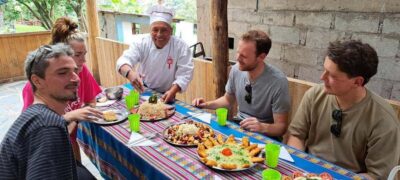
This safari is positioned as a mid-range, full-service style experience, and meals are included in a way that feels more complete than “just showing up.” Bottled water is also included in the vehicle, which is a practical life-saver on a road trip day.
One detail I like is the focus on food quality: Bakiga Lodge is noted for having a better quality menu. After a long day of driving, that small upgrade can feel like a real difference rather than a marketing line.
Day 2 Begins With Orientation, Not Guesswork
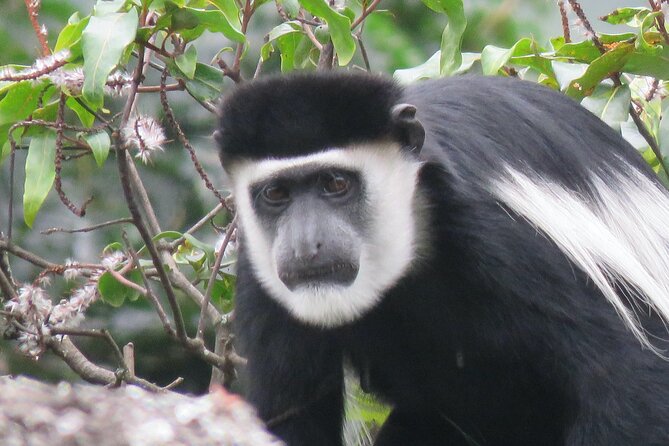
Day 2 is where the safari becomes serious—in a good way. You’ll have an early breakfast, then head to the Bwindi offices in Ruhija for the morning orientation and ranger meeting. This is where you learn how your gorilla tracking will work and where you get sorted into the group you’ll trek with.
You’re assigned a gorilla family by Uganda Wildlife Rangers. The decision is made based on things like your age, fitness level, and preferences, which is thoughtful because gorilla trekking isn’t one-size-fits-all.
This is also the moment to take the health rules seriously. If you have a cold, cough, flu, or other infectious ailments, you won’t be allowed to trek. It’s a tough rule, but it’s also part of protecting both people and gorillas.
You’ll need a daypack. The safari includes a packed lunch from Haven Lodge, and it also provides two liters of bottled water for the day’s trek. That’s not just convenience—it’s a clear signal that this trip respects how tiring the forest can be.
What You’ll Wear And Pack For The Gorilla Trek
The trip gives you very specific guidance on what to wear and bring, and that’s smart because Bwindi is tough terrain. You’ll want well-worn hiking boots, long trousers, and a long-sleeved shirt for protection.
Use non-perfumed insect repellent, and apply it before you enter the areas where insects can be persistent. The trip also stresses insect and critter protection—flies are specifically mentioned—so don’t treat repellent as optional.
Bring sturdy gardening gloves. These aren’t for gardening. They’re for protection against thorns and nettles, which is exactly the kind of real-world forest detail that makes the difference between a painful day and a manageable one.
Matching To Your Gorilla Family: How The Ranger System Works
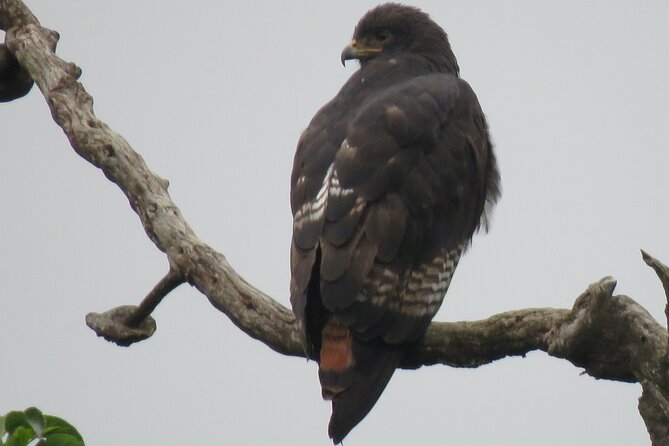
Once your group is set, the trek begins with the orientation and family assignment. Pre-trackers are out in the forest first, locating the gorilla family you’ll be visiting. That means you’re not wandering blindly through the forest hoping to stumble on a sighting.
The hike itself is described as three to five hours long. Your exact route depends on where the gorillas are that day, but the general time window gives you a realistic expectation for planning your day and your pace.
The tracking is in the Bwindi Impenetrable National Park, and a note included in the trip details is about elevation: if your tracking is in the Buhoma area, it’s at a lower elevation, so altitude issues are not expected to be a problem.
That detail matters if you’re someone who worries about high-altitude travel. In this safari plan, the focus is on making the experience manageable, not intimidating.
The Gorilla Encounter: What It Means And Why It Hits So Hard
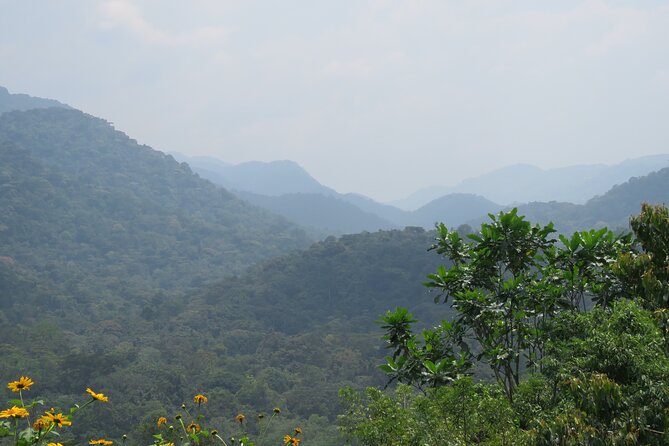
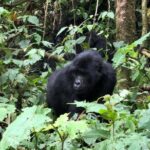
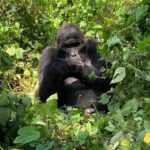
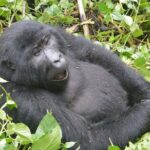
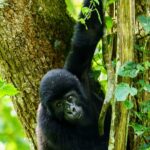
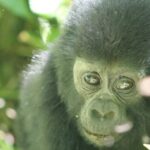
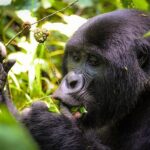
The actual encounter with your assigned gorilla family is the heart of the whole trip. Mountain gorillas can only be seen in the wild, and the safari emphasizes that they do not survive captivity. That point isn’t just informational—it helps you understand why the trekking rules, timing, and ranger control are so strict.
When you meet gorillas in their environment, you’re not getting a staged experience. You’re seeing animals that live on their own terms, and that’s why people remember this kind of encounter long after the photos fade.
The tone of the experience is also clear: a trained ranger system, pre-trackers locating the family, and a group structure that considers age and fitness. It’s built to give you a safe way to get close without turning the forest into chaos.
Lake Bunyonyi: Your Quiet Reward After The Hustle
After the trek, you shift gears—big time. Lake Bunyonyi is presented as a place to relax, with calm water and a slower pace.
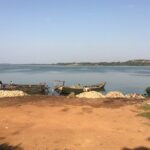
The lake’s surface is described as smooth and reflective like glass, largely because it has little to no wave action and is shielded from high winds by surrounding terraced hills. Even if you don’t force a long boat plan, the “sit and breathe” part of Bunyonyi can do a lot for your recovery.
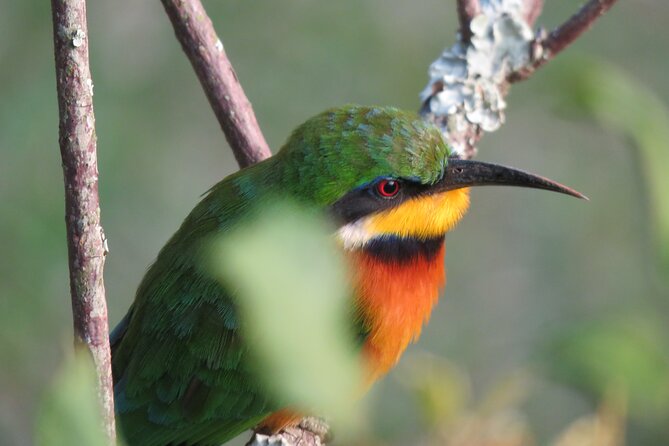
This is also a strong bird area. Over 200 bird species have been identified, so if you enjoy watching small movements and calls, you’ll likely find something interesting without needing a birding guide.
It’s worth noting that Bunyonyi isn’t framed as a theme park. Towns along the shores include Kyevu and Muko, and boats frequently carry villagers back and forth across the lake. That local rhythm is part of the charm, and it makes the area feel lived-in rather than manufactured for tourists.
You get about two and a half hours here, so treat it like a reset window. Don’t overplan it. Let your body catch up.
The Return Drive: Equator Stop And Late-Afternoon Arrival
Day 3 is travel-heavy, and that’s just the reality of Bwindi being far from the coast of the main tourist network. After breakfast, you drive back toward Entebbe (the route is described as an 8-hour drive), with lunch halfway to break up the long stretch.
There’s a must-see stop on the way at the Equator, known locally for the classic picture moment. The safari notes you can stop for the traditional Equator photo, plus lunch/snacks and souvenirs.
Then you arrive in Entebbe in the late afternoon. The trip includes an option to arrange a hotel or at least a day room so you can freshen up. That’s practical if you’ve got a flight the next day, because it’s easier to rest with some comfort instead of hanging around tired.
You end your safari in Entebbe, with the trip framed as closing out your time in Uganda’s Pearl of Africa.
Price Breakdown: Why $1,698 Can Still Feel Like Value
This safari is listed at $1,698 per person. The biggest single line item included is the gorilla trekking permit, listed at $700. That matters because gorilla permits are the non-negotiable foundation of any Bwindi gorilla trip, and you’re not gambling on getting that sorted separately.
Beyond permits, you’re also paying for the operational pieces that are hard to assemble on your own: private transportation, two nights of lodging, and all meals (including meals served outside the lodge during the tour). Your driver/guide is included, and that’s where the private part can pay off. It’s not just “a car.” It’s someone helping you keep the schedule on track and making the day feel smoother.
On top of that, the itinerary provides packed lunch for the trek and bottled water supplies for the day—two details that sound small until you’re actually hiking in humidity and thick undergrowth.
So is $1,698 cheap? No. But it’s also not a bare-bones “good luck” experience. If you want fewer moving parts and you value having someone handle the schedule, this price starts to look like a structured way to buy certainty.
What I’d Watch Out For Before You Book
The biggest consideration is physical and health readiness. The trek is three to five hours, on uneven ground, and the safari explicitly says travelers should have moderate physical fitness. If you’re dealing with a persistent illness, take the health rule seriously—if you have an infectious ailment like cold/cough/flu, you won’t be allowed to trek.
The second consideration is time and energy. Day 1 includes a long drive and late-afternoon arrival, and Day 3 includes that 8-hour return drive plus an Equator stop. If you get motion-sick easily, think about it in advance.
Finally, gorilla permits are limited during peak periods—June through October and December through March—so your dates matter. If you’re traveling in those windows, you’ll want to confirm permit availability early.
Private-Service Feel: The Human Touch That Shows Up
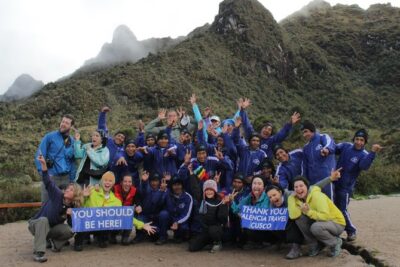
The reviews around Lifetime Experience Safaris highlight a consistent theme: communication and organization. Names that come up include Jesse (also referenced as Jesse-Thomas) and a guide named Roland, and those details aren’t just trivia—they point to a safari style that tries to make the process feel calm.
One person notes that the drive and itinerary worked smoothly and that they were picked up at Kigali airport and transferred to Bwindi. Even though the tour summary here points to Kampala/Entebbe starts, that kind of flexibility can matter if you’re combining parts of your trip across Rwanda and Uganda.
Another review mentions itinerary satisfaction after Jesse was recommended by friends. That’s not a guarantee, but it reinforces that this operator tends to pay attention to what you want and then matches the plan to it.
Who This Gorilla Trek Is Best For
This tour fits well if you want:
- A private setup where your group moves together and you’re not sharing the day with strangers
- A structured gorilla trekking experience with ranger-led matching to a gorilla family
- Mid-range lodging that’s comfortable after travel days, without going ultra-luxury
If you’re traveling with mixed fitness levels, the matching system (age and fitness considered) is a plus. If you’re traveling as someone who doesn’t want to juggle permits, transfers, and meal planning, this style is built for that.
If you’re looking for a totally DIY adventure with zero structure, this won’t be the best match—this is about getting things handled well, so you can focus on the forest.
Should You Book This 3-Day Private Bwindi Gorilla Trek?
If you want the classic Bwindi gorilla moment with fewer logistics headaches, I’d say yes—especially because the permit is included, the meals and water are handled, and the trek day is supported with clear prep guidance like gloves and non-perfumed repellent.
Book if you’re willing to hike for a few hours and you’re healthy enough to meet the tracking rules. Skip or plan carefully if you know you’ll struggle with uneven trails, or if you’re likely to travel while sick.
And if you like your travel with a human operator behind it, the names that show up—Jesse and Roland—are a good sign that this is organized in real life, not just on paper.