REVIEW · CUSCO
7-Day: Inca Trail Trek to Machu Picchu Group Tour
Book on Viator →Operated by Valencia Travel Agency S.a.c. · Bookable on Viator
Morning starts at 4:30. This 7-day Inca Trail trek to Machu Picchu sunrise is interesting because it handles the stuff that usually eats up your time: camps, entry logistics, transport links, and the timing to reach the citadel early. You start and end in the Cusco area, with round-trip travel connected to Alejandro Velasco Astete International Airport.
I love how the route takes you along the real Inca Trail experience, including major stops like Phuyupatamarca and Wiñay Wayna, with the kind of pacing that makes the climb feel manageable. I also like the human touch: a professional chef runs the camp setup, meals are included across the trek days, and porters take care of company equipment so your pack stays more reasonable.
The main consideration is that this trip is not easy, and you feel that fast. Nights can run around 4–5°C, you must carry your own personal items, and sleeping bags are not included, so you’ll want to plan for cold early starts and colder ground.
In This Review
- Key highlights you should know
- Cusco first: how you set yourself up for the trek
- Entering the Inca Trail at Piscacucho and setting camp near Wayllabamba
- Dead Woman’s Pass: the steep climb you’ll talk about for years
- Phuyupatamarca and Wiñay Wayna: cloud forest walking plus big Inca feelings
- Intipuncu before sunrise and your guided Machu Picchu morning
- Aguas Calientes time, then Cusco and Lima flights
- Price and logistics: what $1,145 is buying you
- Camp comfort, food, and porters: the part people remember
- Fitness, timing, and the group size you’ll feel
- Packing tips from what the tour leaves to you
- Should you book this Inca Trail group tour?
- FAQ
- What airport does the tour use for pickup and drop-off?
- What time does the trekking day begin?
- Are meals included on the Inca Trail and Machu Picchu days?
- Do I need to bring my own sleeping bag and mattress?
- Is a vegetarian meal option available?
- What transportation is included to reach Machu Picchu?
- Is there an extra cost for traveling solo?
- How many people are on the tour?
- If I cancel, can I get a refund or change dates?
Key highlights you should know
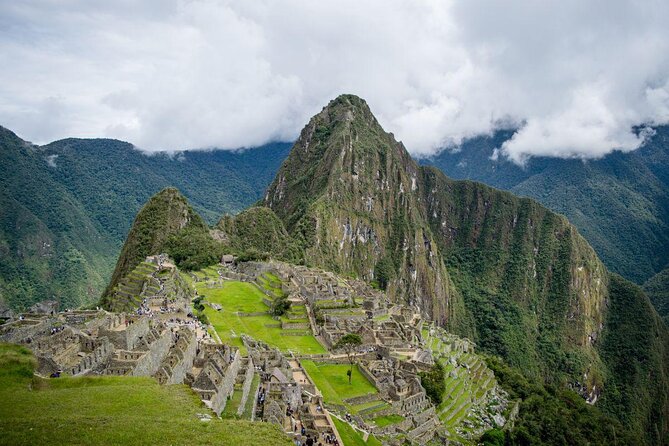
- Sunrise timing built in: you reach Intipuncu (Sun Gate) before sunrise for your first Machu Picchu views
- Real Inca route focus: you pass iconic Inca sites on the trail, including Phuyupatamarca and Wiñay Wayna
- Food and camp support included: dining tent setup, table seating, and a professional chef
- Camping gear provided, with limits: tents (4-man, shared by 2) and foam mattresses are included
- Altitude-minded extras: oxygen bottles and a first aid kit are part of the tour gear
Cusco first: how you set yourself up for the trek
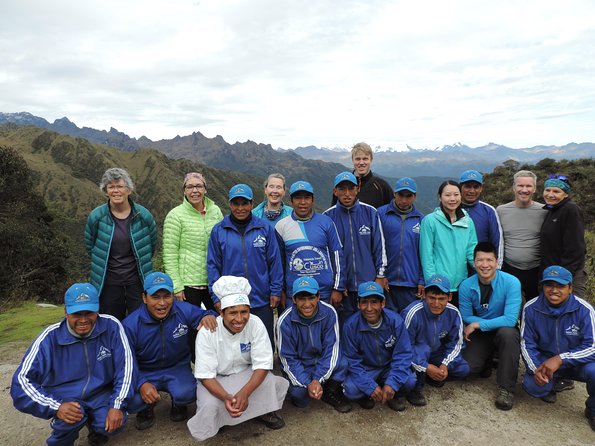
Cusco isn’t just a pretty staging point. It’s the historic capital of the Inca Empire, sitting high in the Andes, and it’s one of the best places in Peru to get oriented before you start walking for days. After you arrive, you get a transfer to your hotel, plus a welcome meeting with your guide for a quick briefing. Then you can do what you actually want: stroll, eat well, and adjust.
Day 2 gives you breathing room. You get a free day to explore Cusco at your own pace. This matters because the Inca Trail climbs and sleeps high. Taking the day easy helps you avoid the classic mistake: feeling like you need to “earn” the trek with extra hard effort on Day 2.
If you’re the type who likes checklists, make one now: plan your meals, keep water nearby, and get your trail essentials ready for the early start. You’ll be glad you did when the clock hits 4:30.
You can also read our reviews of more tours and experiences in Cusco.
Entering the Inca Trail at Piscacucho and setting camp near Wayllabamba
On trekking day, the meeting point is early, at Hotel around 04h30. From there, you continue until Piscacucho for check-in at the control point. You’ll need to show your passport and tickets, and this is where the reality of limited access comes in. It’s also the best moment to handle the small stuff: use restrooms, apply sunscreen, and put on insect repellent.
Then the trail begins at about 2,720 m / 8,923 ft. You head across the Vilcanota River on the right side. It’s a good first-day rhythm: enough walking to feel like you’re truly on the Inca Trail, but not yet the kind of punishing altitude day that comes later.
As you go, you’re watching the mountains change character. You’ll see the Urubamba mountain range that divides the jungle and the Andes, with the snow-capped peak of W’akay Willca (Veronica) in the mix. These are the moments that make the Inca Trail feel spiritual on paper and very real in your legs.
By the end of the day you camp near Wayllabamba at around 3,000 m / 9,842 ft. Expect nighttime temps around 5°C, depending on the month. Translation: bring warm layers, even if the daytime sun looks friendly.
Dead Woman’s Pass: the steep climb you’ll talk about for years
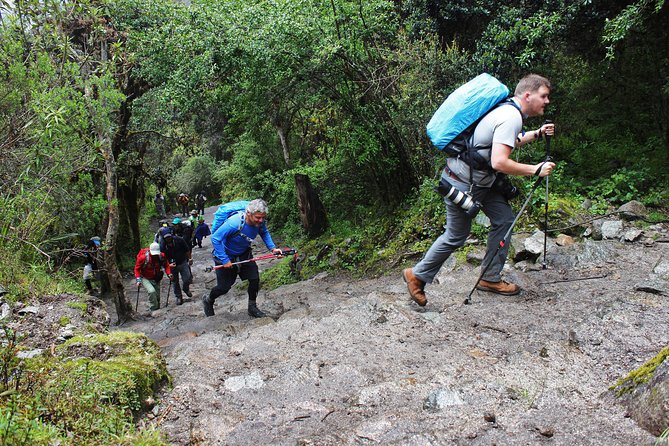
Day 3 starts with purpose. After breakfast, you’ll get ready while it’s still about 5:30 am, because you need daylight and strength for what comes next. You climb toward Abra de Warrmihuañusca, the Dead Woman’s Pass at 4,200 m / 13,779 ft.
This part of the trail is steep, and the tour frames it as pilgrimage route tied to the Apus, the mountains or gods that protect the Andes. Whether you’re religious or just curious, it helps to think of it that way: this isn’t a “quick hike.” It’s a high pass with a lot of history behind why people once walked it with ceremony.
After reaching the pass, you get a break. Then you start descending to lunch at Pacaymayu, around 3,550 m / 11,646 ft. One of the nicest surprises on this day is birdlife. You might spot hummingbirds, plus you’ll pass native plants and cloud-forest trees such as Polylepis, which grow at those elevations.
The day isn’t over after lunch. You climb again to Runkuracay pass near 4,000 m, and you set up camp by about 5 pm. Nights can hover around 4°C. If you’re planning to sleep like you do at home, adjust now. This is camping in cold air, not a hotel.
Phuyupatamarca and Wiñay Wayna: cloud forest walking plus big Inca feelings
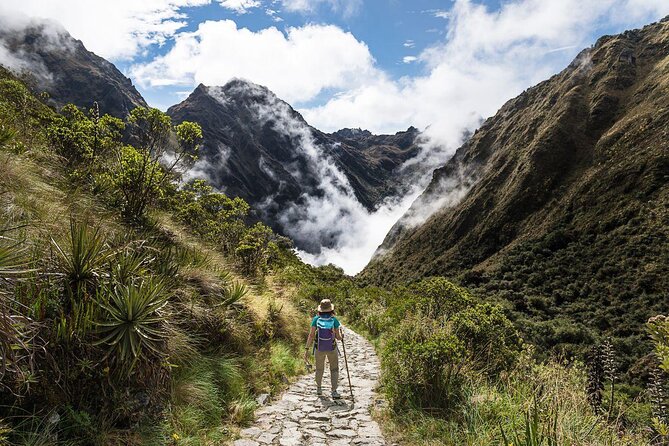
This is the day where your effort starts paying off in scenery and in Inca sites. After breakfast, you follow the trail with a gentle climb to Phuyupatamarca, meaning Town in the Clouds, around 3,680 m. The views you get from this zone matter because they show you how the trail threads through deep valleys and high ridgelines.
You’ll keep moving toward the third pass-related Inca zone area and then continue on. The route includes Intipata (called out in the itinerary as an area with agricultural Inca context), and later you arrive at Wiñay Wayna camp around 2,680 m / 8,792 ft.
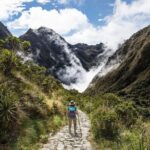
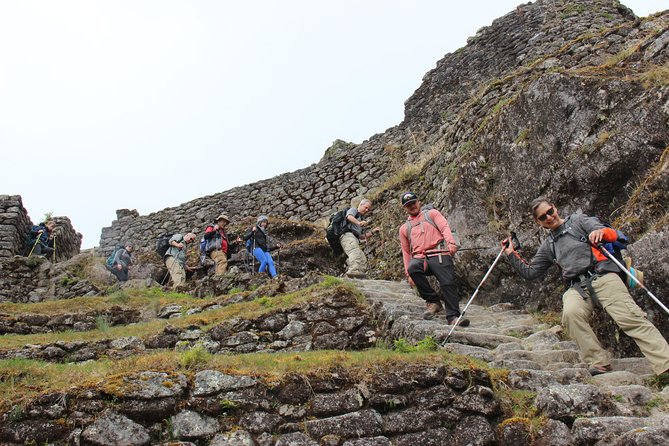
There’s a lot of walking here, including a stretch described as about 3,000 steps through cloud forest. If that sounds like a lot, it is. The good news is that this is also where you get into a steady pace: stop, breathe, look around, keep going. Wiñay Wayna camp is also timed so you can arrive by lunchtime, not late at night.
The campsite area comes with another reason to love this day: there’s a nearby Inca site of the same name, Wiñay Wayna, described as a must-visit. This is where you’ll feel the difference between just hiking and actually moving through places that were designed for people, not just postcards.
Intipuncu before sunrise and your guided Machu Picchu morning
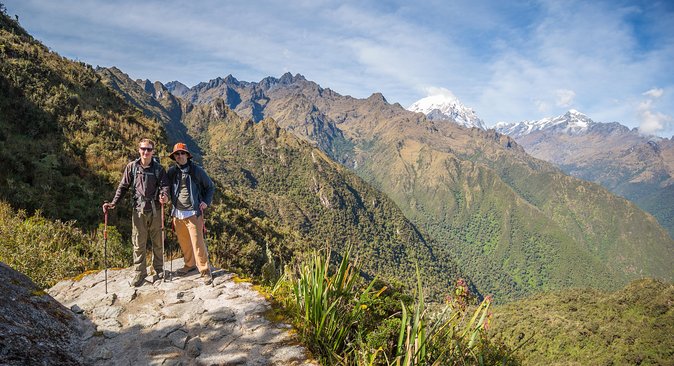
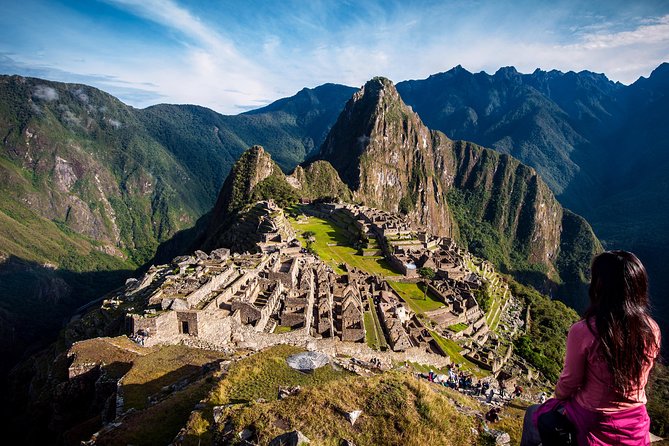
The final trek morning is built around one big goal: timing. You wake up early, have breakfast, and head out to Intipunku (Sun Gate) at about 2,730 m / 8,792 ft before sunrise. You’re aiming to reach the gate in time to see Machu Picchu come into view.
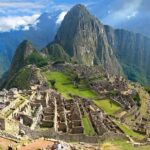
The itinerary specifically calls out your first great view of Machu Picchu around 2,400 m / 7,873 ft. That first glimpse is why people accept cold nights and early starts. You’ll then walk down along the last trail section to a classic viewpoint spot where you can take the postcard picture.
After that, you get a guided tour of Machu Picchu. Then there’s room to breathe: you have about 2 more hours to discover on your own. If you want a bigger workout, the tour notes options to hike Machu Picchu Mountain or Huayna Picchu Mountain.
When you wrap up, you meet your guide in Aguas Calientes. You can get there either by bus or by foot. Lunch is included in Aguas Calientes, and your guide provides the tickets back to Cusco. The return route is described as the first train to Poroy, then bus to Cusco.
This part is where the group tour earns its keep. You’re tired. You’re altitude-graded. You don’t want to spend your remaining energy figuring out which ticket you need and when.

Aguas Calientes time, then Cusco and Lima flights
You’ll finish with a day at leisure after breakfast, then transfer to the airport for your return flight home via Lima. That extra breathing room is important after a physically demanding day.
Also, take advantage of the fact that you’re not carrying the entire logistics burden anymore. The tour includes multiple transport legs: the trek bus to KM 82, buses between Machu Picchu and Aguas Calientes, then train from Aguas Calientes to Ollantaytambo, and bus from Ollantaytambo back to Cusco.
It’s a long chain. But you’re handed the plan in order, which is a big deal when you’re tired and the clock is not your friend.
Price and logistics: what $1,145 is buying you
At $1,145 per person, you’re paying for more than the walking route. You’re paying for a full system: guides, camps, meals, and the transport links that connect the trek and Machu Picchu visit.
Here’s what you actually get that drives value:
- Professional guide plus an assistant guide for groups of 9 people or more
- Airport pickup and drop-off
- Transport on key legs: bus to KM 82, bus from Machu Picchu to Aguas Calientes, train from Aguas Calientes to Ollantaytambo, then bus to Cusco
- Camping support: dining tent with tables and chairs, a professional chef, tents (4-man, for 2 people), and foam sleeping mattresses
- Meals and water: water, plus dinner (3), breakfasts (5), lunches (3)
- Safety extras: oxygen bottles and a first aid kit
- Porters for company equipment, which matters when your pack is your day-to-day tool
What’s not included (and what you must plan for):
- Sleeping bag and inflatable mattress
- Walking sticks
- First breakfast and last lunch along the Inca Trail
- Extra personal porter
- A single supplement of $180 for accommodation and tent if you’re traveling solo
So is the price “worth it”? If you were to arrange your own camps, meals, permits, and transport chain separately, you’d spend a lot of time. This tour is built to remove that time cost and reduce decision fatigue. If you want the Inca Trail experience without becoming a part-time travel coordinator, the pricing makes sense.
Camp comfort, food, and porters: the part people remember
The Inca Trail can be physically tough. Still, what makes it survivable is how camp life is run. This tour has a dining tent with tables and chairs, plus a professional chef. That’s not just a nice detail. After a long day, real food and a proper place to sit helps you recover instead of just collapsing.
Also, this trek uses porters for the company equipment. That means your effort stays focused on your own personal belongings, since the itinerary notes that each hiker is responsible for carrying their personal items (and sleeping bags or extra rentals, since those aren’t included). The porters handling camp gear is one of those behind-the-scenes choices that changes your day.
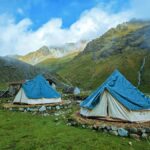
If you’re wondering what you’ll be sleeping on: you get 4-man tents shared per 2 people, plus foam sleeping mattresses. That still requires a warm sleeping bag because nighttime temps can be around 4–5°C on the trail. Layer up. Pack for cold nights even if you start the day in sun.
One more detail: oxygen bottles and a first aid kit are included. You hope you won’t need them. Knowing they’re there reduces stress, especially when altitude is part of the plan.
Fitness, timing, and the group size you’ll feel
This is for people with strong physical fitness. The itinerary makes it clear that the passes are high and climbs are steep. Day 3 includes Dead Woman’s Pass at 4,200 m, and Day 5 includes a big step section through cloud forest. You should expect sore legs and a need for steady pacing.
The minimum age is 10 years, and the tour runs with a maximum of 16 travelers. There’s also an assistant tour guide for groups of 9 or more, which can help if you need guidance or just someone to translate the plan clearly.
My practical take: if you can handle multiple days of hiking at altitude, you’ll enjoy this. If you’re unsure, pick a shorter or lower-altitude option first. This route asks for commitment.
Packing tips from what the tour leaves to you
Because this tour does a lot, you can pack smarter. Focus on what you provide yourself:
- Bring a sleeping bag (not included) for cold camping nights
- Plan your own layers for 4–5°C temperatures at camp
- Bring your own walking sticks if you use them (not included)
- Pack insect repellent and sunscreen for the check-in and early trail time
- Carry your personal belongings, since you’re responsible for them
- Bring what you need to manage passport/ticket check-in at Piscacucho
And if you’re vegetarian, there is a vegetarian option available. You’ll just need to advise at booking.
Should you book this Inca Trail group tour?
Book it if you want the Inca Trail to Machu Picchu experience with the busy work handled for you: meals, camps, porters for equipment, transport links, and sunrise timing. The guided Machu Picchu morning and the planned return route are a big part of the value, especially when you’re tired and altitude is still in the picture.
Don’t book it if you’re not ready for early mornings and real cold nights, or if you’d rather self-plan permits, lodging, and transport yourself. Also, note the trip is non-refundable and cannot be changed for any reason, so be certain of your dates.
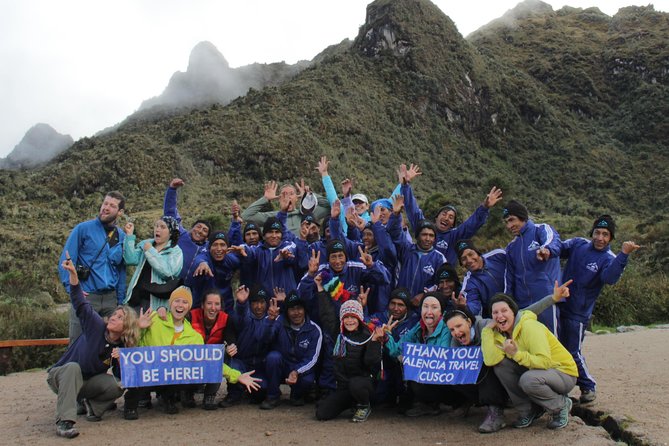
If you want a high-structure trek with professional food, camp support, and a team approach, this style of group tour works well. People also put a lot of praise on the service, food, and the porters, and they mention a guide named Alex as friendly and accommodating. That fits the kind of experience you’re buying here: a tough hike, run smoothly.
FAQ
What airport does the tour use for pickup and drop-off?
The tour includes round-trip travel connected to Alejandro Velasco Astete International Airport, with airport pickup and drop-off included.
What time does the trekking day begin?
The meeting start time is listed as 4:30 am.
Are meals included on the Inca Trail and Machu Picchu days?
Yes. The tour includes dinner (3), breakfast (5), and lunch (3). The first breakfast and last lunch along the Inca Trail are not included.
Do I need to bring my own sleeping bag and mattress?
You get foam sleeping mattresses and camping tents, but sleeping bags are not included and inflatable mattresses are not included. You should plan accordingly.
Is a vegetarian meal option available?
Yes. A vegetarian option is available if you advise at the time of booking.
What transportation is included to reach Machu Picchu?
Included transport includes a bus to KM 82, buses from Machu Picchu to Aguas Calientes, a train from Aguas Calientes to Ollantaytambo, and a bus from Ollantaytambo to Cusco.
Is there an extra cost for traveling solo?
Yes. A single supplement is $180 USD for accommodation and tent.
How many people are on the tour?
The tour has a maximum of 16 travelers. An assistant tour guide is included for groups of 9 people or more.
If I cancel, can I get a refund or change dates?
This experience is non-refundable and cannot be changed for any reason. If it’s canceled because a minimum traveler requirement isn’t met, you’ll be offered another date or a full refund.