REVIEW · SA PA
Sapa: Sapa Mountain View And Villages Trek
Book on GetYourGuide →Operated by Sapa Trekking Hiking Tours · Bookable on GetYourGuide
Ham Rong mountain makes Sapa feel like a movie. This guided trek pairs Muong Hoa valley viewpoints with Black Hmong village life, and it starts with easy hotel pickup in Sapa center. You’ll spend about six hours on foot, but the payoff is big: sweeping views plus real time with local culture.
I love how the route climbs up from orchards toward 1,850 meters, so the views shift as you go. I also love the people-side of the day, including a Hmong House visit and lunch in Hang Da village, where your guide helps connect what you see with how people live.
One thing to keep in mind: this is active walking on mountain paths, so it’s not a good fit if you have back problems or limited mobility.
In This Review
- Key highlights you’ll feel right away
- Sapa views and village life in one tight six hours
- Price and what you actually get for $38
- Pickup at 9:30 AM: getting out of Sapa town smoothly
- Ham Rong Mountain: the climb to 1,850 meters
- The Hoang Lien Son panorama and Fansipan from above
- Black Hmong villages on the rocky slopes: Sa Seng, Hang Da, Hau Chu Ngai
- Lunch in Hang Da: where the day slows down
- Trek gear, comfort rules, and small tips that save the day
- Who should book this tour, and who should skip it
- A practical look at timing and group style
- Should you book the Sapa Mountain View and Villages Trek?
- FAQ
- What time does the trek start?
- How long is the tour?
- What does hotel pickup include?
- Will I have an English-speaking guide?
- What villages and places will we visit?
- What’s included for meals and water?
- Is there any trekking gear included?
- What should I bring, and what should I avoid bringing?
- Is it suitable for everyone?
Key highlights you’ll feel right away
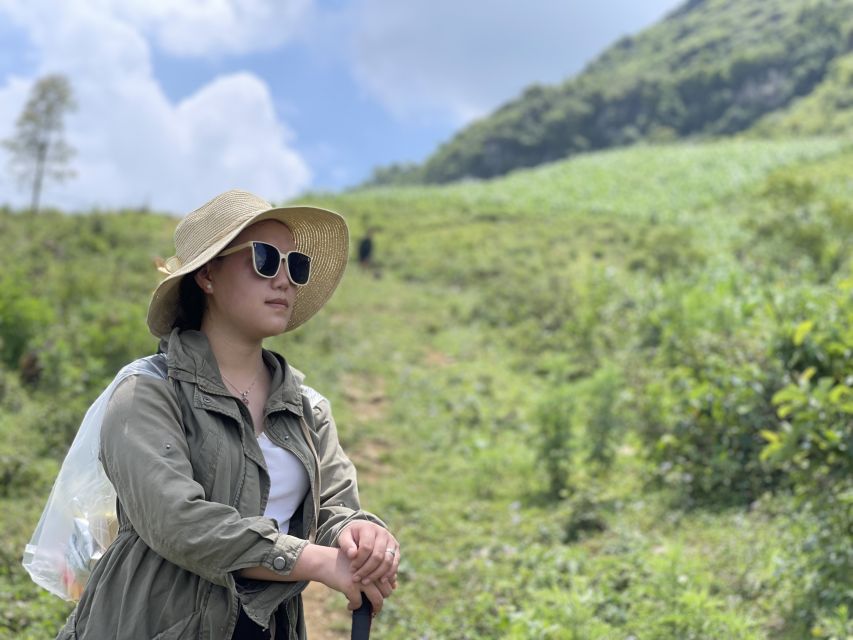
- Panoramic viewpoints over Sapa town and the Muong Hoa valley from about 1,850 meters
- Ham Rong Mountain (Dragon) with a trail that keeps the scenery changing as you climb
- Black Hmong villages on rocky slopes, including Sa Seng, Hang Da, and Hau Chu Ngai
- Lunch in Hang Da at a village restaurant, with time to explore after you eat
- Trek support included like raincoat, hat, small backpack, trekking stick, and 1.5 liters of water
Sapa views and village life in one tight six hours
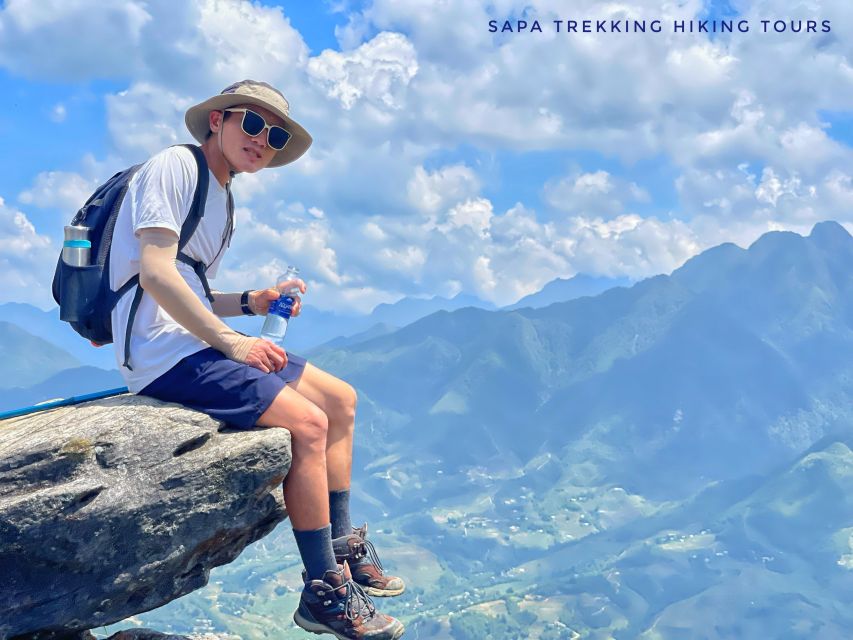
This tour is built for travelers who want both. You get the classic Sapa viewpoint experience, but you also spend real time walking through villages and learning from a local English-speaking guide.
The pace works because the day has clear anchors: pickup and orientation, Ham Rong mountain and the viewpoint climb, a village trail connecting several Black Hmong communities, then lunch and a return transfer. It’s not a long, slow hike. It’s more of a well-paced “see a lot, learn a lot” day—especially useful if you have limited time in Sapa.
And that cultural angle matters. The most praised part of this style of trek tends to be the chance to understand the ethnic group’s way of life, not just take photos and move on. Here, you’re set up with the guide’s explanations, plus time in the villages to ask questions and look more closely.
You can also read our reviews of more tours and experiences in Sa Pa.
Price and what you actually get for $38
At $38 per person, this tour can feel like good value if you compare it to the cost of arranging parts separately—transport, a guide, entry fees, and lunch. You’re not just paying for a walking route. You’re paying for the logistics that make mountain trekking practical.
Here’s what’s included that usually costs extra when you DIY:
- Hotel pickup/drop-off within Sapa center
- English-speaking local guide
- Village entry fee
- Lunch in the village
- Visit to a Hmong House
- 1.5 liters of water per person
- Trek comfort items: raincoat, hat, small backpack, and trekking stick
- Transport back to Sapa from the last village
What’s not included is also straightforward: travel insurance, tips for guides/driver, and extra drinks at villages. If you’re the kind of traveler who likes knowing you’ll have a guide, water, and lunch handled, this price makes more sense.
The best value comes if you’re short on time and don’t want to spend your energy coordinating transfers and timing on your own. If you enjoy planning everything yourself and are already confident trekking independently, you might feel less need for a guided package.
Pickup at 9:30 AM: getting out of Sapa town smoothly
The day starts at 9:30 AM, with your guide picking you up at your hotel in Sapa center or at Sapa Church. That’s a nice setup because you don’t have to navigate meeting points outside the main area.
After pickup, there’s a short briefing, and then the transfer takes you out of town along a small road that drops you toward the foot of Ham Rong mountain. This matters because Sapa’s hills can scramble your sense of distance. You’ll feel the day move from town into mountain quickly, without wasting hours figuring out the route.
You’ll also get an early look at Sapa Town as part of the flow of the day. Think of it as orientation before the hike turns into viewpoints and villages.
One small practical note: this tour isn’t meant for heavy luggage. The activity rules say no luggage or large bags, so plan to travel light—daypack only.
Ham Rong Mountain: the climb to 1,850 meters
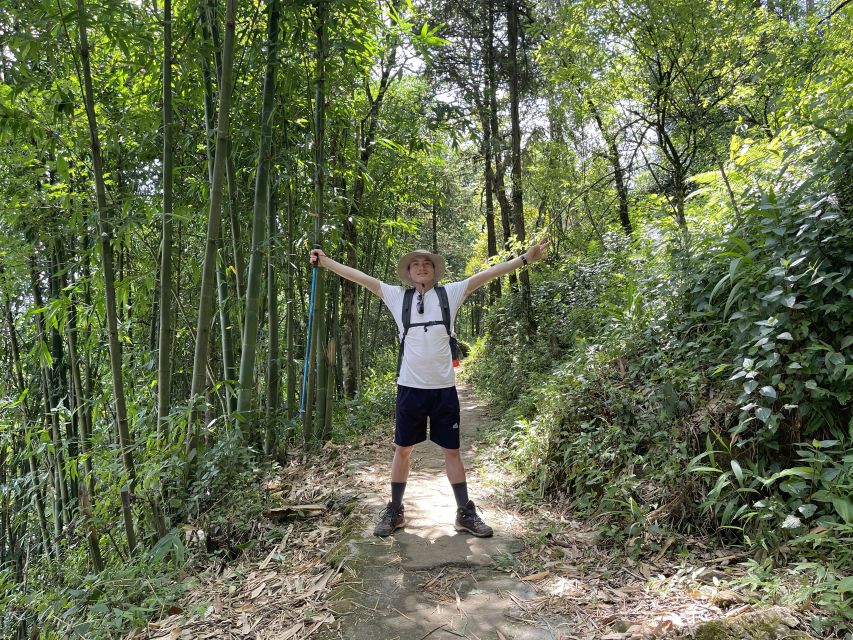
Ham Rong Mountain (often called the Dragon) is the first big stage of the day. From Sapa, you travel down toward the base area and then move along paths that pass through orchards—peach, plum, and corn. Even before the higher altitude, that detail helps the trek feel grounded rather than just “straight up to a viewpoint.”
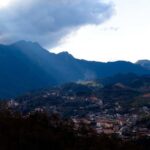
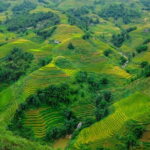
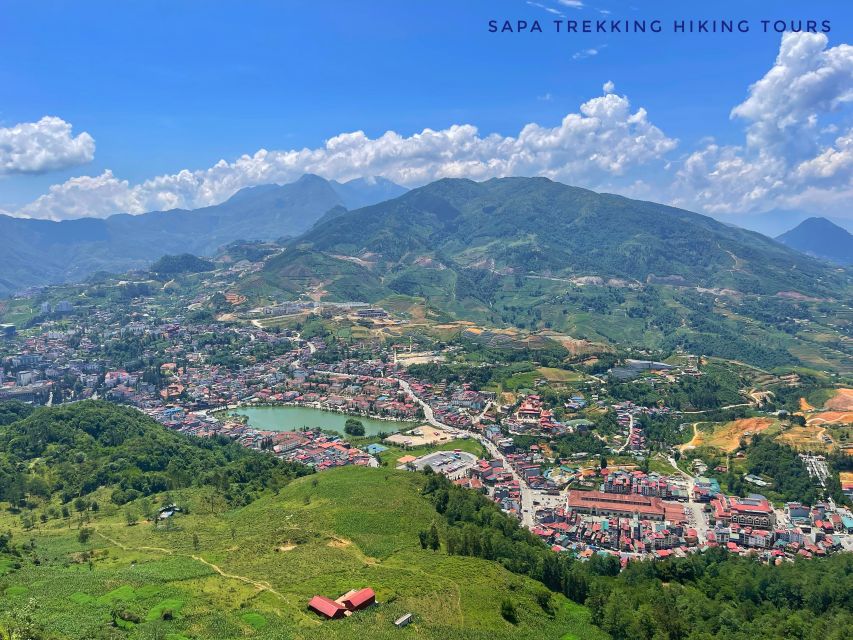
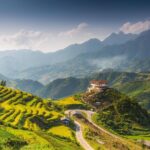
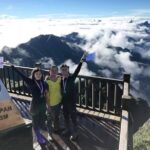
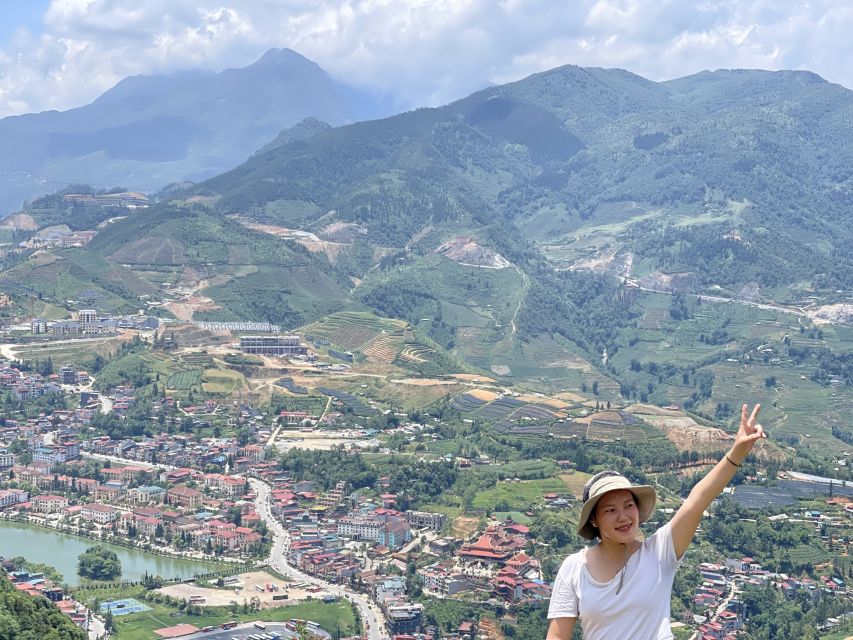
The climb takes you to the peak area at about 1,850 meters above sea level. At that height, the air feels different, and the views start to open. You’ll look down on Sapa Town and out over the Muong Hoa valley, and the Hoang Lien Son range frames everything in the background.
This is the part of the tour where good shoes pay off. The paths can be uneven, and the day is active enough that you’ll feel it in your legs. If you’ve ever tried to do a mountain walk in slippery sneakers, you already know the lesson—bring hiking shoes you trust.
The Hoang Lien Son panorama and Fansipan from above
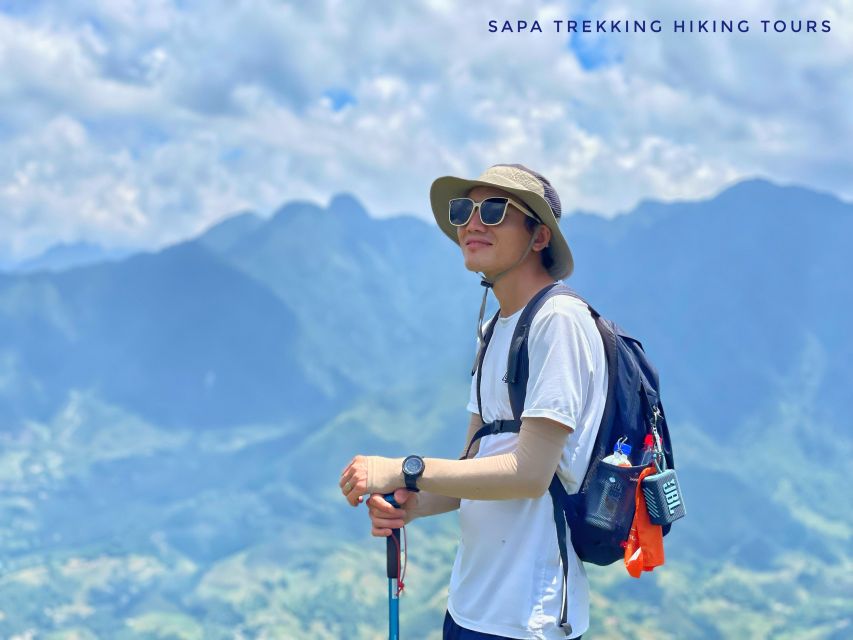
Once you’re up near Ham Rong’s viewpoint, the scenery turns into the main character. You’ll admire the Hoang Lien Son range and get a view toward Fansipan peak, which stands opposite Ham Rong peak. Fansipan is the highest mountain in Indochina, and just seeing it from Sapa’s elevations helps you grasp why this region draws climbers and photographers.
Even if you’re not chasing summits, these mountain-to-valley sight lines are exactly what Sapa is famous for. The bonus here is that you’re not just standing on one spot. The way the trail is laid out means you’ll keep getting new angles as you move.
The practical value: it’s a “views you can earn” kind of day. You climb, you look, you move again. That pacing keeps the trek feeling worthwhile even if weather is changeable—because you’ll often catch clear windows between clouds rather than waiting around at one viewpoint.

Black Hmong villages on the rocky slopes: Sa Seng, Hang Da, Hau Chu Ngai
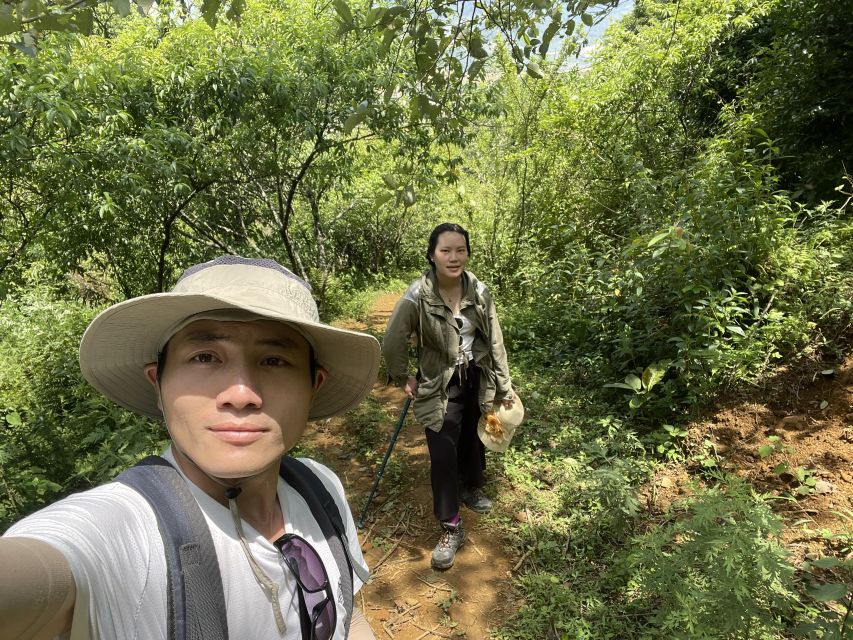
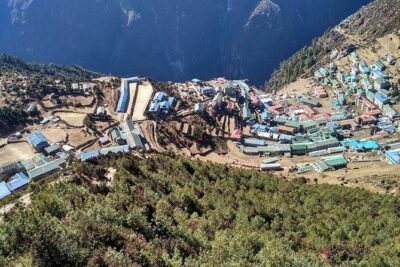
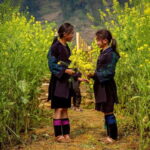
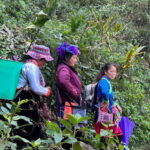
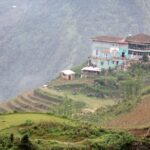
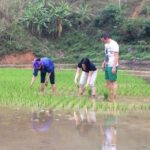
After the viewpoint section, the tour shifts from scenery to community. You’ll follow a trail along Ham Rong Mountain down toward village areas, stopping at several small Black Hmong villages on the mountain side: Sa Seng, Hang Da, and Hau Chu Ngai.
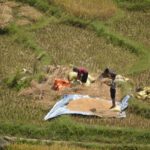
What makes this part special is the way the villages are described and handled. These are not huge tourist stops with scripted performances. They’re small communities, and your guide is there to explain day-to-day life and local customs and traditions. That guide-led context is often the difference between a quick sightseeing walk and a meaningful cultural experience.
It also helps that you get time in the villages, not just a “pass through.” Your guide leads you to explore and learn about the life and cultural beauties of the people there. You’ll also visit a Hmong House, which gives you another lens for understanding what you’re seeing.
Real talk: this section is on mountain paths and rocky slopes. If you get shaky on uneven ground, take your time, hold to the trekking stick, and keep a steady pace. The tour includes a stick for a reason.
Lunch in Hang Da: where the day slows down
Lunch happens at a local restaurant in Hang Da villages. This is a key moment because it turns the trek from “moving and looking” into “pause and connect.”
The setting is described as idyllic, and that matches what you can expect from Sapa village meals: you’re eating in the village area rather than jumping back to town for lunch. Your guide also leads village exploration after you eat, so you’re not rushed out the door right after the meal.
What I like about this setup is that lunch becomes a natural reset. You’ll likely arrive hungry after the viewpoint climb and the village trail. Then you get a break, a real food stop, and time to ask questions in a more relaxed environment.
Also: the tour includes 1.5 liters of water per person per day, which helps a lot on a mountain trek. You’ll still want to sip steadily and not save all your hydration for later.
Trek gear, comfort rules, and small tips that save the day
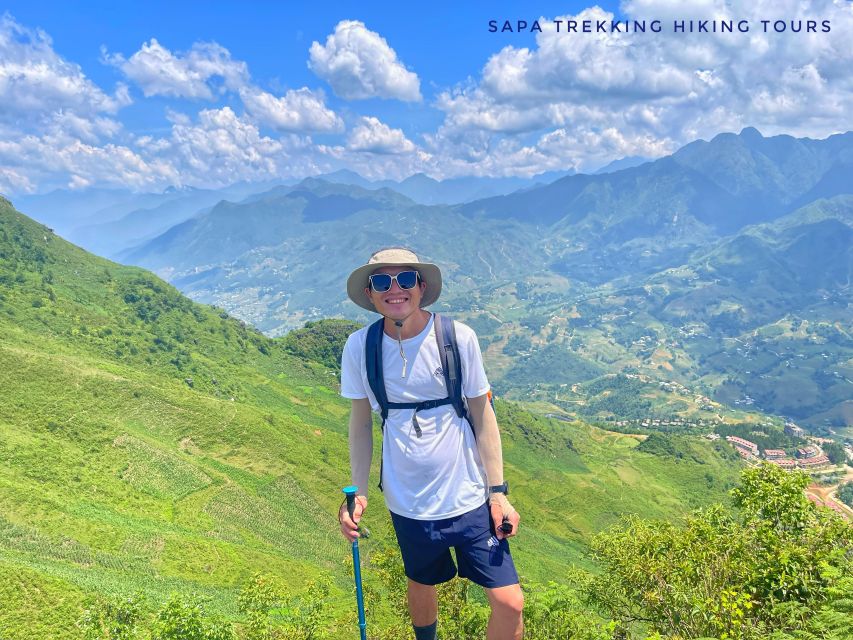
This tour includes a lot of the “gear headache” for you: raincoat per person, hat, small backpack, and trekking stick. That’s genuinely useful in Sapa, where weather can shift quickly and where carrying everything yourself can turn annoying fast.
Here’s what you still need to bring:
- Hiking shoes or comfortable shoes with good grip
- Comfortable clothes you can move in
- Hat and sunscreen (the tour gives a hat, but sunscreen is still smart)
- Cash
- Passport or ID card
That cash detail matters because villages may have extra drinks you can buy, but extra drinks aren’t included. If you hate running out at the worst time, carry some small bills.
Comfort warning: the tour is not suitable for people with mobility impairments, and it isn’t suitable for pregnant women or people with back problems. Even if you can walk short distances, the combination of uphill segments and rocky ground can be a mismatch.
Who should book this tour, and who should skip it
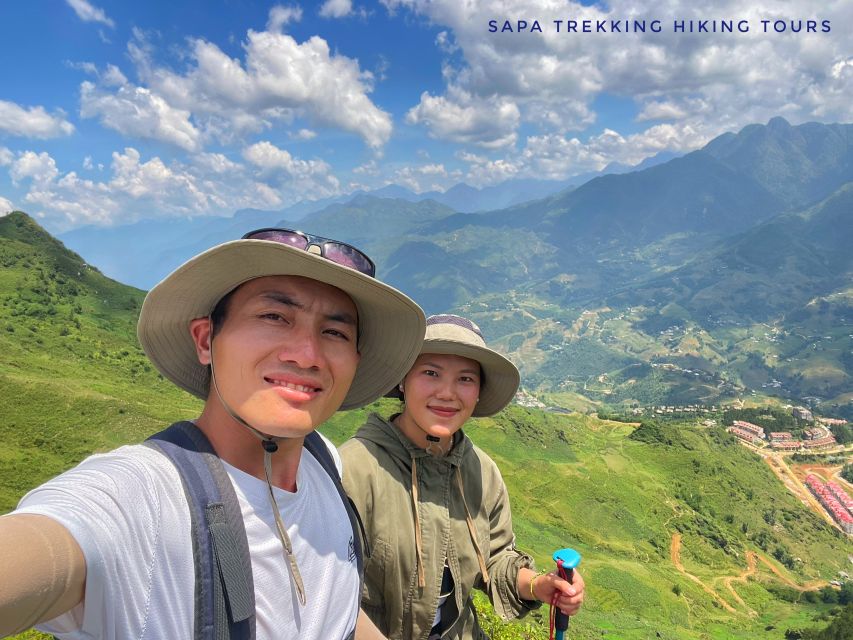
This trek is a strong fit for you if:
- You want Sapa viewpoints plus village life in one day
- You like guided learning and want a local English-speaking guide to explain what you see
- You’re okay with a steady walking day (about six hours total)
- You prefer a structured route with pickup, lunch, and transport handled
You should think twice if:
- You’re dealing with back issues, mobility limitations, or pregnancy
- You travel with heavy luggage (large bags aren’t allowed)
- You’re tempted to do it in fashion shoes that don’t handle uneven ground
- You’re bringing young kids—this isn’t suitable for children under 5
If you’re an experienced hiker, you might find it moderate rather than hardcore. If you’re new to trekking, the included trekking stick, raincoat, and guided route can make it feel more manageable than going totally independent.
A practical look at timing and group style
This is listed as a private group. In practical terms, that usually means you’re not stuck in a huge crowd that moves like a conveyor belt. A private setup tends to feel calmer and makes it easier to ask the guide questions along the way.
Duration is 6 hours, which is long enough to feel like you did something real but short enough to still enjoy Sapa later the same day. It’s also a good option if you want to balance trekking with other things around town, like markets or a relaxing evening.
Keep an eye on your energy. The day includes transfers, a viewpoint climb, multiple village areas, lunch, and then the final transport back to Sapa from the last village. Bring a positive attitude, walk at your pace, and let the guide handle timing.
Should you book the Sapa Mountain View and Villages Trek?
Book it if you want a guided Sapa day that mixes panoramic views, a meaningful village experience, and lunch in the community—all with practical support like water and trekking gear included. If the main reason you travel is to understand how people live, this tour’s focus on village life and customs is the big reason it earns strong satisfaction.
Skip it if you need an easy, mostly flat walk. This is a mountain trek, and it comes with active walking on uneven terrain and a few built-in constraints for health and mobility.
If you’re traveling in Sapa for a short time and you’d rather trade planning effort for local guidance, this is the kind of tour that makes Sapa feel both scenic and human—without making you work for every logistics detail.
FAQ
What time does the trek start?
The tour starts at 9:30 AM, with your guide picking you up at your hotel in Sapa center or at Sapa Church.
How long is the tour?
The duration is 6 hours.
What does hotel pickup include?
Hotel pickup and drop-off are included, but only for hotels in Sapa center. Pickup is also available at Sapa Church.
Will I have an English-speaking guide?
Yes. The tour includes an English-speaking local guide, and it also includes an English audio guide.
What villages and places will we visit?
You’ll visit Ham Rong Mountain (Dragon), and then walk to Black Hmong villages including Sa Seng, Hang Da, and Hau Chu Ngai. Lunch is in Hang Da, and there’s also a visit to a Hmong House.
What’s included for meals and water?
Lunch is included at a local restaurant in Hang Da. You also receive 1.5 liters of water per person per day.
Is there any trekking gear included?
Yes. The tour provides a raincoat per person, plus a hat, a small backpack, and a trekking stick.
What should I bring, and what should I avoid bringing?
Bring hiking shoes, comfortable clothes, sunscreen, cash, and a passport or ID card. Luggage or large bags are not allowed.
Is it suitable for everyone?
It’s not suitable for people with back problems, pregnant women, people with mobility impairments, or children under 5.