REVIEW · KATHMANDU
Everest Base Camp Trek – Hiking to Mt Everest
Book on Viator →Operated by Adventure Vision Treks and Travels · Bookable on Viator
Everest Base Camp starts with a tiny flight. What makes this trek work is the combo of guided support and the classic Khumbu route: Lukla in, tea houses up high, Sherpa villages and monasteries along the way, then a flight back to Kathmandu. I especially like how the trip is designed around real mountain pacing, not just distance.
I also like the human side of it. Guides such as Tony and Tika get talked about for taking care of trekkers’ needs, and the owner/organizer Jiban is repeatedly credited for keeping things running even when timing gets messy. The one consideration: Lukla flights and schedules can shift due to weather, so you’ll want a flexible mindset and good layers.
In This Review
- Key highlights worth your attention
- Kathmandu warm-up: getting ready before you chase Everest
- Lukla flight and the first trail days to Phakding and Namche
- Namche’s altitude pause: acclimatization day isn’t optional
- Tengboche to Dingboche: monasteries, villages, and the thin-air grind
- Lobuche, Gorak Shep, and Everest Base Camp at 5363m
- Kalapatther at 5545m: the high point before you start dropping
- Pheriche back through Namche to Lukla, then Kathmandu again
- Price and logistics: what $1,500 covers (and what to plan for)
- Tea houses and meals: comfort you can actually budget
- Guides, porters, and the team behind the scenes
- Fitness and altitude reality check (so you don’t get surprised)
- Should you book this Everest Base Camp trek?
- FAQ
- How long is the Everest Base Camp trek?
- What’s the highest altitude on this route?
- How do you travel between Kathmandu, Lukla, and Kathmandu again?
- What’s included in the package for accommodations and meals?
- Are visa and travel insurance included?
- What’s the cancellation policy?
Key highlights worth your attention
- Lukla flights included both ways, so you can skip the headache of arranging flights yourself
- Tea-house nights with meals on trekking days, which makes budgeting and daily life simpler
- Acclimatization days at Namche Bazaar and Dingboche, timed for high-altitude survival
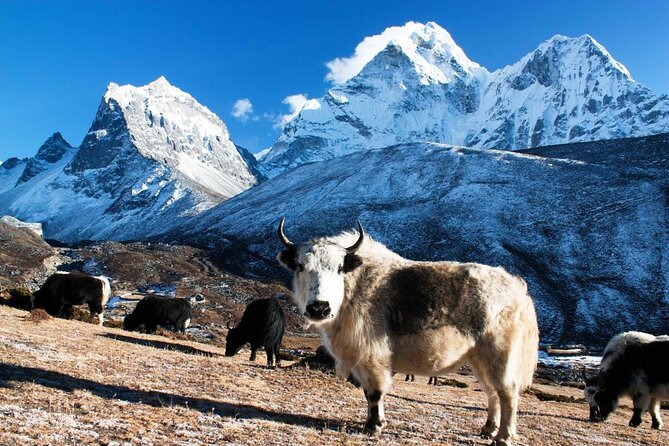
- Sherpa culture stops through villages and monasteries, not just a “walk to a viewpoint” plan
- Support that shows up on the ground, with guides like Tony and Tika and a team that plans alternatives
Kathmandu warm-up: getting ready before you chase Everest
Your trek starts in Kathmandu, with a couple of days built in for two things that matter: sanity and preparation. You get three nights in star accommodations with breakfast, plus an included preparatory session before and after arrival. That’s useful if you’re coming in with a mix of fitness levels and gear questions, or if you simply want time to let Kathmandu traffic and altitude-in-the-air expectations settle first.
Day 02 is about Kathmandu Valley exploration and trekking prep. Even if you’re eager to hit the trail, I’d treat this as your “gear check + body check” day. You’ll want to confirm your footwear is broken in, that you have warm layers for early mornings, and that you understand how your team wants you to handle pace and stops.
One practical bonus here: airport pickup and drop are included. After a long flight, it’s the kind of detail that keeps your first day from turning into a chore.
You can also read our reviews of more tours and experiences in Kathmandu.
Lukla flight and the first trail days to Phakding and Namche
Day 03 is the classic pivot: fly from Kathmandu to Lukla (2840m), then trek to Phakding (2640m). This is where you shift from city logistics to mountain rhythm. It’s not the hardest day by altitude, but it does set the tone: pack light, move steadily, and don’t treat the first climbs like a race.
Day 04 climbs from Phakding to Namche Bazaar (3440m). Namche is the hub, the place where the trail starts to feel unmistakably high and where the culture is on full display. Day 05 is specifically an acclimatization day at Namche. That matters because Namche is also where many people start feeling the altitude’s opinion on their lungs.
If you’re thinking about value, this is one place where the trek feels “guided” even without magic: acclimatization isn’t just a schedule line. It gives you time to rest, observe how you respond, and reset your pace before pushing higher.
Namche’s altitude pause: acclimatization day isn’t optional
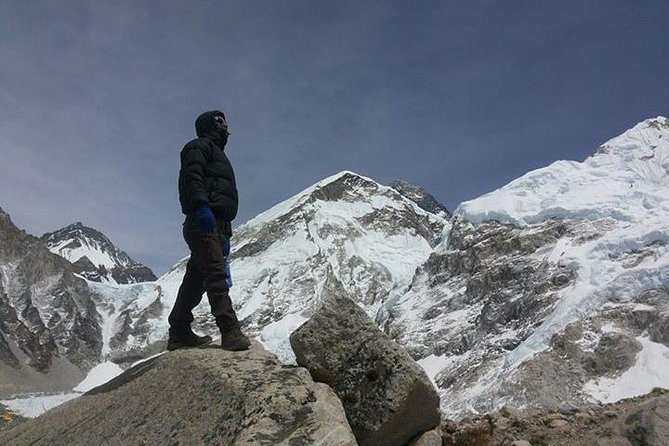
Day 05 is built for you to adjust at Namche Bazaar. In plain terms, this is the day you learn whether you need to slow down more than your ego wants to.
Here’s how to use an acclimatization day well:
- Keep walking gentle if you feel up to it, but avoid “I feel fine so I’ll push hard” decisions.
- Drink water consistently. Don’t wait until you feel thirsty.
- Eat what you can. High-altitude treks punish empty calories fast.
The itinerary then moves you to Tengboche (3867m) on Day 06. That’s a big step up from Namche, but the climb is broken into stages, and the days are structured with rest in mind. Day 06 is also where the monasteries and spiritual side of the region usually start to feel real, not like a line on a route map.
Tengboche to Dingboche: monasteries, villages, and the thin-air grind
Day 06 takes you from Namche to Tengboche (3867m). Day 07 continues to Dingboche (4350m). Then Day 08 is another acclimatization day, this time at Dingboche.
Two things make this section important:
- You’re gaining altitude in stages, not in one exhausting jump.
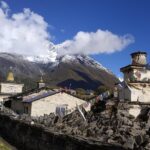
- The route passes through places where Sherpa culture shows up in everyday life, including village and monastery visits.
You’ll likely notice a pattern by now. Each time altitude rises, you’re given a pause to adjust. That’s one of the most practical reasons this trek is popular: the structure helps you avoid the classic mistake of “keeping the same pace the whole way.”
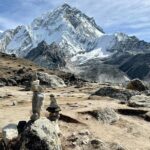
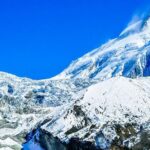
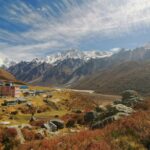
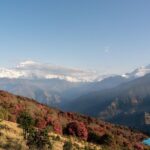
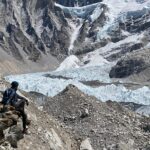
For scenery, you should expect major mountain views, plus glaciers in the region as you get higher. For comfort, expect the air to get noticeably thinner, and expect early mornings to feel colder even when the day later warms up.
Lobuche, Gorak Shep, and Everest Base Camp at 5363m
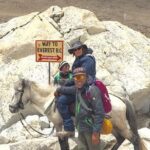
Day 09 climbs from Dingboche to Lobuche (4931m). This is where the trekking starts to feel like it belongs to a higher altitude category. Day 10 is the headline: Lobuche to Everest Base Camp (5363m) through Gorak Shep (5170m).
This is the big moment. Base Camp at 5363m is not a “hang out for hours and stroll around” situation for most people. It’s a place to reach, look, take it in, and then respect the fact that you still need to go back down and keep functioning.
A tip that’s more useful than hype: plan your energy like you’re spending it, not saving it. If you go too hard to reach the views fastest, your return can feel worse. The itinerary’s flow helps here: you’re not stopping to sleep at the highest point, and you’re continuing to the next lodging instead of turning this into a marathon day.
Kalapatther at 5545m: the high point before you start dropping
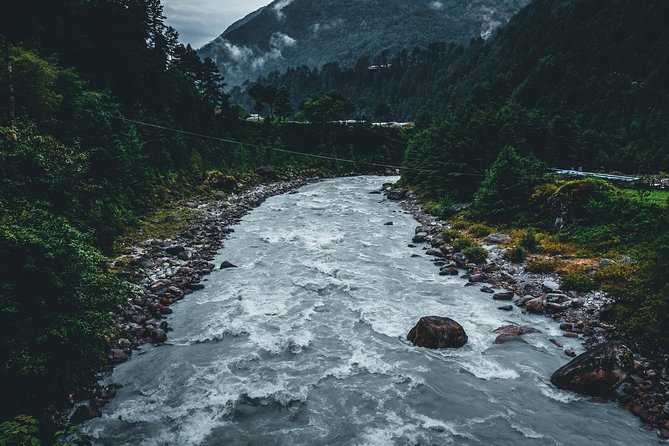
Day 11 shifts you from Everest Base Camp to Kalapatther (5545m), then down to Pheriche (4210m). That day has two jobs: give you a higher viewpoint and then help you descend to a more workable altitude for the next stage.
Kalapatther at 5545m is the highest point listed in the plan, so this is where you’ll feel the difference most. I’d treat it as a controlled effort: slow steps, short breaths, and no hero moves. You’ll gain that “we’re really up here” feeling fast.
Then you drop to Pheriche (4210m) on the same day. That change in altitude is valuable because it sets you up for the return loop without turning the whole trip into one long oxygen test.
Pheriche back through Namche to Lukla, then Kathmandu again
Day 12 goes from Pheriche back to Namche Bazaar. Day 13 takes you from Namche to Lukla. By Day 14, you get an early morning scenic flight back to Kathmandu, plus an exploration day in Kathmandu Valley.
This return section is where I notice most people appreciate the trek’s pacing. You’ve already done the high points. Now your job is to stay comfortable enough to enjoy the last stretches, not to suffer for no reason.
Also, you get a Kathmandu day at the end. That matters more than it sounds. A lot of treks dump you into travel mode immediately after the hardest part. Here you get time to reset and do some easy exploring before departure on Day 15.
Price and logistics: what $1,500 covers (and what to plan for)
At $1,500 per person for an approximately 15-day trek, the value depends on what’s included—and what you’ll still pay for yourself.
What you do get:
- Kathmandu airport pickup and drop
- 3 nights star accommodations in Kathmandu with breakfast
- 11 nights tea-house accommodation with breakfast during trekking days
- Guide and porter
- Kathmandu to Lukla and Lukla to Kathmandu flight tickets
- Breakfast, lunch, and dinner during the trek (as listed)
- A comprehensive medical kit
- Certificates
- Government and local taxes
- Preparatory sessions before and after arrival
- Mobile ticket and group discounts
- The trek is private, meaning only your group participates
What isn’t included:
- Visa cost
- International airfare
- Drinks and beverage costs
- Insurance cost
- Personal expenses, tips, and shopping
Here’s how I’d think about the money: flights into and out of Lukla aren’t cheap in time or planning, and they’re included here. Add in meals plus guide/porter, and it’s less about “buying walking” and more about buying coordination, food, lodging, and altitude management. If you’re the type who’d otherwise spend extra time chasing logistics, the package makes sense.
Tea houses and meals: comfort you can actually budget
The itinerary calls for family-run tea houses on overnight stops, which is a big deal for both cost and convenience. You’re not just paying for a bed. You’re paying for a system that keeps you fed, warm enough at night, and moving the next morning without hunting down options.
Because breakfast, lunch, and dinner are included during trekking days, you’ll avoid one of the biggest trek budgeting traps: “We didn’t plan for food pricing at high altitude.” You’ll still buy your drinks separately, but the core meals are handled.
What to expect day to day:
- Nights at tea houses will be simpler than hotels. Don’t treat them like resorts.
- You’ll likely share dining space with other trekkers heading up and down the same valley.
- Early starts are common at altitude, so your meal timing matters more than fancy menus.
Guides, porters, and the team behind the scenes
This trek is labeled private, and your on-trail experience is where that matters. In the feedback, guides like Tony and Tika show up again and again for being responsive and caring—especially when plans shift. The owner/organizer Jiban also gets credit for professional handling and communication.
One detail I’d pay attention to: one set of trips faced delayed planes during the first three days, but the team managed Plan B without turning it into chaos. That’s the kind of operational capability you can’t fake. When you’re dealing with mountain weather and flight windows, flexibility is part of the product.
Porters matter too. Even if you’re physically capable, having someone share the load makes the “high-altitude tax” less brutal, and it lets you focus on steady pacing.
If you’re thinking about fit: this kind of trek is ideal for people who want Everest on a guided structure, not for those who want total DIY freedom.
Fitness and altitude reality check (so you don’t get surprised)
The trip is recommended for travelers with moderate physical fitness. That’s a useful phrase, because it doesn’t mean “no training needed.” It means you should be able to walk daily for hours, handle uneven paths, and keep moving even when breathing feels harder.
The route includes multiple high-altitude steps:
- Up to 5363m at Everest Base Camp
- Up to 5545m at Kalapatther
- Frequent high elevation stops across Namche, Tengboche, Dingboche, Lobuche, and Gorak Shep
The best way to prepare is to practice incline walking or stair climbing, and to build endurance before you arrive in Kathmandu. On the trail, let the itinerary do its job: trust the acclimatization days at Namche Bazaar and Dingboche, and don’t rush the high points.
Also remember: even if you feel great on day 2, altitude response can show up later. If you start feeling worse rather than better, follow your guide’s pace advice fast.
Should you book this Everest Base Camp trek?
If you want Everest Base Camp with a solid structure—flights included, tea-house nights, meals arranged, and an actual plan for acclimatization—this is a strong choice. The best signs are the repeat praise for organization, caring guides (Tony, Tika), and the team’s ability to handle early flight delays using alternatives.
I’d tell you to book if:
- You want private guiding and porter support
- You prefer not to gamble on logistics
- You’re willing to take acclimatization seriously and pace yourself
I’d hesitate if:
- You know you hate schedule uncertainty, especially around Lukla flight windows
- You want to self-manage everything and skip guides, meals, and medical support
FAQ
How long is the Everest Base Camp trek?
It’s listed as approximately 15 days, with Day 15 for departure.
What’s the highest altitude on this route?
You trek up to Everest Base Camp at 5363m, and the itinerary also goes to Kalapatther at 5545m.
How do you travel between Kathmandu, Lukla, and Kathmandu again?
You fly from Kathmandu to Lukla at the start of the trekking days, then you trek from Lukla to Everest Base Camp and back to Lukla. On Day 14, you take an early morning flight back to Kathmandu.
What’s included in the package for accommodations and meals?
You get 3 nights in star accommodations in Kathmandu with breakfast. During the trek you get tea-house accommodation for 11 nights with breakfast, plus breakfast, lunch, and dinner during trekking days as listed.
Are visa and travel insurance included?
No. Visa cost and insurance cost are not included.
What’s the cancellation policy?
Free cancellation is available if you cancel up to 24 hours in advance for a full refund. If you cancel less than 24 hours before the experience’s start time, the amount paid is not refunded.