REVIEW · KIGALI
Kigali: Gorilla Trekking in Volcanoes National Park
Book on GetYourGuide →Operated by Unique Africa Ventures · Bookable on GetYourGuide
Morning comes fast. Then the gorillas change everything. This full-day Kigali-to-Volcanoes National Park setup shines for the 04h30 pickup and the way your driver, like John, helps everything run smoothly from Kigali to the trailhead. I also like that the gorillas are the star—mountain gorillas are critically endangered on the IUCN Red List—and the day is built around getting you into position to see them. The main drawback to plan for is the early start and the long time in the mountains, since the trek can run 2 to 8 hours depending on gorilla movement.
A big plus here is that the actual tracking is handled by Volcanoes National Park staff, so you’re not guessing. You get ranger guidance, safety instruction, and a proper trail experience powered by the people who know the park rhythms. One more consideration: this day includes transport and support, but the gorilla permit cost may be separate depending on the option you select.
If you’re the kind of person who wants less stress and better timing—especially in peak season—this approach can feel worth it. You’ll be in an air-conditioned 4WD jeep, with drinking water, and you’re set up to focus on the trek rather than the logistics.
In This Review
- Key Points You’ll Care About
- Kigali to Volcanoes National Park: What This Day Is Really About
- The 04h30 Pickup and the Drive to Musanze–Kinigi
- What Happens After You Arrive: Groups, Briefing, and Trailhead Setup
- The Trek Itself: 2 to 8 Hours of Moving Through Gorilla Country
- Preparing Your Body and Kit: Shoes, Rain, and Insect Repellent
- Permits and Price: What the $299 Really Buys
- Safety, Rangers, and How the Experience Feels Organized
- Lunch in Musanze and the Timing Back to Kigali
- Who Should Book This (and Who Should Skip It)
- Should You Book This Gorilla Trekking Logistics Day?
- FAQ
- What time is pickup in Kigali?
- How long is the drive to the park headquarters area?
- How long does the gorilla tracking trek take?
- Is the gorilla tracking permit included in the $299 price?
- What permits and documents do I need?
- What should I bring for the trek?
- What footwear and behavior are not allowed?
- Is this tour suitable for children or people with health issues?
- What is the cancellation policy?
- What languages are spoken?
Key Points You’ll Care About
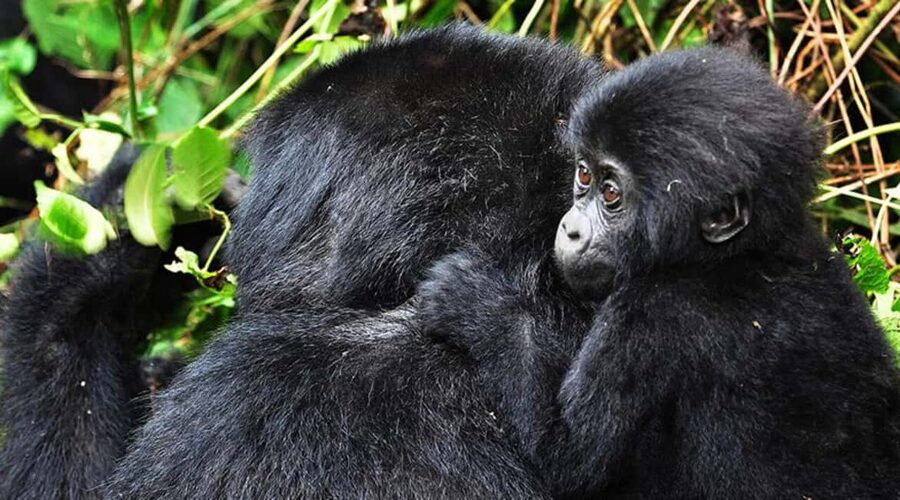
- IUCN Red List mountain gorillas: one of the rare chances to see a critically endangered species in the wild
- Early Kigali pickup (04h30): the day is designed to match gorilla activity patterns
- Trek timing is unpredictable (2–8 hours): you’re prepared for nature, not a fixed schedule
- National park staff lead tracking: rangers handle instruction, route, and safety
- Transport-focused value: this experience is mainly how you get to and from Volcanoes National Park smoothly
Kigali to Volcanoes National Park: What This Day Is Really About
This is a full-day gorilla tracking logistics experience anchored in Kigali. The key thing: your gorilla tracking itself is run by Volcanoes National Park staff, not by the transport provider. So your day is built to get you from Kigali to the Musanze–Kinigi area, then to the trail, then back again.
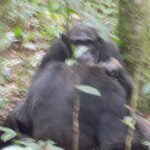
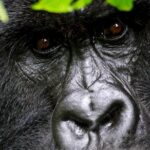
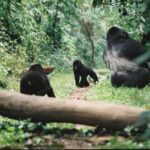
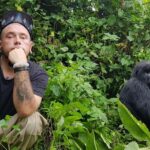
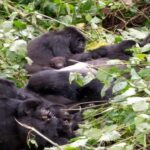
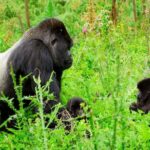
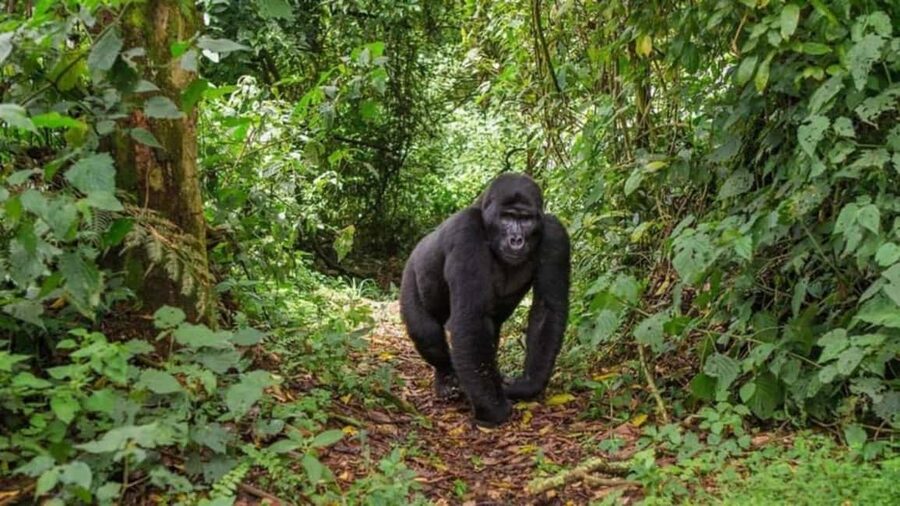
The attraction is obvious. Mountain gorillas live in the Virunga mountains across Rwanda, DR Congo, and Uganda, and they’re listed as endangered on the IUCN Red List. Seeing them means you’re watching shy, powerful animals doing their natural business—feeding, resting, moving through forest—and doing it at close enough range to change how you think about conservation.
You’re paying for more than a car. You’re paying for an organized route, early departure, and the kind of planning that helps you show up ready. That matters because gorilla trekking is not a “drop in anytime” activity.
You can also read our reviews of more tours and experiences in Kigali.
The 04h30 Pickup and the Drive to Musanze–Kinigi
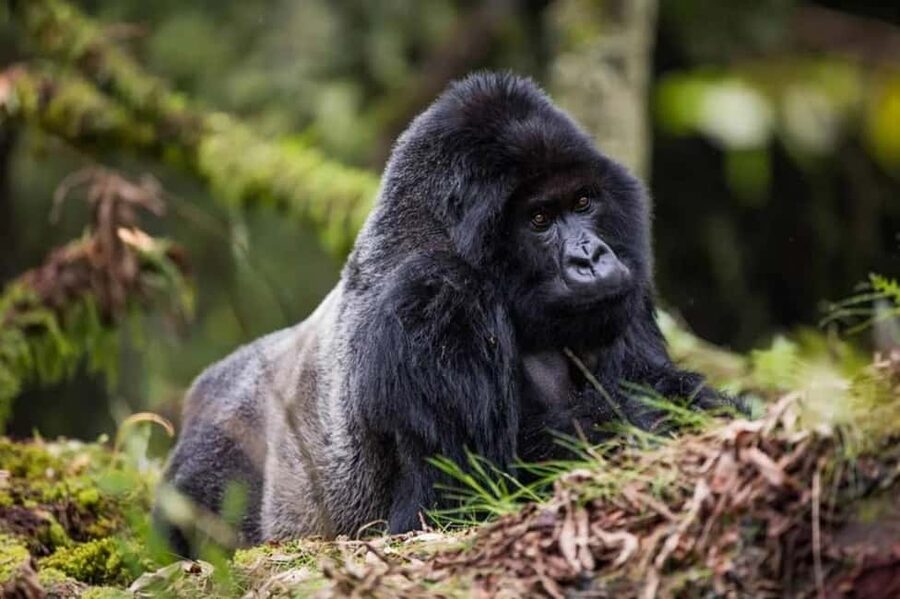
You start early. Pickup in Kigali is scheduled for 04h30, which feels brutal until you realize the day is built around the timing of where gorillas are likely to be. You then drive toward Volcanoes National Park headquarters in the Musanze–Kinigi area.
The drive time is about 2h30, and there’s a coffee break along the way. That stop is more than convenience. It’s your chance to reset before briefing, before the trek, and before the day stretches into a long block of motion and waiting.
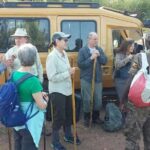
You’ll travel in an air-conditioned 4WD jeep, which is a real comfort upgrade when you’re heading into rugged roads. And you do get a driver guide, so you’re not stuck figuring out directions at dawn.
What Happens After You Arrive: Groups, Briefing, and Trailhead Setup
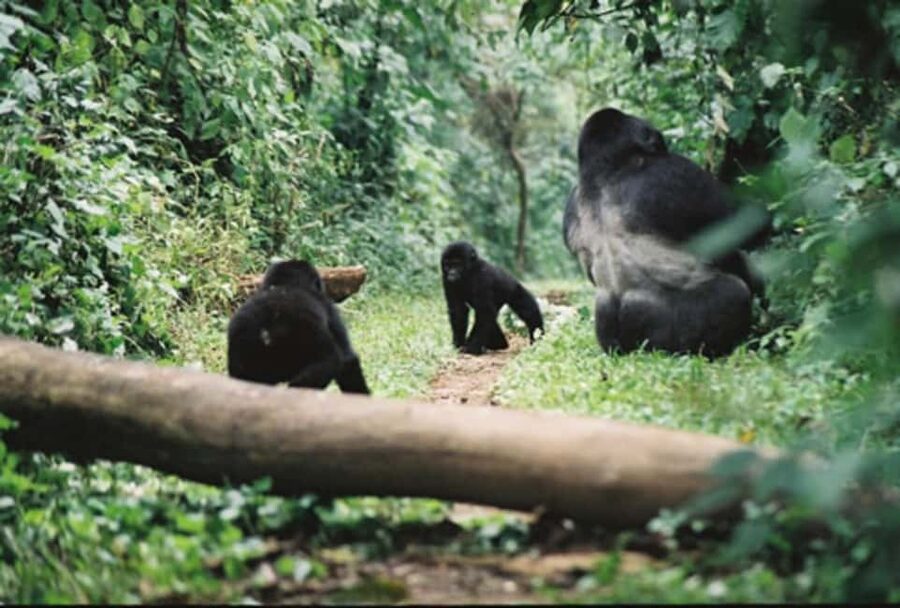
Once you reach the park headquarters area, you’re assigned a gorilla group to track. You then get a briefing from your ranger guide, which is where the day’s rules and expectations become clear.
From there, you drive to the starting point of the trekking. This is one of those small moments that can make or break your comfort. If you’ve never trekked in thick rainforest terrain, you’ll appreciate that you’re not walking into uncertainty all by yourself—you’re placed with the right team and given safety instructions first.
This is also where your questions get answered. In real-world service, the driver John has been praised for explaining things on the way and helping coordinate what you need once you arrive. If you value a smooth handoff between transport and park operations, that’s the system you’re getting.
The Trek Itself: 2 to 8 Hours of Moving Through Gorilla Country
The trekking portion lasts 2 to 8 hours, depending on how the gorillas move and how your group meets them. That range is important. It means your day won’t feel like a stopwatch march, but it will require patience.
Expect thick terrain. Your group moves through dense jungle, guided by ranger and park tracking staff. You may also have support from porters if you choose that option—porter hiring is 10 USD—and you may be matched with additional helpers during the trek.
One safety detail to understand up front: there is armed protection as part of the tracking setup. That doesn’t reduce the wonder. It just means the operation is serious about safety in a place where you’re close to wild animals.
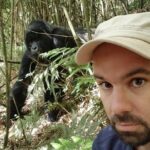
How does it feel? It’s a mix of listening, walking, and waiting. The goal is to reach the gorillas without rushing them out of position. When you finally make contact, you’ll understand why people say it changes them.
Preparing Your Body and Kit: Shoes, Rain, and Insect Repellent
The tour gives you a clear packing list for a reason. You’ll want hiking shoes with real grip, not anything slick or fragile. You’re also told to bring rain gear because the weather can shift fast, and you’ll still be moving.
Bring a daypack and hiking pants. Keep your gear simple and easy to access. You’ll also want biodegradable insect repellent—important because you’ll be walking through areas where mosquitoes and other insects are part of the environment.
A passport matters. You can use a passport and a copy is accepted. That reduces stress if you need to keep the original safe while moving through check points.
What not to do is also specific. High-heeled shoes aren’t allowed. Flash photography is not allowed. And alcohol and drugs are off limits. You also can’t feed animals, even if it’s tempting to try to get a better angle.
Permits and Price: What the $299 Really Buys
Let’s talk value, because gorilla trekking has two layers of cost.
The tour price is listed at $299 per person, and it includes pickup/drop-off in Kigali, air-conditioned 4WD transport, a driver guide, and drinking water. It can also include the tracking permit for international visitors if you select that option.
If you don’t select that option, the mountain gorilla trekking permit is not included. It’s priced at 1500 USD for international visitors and 500 USD for African residents. That’s the big number you must plan around. If you’re comparing offers, always check whether the permit is included in the package you’re looking at.
So is the $299 worth it? In many cases, yes—because you’re buying a full logistics day that handles the hard part: the early start, the route, and the handoff to the park team. When you’re trying to secure time slots for gorilla tracking, small failures in timing can wreck the day. Paying for transport and coordination helps protect you from that.
Also note this reality: in peak season, permits can be hard to secure. The provider has helped in situations where permits were sold out on an official site by working with the authority. That doesn’t mean it’s guaranteed, but it does mean they’re not just handing you a ticket and wishing you luck.
Safety, Rangers, and How the Experience Feels Organized
A gorilla trekking day is intense. The good version feels controlled. The organized version means you understand what’s expected before you enter the forest.
You’ll get a briefing from a ranger guide, and your group is guided into the jungle by park staff. You’re not left alone to interpret animal behavior. The goal is controlled closeness and safe observation.
In practice, you’ll see a layered support system. There’s ranger leadership, trekkers and trackers, and armed protection as part of the operation. If you’re someone who dislikes uncertainty in remote settings, this matters. You still feel the wild. You just aren’t operating without structure.
And the driver part isn’t just driving. John has been praised for coordinating paperwork needs for the park permit and staying flexible for things like an ATM stop or quick picture stops along the route. That kind of responsiveness reduces stress on a day that already starts at dawn.
Lunch in Musanze and the Timing Back to Kigali
After trekking, you’re driven back toward the nearest town—Musanze—for lunch. Then you continue on to the drop-off in Kigali.
This matters because you don’t want to end your day starving and guessing where to eat. A set lunch stop is one of those small comforts that helps you recover after a long trek. It also gives your body a chance to cool down and reset before the return drive.
The overall day is long, but it’s paced around realistic needs: briefing, trekking time that depends on gorilla movement, then food, then return.
Who Should Book This (and Who Should Skip It)
This experience is best for people who want a straightforward way to do gorilla tracking without wrestling transportation on their own. It’s also a good fit if you prefer a driver who can handle the practical stuff while you focus on the park day.
It’s not suitable for children under 15. It also isn’t recommended for people with animal allergies or those who struggle with altitude sickness. If you have concerns about allergies or how your body handles elevation, you should check with your doctor before going.
If you love early mornings, you’ll adapt fast. If you hate them, plan for it now. Wear the right shoes, bring rain gear, and accept that the day might take longer than you expect—because that’s the nature of finding wild gorillas.
Should You Book This Gorilla Trekking Logistics Day?
If you’re booking Kigali gorilla trekking, I’d consider booking this transport-focused experience when you want a clean, organized path to Volcanoes National Park. It’s especially useful because the gorilla tracking portion is run by park staff, and this setup handles how you get there and back with air-conditioned transport and a driver guide.
I would not book it if you’re expecting the $299 to cover everything, because the gorilla trekking permit can be a separate major expense for international visitors. I’d also think twice if your body won’t handle long days and rough terrain.
For most people aiming for that one-in-a-lifetime encounter, this is a sensible way to protect your time, reduce stress, and keep your energy for the trek.
FAQ
What time is pickup in Kigali?
Pickup is early, at 04h30.
How long is the drive to the park headquarters area?
You drive to the park headquarters in Musanze–Kinigi, which takes about 2h30 after a coffee break.
How long does the gorilla tracking trek take?
The trekking can last 2 to 8 hours, depending on the movement of the gorillas.
Is the gorilla tracking permit included in the $299 price?
It depends on the option you select. A tracking permit for international visitors is included only if the permit option is selected. The permit itself is 1500 USD for international visitors and 500 USD for African residents.
What permits and documents do I need?
You need your passport. A copy is accepted.
What should I bring for the trek?
Bring hiking shoes, rain gear, a daypack, hiking pants, biodegradable insect repellent, and trekking gear.
What footwear and behavior are not allowed?
High-heeled shoes are not allowed. Also, flash photography is prohibited, and you can’t bring alcohol or drugs. Feeding animals is not allowed.
Is this tour suitable for children or people with health issues?
It is not suitable for children under 15. It is also not suitable for people with animal allergies or those who have altitude sickness.
What is the cancellation policy?
You can cancel up to 24 hours in advance for a full refund.
What languages are spoken?
The languages listed are French, English, and Kinyarwanda.