REVIEW · KIGALI
Women-led Coffee Farm Trek
Book on Viator →Operated by Question Coffee - Coffee Experiences · Bookable on Viator
Coffee and purpose, mixed on one morning. Rwanda’s coffee is famous for delicate flavors, and this trip turns that reputation into something you can see and understand, from farm work to the final cup. You’ll spend your morning outside Akagera National Park learning how coffee becomes coffee, with women farmers leading the way and a lunch included break at a local women’s center. The one watch-out: it runs about 8 hours and it depends on good weather, so plan your day with a little flexibility.
I like how hands-on it feels for a day trip—real steps, real workflow, and real people doing the work. I also like the small-group size (max 15), because questions don’t get lost in a crowd. If you’re short on time, the schedule may feel long for $150, but for most coffee lovers it’s a satisfying, full-morning reset rather than a quick photo stop.
In This Review
- Key highlights at a glance (what makes this trip special)
- Women-led coffee, just outside Akagera National Park
- Getting started in Kigali: the 8:00 am flow
- URUGO Eco-Lodge and the Women’s Opportunity Center lunch break
- On the farm trek: harvesting, washing, and preparation basics
- The women’s cooperative model: what you’re supporting
- Your guide’s role: ask questions, expect energy
- Price and value: is $150 worth it?
- Who should book this Women-led Coffee Farm Trek?
- Tips to get the most from the day
- Should you book this coffee farm trek near Akagera?
- FAQ
- What is the duration of the Women-led Coffee Farm Trek?
- Where does the tour start in Kigali?
- What is the price per person?
- Is lunch included?
- How large is the group?
- Do I need any special health or safety items?
- What’s the policy if the experience is canceled due to weather?
Key highlights at a glance (what makes this trip special)
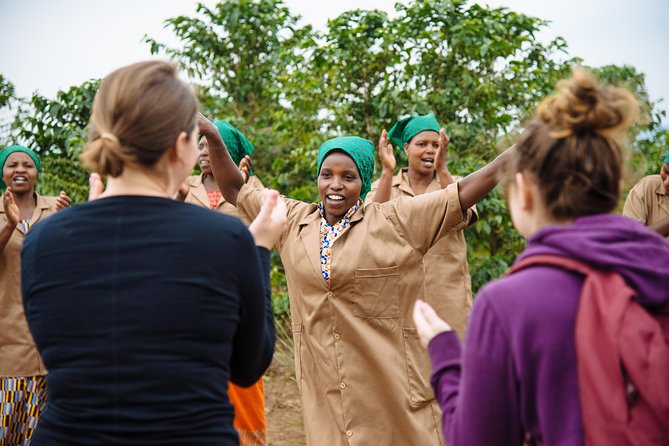
- Women-led coffee production: you’re not just watching coffee happen, you’re seeing how it’s grown and processed
- Song-and-dance welcome: expect a lively greeting right after you arrive at the women’s center area
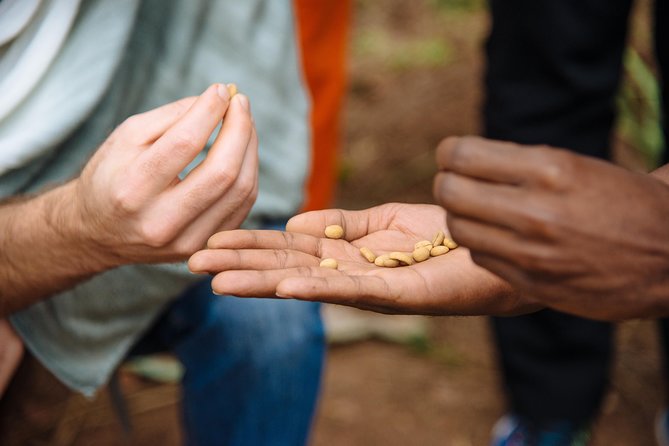
- Hands-on coffee steps: you’ll learn what happens from harvesting through preparation
- Women’s Opportunity Center visit: you can see handicrafts and more during your lunch stop
- Small-group limit (15 max): easier pacing and more time for guide questions
Women-led coffee, just outside Akagera National Park
This tour is built around one simple idea: coffee is more than a drink. In Rwanda, coffee matters for jobs, land, and local pride—and here you get to connect the flavor in your cup to the people who grow the beans. The setting near Akagera National Park matters too. It’s close enough that the day feels like more than a city outing, but not so far that it turns into a complicated expedition.
You’ll be learning about Rwanda’s coffee while watching key steps in the process—how beans are harvested and how they’re prepared afterward. Rwanda’s coffee is often described as delicate, and that theme shows up in how the producers talk about care and process. When you understand the work behind the beans, you stop treating coffee like a product and start treating it like craft.
You can also read our reviews of more tours and experiences in Kigali.


Getting started in Kigali: the 8:00 am flow
The day begins at Question Coffee Gishushu in Kigali (8 KG 8 Ave). The start time is 8:00 am, and the tour ends back at the same meeting point. That round-trip setup is practical: you don’t need to arrange a second taxi or hunt down a new pickup point later.
Because the day is about 8 hours long, I recommend planning your morning like you would a small tour of the countryside: eat before you go if you’re the type who gets hangry, and keep your phone charged. A coffee farm day is the kind of trip where you want to capture details—like the way people sort or handle beans—but you’ll also want your hands free, so you don’t end up with a phone glued to your face.
URUGO Eco-Lodge and the Women’s Opportunity Center lunch break
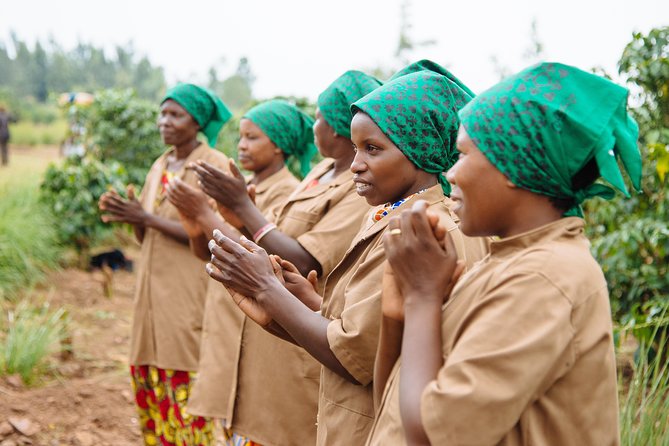
Your first stop is URUGO Eco-Lodge at the Women’s Opportunity Center. Lunch is included, and the stop runs about 1 hour with an admission ticket included. This part isn’t just a break in the schedule. It’s the tour’s mission in a nutshell: women’s work, community earnings, and local products you can actually see.
During this stop, you’ll also get time to visit the Women’s Opportunity Center. That’s where you can browse handicrafts and more, so you can leave with something that’s not mass-produced. I like that it’s integrated into the day rather than tacked on at the end. It changes the feeling of the tour from coffee-only sightseeing to a more grounded look at local life.
One thing to plan for: a warm welcome. On arrival, you may be greeted with song and encouraged to join in the dance. That’s not forced in the sense of “you must,” but it is part of the atmosphere. If you’re the shy type, you can still enjoy it. If you’re game, it’s one of those moments that makes a day feel human instead of scripted.
On the farm trek: harvesting, washing, and preparation basics
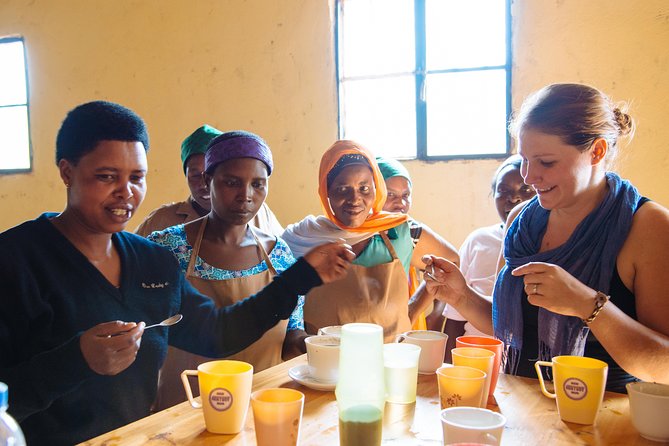
After the center stop, the core of the day is the coffee farm trek experience—seeing how coffee is produced and prepared. The tour specifically focuses on the steps that shape flavor: the harvesting stage and what happens after, including washing and preparation, leading toward roasting.
Here’s what I think you’ll enjoy most about the farm part: you’ll understand coffee as a chain of decisions, not a single magical moment. If you care about coffee quality, you’ll likely spot how consistency depends on what happens before roasting. Even if you’re not a coffee nerd, you’ll come away with clearer language for what you taste later.
A key benefit of this format is pacing. In a typical market visit, you see the end product. On this trip, you see why the end product looks and tastes the way it does. You’ll learn the process step-by-step, with a guide explaining what you’re seeing as you go. And because the group is limited to 15, you’re less likely to feel like you’re being marched through.
Practical note: farms can mean uneven ground, outdoor heat, and dust. The trip says most travelers can participate, but you’ll still feel better with shoes that handle dirt and a bit of walking. Pack something light for sun protection and keep water in mind—coffee culture is thirsty work, in the best way.
The women’s cooperative model: what you’re supporting
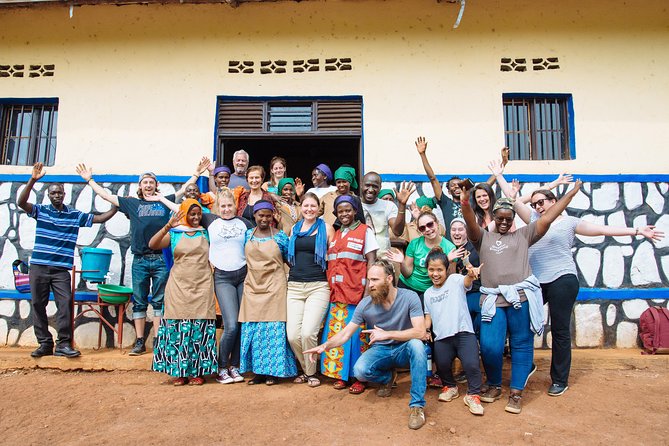
This tour is women-led in a way that’s more than branding. Rwanda’s coffee economy is a big deal, and on this day you’ll connect that reality to the cooperative work being done by women farmers. You’ll learn how coffee supports livelihoods, and you’ll see how the cooperative structure helps women gain income and visibility.
If you like travel that leaves you with a sense of “my money had a clear destination,” this is that kind of experience. The Women’s Opportunity Center visit reinforces the same theme: women creating economic opportunities through crafts and community programs, not just through farming. That dual focus makes the day feel coherent.
You’ll also get an important reality check. Coffee is not just about taste. It’s labor-intensive and process-driven. Seeing the work firsthand gives you a more respectful view of the cup. And it makes the lunch stop feel earned rather than random.



Your guide’s role: ask questions, expect energy
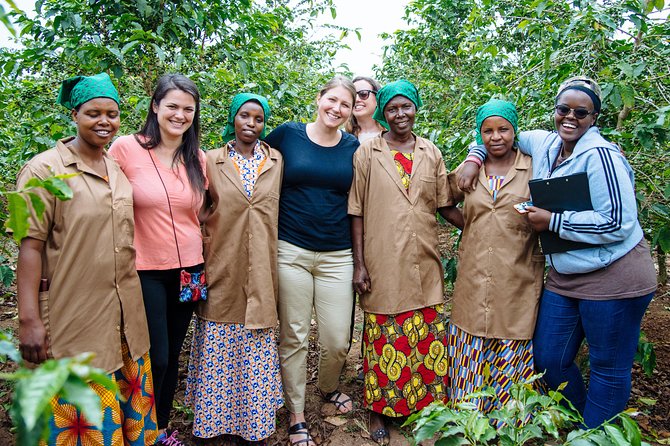
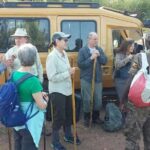
A great guide can make or break a day trip like this. In this case, the guides are part of the experience—not just a voice over the bus. One guide name you might encounter is Patty, who’s noted for being friendly, helpful, and hands-on during the tour.
What that usually means in practice: you’re not stuck watching while others do the learning. You get clearer explanations, and there’s room for you to ask what you’re curious about—like what happens next in the process or why a particular step matters.
You should also expect the tour to bring some energy right away. The song-and-dance welcome is one example, and it sets a tone that’s more community-focused than lecture-style. If you’re open to it, that vibe makes the farm portion feel less like a classroom and more like a shared day outside.
Price and value: is $150 worth it?
The price is $150 per person for a full 8-hour experience in Kigali, focused on coffee production and a women-centered community visit. On paper, that can sound like a lot for one day. In practice, you’re paying for several value components at once:
- A guided, step-by-step coffee education (harvesting through preparation and roasting context)
- A visit to a women’s center with lunch included
- A small group size capped at 15, which usually means more direct attention
- Transport from the meeting point and a full-day schedule
For a coffee lover, this is closer to a high-quality workshop than a standard sightseeing tour. If you were going to spend money on a coffee tasting plus a separate cultural visit, it might still cost more once you add up entrance fees, transport, and time. Here, those pieces are bundled into one coherent day.
The only time I’d hesitate is if you’re trying to cram Kigali into a super tight schedule. If you only have a few hours, this won’t fit. But if you’ve got one full day and coffee matters to you, I think the price is fair.
Who should book this Women-led Coffee Farm Trek?
I think this tour is a great match if you:
- Love coffee and want more than a barista-style explanation
- Care about how travel money supports people directly
- Prefer small groups where you can actually ask questions
- Want a single day in Kigali that feels tied to real work and real community
It’s also a strong pick for groups of friends or coworkers who want an experience that’s shared but not awkward. The song-and-dance welcome, the small-group pace, and the guided learning help people connect quickly.
If you’re looking only for city sights, this might feel too rural and farm-focused. But if you want Rwanda beyond the skyline and you enjoy learning through doing, it’s well aligned.
Tips to get the most from the day
A few practical ideas to help you enjoy this tour without stress:
- Wear comfortable shoes. Farms often mean uneven ground and outdoor walking.
- Bring a light layer for morning and shade breaks.
- If you’re camera-happy, keep your phone secure and avoid juggling it while walking.
- Go in with curiosity, not just a checklist. The best coffee stories come from asking why people do things a certain way.
- If you’re offered the chance to join the dance, take it as a cultural interaction—not a performance test.
Should you book this coffee farm trek near Akagera?
If you’re even moderately into coffee, I’d lean yes. This tour gives you a full morning/early afternoon view of how Rwanda coffee is produced, with women-led work at the center and a lunch stop that connects the dots between coffee and community life. The small-group limit and the engaging welcome tone also make it feel like a day you’ll remember, not just another ticket stamped and forgotten.
The decision comes down to fit:
- Book it if you can spare about 8 hours and you’re comfortable with outdoor walking.
- Reconsider if your schedule is too tight or you hate weather-dependent plans. The experience requires good weather, and if conditions aren’t right, you’ll be offered a different date or a full refund.
If you want coffee with context—and you want to support women-led community efforts—this is one of the more meaningful ways to spend a day around Kigali.
FAQ
What is the duration of the Women-led Coffee Farm Trek?
It lasts about 8 hours.
Where does the tour start in Kigali?
The tour starts at Question Coffee Gishushu, 8 KG 8 Ave, Kigali, Rwanda at 8:00 am.
What is the price per person?
The price is $150.00 per person.
Is lunch included?
Yes. Lunch is provided at URUGO Eco-Lodge at the Women’s Opportunity Center.
How large is the group?
The tour has a maximum of 15 travelers.
Do I need any special health or safety items?
Negative COVID-19 test results are required, and a mask is required.
What’s the policy if the experience is canceled due to weather?
The experience requires good weather. If it’s canceled due to poor weather, you’ll be offered a different date or a full refund.