REVIEW · MOUNT ETNA
Etna: Craters of the 2002 Eruption Trekking Experience
Book on GetYourGuide →Operated by Guide Vulcanologiche Etna Nord · Bookable on GetYourGuide
Three hours on Etna’s crater edge.
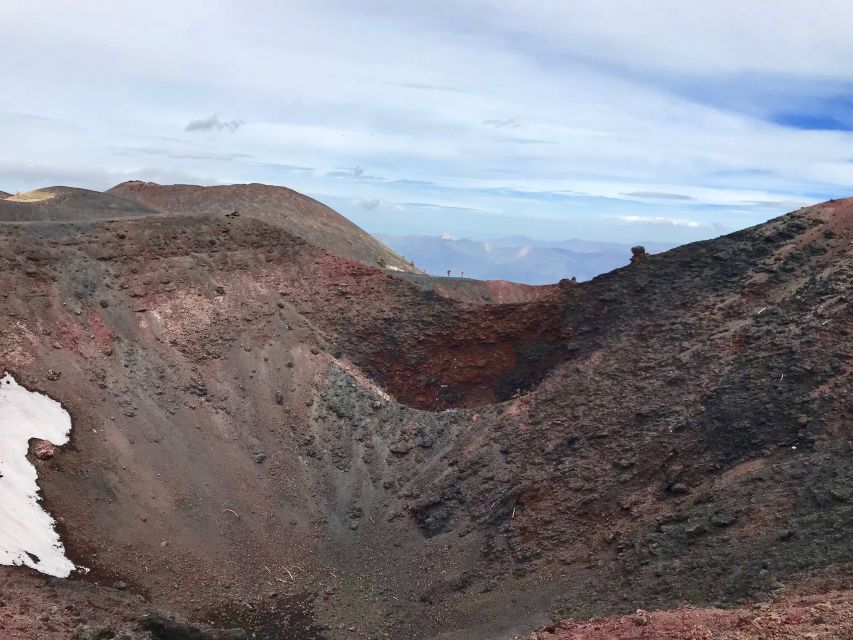
This trek takes you to the 2002 eruption aftermath on the north side—lava streams, eruptive fractures, and the massive craters tied to the destruction of Piano Provenzana—while you also get a standout view toward the Calabrian Coast. I like that the route feels like you’re walking through the volcano’s story, not just looking at rocks.
What I really like: you’re led by an official volcano guide, and you can feel it in how the explanations land in plain language. In past groups, guides like Daniele, Davide, Vincenzo, and Niko have mixed science with humor and even showed personal visuals from the actual eruption period.
The big consideration is physical and mental: the volcanic soil can be inconsistent, and you’ll walk along crater edges where dizziness is possible. If you have vertigo, unstable balance, or you’re not doing regular walking, this may feel like more than a casual stroll—so plan honestly and bring the right shoes.
In This Review
- Key highlights to know before you go
- Meeting at Chiosco Bar Mareneve and the start you should double-check
- How hard is this 3-hour Etna trek, really?
- Piano Provenzana to the summit craters: your route in plain language
- The Hotel dell Betulle stop: the one structure you’ll remember
- Hornitos and eruptive fractures: learning the volcano’s vocabulary as you walk
- Views from the eruptive theater and the Calabrian Coast
- Gear and safety: what you must plan for (not what you hope for)
- Price value: what $41 buys you on Etna (and what it doesn’t)
- Who this trek suits best (and who should skip it)
- Should you book this Etna 2002 Craters Trek?
- FAQ
- How long is the Etna craters trek?
- Where do I meet for the tour?
- What is included in the price?
- Do I need trekking poles or special shoes?
- Is there a parking cost?
- What extra gear might I need for winter months?
- What languages are the guides?
- Who should avoid this trek?
Key highlights to know before you go
- 2002 eruption craters on Etna’s north side: follow the evidence of the most powerful eruption in recent years
- Piano Provenzana to summit route: a clear path from a dirt road ascent to crater viewpoints and back
- Hornitos on cinder cones: learn what small “oven” structures are and why they form
- Hotel dell Betulle ruins: the only visible structure left from the 2002 lava flow
- Eruptive theater views: crater edges with sweeping sightlines toward the sea
- Small-group feel: designed to keep you away from huge crowds on other routes
Meeting at Chiosco Bar Mareneve and the start you should double-check
Your tour meets at Chiosco Bar Mareneve, not the Chiosco Bar Etna Nord in the lower parking lot. This matters more than it sounds, because both are in the same general area and it’s easy to head to the wrong one when you’re tired and the parking lot is busy.
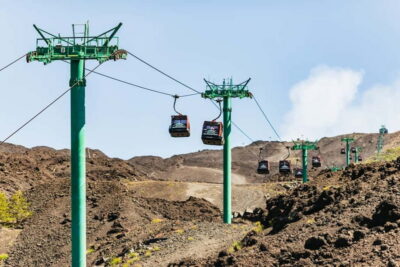
The meeting spot is near the chairlift used by skiers in winter, and it’s the second house of the four buildings in the parking lot. After the trek, you’ll return to that same meeting point.
If you hate last-minute confusion, do this simple thing: arrive a little early, take one photo of the exact building, and then you’ll be able to find it again if someone in your group is running late.
You can also read our reviews of more tours and experiences in Mount Etna.
How hard is this 3-hour Etna trek, really?
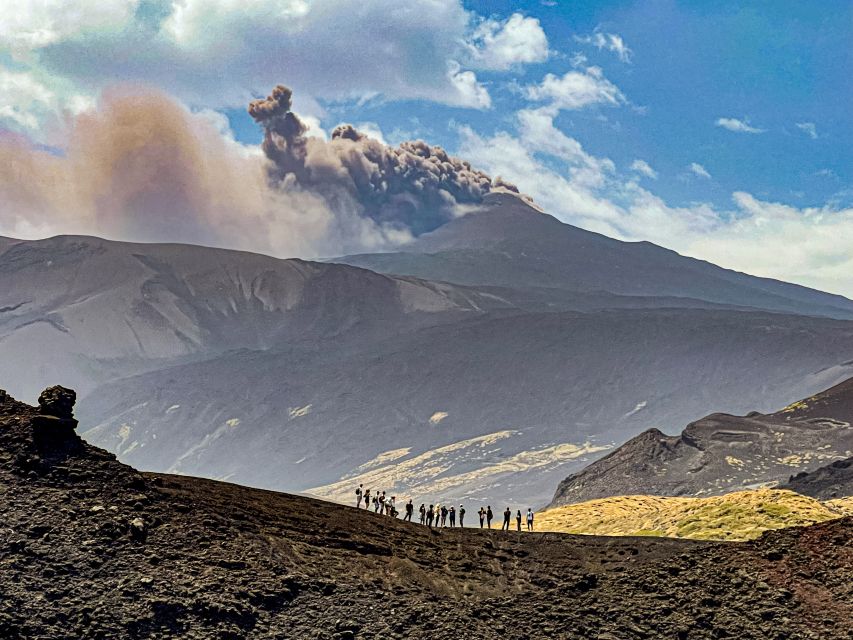
This is listed as a 3-hour guided trek, but the key word is “trek” with real footing. The route includes an ascent and walking along crater edges, and the soil can be inconsistent and unstable. That’s not meant to scare you. It’s meant to keep you safe and properly prepared.
A few practical reality checks:
- You’ll need medium hiking training. The trek is not described as a beginner stroll.
- If you’re fine with heights, you’ll probably be okay. If you’re not, this is the part of the mountain where your comfort level matters.
- Crater-edge walking can cause dizziness for people who are sensitive to that kind of terrain.
In past groups, I’ve seen people describe it as hard going in their late 60s, but also worth it once the views and the explanations click. That tells me the tour is doable for many ages, as long as you pace yourself and bring the right gear.
Piano Provenzana to the summit craters: your route in plain language
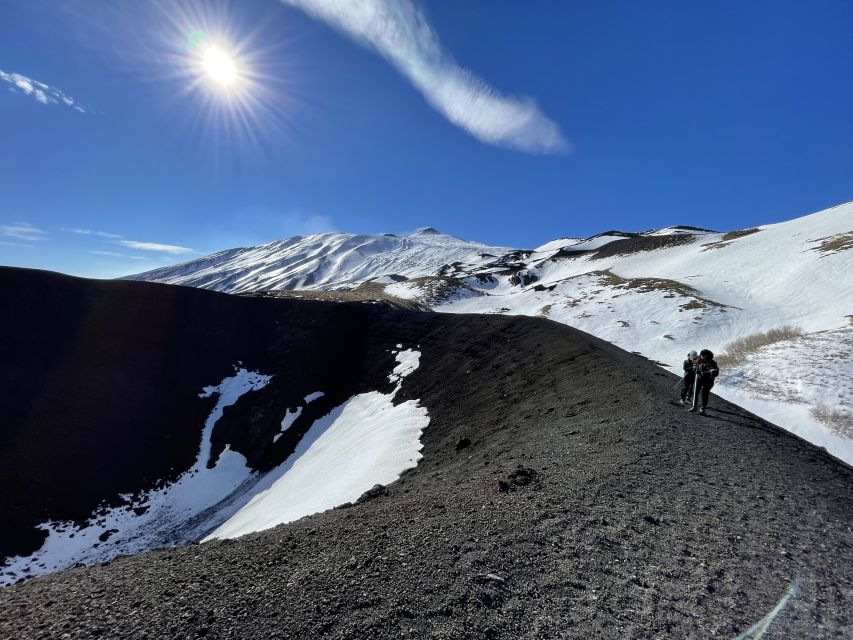
The trek starts along a dirt road leading from Piano Provenzana up toward the summit craters. Expect the walk to feel like a slow ramp at times, with stops that break up the effort so you can actually see what the guide is talking about.
Here’s what makes this stretch special:
- You’re not just hiking to a viewpoint. You’re moving through the terrain that the 2002 eruption reshaped.
- The guide uses multiple stops to point out volcanic forms you can’t really understand from a distance.
Along the route you’ll also visit several volcanic morphologies connected to eruptions that happened over time on Etna’s north side. The big idea: flank eruptions left the clearest evidence, including the last major one that threatened Linguaglossa.
Then, at the summit, you’ll look over the edge of the craters. After that, you walk down inside a sandy channel to get back toward the starting point—so the day isn’t only about “up.” It’s about reading the terrain both directions.
The Hotel dell Betulle stop: the one structure you’ll remember
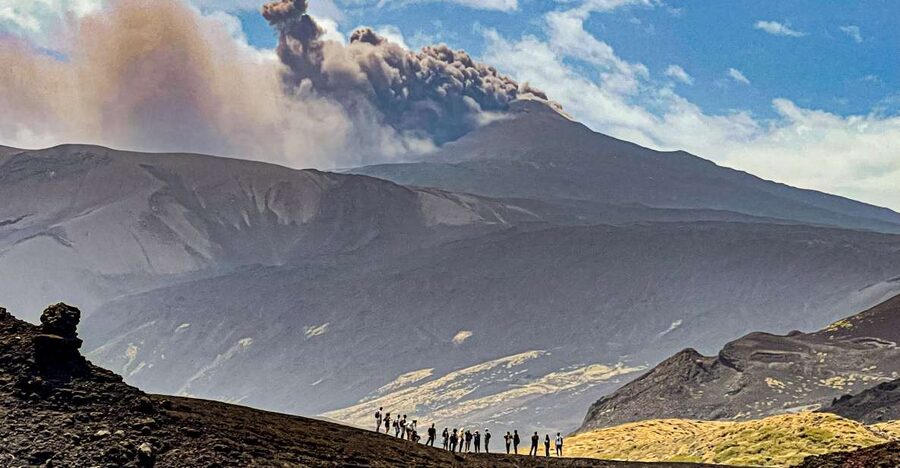
One of the most vivid markers on the route is the ruins of the Hotel dell Betulle. This matters because it’s described as the only visible structure that remains from the lava flow that occurred in 2002.
So instead of thinking about the eruption as something distant in time, you can connect it to something concrete. It’s a reminder that eruptions don’t just make new landforms—they also change human life and infrastructure fast.
From a tour-experience point of view, this stop works because it gives you a pause point. You catch your breath, you reset your focus, and you see what “eruption consequences” looks like on the ground.
Hornitos and eruptive fractures: learning the volcano’s vocabulary as you walk
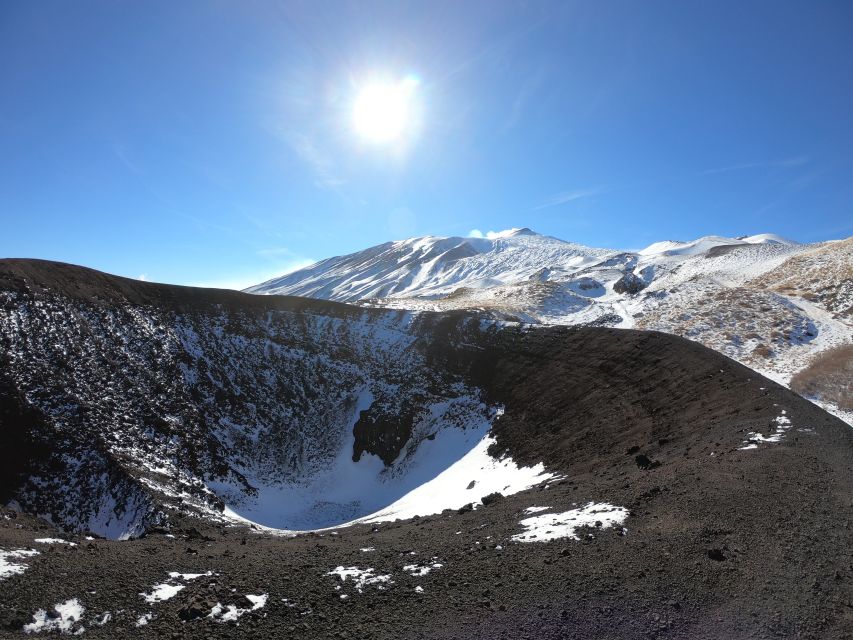
This tour is built around teaching volcanic features where you stand. One of the main lessons comes from the structures called Hornitos, which means small oven(s). They’re described as being found as you go up along cinder cones.
What you’ll get from this part:
- A better understanding of how volcanic activity shapes small, repeatable features.
- A sense of cause and effect: you can look at the ground and see the results of venting and fragmentation, not just the big crater edges.
You’ll also encounter eruptive fractures and lava streams during the trek. These aren’t only “cool visuals.” They’re clues the guide uses to connect the route to the larger eruption pattern.
And this is where the guide style really shows. In earlier groups, guides like Vincenzo have combined scientific explanations with humor, which helps the information stick without turning the hike into a lecture.
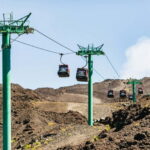
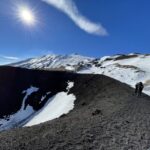
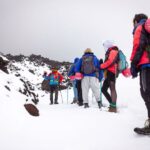
Views from the eruptive theater and the Calabrian Coast
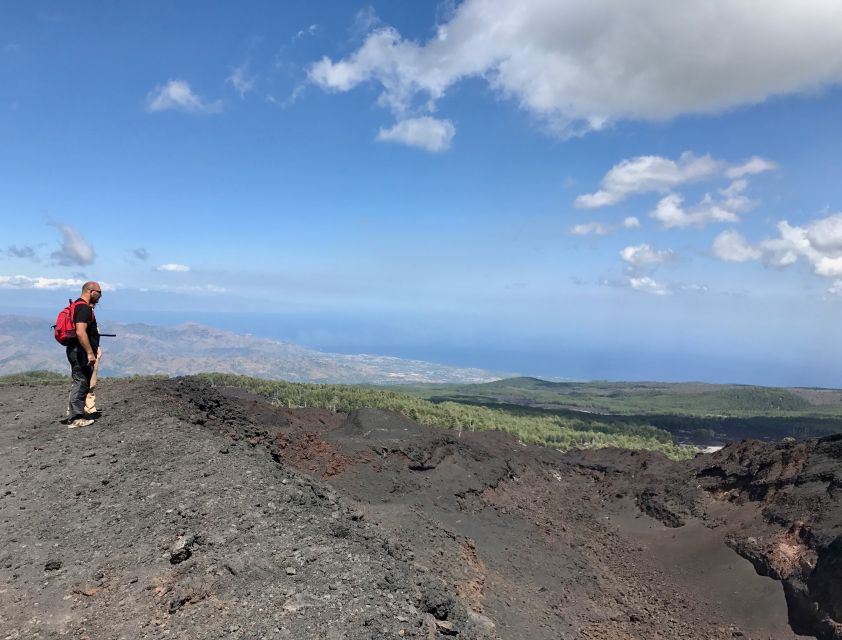
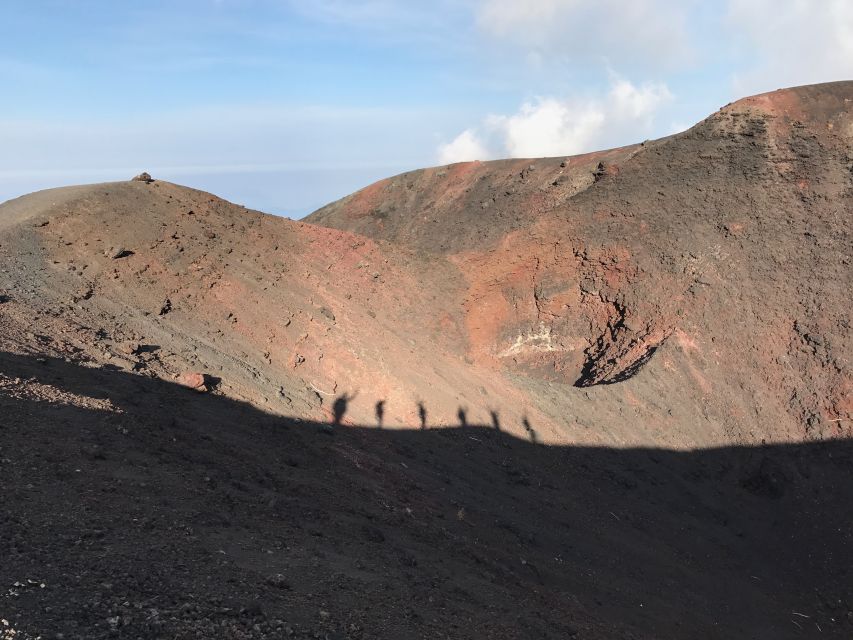
Once you’re up near the crater area, the views shift from “volcano up close” to “volcano plus geography.” The tour highlights the eruptive theater feeling—the crater system viewed from the rim—and also the Calabrian Coast in the distance.
This is a big reason the trek is worth doing on Etna’s north side. You get that mix of scale and clarity:
- Scale from the massive craters linked to the 2002 destruction of Piano Provenzana
- Clarity from a guided explanation while you’re standing in the right spot to understand what you’re seeing
It’s also a nice change from getting stuck behind crowds at big viewpoint overlooks. The trek format gets you moving, so the mountain feels closer and more personal.
Gear and safety: what you must plan for (not what you hope for)
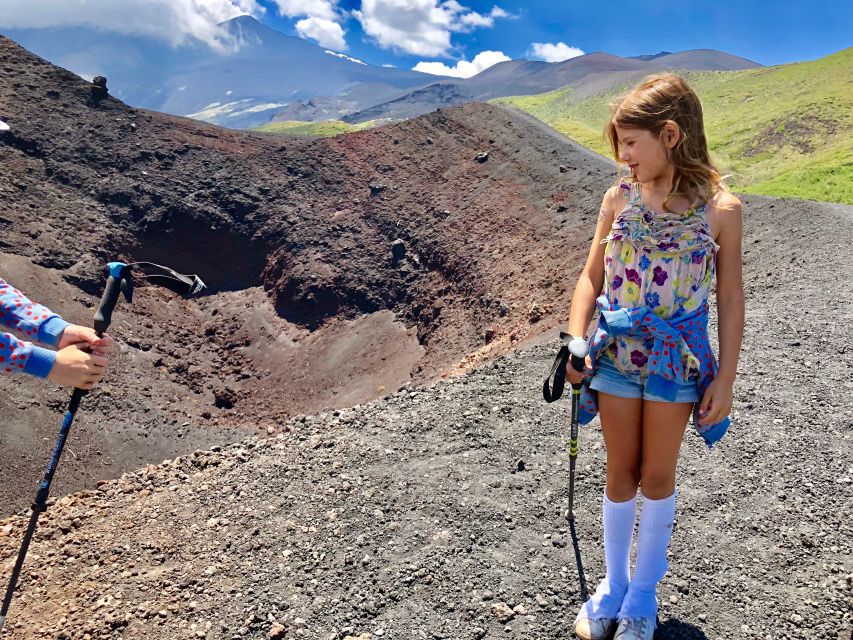
The tour includes an official volcano guide and insurance in case of accidents, but there’s an important practical note: without adequate shoes, you are not covered by insurance. So this is not the moment for casual sneaker experiments.
What to bring:
- Windbreaker and a jacket (even if it looks mild when you leave)
- Sunglasses and sunscreen
- Water and snacks
- Comfortable clothes and a daypack
- Hiking shoes with good grip
What’s not allowed:
- High-heeled shoes
- Sandals or flip flops
- Baby strollers
- Luggage or large bags
- Skirts
- Slippers
Rentals and seasonal gear:
- Trekking shoes can be rented on-site at authorized rentals for €5 per pair.
- In winter months (December, January, February, March), snowshoes are available to rent on-site for €12 per person.
- In colder seasons, gloves or hats are not included—bring your own.
One useful tip from real-life experience shared by past hikers: if you forget an extra layer or the weather catches you, some guides have helped by providing spare items in the moment. Don’t rely on it, but it’s reassuring to know the guides are prepared to handle small problems.
Finally, because you’ll walk on crater edges, keep an honest eye on your own balance and dizziness tolerance. If you’re prone to vertigo, this may not be a smart fit.
Price value: what $41 buys you on Etna (and what it doesn’t)
At $41.00 per person for a 3-hour guided hike, this is a value play compared with many “transport-included” day tours. You’re paying mainly for the guidance, the educational stops, and the volcano-guide expertise (plus insurance).
What you should budget extra for:
- Parking ticket: €3 for the whole day, paid after the excursion
- Trekking shoes rental if you need them: €5 per pair
- Snowshoes in winter: €12 per person (if conditions require it)
- Food and water: snacks and bottled water are not included
- A windbreaker, gloves, and hats: also not included (windbreaker should be on your packing list)
And two things that really affect your overall cost:
- Transport from your accommodation to the meeting point is not included.
- Trekking sticks are not included.
So if you already plan to drive or take local transport to the meeting area, this price makes a lot of sense. If you need a full transport package from door to door, you might find you’re paying twice elsewhere. But for people who like to travel light and use local logistics, this is a fairly clean deal.
Who this trek suits best (and who should skip it)
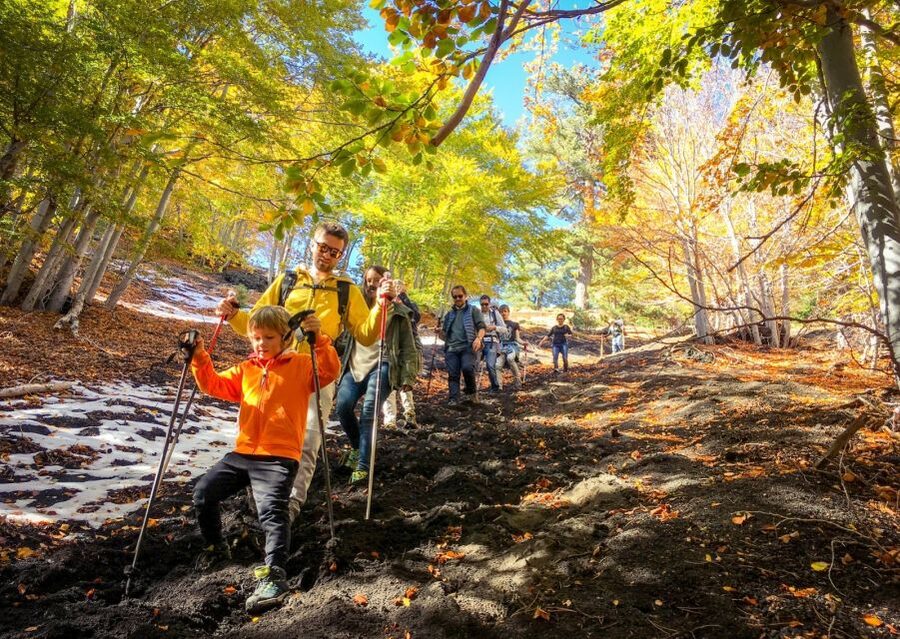
This is best for you if:
- You enjoy hiking and you’re comfortable walking on rough, volcanic ground
- You want a guided look at specific eruption evidence from 2002, not just a general Etna stop
- You like learning while moving, with frequent stops and clear explanations
- You want fewer huge-tour-group vibes because it’s a trek format
This trek may not be right if you:
- Don’t participate in regular physical activity
- Have vertigo, are afraid of heights, or get dizzy at crater edges
- Have mobility impairments, back problems, heart problems, respiratory issues, or epilepsy
- Are traveling with children under 6, are pregnant, or need accessibility accommodations not listed here
Should you book this Etna 2002 Craters Trek?
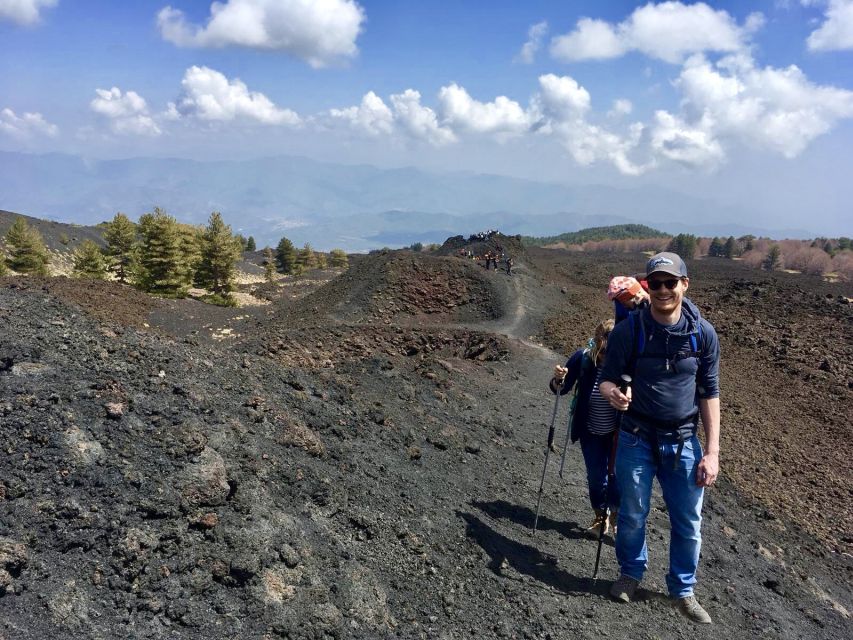
If your goal is to understand Etna through the ground itself, I’d say yes. The tour’s strongest advantage is that you get guided access to the places tied to the 2002 eruption—craters from Piano Provenzana, lava evidence, eruptive fractures, and the Hornitos—paired with viewpoints that make the science feel real.
Book it if you can meet the basics: proper shoes, a calm relationship with uneven terrain, and the willingness to walk for 3 hours with a bit of climbing. If you’re sensitive to heights or prone to dizziness, I’d think twice and pick a different Etna option that avoids crater-edge walking.
FAQ
How long is the Etna craters trek?
The duration is 3 hours (you can check availability to see starting times).
Where do I meet for the tour?
Meet at Chiosco Bar Mareneve, near the chairlift and in the second house of the four buildings in the parking lot. Do not go to Chiosco Bar Etna Nord in the lower parking lot.
What is included in the price?
The price includes an official Volcano Guide and insurance in case of accidents.
Do I need trekking poles or special shoes?
Trekking sticks are not included. Shoes are required for insurance coverage, and trekking shoes can be rented on-site at €5 per pair.
Is there a parking cost?
Yes. Parking is listed as €3 for the whole day, paid after the excursion.
What extra gear might I need for winter months?
Snowshoes are available to rent on-site for €12 per person during December, January, February, and March.
What languages are the guides?
The live tour guide operates in Italian, French, and English.
Who should avoid this trek?
It’s not recommended for children under 6, pregnant women, people with back problems, mobility impairments, heart problems, people afraid of heights or with vertigo, and people with respiratory issues or epilepsy.