REVIEW · NICOLOSI
Nicolosi: Mount Etna Central Crater Guided Trekking Tour
Book on GetYourGuide →Operated by ETNA TOURING DI PIETRO LA ROSA · Bookable on GetYourGuide
Etna feels close enough to touch. In just 5 hours, this trek gets you from Catania to Mount Etna’s central crater area through cable car, 4×4, and steady footwork—then back down again—so you get the real feel of a living volcano instead of just looking at it from afar. I especially liked the small-group pace (up to 10) and the way the guide keeps everyone moving safely on uneven, shifting ground.
My second big win: you’re not stuck at a viewpoint. You actually walk through ancient eruptive cones and wide lava stretches, and at the summit you get that sharp sulfur-gas atmosphere plus big views over Sicily, including the Ionian coast. The one consideration: the volcano can force changes, so the exact route (and even whether you use all the vehicle legs as planned) can shift with wind, ground conditions, and visibility—so treat the cable car/4×4 parts as variable, not guaranteed.
In This Review
- Key takeaways before you go
- Catania pickup: getting onto Etna without the hassle
- Cable car and jeep legs: why you start at 1,900 meters
- The central crater approach: sulfur air and lunar footing
- Inside the crater break: photos, guided moments, and the gases factor
- Valle del Bove and ancient eruptive cones: seeing Etna’s story in rock
- The return route: two walking segments plus vehicle breaks
- Gear and safety: what’s provided, and what you should still pack
- Fitness and health reality check: who this fits best
- Price and value: $104 plus what you pay on site
- Should you book the Etna central crater trekking tour?
- FAQ
- How long is the Mount Etna central crater trekking tour?
- What is the starting height and where do you end up?
- Do I need to buy cable car and jeep tickets separately?
- Is hotel pickup and drop-off included?
- What equipment is provided during the hike?
- How many people are in the group?
- What languages are the guides available in?
- What should I bring for the hike?
- Is the tour suitable for children or people with mobility/health issues?
- What’s the cancellation window?
Key takeaways before you go
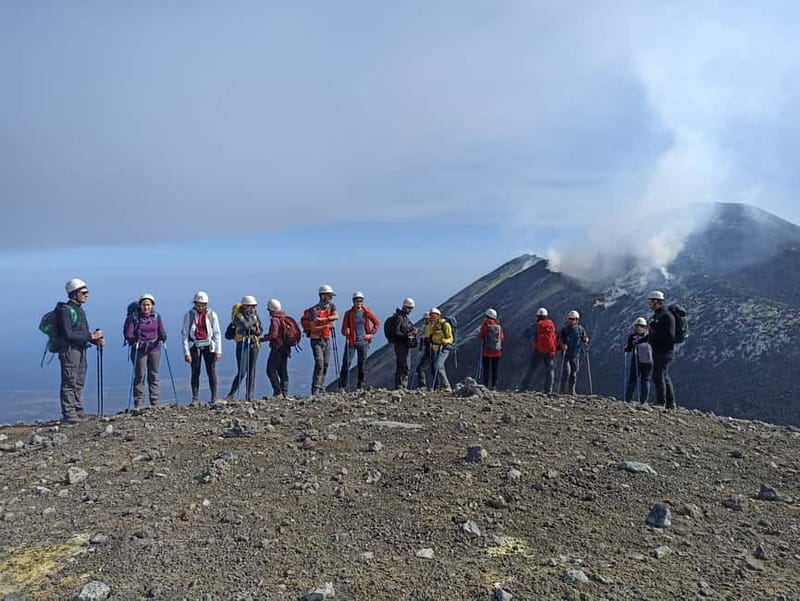
- Central crater at altitude: reach about 3,345m around the summit area, where sulfur fumes and gases are part of the experience
- True trekking time: two main walking segments on foot, with a guided break and photo stops near the crater
- Gear is included: helmet, jacket, trekking sticks, boots, and socks are provided—helpful for cold/wind and rough footing
- Catania convenience: pickup and drop-off from the city center options, with a private transfer ride
- Small-group control: limited to 10 participants, and the guide manages safety closely on lava terrain
- Bring the right extras: warm layers, gloves/mask/scarf for gas, and your own comfortable daypack matter
Catania pickup: getting onto Etna without the hassle
The best part for me starts before you even see lava. You get pickup from the Catania city center at one of four meeting points, then you’re driven directly to the volcano start area. This matters on Etna days because you want energy saved for walking, not for chasing buses and changing tickets.
Pickup is scheduled around 9:30 a.m., but the excursion timing adjusts once everyone has equipment and joins the group. If you’re the kind of traveler who hates arriving late and waiting around, this structured timing feels reassuring.
Your drop-off also returns to Catania at one of the same city-center points. So you’re not stuck thinking about the logistics of getting back after a cold, smoky crater experience.
You can also read our reviews of more tours and experiences in Nicolosi.
Cable car and jeep legs: why you start at 1,900 meters
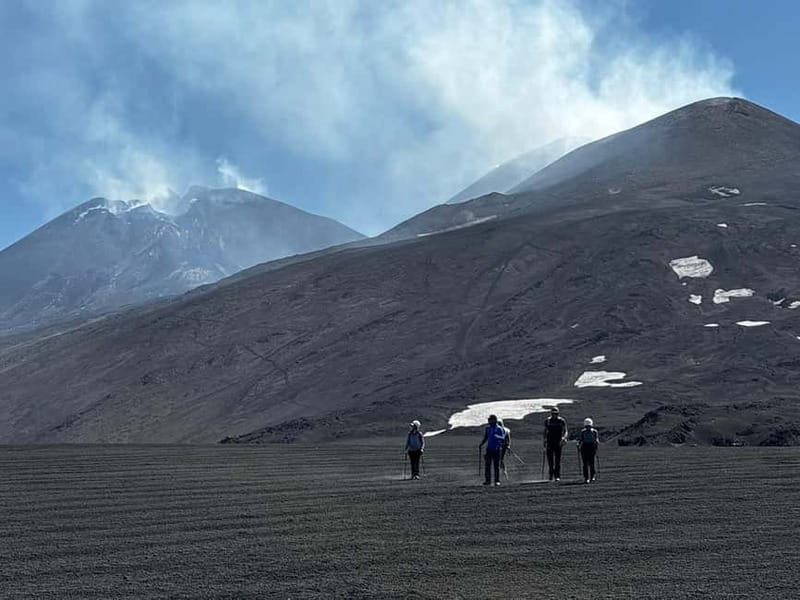
This trek begins around 1,900 meters, and that’s key. You don’t start at sea level or even from a simple parking lot trailhead. Instead, you take a cable car (about 20 minutes) and then off-road jeep/SUV time (about 30 minutes) to move you up toward the permitted hiking altitude.
Now, here’s the practical detail that affects your budget: the cable car and jeep round-trip tickets are not included in the $104 price. You pay on site the day of the excursion. In real-life terms, that means your final cost can be higher than the advertised base rate once you settle the vehicle portion.
Also, remember the volcano runs on reality, not our schedules. The operator notes they may change the itinerary and even switch the starting side (south vs north) depending on ground and wind conditions. One day it may be smooth; another day, you may end up doing the same overall hike with a different vehicle arrangement. Plan for that flexibility.
The central crater approach: sulfur air and lunar footing
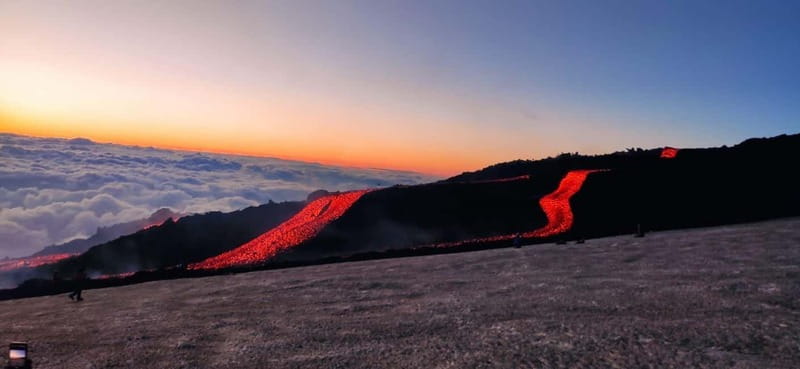
Once you’re set at the permitted hiking point, the “walking on a living volcano” part kicks in. You’ll hike entirely on foot with your guide as you work up toward the crater area, where the summit zone sits around 3,345m.
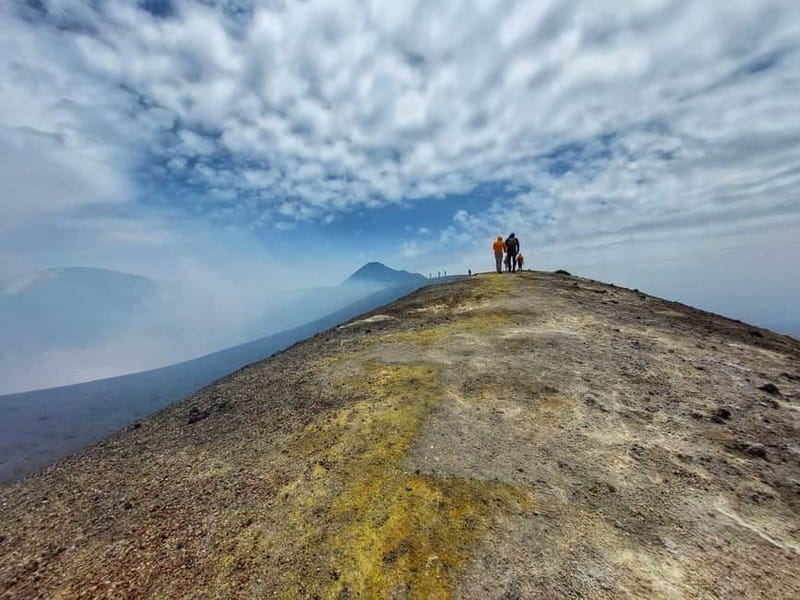
The terrain feels almost off-world because the ground is shaped by eruptions—lava rock, ridges, and broad expanses that look more lunar than alpine. The reward is the atmosphere. At the crater area you can encounter fumes, volcanic gases, and intense sulfur-colored ground. It’s dramatic, but it’s also the reason you pack a few smart items (more on that soon).
You’ll get your best views from up high too. From the central crater area, you’ll admire the Ionian coast and the villages below Etna. Even if you’ve seen photos before, this view hits differently when you’re standing above it, breathing cool high-altitude air with that unmistakable sulfur smell in the background.
This portion isn’t marketed as a stroll. You’ll be walking enough that people with average hiking fitness often manage it, but you still want a serious grip on your footing and a bit of stamina. If you don’t like heights, uneven ground, or long climbs, this may feel like a lot.
Inside the crater break: photos, guided moments, and the gases factor
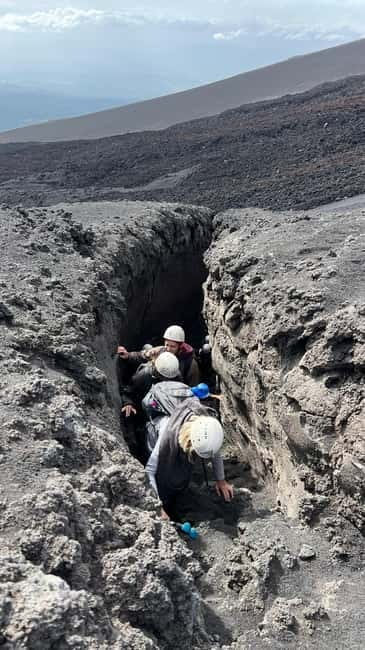
At the Crater Centrale dell’Etna stop, you’ll get more than a quick photo. The program includes a break, then a photo stop, a guided visit, and guided walking time around the summit zone.
Why that matters: volcanic terrain isn’t just scenic—it’s also educational. The guide helps you understand what you’re looking at, what parts are safe to approach, and how to move over the surface without wasting energy.
One thing to prepare for is timing and discomfort. The crater area can be windy and exposed, and gases can make it feel colder than expected even when the sky looks bright. Bring the right protection (again, gloves/scarf help), because you might want your hands and face covered once the fumes drift your way.
Valle del Bove and ancient eruptive cones: seeing Etna’s story in rock
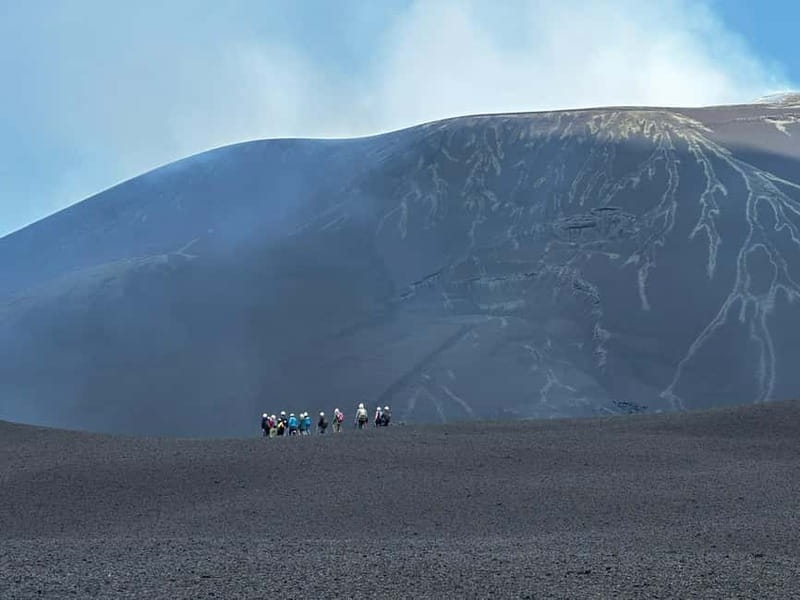
The itinerary doesn’t stop at the crater. It also takes you through key volcanic features that explain Etna’s shape.
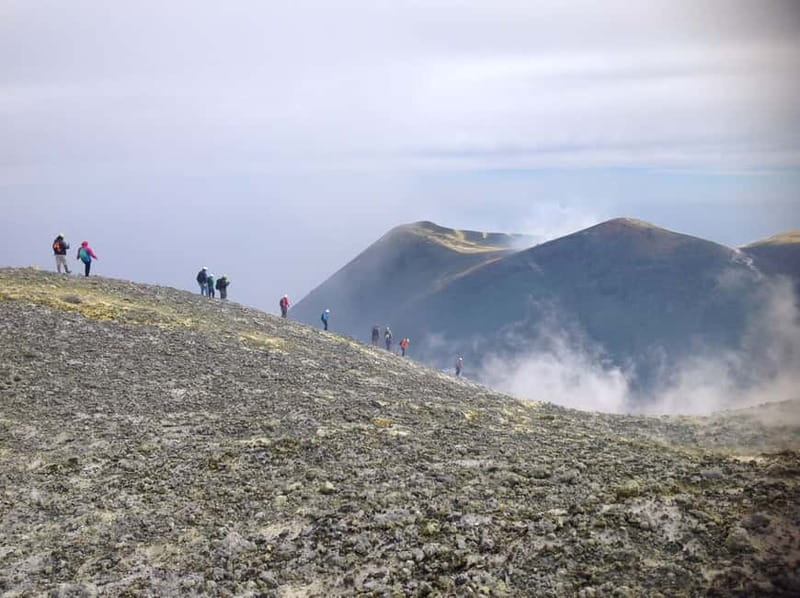
You’ll cross and visit ancient eruptive cones and pass through huge expanses of lava. This is where the hike starts to feel like a geology lesson you can walk across. Instead of only hearing about eruptions, you see remnants of earlier activity in the ridges, layers, and cone-like forms.
Then there’s the panoramic area for Valle del Bove, a large depression tied to Etna’s ancient eruptive history. This part is valuable because it shifts you from “close-up crater wow” to “big-picture Etna.” You step back visually and understand the scale of the volcano, how parts collapsed and formed the valleys you see spreading out below.
If you like photos, this is a strong moment to pause and frame the valley view. And if you prefer to simply breathe it all in, Valle del Bove is also one of those places where silence feels earned.
The return route: two walking segments plus vehicle breaks
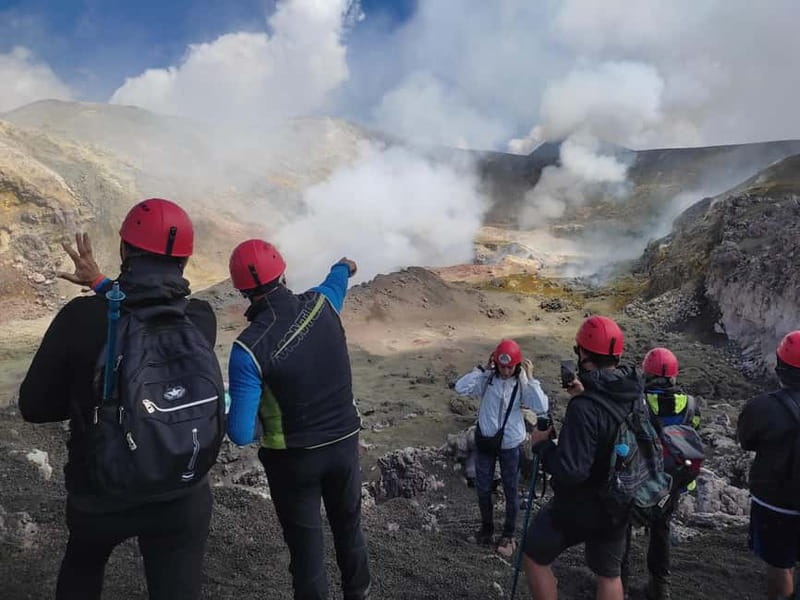
Your day has a rhythm. After the summit area portion, you’ll walk again on foot—another about 100 minutes—then you’ll drop back down using the vehicle legs: jeep/SUV (about 30 minutes) and then cable car (about 20 minutes) back toward the 1,900-meter starting altitude.
This timing is why it stays a clean 5-hour total. You’re not hiking all day, but you’re also not doing a short walk and calling it a trek. Expect a few photo moments and guided stops, but not long lunches. The program design keeps the pace moving because the real target is the summit-area experience.
The upside: you get back in time to enjoy Catania afterward. The downside: you won’t have lots of downtime to sit and relax, especially if the wind is pushing you toward keeping warm and moving.
Gear and safety: what’s provided, and what you should still pack
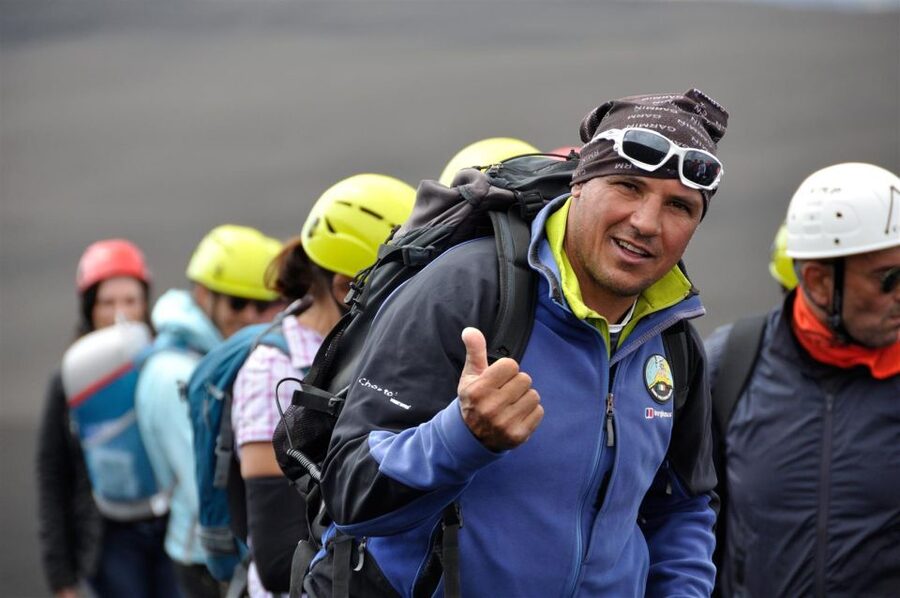
This tour gives you a strong head start on safety. Equipment included on site typically covers a helmet, volcanic/alpine jacket, trekking sticks, boots, and socks.
That’s a big deal because the volcanic surface is rough, and the summit zone can feel brutally exposed. Good traction and stable footing reduce stress fast.
That said, I’d still pack smart extras:
- Sunglasses for glare on pale lava rock
- Long pants to protect your legs on uneven ground
- A daypack to keep layers accessible
- A headscarf (useful for dust and wind)
- Food and drinks—there isn’t time for a full meal stop
- For real comfort, add warm gloves and a mask or scarf to help with gas drifting during the crater portion
One more footwear note that you should take seriously: even with provided boots, you may prefer your own if you’re picky about fit. There have been cases of foot discomfort tied to provided footwear, so bring your best socks and consider your shoe comfort carefully.
Safety guidance is part of the package too. Guides keep you together, show how to step on lava rock, and set a pace that matches the group. It’s not just about effort—it’s about moving correctly so you don’t burn your energy on the wrong footing.
Fitness and health reality check: who this fits best
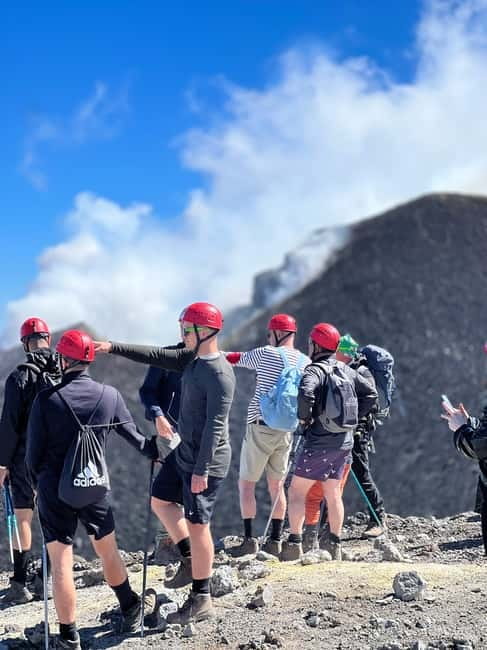
This trek is not for everyone. It’s not suitable for children under 8, and it also excludes pregnant women, people with mobility impairments, heart problems, vertigo, or respiratory issues.
Beyond that, the practical fitness level is “prepare for a demanding hike.” One consistent theme: it’s manageable for people who exercise regularly, but you’ll feel the climb and time on uneven volcanic ground. If you’re coming from a beach vacation and haven’t walked much lately, you’ll want a day or two of easy conditioning.
The guide-led pace helps, and the group size being small keeps attention on each person. Some groups may even split into smaller clusters depending on conditions, which can make it easier to hear instructions and follow safely.
Price and value: $104 plus what you pay on site
On paper, it’s $104 per person for a 5-hour guided central-crater experience from Catania, including hotel pickup/drop-off, an alpine/volcanologic guide, and equipment (helmet, jacket, sticks, boots, socks).
The part that changes the final number is the vehicle ticket cost: the cable car and jeep round trip are not included, and you pay on site. Based on real on-the-ground situations, some people ended up paying extra in the rough range of about €80 to €160 for the jeep portion (the exact total can vary with conditions and what vehicle route you end up taking).
So is it worth it? For me, yes—if you want the crater area itself and you appreciate doing it with proper gear and an expert guide. You’re paying for access and risk management, not just sightseeing.
If your main goal is cheap views, this may feel pricey once you add the vehicle tickets. If your goal is to stand at the central crater area and walk volcanic terrain with guidance, the value is stronger.
Should you book the Etna central crater trekking tour?
If you’re deciding between “see Etna from a bus” and “walk on Etna,” this is the real-deal option. I’d book it if you want maximum volcano time, gear support, and a structured route that takes you to about 3,345m and the crater area—plus features like eruptive cones and Valle del Bove. The small-group setup and the fact that the guides manage safety on lava terrain are big reasons to choose this format.
Skip it if you know you struggle with heights, uneven ground, or breathing-related issues, or if you want lots of downtime and a relaxed pace. And if you’re the type who needs everything to match a timetable exactly, remember the operator can change the route with ground and wind conditions.
Overall: if you’re ready for a serious-but-manageable hike, you’ll likely feel like Etna is more than a destination—it’s an experience with smell, sound, and scale.
FAQ
How long is the Mount Etna central crater trekking tour?
The total duration is about 5 hours.
What is the starting height and where do you end up?
The trek starts around 1,900 meters, and you return back to the starting altitude of about 1,900 meters.
Do I need to buy cable car and jeep tickets separately?
Yes. The cable car and jeep round-trip tickets are not included in the base price, and you pay on site.
Is hotel pickup and drop-off included?
Yes. Pickup and drop-off are included from the listed Catania meeting points in the city center area.
What equipment is provided during the hike?
You’re provided with helmet, jacket, sticks, boots, and socks.
How many people are in the group?
It’s a small group limited to 10 participants.
What languages are the guides available in?
The live guide works in Italian, English, and French.
What should I bring for the hike?
Bring sunglasses, food and drinks (including a packed lunch), long pants, socks, a daypack, and a headscarf.
Is the tour suitable for children or people with mobility/health issues?
No. It’s not suitable for children under 8, pregnant women, people with mobility impairments, people with heart problems, people with vertigo, or people with respiratory issues.
What’s the cancellation window?
You can cancel up to 24 hours in advance for a full refund.