REVIEW · NICOLOSI
Mount Etna: Central Crater (3,340 meters) with Jeep and Trek
Book on GetYourGuide →Operated by ETNA TOURING DI PIETRO LA ROSA · Bookable on GetYourGuide
Etna feels close when the summit is real. This Mt. Etna Central Crater experience pairs a 4×4 drive up to 2,930 m with a volcanologist guide, so the science actually lands as you walk. You’ll also get time to look for the volcano’s active craters—South-East, Bocca Nuova, North-East, and Central—up at the high, cold air where the mountain is clearly alive.
I like that it’s structured: jeep first to save your legs, then a real summit trek on lava surfaces, guided all the way. One thing to consider is that conditions at altitude can be rough—wind, cold (often below zero near the top), and a short but steep, harder final push—so you’ll want solid shoes and a calm plan for the last minutes.
In This Review
- Key Things You’ll Remember From Etna’s Central Crater Trek
- Etna’s Central Crater: what you’re really buying for $59
- Getting to the high start: the 2,930 m 4×4 ride
- The trek section: lava flows, bombs, and a guide who explains what matters
- Summit craters: South-East, Bocca Nuova, North-East, Central
- Cold wind reality and why the included gear is not optional
- The pacing: short climbs, but the last stretch can sting
- Views over Sicily (and maybe the Aeolian Islands)
- Price and logistics: how the math works for real value
- Who should book this Etna Central Crater hike
- Should you book this Mt. Etna Central Crater tour?
- FAQ
- How long is the Mt. Etna Central Crater jeep and trek?
- Where do we meet on Etna?
- What’s included in the price?
- Do I have to pay extra for the jeep 4×4?
- What language is the guide?
- Will I see red flowing lava?
Key Things You’ll Remember From Etna’s Central Crater Trek
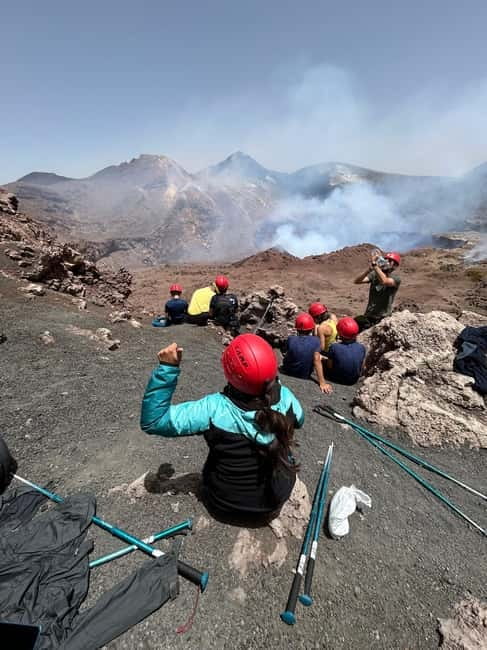
- Four active craters in one outing: South-East, Bocca Nuova, North-East, and Central
- A volcanologist guide who explains gas emissions, fumaroles, and what you’re seeing
- Jeep up to 2,930 m, then trekking on lava flows from past eruptions
- Gear included: helmet, trekking poles, trekking shoes, and wind jacket
- Small group (max 10) with guides adjusting pace to the group’s fitness
- Access can vary on the day, including possible crater closures due to volcanic activity
Etna’s Central Crater: what you’re really buying for $59
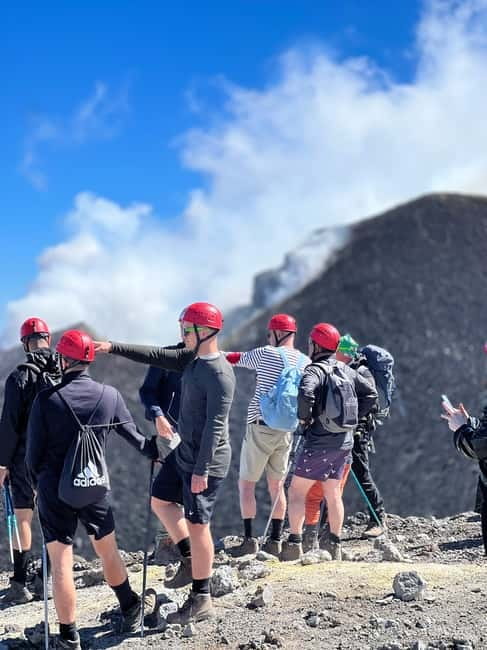
For $59 per person, you’re not paying for a bus ride and a distant photo. You’re paying for guided time on Etna’s upper slopes with the right gear so you can walk safely in a volcanic zone. The big value here is the guide: you’re hiking with an alpine and volcanological expert, not just a “local who knows a few facts.”
You’re also buying proximity. The tour’s climb takes you to the high-crater area around the Central Crater region (about 3,340 m for the summit focus), where you can observe gas emissions and fumaroles and keep your eyes open for signs along the trail like volcanic bombs and waste. And the views can be wide: on clear weather days, you can look out across Sicily up to the coast—and possibly toward the Aeolian Islands.
The one cost note: the jeep 4×4 round trip ticket is not included in the $59, and you pay that portion on site. This doesn’t make the trip “bad value,” but it does mean you should budget for it before you go.
You can also read our reviews of more tours and experiences in Nicolosi.
Getting to the high start: the 2,930 m 4×4 ride
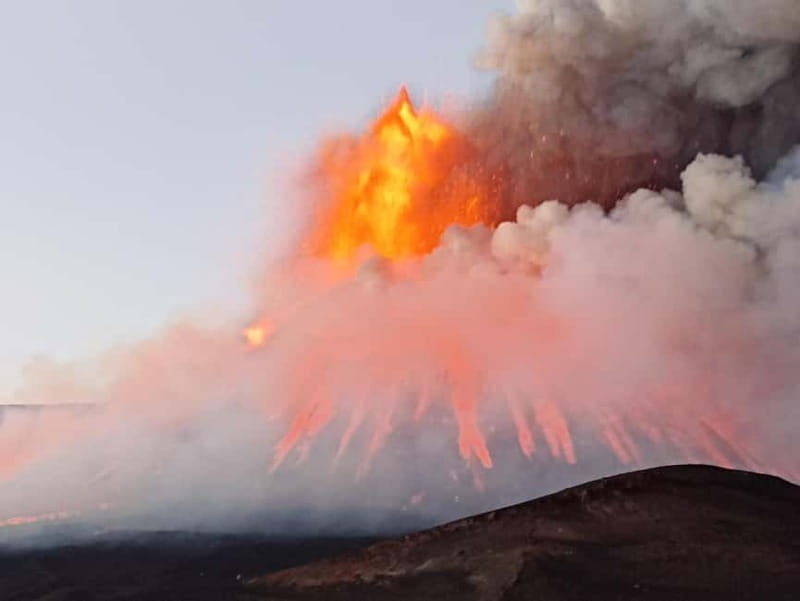
The tour starts at Piano Provenzana Etna Nord, and you’ll get kitted up for the walk first. Then the 4×4 jeep takes about 40 minutes up to roughly 2,930 m. This matters more than you might think, because the hard part is the hiking, not the ascent by vehicle.
Once you’re dropped at the high trailhead, you can shift from “transport mode” to “walk mode.” People who try Etna the DIY way often underestimate how quickly the altitude plus rough ground turns into effort. This tour’s structure helps you arrive at the climbing section with less exhaustion, which makes a difference if the day is windy.
If you’re the kind of person who likes momentum, this sequence feels good: short ride, then hike, then hike again, then back down. It keeps the outing from dragging.
The trek section: lava flows, bombs, and a guide who explains what matters
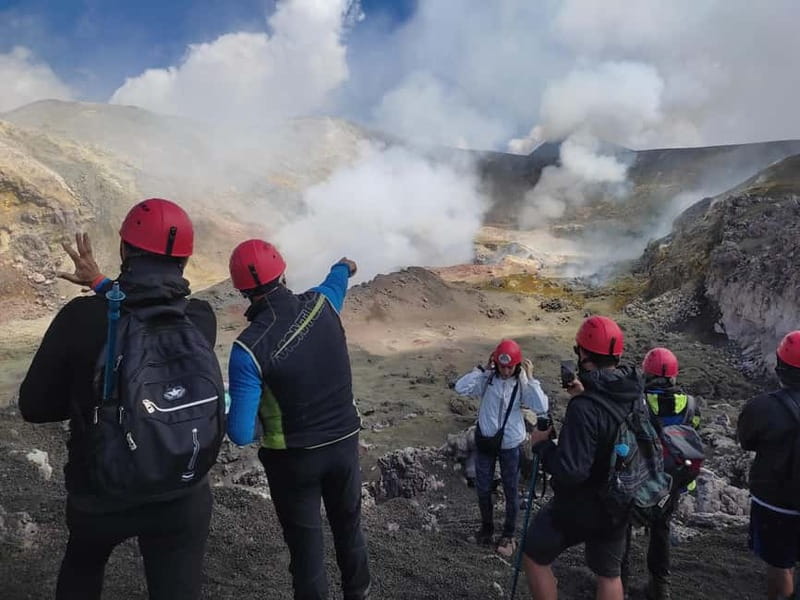
After the jeep, you’ll start trekking on foot (about 100 minutes) toward the Central Crater area. During this part, you’re walking over surfaces shaped by previous eruptions—lava flows, with scattered details that look like volcanic debris. The route is not “pretty mountain trail” in the classic sense. It’s more raw and real: you’ll see volcanic bombs and volcanic waste as you go.
This is where the guide earns their keep. A volcanological guide doesn’t just point and name. They help you connect what your eyes see—smoke, gas, ground textures—to how the volcano behaves. One of the best moments is reaching the crater zone and noticing fumaroles and gas emissions, which are the kind of features you’ll miss if you just walk without context.
Expect a break and photo stops around the Central Crater stop, plus a guided visit time before you continue. This is useful for two reasons: it gives you a breather for the cold, and it gives you a chance to look longer instead of rushing through.
Summit craters: South-East, Bocca Nuova, North-East, Central
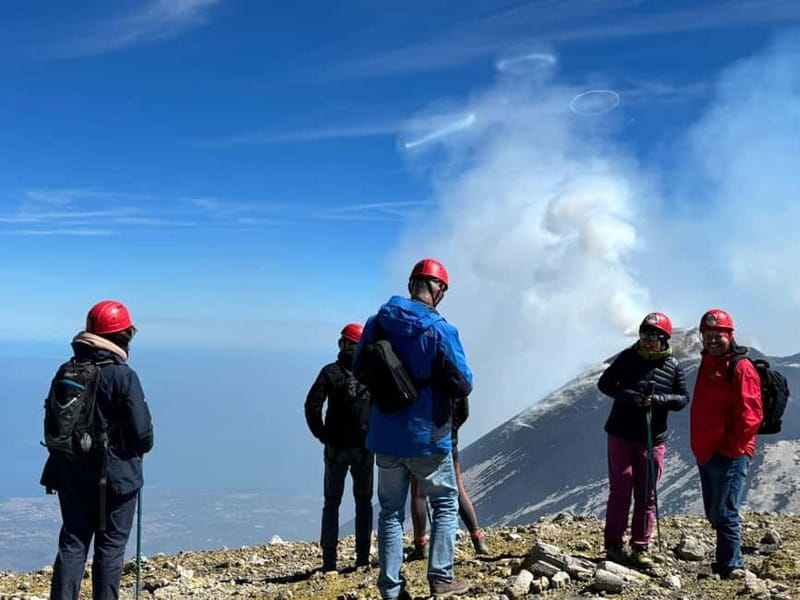
At the top, the goal isn’t to chase a single perfect viewpoint. It’s to understand the crater field as a system. The tour is set up so you can look for the four active craters associated with Etna’s activity: South-East, Bocca Nuova, North-East, and Central.
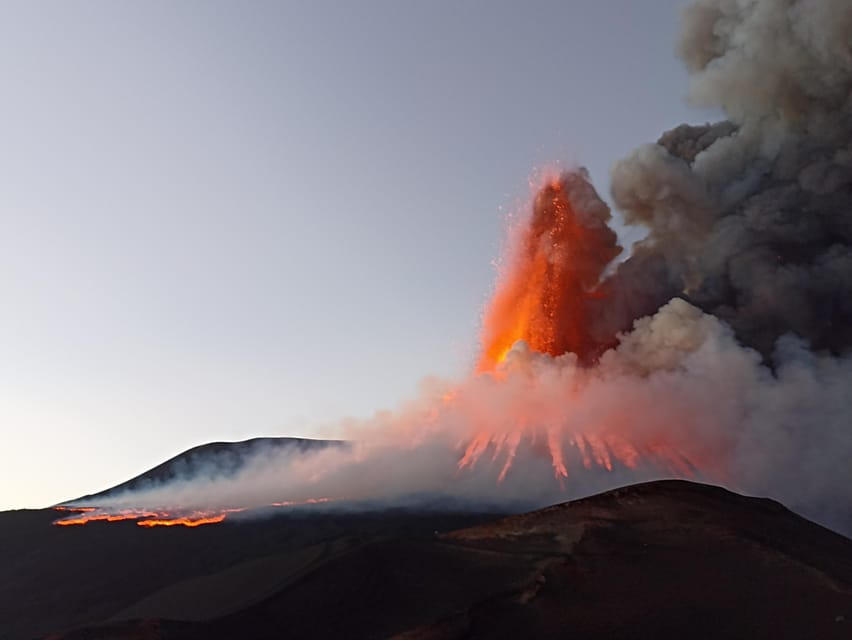
Here’s the honest expectation-setting: you should not plan on seeing Hollywood-style red lava flowing. One guide-led group experience described it clearly—no red flowing lava, but plenty of unique smoke and volcanic motion up there. So keep your camera ready for different visuals: gray-white gas, steaming vents, and the dramatic texture of the crater area.
Also, access can shift. On some dates, the Central Crater area can be closed due to volcanic activity, and the tour still runs with the remaining allowed route. On at least one occasion, a guide was even allowed to include an additional north crater area when access permitted. Translation: bring flexibility. Etna is not a theme park with guaranteed doors.
Cold wind reality and why the included gear is not optional
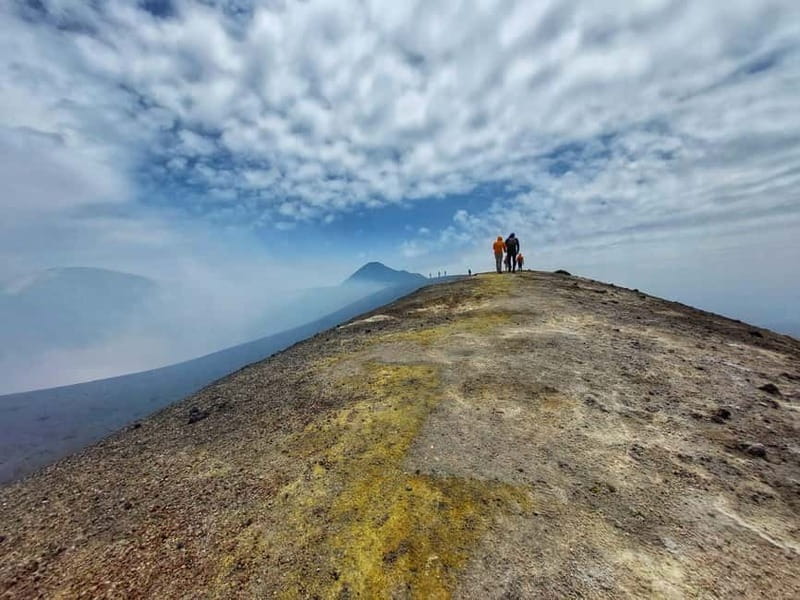
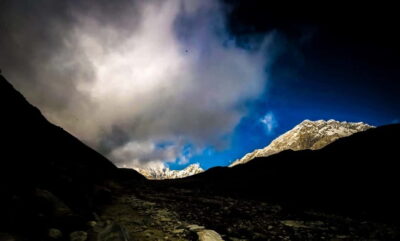
Etna’s summit zone can feel like another planet. Multiple experiences mention an icy wind and sulphur vapour in the air, and the temperature can drop below zero near the top. Even if you run warm on regular hikes, this is one of those days where you need to dress for weather, not just sunshine.
The good news: the tour provides equipment that actually helps. You get helmets, trekking shoes, trekking poles, and wind jackets. And yes, I’d treat the included shoes as mandatory—one experience highlighted that it’s very important to use the hiking shoes you get. If your own boots are stellar, you can still want the tour’s gear support for fit and traction.
What else should you bring? Based on guidance from real experiences, I’d add:
- Warm layers for wind (and not just a light jacket)
- A warm hat and gloves (people reported the summit wind is rough)
- Sunscreen/spf, since altitude glare can surprise you
You’ll want long pants and comfortable clothes too. And bring food and drinks, because you’ll have a lunch break and you don’t want to rely on vending machines on a volcano.
The pacing: short climbs, but the last stretch can sting
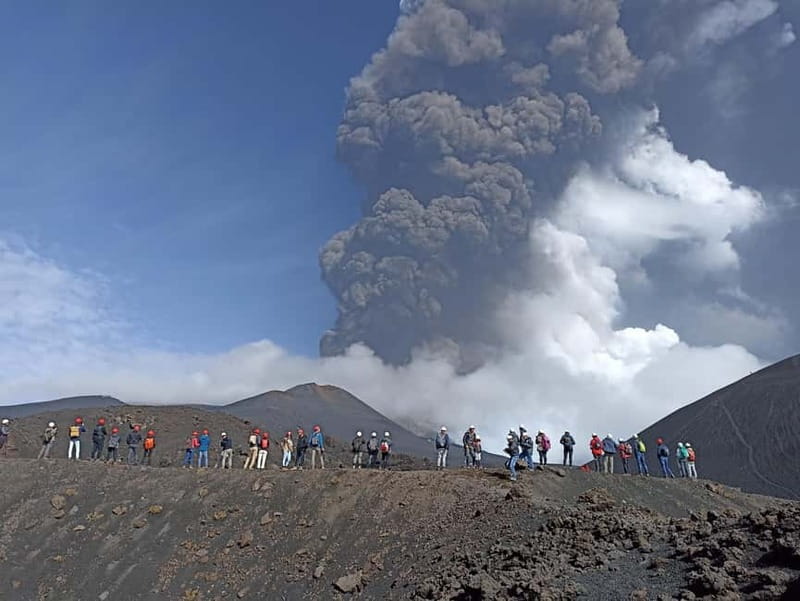
The hike has a rhythm: hike up, guided crater time, then another trekking segment, then back down by jeep. The total outdoor effort is spread across roughly 5.5 hours overall (with about 5–6 hours total exclusion time).
What I like about this tour format is that guides tend to manage pacing. One experience mentioned the guide paid close attention to group fitness and adjusted walking speed, including for people who were more sensitive to the hike’s demands. There’s also a note from an experience that the hardest part is the final 10–15 minutes. That’s brief, but it’s where your legs feel it.
Bottom line: you don’t need to be an ultra-hiker, but you do need to be comfortable with steady uphill walking at altitude. If you have heart problems, respiratory issues, mobility limits, or you’re over 75, the tour is not suitable.
Views over Sicily (and maybe the Aeolian Islands)
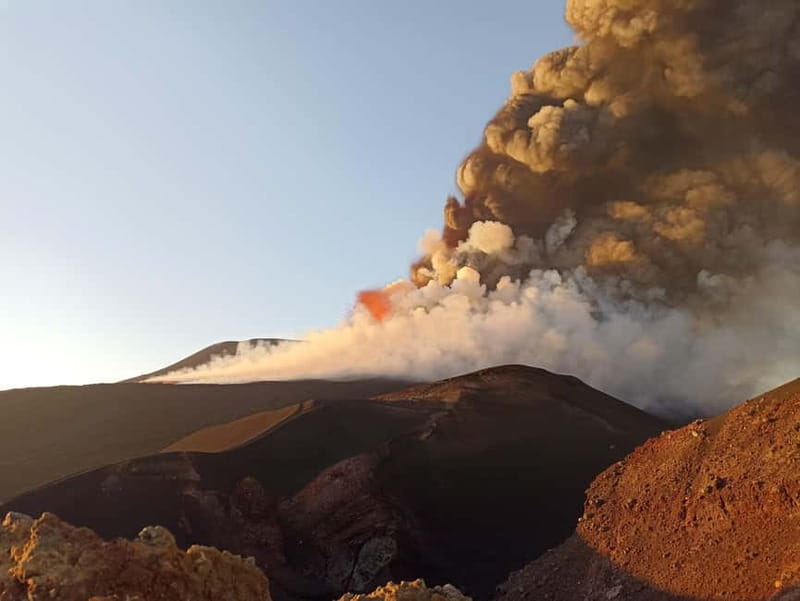
When the weather behaves, the reward is big. You’ll get panoramic views up to Sicily’s coast, and if conditions permit, out toward the Aeolian Islands. Even when the visibility isn’t perfect, Etna still delivers: crater activity, gas movement, and the harsh geometry of the volcanic terrain keep things interesting.
One practical tip: wind affects camera work. Try to keep hands protected so you can still swap lenses or open your phone settings without freezing.
And remember: this is not a calm nature stroll. It’s a guided walk in active-volcano terrain, so your time is best spent looking and learning, not just filming continuously.
Price and logistics: how the math works for real value
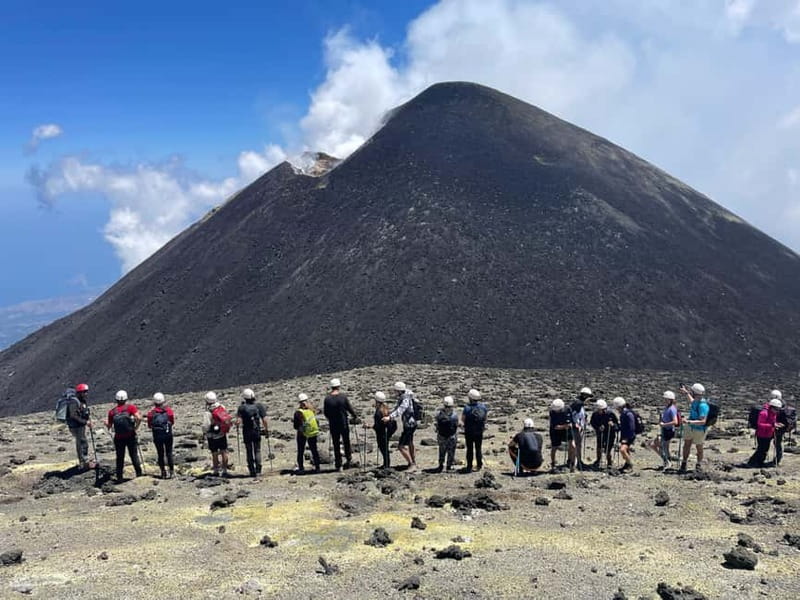
At $59 per person, this is a “gear + guided summit craters” price, not a bare-bones hiking fee. Equipment (helmet, trekking shoes, trekking poles, wind jacket) and trekking with an alpine and volcanological guide are included. That’s a real cost saver if you’d otherwise need to rent gear or hire a specialized guide.
The item that can change your total is the jeep 4×4 round trip ticket, which is paid on site. So treat $59 as your guided-trek base price, and keep extra money for the jeep portion.
Is it worth it? I think it is, if you want:
- A structured summit walk near Etna’s active craters
- A volcanologist guide who connects visuals to volcanic processes
- A small group setting where pacing can be managed
If you just want photos from a simple viewpoint, you’d likely feel underwhelmed. But if you want the experience of walking through volcanic ground and understanding what you’re seeing, this format makes sense.
Who should book this Etna Central Crater hike
This tour fits best if you:
- Are comfortable hiking with changes in altitude
- Can handle cold wind and long pants weather
- Want expert explanations about an active volcano
- Prefer small groups (max 10) with close guide attention
It’s not for everyone. It’s listed as not suitable for children under 8, people with mobility impairments, wheelchair users, people with heart problems, people with respiratory issues, people over 75, and those with low fitness.
If you’re somewhere in the “borderline” zone for fitness, you might still be okay if you can handle a steady uphill hike and you’re not expecting an easy walk. One thing that comes through strongly: the guides adjust speed and manage the group when needed.
Should you book this Mt. Etna Central Crater tour?
Yes—if your idea of a great Sicilian day is a guided summit trek with real volcanic details. The combination of a 4×4 ride to a high start, included gear, and a volcanologist guide makes this a strong value. You also get multiple active crater targets in the same outing, which is hard to replicate on your own.
Book it with realistic expectations: you may not see red flowing lava. You will see smoke, gas emissions, fumaroles, and a volcanic environment that feels raw and close-up. Also, plan for cold wind and a short hard push near the top.
If you’re sensitive to altitude, have respiratory or heart limitations, or you hate cold-weather hiking, look for a different Etna option that fits you better.
FAQ
How long is the Mt. Etna Central Crater jeep and trek?
The tour duration is about 5.5 hours, with a total exclusion time of roughly 5–6 hours.
Where do we meet on Etna?
You meet at Piano Provenzana Etna Nord.
What’s included in the price?
The tour includes trekking with an alpine and volcanological guide plus equipment: helmets, trekking shoes, trekking poles, and wind jackets.
Do I have to pay extra for the jeep 4×4?
Yes. The jeep 4×4 round-trip ticket is not included and is paid on site.
What language is the guide?
The live tour guide speaks French, English, and Italian.
Will I see red flowing lava?
You should not count on seeing red flowing lava. You’ll be focused more on volcanic smoke, gas emissions, and fumaroles, plus crater views.
If you tell me your travel month and fitness level, I can help you decide what to wear and whether this pace will feel right for you.